
Holiday Wellness 2025 is all about staying grounded, energized, and emotionally balanced during the busiest time of the year. Although the holidays bring joy and celebration, they also create stress, irregular routines, late nights, overindulgence, and emotional overwhelm. Because many people enter December feeling stretched thin, prioritizing wellness becomes more important than ever.
This expanded guide offers twenty-five science-backed strategies to help you thrive. It includes deeper insights, holiday-specific examples, and additional transition words to optimize readability. You will also find a new bonus section called Holiday Wellness Rituals for 2025, designed to help you create meaningful daily habits that support emotional renewal during the season.
As more people embrace longevity, stress reduction, and emotional well-being, the holidays have shifted from being purely indulgent to becoming an opportunity for restoration. Additionally, with travel, gatherings, decision-making, and financial pressures increasing during this season, wellness strategies help you maintain clarity and calm. Because the holidays often pull you in many directions, having a plan helps prevent burnout and supports a healthier, more joyful experience.
The goal of Holiday Wellness 2025 is to help you navigate the season with ease, clarity, and confidence. Whether you want more energy, better sleep, calmer emotions, or just a more balanced approach to celebrating, these twenty-five strategies will empower you to stay healthy all season long.
1. Start Each Morning with a Centering Ritual
A centering morning ritual gives your mind a moment of stillness before the holiday rush begins. Whether you choose deep breathing, gratitude journaling, stretching, meditation, or a simple cup of tea without distractions, starting your day intentionally creates emotional balance.
During the holidays, your schedule may shift frequently. However, even a short ritual helps your nervous system feel anchored. Therefore, choose a practice that feels natural and enjoyable so it becomes easy to maintain.
2. Focus on Anti-Inflammatory Nutrition to Support Immunity
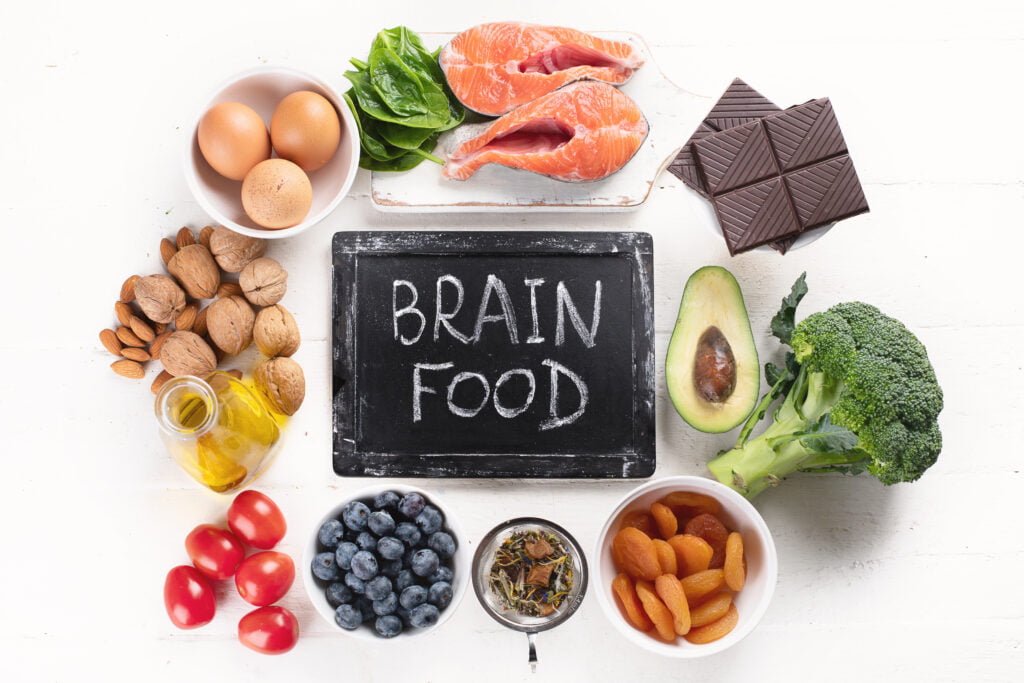
Because holiday foods tend to be rich and sugary, inflammation often increases this time of year. Prioritizing anti-inflammatory foods such as blueberries, leafy greens, salmon, turmeric, ginger, garlic, and walnuts supports energy, digestion, and immunity.
A study published by the National Institutes of Health shows that consistent consumption of anti-inflammatory foods can support healthy aging and reduce long-term oxidative stress.
Adding even one anti-inflammatory component to each meal creates meaningful benefits throughout the season.
3. Stay Hydrated Even on Busy Days
The holidays often bring increased caffeine, alcohol, and salty foods, all of which dehydrate the body. Hydration supports clearer thinking, steadier mood, improved digestion, and healthier skin, especially during colder weather.
Although water is ideal, you can make hydration more festive by adding cranberries, rosemary, orange slices, or cinnamon sticks. These holiday-inspired additions encourage consistent drinking while offering antioxidant support.
4. Add Targeted Supplementation for Seasonal Stress
Because schedules fluctuate and emotional stress increases during the holidays, supplementation becomes incredibly helpful. Targeted nutrients support energy, sleep, emotional stability, and cognitive clarity.
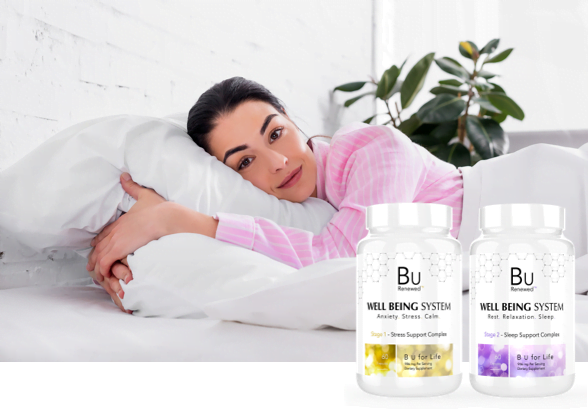
For stress relief and emotional support, the Well Being System by Bu Renewed offers both a morning and evening formula that encourages calm, balance, and restful sleep:
Supplements create a steady foundation that helps the body adapt to holiday intensity.
5. Move Your Body Daily to Boost Holiday Energy
Movement increases endorphins, supports metabolism, improves mood, and helps balance holiday indulgences. Although routine workouts may be harder to maintain in December, movement does not need to be strenuous.
You can incorporate holiday-specific activities such as walking through festive neighborhoods, dancing to seasonal music, or doing gentle morning yoga before gatherings. Even short bursts of movement have a noticeable impact on energy and mindset.
6. Use Deep Breathing as a Fast Reset Tool
Deep breathing is one of the quickest ways to reduce stress. Because it activates the parasympathetic nervous system, it lowers cortisol and calms the mind almost immediately.
During holiday shopping, travel, or social events, taking a few intentional breaths helps recentre your emotions. Moreover, breathing exercises can be practiced anywhere, making them an easy go-to wellness tool.
7. Support Healthy Aging Throughout the Season
For people over 50, maintaining energy, joint mobility, and resilience is essential during the holidays. Cold weather, long days, and increased activity can strain the body. However, simple practices such as stretching, hydration, and collagen-supporting nutrition help you stay agile and comfortable.
For deeper support, the Age Well System by Bu Renewed promotes joint health, collagen formation, and cellular energy, which are all crucial during a busy holiday season:
Healthy aging is a year-round priority, but the holidays offer a perfect reminder to give your body extra care.
8. Set Boundaries to Avoid Holiday Burnout
Holiday burnout occurs when responsibilities exceed your emotional and physical capacity. Because December is filled with invitations, expectations, and obligations, boundaries help protect your mental well-being.
It is okay to say no. In fact, choosing what supports your peace will allow you to enjoy the season more deeply. Additionally, people often appreciate honesty and clarity during this time of year.
9. Reduce Sugar Without Giving Up Holiday Treats
You can enjoy holiday foods without feeling sluggish afterward. Pairing sweets with protein or fiber helps stabilize blood sugar and prevents energy crashes. Although treats are part of the season, moderation ensures you maintain steady energy throughout the day.
You might also bake with natural sweeteners, add fruit-based desserts, or choose dark chocolate for a healthier festive option.
10. Build a Sleep-Promoting Evening Routine
Quality sleep is essential for mood, immunity, weight management, and cognitive function. However, holiday gatherings, travel, and late-night events often disrupt rest. Therefore, building a gentle evening routine helps signal your body to unwind.
You might dim the lights, sip calming tea, stretch, or disconnect from screens. These small rituals improve sleep depth and help you wake up refreshed.
11. Strengthen Mental Clarity During Holiday Chaos
Gift planning, travel, budgeting, and organizing gatherings can overwhelm your cognitive bandwidth. Supporting brain health ensures you stay focused and productive rather than scattered or stressed.
The Stay Sharp System by Bu Renewed offers natural cognitive support for memory, clarity, and mental energy:
This support is especially valuable during the holidays, when demands are higher and decision-making increases.
12. Create Calming Holiday Spaces at Home
Your home environment influences your mood more than you might realize. Because clutter and disorganization increase stress, creating calming spaces encourages emotional balance.
During the holidays, adding soft lighting, cozy blankets, winter scents, or seasonal greenery helps cultivate peace. Small touches create an inviting atmosphere that supports relaxation.
13. Practice Mindful Eating at Holiday Meals
Mindful eating enhances enjoyment and prevents overeating. Slowing down, savoring flavors, and paying attention to hunger levels helps you stay connected to your body’s needs.
Because holiday meals are often rich and abundant, mindful eating allows you to enjoy everything without discomfort.
14. Limit Alcohol for Better Mood and Energy
Although alcohol is common at holiday events, excessive drinking disrupts sleep, increases anxiety, and drains energy. Moderation supports clearer thinking and emotional wellness.
Sparkling water with citrus, herbal teas, or alcohol-free mocktails offer festive alternatives without the side effects.
15. Nurture Relationships with Presence and Intention
The holidays highlight connection, making this a perfect time to strengthen important relationships. Although schedules are busy, meaningful conversations improve emotional health and reduce stress.
Even short moments of connection—phone calls, thoughtful messages, or shared meals—create lasting positivity.
16. Practice Daily Gratitude to Strengthen Emotional Balance
Gratitude is especially powerful during the holidays because it shifts your focus from stress to appreciation. Writing down three things you are grateful for each day improves mood, reduces anxiety, and increases emotional resilience.
A study highlighted by the American Psychological Association shows that gratitude practices significantly improve mental health and overall life satisfaction.
Although the holiday season often moves quickly, pausing to acknowledge meaningful moments helps you stay grounded.
17. Maintain Your Routine as Much as Possible
Schedules become unpredictable in December, but maintaining aspects of your normal routine helps your body feel stable. Whether you keep a consistent sleep schedule, morning ritual, or mealtime structure, routine supports your nervous system and energy levels.
Even if your schedule changes, holding onto a few familiar habits prevents overwhelm and promotes emotional steadiness.
18. Strengthen Immunity Through Nourishing Choices
Holiday gatherings, cold weather, and travel can challenge your immune system. Therefore, adding vitamin-rich foods, hydration, sleep, and stress-management tools helps keep your defenses strong.
Citrus fruits, brightly colored vegetables, garlic, ginger, and zinc-rich foods all support immune resilience. Additionally, minimizing stress helps your immune system function more effectively.
19. Create Quiet Moments for Mental Reset
Because the holidays are noisy and overstimulating, building small moments of silence into your day can reset your nervous system. Even 60 seconds of quiet can improve clarity and reduce stress.
Quiet moments might include sitting in your car before entering a store, stepping outside for fresh air, or taking a brief break from conversation. These pauses offer surprising emotional relief.

20. Add Gentle Detox Practices to Feel Lighter
Detox practices do not need to be extreme. In fact, gentle daily habits support digestion, reduce bloating, and improve energy during the holidays.
Simple habits include:
• warm lemon water in the morning
• dry brushing
• herbal teas
• leafy greens
• stretch sessions
• warm epsom salt baths
These supportive practices help your body process heavier foods and maintain a sense of lightness.
21. Reduce Screen Time to Improve Presence and Calm
Although technology keeps us connected, excessive screen time increases anxiety and disrupts sleep, especially during late-night scrolling. Reducing screen time during the holidays encourages deeper presence with loved ones and helps your mind unwind.
You can set gentle boundaries like turning off devices one hour before bed or avoiding your phone during meals. These simple intentions increase joy during gatherings and promote a calmer mindset.
22. Keep Healthy Snacks Nearby for Steady Energy
When hunger hits suddenly, it is easy to grab sugary treats or holiday baked goods. Having nutritious snacks ready allows you to make choices that support energy and clarity rather than causing crashes.
Great holiday-season snacks include:
• almonds or walnuts
• Greek yogurt
• hummus and vegetables
• fruit
• high-protein bars
• cottage cheese cups
These foods maintain balanced blood sugar and support better decision-making throughout the day.
23. Stretch in the Evenings to Release Tension
Holiday activities can create physical tension—standing for long periods, cooking, decorating, shopping, and traveling all affect your body. Evening stretching helps release tight muscles, calm your mind, and improve sleep.
Focus on the neck, shoulders, hips, and lower back. These areas carry the most holiday tension and respond well to gentle movement.
24. Give Yourself Permission to Rest Without Guilt
Rest is not only healthy—it is essential. Because December is often overscheduled, intentionally resting protects your mental and physical well-being. Allowing yourself to pause, nap, or simply enjoy a quiet moment helps you recover from seasonal demands.
Rest prevents burnout, strengthens immunity, and restores emotional balance. You deserve it.
25. Choose Joyful Practices to Enhance Holiday Spirit
Daily joy is a wellness tool. When you incorporate small joyful activities—such as listening to music, baking, being in nature, decorating, or connecting with loved ones—you naturally reduce stress.
Joy increases serotonin and dopamine, elevating your emotional state. Because joy is contagious, these practices enhance both your well-being and the environment around you.
BONUS SECTION: Holiday Wellness Rituals for 2025
Even though the holidays are busy, introducing simple wellness rituals can transform your entire experience. These rituals create emotional grounding, physical resilience, and a deeper sense of meaning throughout the season.
Below are seven powerful holiday wellness rituals designed specifically for 2025:
1. The Morning Light Ritual
Begin your morning by stepping outside or standing near a bright window for natural sunlight. This ritual resets your circadian rhythm, boosts serotonin, and improves mood. It also helps you feel more awake during darker winter mornings.
Even one minute of light exposure makes a difference.
2. The Seasonal Gratitude Reflection
Choose one moment each day to reflect on something holiday-related that brought you joy—perhaps a conversation, a warm drink, or a cozy moment. This ritual trains your mind to notice positive experiences throughout the season.
Because gratitude increases emotional resilience, this practice helps you stay balanced even during stressful events.
3. The Warm Cup Wind-Down
Create a nighttime ritual with a calming beverage such as chamomile tea, peppermint tea, or warm lemon water. This signals your body that evening is approaching, preparing your nervous system for sleep.
Adding calming music or dim lighting enhances the ritual’s soothing effect.
4. The Holiday Walk
Go for a daily walk—whether through a decorated neighborhood, a quiet park, or a bustling market. Walking relieves stress, boosts energy, and supports digestion.
Moreover, it helps you experience the beauty of the season rather than rushing through it.
5. The Digital Sunset
Choose a time each night to disconnect from screens. Because blue light disrupts melatonin production, setting a “digital sunset” encourages better sleep.
This ritual also improves presence during evening gatherings and increases overall calm.
6. The Seasonal Reset Breath
Before transitioning between activities—such as entering a party, starting dinner, or sitting down to wrap gifts—pause and take three deep breaths. This ritual resets your emotional state and keeps your mind steady.
Small resets throughout the day prevent overwhelm.
7. The Holiday Self-Compassion Moment
Give yourself one moment each day to acknowledge your efforts. Whether you are hosting, working, traveling, shopping, or taking care of others, offer yourself kindness.
Self-compassion strengthens emotional resilience and reduces guilt, stress, and pressure.

Final Thoughts: Holiday Wellness 2025 Is a Celebration of Renewal
Holiday Wellness 2025 encourages a holistic approach to the season—one that prioritizes health, joy, calm, and emotional presence. When you follow these twenty-five strategies, you create a foundation of strength and clarity that supports you through every celebration.
This season is an opportunity to renew your relationship with your mind, your body, and your habits. Whether you choose to embrace gentle movement, reduce sugar, practice gratitude, sleep deeply, or set healthy boundaries, each small action creates meaningful change. These habits not only guide you through the holidays—they also prepare you for a vibrant, energized, and fulfilling new year.
Additionally, supporting your well-being with science-backed supplements such as the Well Being System, the Stay Sharp System, and the Age Well System enhances your resilience. These targeted systems help reduce stress, improve cognition, and support healthy aging from the inside out, making them ideal partners during the holiday season.
Wellness during the holidays is not about perfection. Instead, it is about staying connected to what matters most—your energy, your clarity, your joy, and your health. When you combine intentional practices with compassion for yourself, you transform the holiday experience into something uplifting and nourishing.