
Category: Health & Wellness

  • Building Blocks for Healthy Joints

    Building Blocks for Healthy Joints

    Building blocks for healthy joints are what the essential amino acids, methionine help to protect cell and DNA function.

    Joints serve as the points of connection where bones come together, allowing us to move our bodies.

    These structures are vital for activities like walking, running, and even simple tasks such as picking up objects or typing on a keyboard.

    However, several factors can impact the health and functionality of our joints, resulting in discomfort, stiffness, and limited mobility.

    One crucial aspect often overlooked when it comes to maintaining health is methionine, an amino acid that acts as a building block for joints.

    In this article, we will explore the importance of methionine in supporting health and discuss its various roles in maintaining joint well-being. We will also delve into sources, supplementation options, and potential benefits associated with methionine.

    Understanding Methionine

    Methionine belongs to the group of amino acids that our bodies cannot produce independently; therefore, we must obtain it from our diet. As a sulfur-containing amino acid, it plays a role in biological processes.

    Methionine is particularly involved in protein synthesis by initiating the translation of information into proteins. This amino acid also acts as a building block for molecules such as S adenosylmethionine (SAMe).

    SAMe plays a role in biochemical processes within the body, including the creation of neurotransmitters and the synthesis of DNA and RNA. Aside from its involvement in protein synthesis and SAMe production, methionine has attracted attention due to its impact on health.

    The significance of methionine in relation to related conditions, like osteoarthritis and rheumatoid arthritis, has been extensively researched, considering their prevalence worldwide.

    The Role of Methionine in Joint Health and Building Blocks to Healthy Joints

    The role of methionine in promoting health involves various interconnected mechanisms;

    1. Collagen Production

    Collagen, is a protein in our body which acts as a structural framework for different tissues, including those found in our joints.

    The proper functioning of joints heavily relies on the integrity of collagen fibers, which provide strength, flexibility, and stability to the surfaces and surrounding structures.

    Methionine plays a role in collagen synthesis by serving as the starting point for this protein’s production.

    Collagen is composed of three chains arranged in a helix structure, and methionine ensures their correct formation. Insufficient levels of methionine can compromise collagen synthesis, resulting in fewer collagen fibers. Weakened collagen can make joint tissues more vulnerable to wear and tear, contributing to conditions like osteoarthritis.

    2. Antioxidant Properties

    Methionine contains a group of sulfur-containing acids that give it antioxidant properties.

    Antioxidants are substances that counteract molecules called radicals, which can damage various cellular components, including joint tissues.

    Accumulation of radicals within the joints can lead to stress, inflammation, and accelerated degeneration of the joints. Methionine possesses antioxidant properties that aid in safeguarding the components of joints, such as cartilage and synovial fluid, against damage.

    By reducing stress, methionine contributes to preserving the well-being and durability of these vital structures.

    3. Sulfur Metabolism

    Sulfur is an element for maintaining the integrity of joint tissues. It plays a role in forming tissues like cartilage tendons, ligaments, and the synovial membrane.

    These tissues are pivotal for providing cushioning, stability, and facilitating movement. Because methionine is a sulfuric acid, plays a role in the metabolism process. Why?

    Methionine converts into another amino acid called cysteine. Cysteine is instrumental in forming disulfide bonds within proteins—an element for maintaining stability in connective tissues. If you have stability with connective tissues, this uphold’s the integrity of joint tissues.

    However, if there is a deficiency in methionine levels, it may disrupt this process, leading to weakened tissues and increasing the opportunities for joint injuries..

    4. Inflammation Regulation

    Chronic inflammation serves as a factor found in conditions related to joints, such as osteoarthritis and rheumatoid arthritis.

    However, methionine may be able to regulate inflammation by affecting the creation of molecules called cytokines.

    Cytokines are proteins that send signals and control responses, including inflammation. Some cytokines like tumor necrosis factor-alpha (TNF α) and interleukin 1 beta (IL 1β) are known to contribute to inflammation and damage.

    Researchers have examined methionine’s potential in influencing the production of these inflammatory cytokines, which could help reduce overall inflammatory response within joint tissues.

    By reducing the production of these substances, methionine may offer relief from pain, swelling, and stiffness commonly associated with this. And, an anti-inflammatory effect could benefit those suffering from discomfort and contribute to maintaining overall joint health.

    Dietary Sources of Methionine

    Foods rich in methionine offer tremendous benefits and should be included in your diet. Methionine can be found in both animal and plant sources. Here are some examples of sources that contain methionine:

    Animal Sources

    Lean meats like chicken, turkey, and cuts of beef and pork are good sources of methionine.

    Fish such as salmon, tuna, and cod also provide excellent amounts of methionine.

    Dairy Products

    Dairy products like milk, yogurt, and cheese not only offer methionine but also other essential nutrients.

    Eggs are a protein source containing methionine.

    Plant Sources

    Legumes such as lentils, chickpeas, and black beans are plant-based options for obtaining methionine.

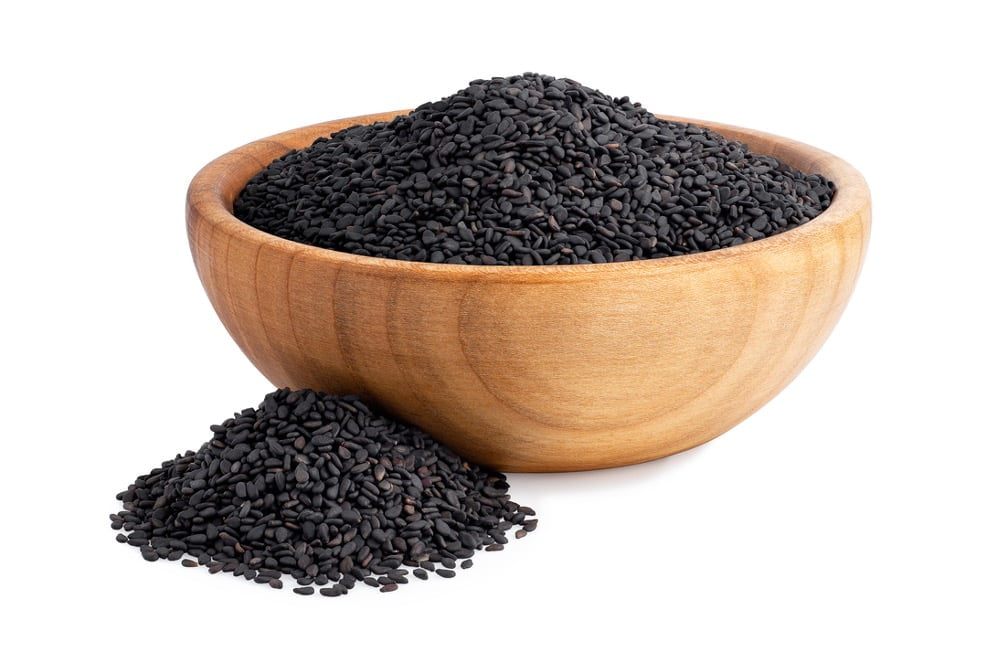
    Nuts and seeds, like almonds, peanuts, sunflower seeds, and sesame seeds are sources of methionine.

    Whole grains, like quinoa, oats, and wheat germ also contain methionine.

    Soy products, like tofu, tempeh, and edamame serve as sources of methionine for vegetarians and vegans.

    While vegetables generally have lower levels of methionine compared to animal or plant-based protein sources; certain vegetables such as spinach and broccoli still provide a good supply of this amino acid.

    Spirulina, a type of blue-green algae, is known for its methionine content. It is commonly used as a nutritional supplement.

    Supplementing Methionine: Building Blocks for Healthy Joints

    In some situations, some people may not get methionine from their diets, especially if they follow strict eating plans or have specific health conditions.

    It might be worth considering methionine supplements. It’s always a good idea to consult with a healthcare professional before beginning any supplementation routine.

    You can find methionine supplements in forms, such as methionine analog and N acetyl L methionine. These supplements are commonly available at health food stores and online retailers.

    When thinking about using methionine supplements for health, it’s important to be cautious about the dosage and potential interactions with medications or supplements.

    Potential Benefits of Methionine: Building Blocks for Healthy Joints

    The potential benefits of methionine are available with ongoing research. The research suggests that methionine offers relief for individuals looking to maintain or improve their joint function.

    1. Reduced Joint Pain and Inflammation

    Chronic pain and inflammation are symptoms experienced by people with various joint-related conditions, such as osteoarthritis and rheumatoid arthritis.

    Methionine’s ability to regulate inflammation shows promise in reducing the intensity and frequency of these symptoms.

    By controlling the production of inflammatory cytokines like tumor necrosis factor-alpha (TNF α) and interleukin 1 beta (IL 1β), methionine may offer relief from joint pain and inflammation.

    2. Preservation of Cartilage

    Cartilage is a tissue that covers the ends of bones in joints, ensuring smooth movement by acting as a cushioned surface. As we age or due to factors like wear and tear, cartilage can deteriorate, leading to conditions like osteoarthritis.

    The role of methionine in collagen production and sulfur metabolism suggests that it may play a part in preserving cartilage health.

    Collagen, which is a component of cartilage, relies on methionine for synthesis. Collagen fibers play a role in maintaining the integrity of cartilage and supporting its functions.

    As a result, the production of collagen indirectly benefits from methionine, which can help preserve cartilage and potentially delay the onset of degeneration.

    3. Improved Joint Mobility

    One significant advantage of methionine supplementation is its potential to improve mobility.

    Stiffness and reduced mobility in one’s joints, can be quite painful and does often limit the ability to perform activities comfortably. By incorporating methionine into one’s diet truly can help to alleviate discomfort.

    By supporting the maintenance and repair of tissues, methionine may enhance function leading to increased flexibility and ease of movement.

    4. Prevention of Joint Injury

    Methionine’s involvement in tissue repair processes extends beyond collagen production. Joint injuries can cause lasting discomfort and contribute to chronic joint conditions.

    When methionine is present in the body, it ensures that the necessary building blocks for tissue repair are readily available, potentially promoting recovery from injuries.

    5. Combination with Other Nutrients

    Comfort and mobility are the reasons supplements help provide relief. Glucosamine and chondroitin are common in supplements to improve comfort and mobility. When combined with methionine, these nutrients may have an effect working together to support joint function.

    It’s worth noting that the specific impact of methionine on health can vary from person to person.

    Factors like an individual’s health, existing medical conditions, and the severity of problems can influence how taking methionine as a supplement may affect joint function.

    Safety Consideration and Precautions

    1. Dosage

    Taking doses of methionine supplements can have effects on your gastrointestinal system, causing issues like nausea and diarrhea. It is a good idea to make sure you follow the recommended dosage guidelines and consult with a healthcare professional for advice.

    2. Interactions

    If you’re taking medications that affect liver function, be cautious about using methionine supplements as they may interact unfavorably.

    It’s always an idea for individuals with health conditions or those on medication to seek guidance from a healthcare provider before starting any methionine supplementation.

    3. Kidney and Liver Health

    Individuals who have kidney or liver disorders should approach methionine supplementation with caution since these organs play a role in processing amino acids like methionine. It’s advisable to consult with a healthcare provider if you fall into this category.

    4. Pregnancy and Breastfeeding

    If you’re pregnant or breastfeeding, it’s important to talk to your healthcare provider before considering methionine supplements as their safety during these periods has not reached definitive conclusions.

    5. Allergic Reactions

    Like with any supplement, some individuals may be sensitive or allergic to methionine supplements. If you notice any reactions after taking them, discontinue use immediately. Seek medical attention.

    Methionine Supplements: Building Blocks for Healthy Joints

    While it is generally recommended to obtain methionine through a balanced diet, there are circumstances where supplementation may be considered.

    If you have restrictions, follow an eating plan, or have specific medical conditions that affect methionine absorption, incorporating supplements can help ensure an adequate supply of this important amino acid.

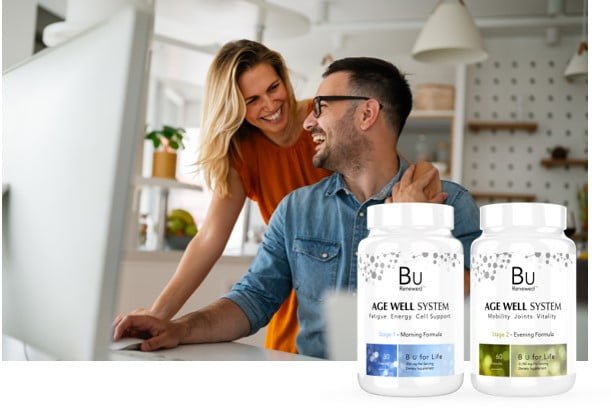
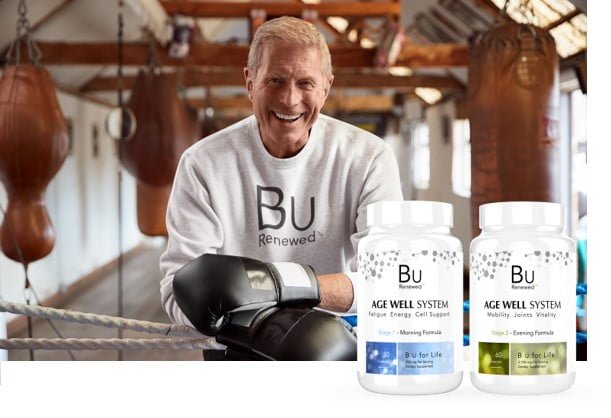
    If you’re interested in exploring a health supplement that combines methionine with nutrients known to support joint well-being, you might want to consider the Age Well System available at Bu Renewed. This comprehensive supplement is designed to provide a range of nutrients that promote wellness, including joint health.

    Remember that supplements should complement a lifestyle consisting of nutrition and regular exercise .

    Conclusion

    Methionine—an amino acid—plays a role in building blocks for healthy joints. Its role in the production of collagen, its properties, its involvement in sulfur metabolism, and its ability to regulate inflammation make it a crucial component for the development of tissues.

    There are alternative sources to obtain methionine to promote joint health which can be found through supplements, and, through animal and plant-based foods.

    Recommendation

    The Age Well System is an amazing supplement program to add to your diet whether or not one’s diet sufficiently handles the proper dosage of amino acids. And, it is important to approach with usage with caution and under the guidance of a healthcare professional. 

    The benefits of methionine includes the alleviating of pain, the enhancing of mobility, and the preserving of cartilage. And, thus, providing a path for those seeking to improve their overall joint function and quality of life.

    To maintain joints, it is important to adopt an approach that includes a well-rounded diet, regular exercise. Consulting a healthcare professional who can provide personalized recommendations based on individual needs.

    By recognizing methionine as one of the building blocks for joints, you can proactively take measures towards supporting joint health and experiencing a more active lifestyle with less discomfort.

    Keywords:

    • Methionine Supplementation
    • Balanced Diet
    • Joint Well-Being

    References:

    https://www.healthline.com/nutrition/methionine

    https://www.mdpi.com/2076-2615/13/18/2949https://progressive-earth.com/product/pro-3-amino-equine-supplement-essential-amino-acids-lysine-methionine-threonine/

  • Brain Health Supplements Boosts Cognitive Functions

    Brain Health Supplements Boosts Cognitive Functions

    Brain health supplement boosts cognitive function and it is critical to understanding how we can live our best life. As we grow older factors like stress, inadequate nutrition, and a sedentary lifestyle can contribute to a decline in our capabilities. Brain health supplements amplify options to soften and reduce the stress and anxiety of daily life and can work wonders for you!

    These formulated supplements aim to support and enhance brain function.

    In this article, we will explore all aspects of brain health supplements, and, how they can help improve your cognitive abilities.

    Understanding Brain Health

    Cognitive function encompasses a range of abilities that allow us to process, retain and utilize information effectively. This includes memory retention, attention span, language skills, problem-solving capabilities, and decision-making skills.

    These functions are governed by interactions within the brain involving neurotransmitters, neural pathways, and various regions of the brain.

    The Role of Nutrition in Brain Health

    Nutrition plays a role in supporting and enhancing brain function. The brain is an organ that relies on a steady supply of nutrients to operate at its best. In this discussion, we will explore the nutrients that have been found to promote health.

    1. Omega-3 Fatty Acids: Building Block to Cellular Health:

    One of the most important nutrients a healthy body needs are Omega 3 fatty acids, especially eicosapentaenoic acid (EPA) and docosahexaenoic acid (DHA). Fatty acids are fundamental for optimal brain function.

    Omega-3 Fatty acids are commonly found in fish like salmon, mackerel, and trout. Omega-3 Fatty acids can be found in plant-based sources such as flaxseeds, chia seeds, and walnuts.

    DHA is a building block of brain cell membranes. It aids in preserving the integrity and flexibility of these membranes facilitating communication between brain cells.

    According to Nutrition Insight, a higher intake of DHA is linked to enhanced brain health with memory retention, longer attention span and other cognitive functions as we age.

    2. Antioxidants: Protecting Brain Cells from Oxidative Stress

    Antioxidants play a role in protecting brain cells from damage caused by free radicals. This can contribute to cognitive decline and neurodegenerative diseases.

    Vitamins C and E are antioxidants known for their ability to shield the brain from harm. Vitamin C, found in fruits and vegetables, plays a role in the regeneration of vitamin E and other antioxidants.

    Vitamin E is present in nuts, seeds, and vegetable oils. This helps safeguard cell membranes against damage.

    3. B Vitamins: Cognitive Development and Function

    Vitamin B, specifically, B6, B9 (folate), and B12, are vital for brain development and healthy functioning. These vitamins are found in brain processes such as neurotransmitter synthesis and the maintenance of myelin—a covering around nerve fibers.

    B6 is found in foods like bananas, chickpeas, and poultry; it is crucial for producing neurotransmitters like serotonin and dopamine that contribute to mood regulation and cognitive performance.

    Folate is abundant in leafy greens, legumes, and fortified cereals; it is necessary for DNA synthesis and repair within brain cells. Lastly, vitamin B12, are found in animal products and are essential for the formation of myelin—a component supporting nerve cell function.

    4. Minerals: Supporting Brain Health

    Additionally, certain minerals play a role in supporting brain health. Magnesium, found in nuts, seeds, and leafy greens contributes to neurotransmitter function. It is also associated with memory retention and learning capabilities.

    Zinc, which can be found in foods like meat, dairy products, and legumes, is crucial for the development of children. Zinc also plays a role in memory and attention.

    5. Polyphenols: Enhancing Brain Function

    Polyphenols are compounds in plant-based food and drinks such as berries, dark chocolate, tea, and red wine. These compounds possess antioxidant and inflammatory properties that can be beneficial for brain health.

    Resveratrol, a polyphenol found in grapes and wine, has been extensively studied for its potential to improve function and protect the brain from age-related decline.

    Other polyphenols, such as those found in blueberries, have also demonstrated improvements in memory and cognitive performance.

    6. Carbohydrates: Fuel for the Brain

    Despite the rising popularity of carbohydrate diets, it is important to understand that carbohydrates are the primary source of energy for the brain. Glucose, derived from carbohydrates, is the fuel for our brains.

    Consuming an overabundance of carbohydrates can lead to reduced function and mental fatigue. That being said, carbohydrates coming from grains, fruits, and vegetables should be a focal point of one’s daily intake ensuring a steady supply of glucose to support consistent cognitive function.

    The Impact of Stress on Cognitive Function

    Experiencing stress can significantly and negatively affect our abilities. While stress is a response that helps us deal with dangers, it can be problematic when it persists.

    Stress becomes a problem if it is not managed. What causes stress? Feeling overwhelmed, not feeling in control, fears and anxiety are examples.

    Issues such as work pressures, financial concerns, personal and relationship issues can cause stressful reactions. Let’s take a look at how stress impacts our ability to function and to feel like our best self.

    1. Elevated Cortisol Levels: Disrupting Neural Pathways

    Long-term stress leads to the release of cortisol, a hormone associated with stress. Elevated levels of cortisol can disrupt the connections between brain cells in the hippocampus. The hippocampus is a region in the brain for memory formation and retrieval.

    Initially, cortisol can enhance memory and focus temporarily, assisting us in dealing with stressful situations. However, when cortisol remains high for periods, it can impair function.

    Prolonged exposure to cortisol may cause atrophy, where the branches connecting brain cells within the hippocampus start shrinking. This structural change can result in difficulties in consolidating and recalling memories.

    2. Inflammation in the Brain: Affecting Cognitive Abilities

    Did you know that chronic stress has been linked to increased inflammation levels in both our bodies and brains? Inflammation which occurs in the brain is associated with conditions such as depression, anxiety, and neurodegenerative diseases.

    Molecules known as cytokines, are proteins which affect the cellular health, can disrupt the functioning of neurons and upset the balance of neurotransmitters.

    This disruption can result in mood disturbances and impair one’s brain health functions. Chronic low-grade inflammation poses a hindrance to memory retention, attention span, and problem-solving abilities.

    3. Impaired Working Memory: Decreased Cognitive Flexibility

    Prolonged exposure to stress diminishes working memory capacity, making it more challenging to process and manage information effectively.

    This decrease in capacity affects flexibility—the ability to adapt to information and changing circumstances—and also hampers decision-making skills and problem-solving abilities that heavily rely on a well-functioning working memory.

    4. Negative Impact on Learning and Creativity

    Persistent stress interferes with the brain’s ability to establish connections and adapt to novel information, an aspect of learning and creativity.

    If one finds themselves stressed out, the brain may go into a state of fear which affects rational and learning functions, as well as, the ability to be agile and creative and present.

    5. Emotional Regulation: Impact on Mood and Behavior

    Stress often leads to heightened feelings of anxiety, irritability, and mood fluctuations. You don’t want to deal with these emotional disruptions as they can further hinder function because intense emotions can be distracting and make it difficult to focus on tasks, so it is important to take care of yourself.

    Stress Management For Cognitive Health

    Managing stress effectively is vital for maintaining and improving health. Chronic stress can negatively impact aspects of cognitive function, as mentioned earlier.

    To mitigate these effects and promote well-being, it’s important to adopt an approach to managing stress.

    In this section, we will explore strategies for stress management that can contribute to safeguarding function.

    1. Regular Exercise: A Natural Stress Reducer

    Engaging in activity is one of the most effective natural methods for reducing stress and supporting cognitive health.

    Exercise triggers the release of endorphins, which are natural mood boosters. Additionally, it promotes the production of brain derived factor (BDNF), a protein that aids in the growth and maintenance of brain cells.

    When it comes to Cardio exercises, such as walking, jogging, swimming, and cycling these activities increase blood flow to the brain and deliver oxygen and essential nutrients that enhance brain function. Aim for 30 minutes of moderate exercise on most days of the week to reap the cognitive benefits.

    2. Mindfulness and Meditation: Calming the Mind

    Practicing mindfulness and employing meditation techniques are tools for managing stress and enhancing abilities. These practices encourage attention to the moment, helping alleviate anxiety and overthinking.

    Studies have indicated that consistent practice of mindfulness and meditation can bring about alterations in the structure and functioning of the brain.

    These modifications encompass a rise in the density of grey matter in areas of the brain linked to memory, learning, and self-awareness.

    By integrating mindfulness and meditation into your schedule, you can enhance your ability to concentrate, focus, and manage your emotions effectively.

    3. Healthy Lifestyle Choices: Nutrition, Sleep, and More

    Taking care of your well-being is crucial in managing stress and keeping your abilities intact;

    Nutrition

    If you maintain a well-rounded diet that includes plenty of antioxidants, omega-3 fatty acids, B vitamins, and other essential nutrients it is beneficial for both brain health and stress management. It’s important to avoid intake of caffeine and refined sugars as they can contribute to stress levels and disrupt sleep.

    Quality Sleep

    Quality sleep is very important for your brain to recharge and rejuvenate, therefore, it is important to refresh yourself and get a good night’s rest. Sleep plays a role in memory consolidation. You should Aim for 7 to 9 hours of sleep each night.

    Limit Alcohol and Avoid Excessive Smoking

    Consuming copious amounts of alcohol, can worsen stress levels and negatively impact cognitive function. Moderation in alcohol consumption and quitting smoking (if applicable) can greatly contribute to stress management.

    4. Social Support: Lean on Your Network

    Maintaining connections with friends and family and seeking support from them can have a significant positive impact on reducing the harmful effects of stress.

    Engaging in interactions with others and sharing your thoughts, feelings, and concerns can provide a sense of emotional relief.

    Connecting with others can help to trigger the release of oxytocin, which is a hormone that fosters bonding and helps alleviate stress.

    Spending quality time with loved ones can contribute to strengthening your ability to handle stress.

    5. Professional Help: Seeking Guidance

    If you find that you experience chronic stress, and it is profoundly affecting your functioning and overall well-being, it may be beneficial to seek help.

    Mental health professionals like therapists, counselors, or psychologists can offer guidance and strategies for managing stress. For instance, Cognitive Behavioral Therapy (CBT), is an effective type of therapy and provides tools to empower you to cope with stress and anxiety effectively.

    Brain Health Supplements: A Comprehensive Approach

    A comprehensive brain health supplement focuses on aspects of well-being which include;

    1. Nutrient Support

    Brain health supplements often contain a combination of nutrients that assist in supporting brain function.

    2. Stress Reduction

    Herbs like Ashwahangha and Rhodiola Rosea and are essential ingredients in brain health supplements, scientifically proven to help the your body adapt to stress and lower cortisol levels.

    3. Cognitive Enhancement

    Some supplements contain nootropics, substances known for their potential to enhance function. Examples may include compounds like ginkgo biloba, bacopa monnieri, and acetyl L carnitine. According to The Herald, studies have been conducted with the emphasis on brain health supplements brain boosting effects and promoting overall brain health.

    4. Neuroprotection

    Certain supplements contain compounds with properties that help safeguard brain cells from damage. These ingredients may consist of turmeric, resveratrol, and green tea extract.

    5. Mood Regulation

    It is important to be aware that mood can affect all areas of your life. And, you can regulate your moods. As an example, 5 HTP is an amino acid precursor to serotonin and can contribute to mood regulation and foster a more positive mental out look on life.

    Stress Management Supplement for Brain Health

    One remarkable brain health supplement that covers all these aspects with the highest quality vitamins, minerals and herbs is the Stay Sharp System by Bu Renewed.

    This comprehensive system aims to support and enhance function through a step by step approach starting with Stage 1, the morning formula called Neuro Complex. And, Stage 2, the Exec B Complex, is the evening formula designed to regulate mood, cognitive function and age renewal.

    The Stay Sharp System are brain health supplements focusing on supplying nutrients to the brain. With over 300 studies completed this formula includes omega-3 fatty acids, antioxidants, B vitamins, and essential minerals which play a role in achieving cognitive function.

    Conclusion

    You should consider taking a brain health supplement. And, one of the best on the market today is the Bu Renewed Stay Sharp System.

    This brain health supplement will help you can significantly boost cognitive function. By providing nutrients that reduce stress levels, improve abilities, and safeguard brain cells, these supplements offer a well-rounded strategy for maintaining brain health.

    It is important to remember that adopting a lifestyle consisting of nutrition and regular exercise, helps support your cognitive functions.

    Drink plenty of water and get plenty of rest. And, with the support of a brain health supplement, you will have feel sharper, and, have an enhanced mental acuity.

    The Stay Sharp System brain health supplement will help you boost your cognitive functions.

  • Joint Health Supplements – A Comprehensive Guide

    Joint Health Supplements – A Comprehensive Guide

    The following article is a comprehensive guide to joint health supplements. As you know, maintaining joints is crucial for well-being. joint health supplements play a vital role in our ability to move, carry out daily activities, and lead an active lifestyle.

    As we get older, joint issues become more prevalent resulting in pain, stiffness, and decreased mobility. To address these concerns, more and more people turn to supplements that support their joint health and well being, in particular.

    In this guide, we will explore the world of supplements as it relates to joint health by discussing the different types of ingredients used, its benefits, and the potential risks involved. We will provide tips on how to choose the right supplement based on your individual needs.

    Understanding Joint Health

    Before delving into the realm of health supplements, it’s important to have an understanding of what joints are and their crucial role in our bodies.

    Joints act as connections between bones. Joints enable a wide range of movements and activities that form the foundation of our daily lives. A healthy joint operates like a well functioning machine. And, thus, the bones interact harmoniously with the assistance of structures like cartilage and synovial fluid.

    However, various factors such as age, genetics, injuries, and lifestyle choices can significantly impact health. As a result, a whole host of issues may arise:

    1. Osteoarthritis: The Aging Dilemma

    Osteoarthritis, commonly known as “wear and tear” arthritis is often associated with the natural aging process. It is a joint disease. The smooth cartilage that cushions joint surfaces gradually deteriorates over time and this leads to symptoms like pain and decreased mobility.

    Osteoarthritis mainly affects weight-bearing joints such as knees, hips, and spine making it a significant concern for individuals. However, it is important to note that while aging increases the risk of osteoarthritis it can also develop in people due to factors like injuries, genetics, or other underlying causes.

    2. Rheumatoid Arthritis: The Immune System’s Battle

    In contrast to osteoarthritis, rheumatoid arthritis is a condition where the body’s immune system mistakenly attacks its joints. This abnormal immune response results in inflammation which is located in the lining of the joints where one may experience pain, swelling, and eventual joint damage. Unlike osteoarthritis, which is primarily related to age, rheumatoid arthritis can affect individuals at any age.

    3. Joint Injuries: Traumatic Disruption

    Joint injuries can occur if one suffers an accident which could come from playing sports, experiencing a fall, or, “god forbid” a car crash. These traumatic incidents can cause damage to the joints resulting in pain, swelling, and limited mobility.

    The treatment for injuries depends on their severity. It may involve rest, physical therapy, or perhaps joint replacement surgery. Some common joint injuries include sprains, strains, dislocations, and fractures. While the impact of these injuries on health varies from case to case it is important to seek medical attention for optimal recovery.

    4. Other Conditions: Beyond the Common

    Apart from known conditions like osteoarthritis and rheumatoid arthritis that affect health; there are other medical conditions that can significantly impact joints as well. For example, gout is characterized by the buildup of acid crystals in the joints. This often causes sudden and severe pain in the big toe.

    Systemic diseases like lupus, an autoimmune disorder, can also affect multiple organ systems including joints. These conditions emphasize how complex joint health is and highlight the need for an approach, towards diagnosis, treatment, and prevention.

    turmeric

    Many individuals striving to maintain or enhance their health have turned to supplements as a means of support. These joint health supplements contain ingredients, such as turmeric and Coq10, which are thought to help improve function including reducing pain and inflammation. Through regular use, discomfort associated with various joint conditions can be quelled.

    One of the best joint supplements on the market today is the Age Well System by Bu Renewed. The system is jam packed with all the vitamins, minerals and herbs needed to provide the quickest and most effective results.

    The Age Well System has the Stage 1 Morning Formula and the Stage 2 Evening Formula specifically created to help relieve joint pain, inflammation and discomfort. Over 300 studies have shown the Age Well System allows one to get back to feeling happy and joyful having more energy, vitality and mobility.

    While supplements can be an addition to a routine focused on care, it is important to make informed decisions when exploring the world of joint health supplements. Consult a healthcare professional for personalized advice.

    Benefits of Joint Health Supplements

    Pain Relief and Reduced Inflammation:

    One of the reasons why individuals turn to health supplements is to find relief from pain. Ingredients such as glucosamine, chondroitin, turmeric, and omega-3 fatty acids have been shown to possess anti-inflammatory properties. They can help reduce inflammation, which in turn alleviates pain. This improvement can greatly enhances comfort and overall quality of life for those dealing with conditions like osteoarthritis or rheumatoid arthritis.

    Improved Joint Mobility and Flexibility:

    Joint supplements that contain glucosamine and chondroitin are believed to support the formation and maintenance of cartilage. By providing the building blocks, these supplements may improve mobility and flexibility. This benefit is particularly crucial for individuals who experience a limited range of motion due to their conditions.

    Slowed Progression of Joint Degeneration:

    Glucosamine and chondroitin are thought to stimulate the production of cartilage while also slowing down the degeneration process. This can be especially advantageous for individuals with osteoarthritis as it helps preserve function and delays invasive treatments like joint replacement surgery.

    Enhanced Joint Lubrication and Cushioning:

    Synovial fluid relies on acid as a component for lubricating and cushioning joints. By adding acid to your routine, you may notice an improvement in lubrication. This can result in smoother movements and reduced friction between bones.

    Support for Active Lifestyles:

    For those who want to maintain a healthy lifestyle, a joint health supplement program will garner results. Athletes and fitness enthusiasts, in particular, can benefit from these supplements as they help safeguard joints from the strain caused by activity. According to Holland and Barrett, incorporating yoga enhances flexibility and mobility while gently strengthening and stretching your muscles and ligaments.

    Complementary Approach to Pain Management:

    If you’re dealing with pain, supplements offer a natural and potentially effective way to manage discomfort. They can be used alongside treatments like therapy or prescribed medications to create a more comprehensive and holistic approach to promoting joint health.

    Improved Bone Health:

    Certain joint health supplements contain vitamins and minerals such as calcium and vitamin D which are vital for overall bone health. This is especially important for individuals since there is a connection between joint health and bone health.

    Minimal Side Effects

    There are minimal side effects related to joint supplements. For those who prefer not to use prescriptive medicines, this is a great alternative.

    Potential Prevention of Joint Issues

    These supplements aid, in maintaining the health of cartilage and reducing inflammation, which in turn helps to sustain the integrity and functionality of joints over time.

    Improved Quality of Life

    The ultimate outcome of using health supplements is a quality of life. By alleviating pain, promoting mobility, and supporting function, individuals can lead a more active, comfortable, and satisfying daily life experience.

    Potential Risks and Considerations

    Before you start including health supplements in your routine, it’s important to be aware of certain risks and factors that need consideration. Here’s a closer look at some things to keep in mind;

    Variation in Effectiveness Among Individuals

    The effectiveness of health supplements can vary greatly from person to person. What may work wonders for one individual might not have an impact on another. It’s crucial to approach these supplements with expectations and understand that visible results may take time.

    Quality and Purity

    Different brands and products of health supplements can vary in terms of quality. It is essential to choose manufacturers who follow quality control standards. Look for products that have undergone third-party testing to ensure they meet the claims on the label and are free from any contaminants.

    Potential Interactions with Medications

    Supplements can potentially interact with medications, which may affect their effectiveness or lead to adverse reactions. For instance, glucosamine might interact with blood-thinning medications, while chondroitin could interact with medications that influence blood sugar levels. Always consult healthcare before adding a supplement, to your routine, particularly if you are already taking other medications.

    Allergies and Sensitivities

    It’s possible for certain people to have allergies or sensitivities to ingredients in joint health supplements. Make sure to read the labels of products and check for any known allergens or additives. If you notice any reactions, like skin rashes or digestive discomfort, stop using the supplement and consult with a healthcare professional.

    Long Term Monitoring

    Joint health can change over time. Your needs may evolve. Discuss the continued use of supplements with your healthcare provider to ensure you’re receiving the care.

    Placebo Effect

    It’s worth mentioning that some individuals might experience relief from pain due to the placebo effect rather than from the active ingredients in the supplements themselves. While the placebo effect can be helpful, it’s important to rely on measures of improvement and consult with a healthcare provider for an evaluation of your joint health.

    Complementary Lifestyle Changes

    It is important to adopt a balanced diet, maintain weight, stay physically active, and avoid activities that exacerbates joint pain. Supplements should complement these lifestyle changes rather than replace them.

    Consult with a Healthcare Provider

    When considering the use of supplements, it’s best to consult with a healthcare provider. They can evaluate your needs and potential interactions with any medications you may be taking and determine if supplements are suitable for your circumstances. Your healthcare provider can also provide guidance on dosages. Monitor your progress over time.

    Elevate Your Joint Health with the Age Well System

    When it comes to taking care of your joints, it’s important to understand that there are ways to maintain and enhance their well-being. One effective approach is through the use of the Age Well System, a supplement designed to address health.

    The Age Well System is an addition to the range of health supplements available as it combines carefully selected ingredients aimed at promoting joint comfort, mobility and overall vitality. 

    While we have explored aspects of health, including common problems and the role of supplements, it is crucial to acknowledge individual needs differ greatly. If you are considering using a supplement like the Age Well System, it is advisable to seek guidance from healthcare professionals who can assess your joint health requirements. They will assist you in navigating through the world of supplements. See to it your choices align with your needs and health objectives.

    Conclusion

    Implementing a joint health supplement program can be beneficial for individuals seeking relief from pain and improved mobility. One should spend time reviewing the research and deciding the best route to find relief and long term results.

    It is a great idea to consult with your healthcare provider should you have questions on how to incorporate a strong supplement program. When you start your quest for health, keep in mind that there are plenty of resources out there to assist you on this journey. 

    Supplements such as the Age Well System can be beneficial. It’s important to incorporate them into an when making healthy lifestyle choices and seeking guidance from medical professionals. By following these steps, you can actively strive to maintain or improve your health, enabling you to lead an active and fulfilling life.

  • The Role of Natural Supplements in Promoting Sleep

    The Role of Natural Supplements in Promoting Sleep


    In today’s fast-paced society, where stress and anxiety seem to be ever-present, getting a night’s rest has become increasingly difficult for many people.

    The significance of quality sleep cannot be emphasized enough; it plays a role in maintaining our health, mental well-being, and overall productivity.

    However, numerous individuals find themselves struggling with sleep disorders and disruptions.

    In this article, we will delve into the use of supplements to promote relaxation, restfulness, and sound sleep.


    The Sleep Crisis: A Modern Dilemma

    Sleep is a necessity for humans; however, our modern way of life has greatly disrupted our natural sleep patterns. With the demands of work, the presence of devices, and the pressures of daily life can make it challenging to unwind and achieve a peaceful night’s sleep. According to the National Sleep Foundation, they recommend for 7-9 hours of sleep per night for optimal health and well-being results.

    Unfortunately, a significant portion of the population falls short of meeting this guideline—leading to a sleep crisis.

    Chronic lack of sleep has been associated with health concerns such as obesity, diabetes, cardiovascular disease, and impaired cognitive function.


    The Power of Natural Supplements

    When it comes to getting a night’s sleep, there are factors that can have an impact, such as lifestyle choices, stress management, and sleep habits.

    However, in times, natural supplements have become quite popular for their potential to enhance relaxation and improve the quality of sleep.


    Melatonin: Regulating Sleep-Wake Cycles
    Melatonin is a hormone that is naturally produced by the pineal gland in our brain.

    It plays a role in regulating our sleep-wake cycle. As daylight fades and darkness sets in during the evening, melatonin levels rise, signaling our body that it’s time to rest.

    Conversely, as morning arrives and light increases, melatonin levels drop, promoting wakefulness.

    Over-the-counter melatonin supplements are available and commonly used to alleviate jet lag or sleep disorders related to shift work.

    They can also be beneficial for individuals who struggle with falling asleep due to schedules or disruptions in their rhythm.


    Valerian Root: A Natural Sedative
    Valerian root is a supplement that has been utilized for years as a natural sedative and aid, for better sleep.

    It is believed to work by increasing the availability of gamma-aminobutyric acid (GABA) which is a neurotransmitter known for promoting relaxation. It also inhibits brain activity.

    Numerous studies have indicated that valerian root has the potential to enhance sleep quality and shorten the time it takes to fall asleep.

    While it is generally considered safe, it is important to consult with healthcare before using valerian, especially if you are taking medications or have existing health conditions.


    Chamomile: Calming Nerves and Soothing Sleep
    Chamomile is a popular herbal remedy renowned for its calming and soothing properties. It is frequently consumed in the form of tea. It is known to alleviate anxiety and promote relaxation, making it a great choice for bedtime. Chamomile contains compounds such as apigenin, which bind to receptors in the brain and contribute to its effects.


    L-Theanine: Found in Tea Leaves
    L theanine is an amino acid that occurs naturally in tea leaves, tea. It is recognized for its ability to induce relaxation without causing drowsiness. L theanine works by increasing the production of GABA that promotes a sense of calmness while reducing anxiety.

    Incorporating L theanine supplements into your routine may potentially enhance sleep quality. Decrease the time required to fall asleep. Combining it with caffeine is a practice to counteract the effects of caffeine consumption. However, if you have sensitivity to caffeine or any specific health conditions, it’s advisable to consult with healthcare before using L theanine.


    Magnesium: The Relaxation Mineral
    Magnesium is a mineral that plays a role in the functioning of muscles and nerves. And, it is often referred to as the “relaxation mineral” because it aids in muscle relaxation and promotes a sense of calmness.

    Magnesium deficiency has been associated with sleep disorders, and, therefore, taking magnesium supplements may actually help enhance sleep quality for individuals with low magnesium levels. There are forms of magnesium supplements, such as magnesium citrate and magnesium glycinate.


    5-HTP: Precursor to Serotonin and Melatonin
    5 Hydroxytryptophan (5 HTP) is an amino acid that acts as a precursor to serotonin. Seroton is a neurotransmitter (brain chemical) that regulates mood, and melatonin, the hormone for regulating sleep-wake cycles.

    Supplementation with 5 HTP can potentially increase levels, leading to mood and potentially better sleep. Its effectiveness in treating sleep disorders like insomnia has been studied extensively.


    The Importance of a Holistic Approach
    While natural supplements can be helpful for improving sleep, it’s important to view them as one component of a strategy to address sleep disturbances. Achieving sleep involves considering factors;

    1. Sleep Hygiene: Creating the Right Environment
      To promote sleep hygiene, it’s essential to create an environment that’s conducive to rest. This means ensuring your bedroom is dark, quiet, and cool. Investing in a mattress and pillows can also contribute to sleep quality. Additionally, establishing a sleep schedule by going to bed and waking up at the time every day can be beneficial.
    2. Stress Management: Reducing Sleep-Disrupting Anxiety
      Chronic stress and anxiety can significantly disrupt sleep patterns. Engaging in stress management techniques such as mindfulness, meditation, deep breathing exercises, or even practicing yoga can help calm the mind and prepare it for sleep.
    3. Diet and Nutrition: Fueling Your Sleep
      What you eat plays a role in your sleep quality. It’s advisable to avoid consuming caffeine or heavy meals at bedtime since they can interfere with falling asleep. Instead, if you feel the need for a snack before bed, choose something easy to digest. Staying hydrated throughout the day also helps prevent disruptions caused by nighttime thirst.
    4. Regular Exercise: Promoting Healthy Sleep Patterns
      Incorporating activity into your routine promotes healthy sleep patterns by helping you fall asleep faster and enjoy deeper rest. By considering these elements, you’ll be on your way toward achieving improved sleep quality.

      However, it’s important to choose the timing for your workouts since exercising close to bedtime can actually have the opposite effect.
    5. Limit Screen Time: Managing Digital Devices
      The blue light emitted by screens on smartphones, tablets, and computers can disrupt the production of melatonin, making it more difficult to fall asleep. To promote sleep, try limiting your screen time before bed. Consider using blue light filters on your devices.
    6. Professional Guidance: Consult a Healthcare Provider
      If you continue to experience sleep disturbances after trying supplements and making lifestyle changes, it’s crucial to seek guidance from a healthcare professional. They can evaluate your sleep patterns, identify any sleep disorders, and suggest treatments.
    7. Combining Natural Supplements for Better Sleep
      Even while each of these natural supplements has its own special qualities, some people discover that combining them can result in a more all-encompassing strategy for enhancing sleep quality.

      A combination of melatonin, valerian root, and L-theanine, for instance, may offer both the initial drowsiness necessary for falling asleep and the relaxation necessary for staying asleep all night.

    It’s crucial to remember that each person will respond to natural sleep aids differently. The underlying reason for sleep disruptions, a person’s biochemistry, and dose are only a few examples of the variables that can affect the result.

    Speak with a healthcare provider before beginning any new supplement regimen, particularly if you have a history of illnesses or are already taking medicine.


    Lifestyle Factors for Better Sleep

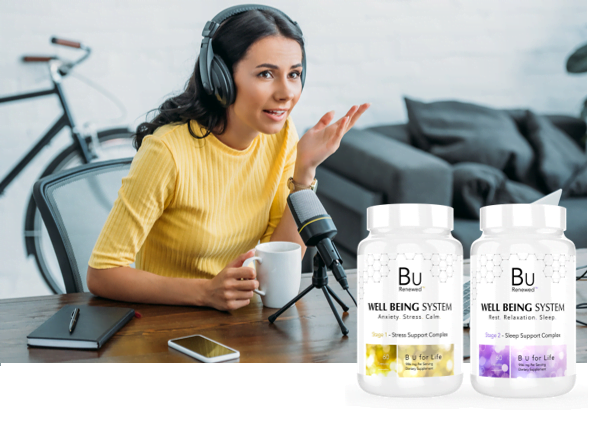
    Natural supplements can be quite effective at improving sleep quality, they should only be used as a small part of a larger strategy. Consider Bu Renewed Well Being System.

    The maintenance of a regular sleep schedule depends heavily on lifestyle choices, which can also greatly enhance the effects of natural supplements. Here, we go into greater detail about these vital routines for improving your sleep hygiene:

    1. Maintain a Consistent Sleep Schedule
      The circadian rhythm is an internal clock that regulates bodily functions. Maintaining a regular sleep schedule aids in synchronizing this internal clock. It is simpler to go to sleep and get up when you want. Even on weekends, try to keep your bedtime and wake time consistent to properly control your circadian cycle.
    2. Create a Relaxing Bedtime Routine
      By creating a relaxing nighttime ritual, you can tell your body when it’s time to relax and get ready for sleep.
    3. Before going to bed, relax by doing something peaceful like reading a book, taking a warm bath, practicing deep breathing, or light stretching. Refrain from engaging in stimulating activities like strenuous exercise or intriguing television shows straight before night.
    4. Optimize Your Sleep Environment
      Your sleeping environment has a big impact on how well you sleep. Make sure your sleeping area is cozy, peaceful, and favorable to relaxation. Think about the following advice:

    Make use of a sturdy mattress and pillows that are comfortable.

    Wear eye masks or blackout curtains to block out unnecessary light.

    Use earplugs or a white noise generator to block out distracting noises.

    Keep the room’s temperature moderate, often between 60 and 67 degrees Fahrenheit (15 and 19 degrees Celsius).

  • How Longevity Supplements Protect Your Joint Health

    How Longevity Supplements Protect Your Joint Health

    How longevity supplements protect your joint health might not be something you’ve thought about until recently. As we age, simple movements like bending, kneeling, or lifting objects onto high shelves can become increasingly difficult. 

    Much of this difficulty has to do with the health of your joints. Your joints are the point where two or more bones meet in your body. They are what provide you mobility during various movements like bending, twisting, and rotating. 

    Protecting your joint health is essential for living a longer, pain free, and more mobile life. So, what can you do to protect your joints for the future?

    Keep reading to learn more about why joint health matters and how longevity supplements can benefit your health now and in the future. 

    Why Joint Health Matters and How Longevity Supplements Protect Your Joint Health

    As we age, our bodies change, and our overall health can deteriorate. Your joint health is no exception. 

    Over time, the tissues in your joints become more stiff and less flexible. Bones become more brittle and more prone to breakage while muscle tissue may deteriorate and become weaker. 

    Being proactive about your joint health by combining a healthy lifestyle with longevity supplements is your best defense against weakening joints and bone tissue. 

    But why is your joint health so important?

    Healthy Joints Reduce Your Risk of Injury

    Fragile joints and bone tissue leave you more prone to serious injury like sprains, fractures, and strains. A tiny slip that might not have been a big deal for you when you were younger, could potentially put you in the hospital when you’re older. 

    Healthy joints support your body and put you at less risk for serious injury incurred from accidents, even a minor one. 

    Healthy Joints Delay Chronic Conditions

    Arthritis and osteoporosis are chronic musculoskeletal conditions that cause pain and inflammation in the bones and joints. These conditions occur more commonly with age as bone and joint health begin to deteriorate. 

    Being proactive about protecting your joint health now can help delay the onset of these conditions and their symptoms, allowing you to maintain your mobility.  

    Healthy Joints Improve Your Quality of Life

    Having good joint health creates a stable foundation. Healthy joints allow you to move more freely and participate in the physical activities you enjoy, like sports, dancing, playing with your grandkids, even walking. 

    Taking care of your joints will allow you to continue doing your favorite activities for longer, which will improve your overall quality of life. 

    Healthy Joints Enable Your Independence

    Your joints play a vital role in your daily movements. The older and frailer you become, the more help you will need taking care of yourself. Being proactive about your joint health now can help prolong your independence in your elderly years. 

    You will be able to continue living the life you want to lead, without relying on the help of assistance.

    Healthy Joints Increase Your Longevity and Reduce Healthcare Costs

    Finally, taking care of your joints can help increase your longevity and reduce your healthcare expenses. Having good joint health reduces your risk of chronic conditions and injuries that can lead to expensive hospital or medical bills. 

    You’ll also be able to maintain a healthier, more active lifestyle which will allow you to live a longer life. 

     Why Longevity Supplements Protect Your Joint Health?

    Joint health is imperative to living a healthy long life, but how do longevity supplements help? 

    First, let’s start with the basics. Dietary supplements are natural nutrients usually consisting of vitamins, minerals, and certain herbs or plants. Your body needs these nutrients to maintain every bodily system from your immune system to your heartbeat. 

    An improper diet, certain medical conditions, and old age can make you more at risk for nutrient deficiency. When your body lacks proper nutrients, it can lead to inflammation, illness, and other potentially serious health consequences. 

    Research shows that there are certain longevity supplements that support joint health. 

    Some of these longevity supplements include the following: 

    Collagen

    Collagen is a natural protein produced by your body and the primary building block of your bones, joints, skin, and other connective tissues. It is also responsible for strengthening and repairing your joints and connective tissues while maintaining skin elasticity.

    However, after age 25, your body produces less and less of this important protein. Decreased collagen production leads to signs of old age like sagging skin, brittle bones, and painful joints. 

    Fortunately, studies show that collagen supplementation has been shown to help repair damaged tissue and decrease joint pain

    Glucosamine

    Glucosamine is another natural compound found in your body that’s primarily responsible for supporting cartilage tissue development. Cartilage tissue protects and lubricates your joints, making it easier for them to move freely without causing you pain. 

    Glucosamine is also an important component of collagen production. Studies show that taking glucosamine supplements for joint pain can reduce pain and improve joint health by preventing the breakdown of cartilage. 

    Chondroitin Sulfate

    Chondroitin sulfate is a chemical found in your cartilage. It’s commonly combined with glucosamine to treat osteoarthritis pain. 

    Chondroitin may help joint health by preventing and slowing down the breakdown of cartilage in people with osteoarthritis. 

    Omega-3 Fatty Acids

    Inflammation can result as a symptom of numerous health conditions and is a common cause of joint pain. Omega-3 fatty acids are polyunsaturated fats or healthy fats, found primarily in fatty fish. 

    They have powerful anti-inflammatory properties that studies show help reduce tender, swollen joints in people with rheumatoid arthritis. 

    MSM

    MSM (methylsulfonylmethane) is an organic compound found in foods like onions, garlic, and green vegetables. It’s been shown to have anti-inflammatory properties and may help joint degeneration.

    Studies show that MSM can improve swelling and stiffness in the joints. These effects may be even greater when combined with glucosamine

    Curcumin

    Curcumin is the main compound in the popular Asian spice, turmeric. The bright orange/yellow spice has been shown to have anti-inflammatory properties that may help reduce overall inflammation in the body.

    However, curcumin supplements rather than turmeric may be more effective for reducing inflammation in your joints. Especially when combined with piperine, or black pepper. 

    Find How Longevity Supplements Protect Your Joint Health

    Most of the longevity supplements above are safe for use for most people and have very little risk of causing negative side effects. 

    Though you can get many of the longevity supplements listed above from your food sources, taking them in supplement form ensures you are getting adequate amounts of each nutrient. 

    Before you purchase any supplement or vitamins for joint pain, do your research. Not all anti-aging supplements are of the same quality, no matter what the label says. Dietary supplements aren’t regulated by the FDA, meaning it’s easy for brands to suggest misleading information on their labels. 

    In some cases, your supplements may contain unknown added ingredients or not be as potent as promised. That’s why it’s best to stick with companies based in the US (overseas supplement market has even less restrictions) that are GMP (Good Manufacturing Process) certified and developed in FDA registered labs. 

    Age Well System (By Bu Renewed): How Longevity Supplements Protect Your Joint Health

    The Age Well System is our two-step anti-aging supplement regimen formulated for promoting energy, vitality, energy and joint health support. Age Well System are multi-nutrient supplements that include many of the longevity supplements listed above, including glucosamine, chondroitin sulfate, curcumin, and MSM. 

    Our two-stage system is designed for older adults who want to preserve their joint health for a happier, pain free body in the future. The Age Well System is to be taken twice per day, once in the morning and once in the evening. 

    Our all-in-one joint health supplement system makes getting the vital nutrients you need to preserve your joints and mobility simpler. Plus, Bu Renewed is GMP certified and works with FDA registered labs to formulate all our products. 

    We take pride in being a US-based company that our customers can trust for quality supplements. Including the Age Well System into your daily health regimen can be an effective and natural first step towards preserving your joints for the future. 

    Other Ways to Preserve Your Joint Health

    Ensuring you’re getting the right vitamins for joints is only part of the solution for maintaining your joint health for the future. The most effective and full-proof way to keep your bones and joints healthy is to combine joint longevity supplements with a healthy lifestyle. 

    This means making healthier choices and adopting healthy habits now that will help preserve your joints and overall health. 

    Exercise Regularly

    Regular exercise is crucial to maintaining overall bodily health, including joint health. 

    Exercise, especially weight bearing or resistance exercise, strengthens the muscles and bones that support your joints. It can also help to improve mobility and decrease stiffness. 

    Additionally, exercise can help with weight loss, which will reduce the weight and strain on your joints. Just be sure to choose joint friendly exercise, like swimming, cycling, or walking. 

    Avoid doing too much impact exercise like running and jumping, which can put strain on your joints and possibly lead to injury. 

    Lose Weight

    As mentioned above, being overweight can over-stress your joints, which could result in injury. 

    Staying within a healthy weight range helps prevent joint damage and reduces your risk of developing arthritis and other joint related problems. Even losing just a few pounds can make greatly improve your joint health if you’re overweight.

    To maintain a healthy weight, stick to a balanced diet full of fresh, non-processed foods and maintain a regular exercise routine. 

    Watch Your Posture

    Poor posture can lead to pain and stiffness in your joints, especially in the neck, back, and knees. Improve your sitting posture by keeping your back straight, your feet flat on the floor, and your shoulders relaxed. 

    When standing upright, avoid locking your knees and distribute your weight evenly between both feet. Good posture can help promote better overall body alignment and decrease any stress on your joints.

    Invest in Comfortable Shoes

    The shoes you wear also make a big difference in your joint health, especially if you spend a lot of time standing. 

    Look for shoes that fit your feet well and offer enough arch support. They should also have plenty of cushioning and shock absorption. Don’t wear impractical shoes like high heels, which can put added pressure on your knee and ankle joints.

    If you have foot problems like bunions or plantar fasciitis, consider getting special orthotic inserts or shoes designed for your condition.

    Get Regular Checkups

    Regular doctor visits are important for maintaining your health, especially as you get older. Ask your doctor to screen for joint conditions and give you advice on how to best protect your joint health based on your individual needs. 

    They can also suggest additional treatments, such as physical therapy or joint injections, if necessary.

    How Longevity Supplements Protect Your Joint Health–The Bottom Line

    Your joint health matters, especially as you age. Protecting your joints now can mean the difference between you needing a walker when you’re a grandparent or being able to pick up your grandkids without assistance. 

    Be proactive about your joint health by considering adding longevity supplements into your health regimen and adopting a healthier lifestyle. 

    Your future self will thank you. 

  • Meet Bryan Johnson – The Man Reversing Aging

    Meet Bryan Johnson – The Man Reversing Aging

    Meet Bryan Johnson – The Man Reversing Aging. While so many of us over the age of 40 are looking for ways to slow down and even stop the hands of time, there are many of us who have become committed to discovering ways to reverse the aging process.  

    We have gained greater insights and understanding with the plethora of research, products and options, we are living in an exciting and pivotal time period.  And, it is only getting better and better.

    One of the best examples is a man who is so passionate and determined to find a way achieve this goal he hires 30 physicians to monitor his bodily functions and oversee his daily anti-aging or reverse aging regimen.  His name is Bryan Johnson. If you are not familiar with him, Bryan Johnson is a 45 year old wealthy software entrepreneur who invented Braintree Venmo, now most commonly known as “Venmo” which he sold to PayPal in 2013 for 800 million dollars.

    Bryan Johnson is the Founder/CEO of Blueprint.  He is considered one of the “world’s most measured humans”.  Dubbed “Project Blueprint”, Johnson has achieved metabolic health equal to the top 1.5% of all 18-year old’s.  His inflammation levels are 66% lower than an average 10-year-old, and the most extraordinary achievement of all is the fact that has reduced his speed of aging by the equivalent of 31 years.  And, all of this has been achieved over the last two years.

    Project Blueprint

    Johnson discusses his purpose behind creating Project Blueprint.  While it appears and it is a program about health, wellness and aging, however, the generation of the system took hold for him as a means to find peace within himself.  He suggests that all humans are prone to self-destructive behaviors such as eating too much and eating the wrong kinds of foods, engaging in drinking excess amounts of alcohol and ingesting other substances.  

    As you might imagine, these practices lead to inadequate sleep and lead to accelerated disease and aging.  Bryan’s idea was to eliminate self-destructive behaviors so he could allow his own body’s organs and biological processes to “speak for themselves” through the act of measurements in order to achieve their ideal state.  He says that he has experienced misalignment of his own health and fitness goals suffering from disruptive sleep and ruining all areas of his life.  He could not stop himself these self-destructive behaviors.  In fact, prior to creating Project Blueprint, Bryan Johnson battled chronic depression and suicidal thoughts.

    He goes on to share that through creating a step-by-step approach of a vegan and caloric intake diet, a supplement regimen and targeted exercises with work out routines.  Bryan Johnson is able to track measurements according to his application of his strict routine.  Johnson states he feels “liberated”.  He says, “I feel happier, more alive and more fulfilled than any other time before”, and, “I am nicer to those around me, no longer irritable and my mind is clear”.

    Johnson shares on his Blueprint website, Blueprint, his protocols and information are made readily available with no fees as he explains his mission is for all of us to achieve peace within ourselves and outside of ourselves so we may connect with the world at large in an effort to become the best possible experience.

    All in all, Bryan Johnson has two years of measuring results and has spent millions of dollars developing Project Blueprint.  Currently he spends two million dollars a year on the study of reverse aging or anti-aging which focuses on using himself to record the results.   The 30 physicians he’s hired are charged to oversee his progress to assist in with each and every test.  

    In 2021, Bryan Johnson reduced his epigenetic (the study of how your behaviors alongside your environment to affect the way your genes work) age by 5.1 years in 7 months setting a world record.  In 2022, he was ranked #1 out of 1,750 people who were tracking their speed of aging.  And, most recently, in 2023, he launched the Rejuvenation Olympics, a leaderboard or competition to assess the rate of speed one ages using DNA in relation to metabolism, cellular growth and tissue repair.  He calls himself a professional rejuvenation athlete. You can sign up to see how you rank, Rejuvenation Olympics

    Daily Supplemental Intake:

    Bryan Johnson consumes 104 supplements daily, vitamins and minerals.  He says his goal is “perfect nutrition”.  His objective is to maximally slow the speed of his biological aging.  His goal is, as one year of chronological time passes; his biological age stays the same.  He is vegan and adheres to a strict caloric daily intake.  And, he logs scientific evidence and measurements with near immediate awareness.

    His results reveal one can be younger than their chronological age through his protocols and processes.

    From what you have gleaned in reading this article focused on anti-aging, slowing the aging process or reversing aging, Bryan Johnson, no doubt, is an extraordinary human being.  

    And, what makes him extraordinary is commitment to learning how to scientifically measure turning the possibilities to probabilities in the subject matter of slowing down the aging process, which, come on, interests most every human living on this planet.  And, the fact he is giving away his secrets and information to help as many people as possible.  He is learning and growing as we are all doing every day which points to a level of humility we can stand to gain through his example.

    All of his research points to how we address neuro brain functions such as memory loss and loss, sleep loss or insomnia, joint flexibility and mobility, as well as, anti-anxiety or stress support. 

    What if you could find a supplement system program which encompasses many and most of the 104 supplements Bryan Johnson takes daily but you only have to take two per day?  That is a pretty easy to answer.  Of course, you would.  

    Many of us have the desires and goals that Bryan has been working towards over the years.  And, Bryan has supercharged and motivated a whole lot of people to action.  However, we may not all be ready to take the steps Bryan has taken to reach the level of anti-aging and reverse aging to the degree he has.  

    Perhaps, it is a matter of time with regards to one’s daily schedule and/or resources which equates to the funding of such an intense program, however, one can still achieve noticeable and satisfying results within a short period of time.  

    Meet Bryan Johnson – The Man Reversing Aging continued..

    There are options available coupled with the invaluable knowledge of Bryan Johnson’s passion Project Blueprint. One now can make immeasurable stride’s to protecting themselves from physical, mental, psychological and spiritual decline. The consequences are due to energy loss, memory loss, joint immobility, anxiety disorders, by replicating a similar approach by following a stellar high grade, fresh, and clean supplement program.  

    Have you ever wondered if there might be a chance you can stop the clock on your aging process?  Have you been living with aches and pains? What would you do to live pain free where what you would love most is to be able to pick up your child, your grandchild, or just be able to carry a bag of groceries from your car into your house without feeling stiff in your knees or straining your ligaments in your back.

    There is a popular term to describe how one improve their capabilities called, “Biohacking”.

    What is Biohacking?  Biohacking is a term which involves a DIY approach to making incremental changes to your body and your mind so you will feel better, be better and live your best life.  

    We are introducing the concept of biohacking for the purpose of allowing one to build their confidence to take small strides with these physical changes.  These are tiny but noticeable changes which will likely stick and become imbedded into a person’s lifestyle easily and effortlessly. 

    For example, intermittent fasting is a form of biohacking.  While this has been around for years, it is a great way to change the body’s DNA and help restore and increase cellular growth and health.  

    Another example of biohacking is the focus of this article, Bryan Johnson and his Project Blueprint program which is slowing down the aging process or reverse aging.  

    We can start making small, incremental changes to our body and brain by introducing a supplement system backed by over 300 individual studies and aligns with Bryan Johnson’s Project Blueprint. 

    As mentioned, Bryan Johnson takes 104 supplements daily.  With three of the most high-grade supplement systems available on the market today, Bu Renewed Age Well SystemWell Being System; and, Stay Sharp System, your body and mind will be boosted to receive the benefits in which over 300 studies have shown can slow down the aging process and, contribute to anti-aging or reverse aging.

    In the Age Well System, Stage 1, it slows aging and cell decline via toxin protection, you look and feel healthier improving your cell and skin aging and it provides energy and alertness, warding off fatigue with better mitochondrial function.  This formula features the power of CoQ10. 

    With the Stage 2 formula offering joint, ligament, vitality and inflammation support to increase your mobility regardless how well you move. In addition, it stimulates weight management lowering inflammation for improved body toning.

    The Well Being System Stage 1 is on hand to have you stay on top no matter what life throws at you.  It supports you to live stress-free and to find your joy in the precious moments of your day.  It helps you with stress support, anxiety and provides calm.  

    Stage 2 allows you to wind down and get a good night’s sleep and to wake up refreshed and ready to start your new day with energy and vitality.

    The Stay Sharp System Stage 1 Neuro Complex elevates your mental clarity.  It is a full-spectrum Nootropic formula. This means the ingredients positivity affects brain function to help with focus, clearing away brain fog, as well as, giving you greater mental energy. You will enjoy confidence of improved verbal fluency and memory recall.  

    Stage 2 formula is the Exec B Complex for ongoing cognitive support to keep you sharper for longer.  It is an advanced vitamin and mineral nutrient stack with focus on providing long-term brain health benefits to you mentally faster and sharper for longer periods of time.  The Stay Sharp System will have you feeling happy, calm and in control.

    At the heart of Bu Renewed is its founder, Heidi Beyer, a successful entrepreneur with a passion for helping others refine their mind and body to create ease and effortlessness in their daily lives.  

    By incorporating simple approaches to self-care such as providing your body and mind with valuable plants, vitamins and minerals, you position yourself to be in control of you rather than not being prepared for circumstances which may arise.   

    Whether you are experiencing being overwhelmed or stress, how do you not get down on yourself for not making the best choices in the moment?  The key is how do you allow yourself to just do the best you can in any given situation.  

    If, for example, you find yourself in a bit of physical pain, what is the easiest thing you can do for yourself?  Perhaps, it’s as simple pouring yourself a glass of water or calling a friend to see how they are doing today. If you distract yourself from yourself, from your mind, the pain will dissolve.  

    Bu Renewed Age Well System, Well Being System and Stay Sharp System supports and nourishes your body and mind to be their optimal self.  Be your best self. Meet Bryan Johnson – The Man Reversing Aging. He has encouraged many people in their quest for finding “the fountain of youth”.  May you be inspired to change your life.  You are worth it.

  • Set Your Bedroom Up For Sleep

    Set Your Bedroom Up For Sleep

    Set your bedroom up for sleep is the key to a good night’s rest and you create a tranquil path to allow your body and mind a chance to reset.  

    In this article, we are going to discuss the importance of sleep, how to achieve the best results, the consequences of sleep deprivation, and the best supplements promoting relaxation and better sleep, and, lastly, we are going to share with you 40 tips you can easily integrate to set your bedroom up for sleep.

    Sleep is an essential pillar of overall health and well-being, impacting every aspect of our lives from our physical health to cognitive function, mood, and productivity. However, the modern lifestyle, characterized by stress, anxiety, and a fast-paced environment, often disrupts our natural sleep patterns and leaves us struggling with sleep problems.

    The consequences of poor sleep can extend beyond groggy mornings; they can lead to serious health issues and reduced quality of life. In this article, we’ll explore effective ways to set yourself up for restorative sleep and delve into the benefits of various supplements known for their sleep-promoting properties.

    The Importance of Sleep

    Before delving into the strategies and supplements that can help you achieve better sleep, let’s briefly touch on why sleep is so crucial.

    Sleep is not just a period of inactivity; it’s a complex physiological process that allows our bodies and minds to rejuvenate and repair.

    During sleep, our brain consolidates memories, regulates mood, and helps us process emotions. Additionally, sleep plays a pivotal role in immune system function, hormone regulation, and maintaining a healthy metabolism.

    Calming the Mind: Addressing Anxiety for Better Sleep

    Anxiety is a significant contributor to sleep problems. Racing thoughts, worries, and stressors can keep us awake at night, preventing us from entering the restorative phases of sleep. To set yourself up for sleep success, consider adopting these calming techniques:

    1. Mindfulness and Meditation: Engaging in mindfulness practices can help reduce anxiety and improve sleep quality. Techniques like deep breathing, progressive muscle relaxation, and guided meditation can promote a sense of calm before bedtime.
    2. Create a Relaxing Bedtime Routine: Establishing a pre-sleep routine signal to your body that it’s time to wind down. This might include activities like reading a book, taking a warm bath, or practicing gentle yoga.
    3. Limit Screen Time: The blue light emitted by screens can interfere with the production of melatonin, a hormone that regulates sleep. Aim to reduce screen time at least an hour before bed.
    4. Journaling: Writing down your worries and thoughts before bed can help clear your mind and reduce anxiety.

    The Consequences of Sleep Deprivation

    Chronic sleep problems can lead to a host of health issues, including:

    • Cardiovascular Problems: Lack of sleep has been linked to an increased risk of heart disease, high blood pressure, and stroke.
    • Obesity: Sleep deprivation can disrupt hormones that regulate appetite, leading to overeating and weight gain.
    • Mental Health Disorders: Sleep problems can contribute to the development of mood disorders such as depression and anxiety.
    • Cognitive Impairment: Poor sleep can impair cognitive function, leading to difficulties in concentration, memory, and decision-making.

    Exploring Sleep-Promoting Supplements

    In addition to adopting healthy sleep habits, certain supplements have gained popularity for their potential to promote sleep and relaxation. Let’s explore some of these supplements and their benefits:

    1. Melatonin: Melatonin is a hormone that regulates sleep-wake cycles. Taking melatonin supplements can help reset your internal clock and improve sleep quality.
    2. Vitamin B Complex: B vitamins play a role in various bodily functions, including neurotransmitter production. Adequate B vitamin levels are essential for maintaining a healthy sleep cycle.
    3. Valerian Root: Valerian root has been used for centuries as a natural remedy for sleep disorders. It may help reduce the time it takes to fall asleep and improve sleep quality.
    4. Chamomile: Chamomile is known for its calming properties. Drinking chamomile tea before bed can help induce relaxation and prepare your body for sleep.
    5. Natural Nootropics: Nootropics like ashwagandha, L-theanine, and rhodiola extract have adaptogenic properties that can help the body manage stress and anxiety, indirectly promoting better sleep.
    6. Lemon Balm: Lemon balm is an herb with mild sedative effects. It may help reduce restlessness and promote a sense of calm.
    7. GABA (Gamma-Aminobutyric Acid): GABA is a neurotransmitter that inhibits brain activity. Taking GABA supplements may help calm the mind and improve sleep quality.
    8. Lutein: Lutein is known for its role in eye health, but it also has antioxidant properties that may contribute to better sleep quality.
    9. 5-HTP (5-Hydroxytryptophan): 5-HTP is a precursor to serotonin, a neurotransmitter that regulates mood and sleep. It may help improve sleep patterns and reduce anxiety.
    10. Passion Flower: Passion flower has been used as a natural remedy for anxiety and insomnia. It may help relax the mind and induce sleep.
    11. Goji: Goji berries are rich in antioxidants and may support overall well-being, indirectly benefiting sleep quality.
    12. St. John’s Wort: St. John’s Wort is often used to manage mild to moderate depression, which can impact sleep. Improved mood can lead to better sleep patterns.
    13. L-Taurine: L-Taurine is an amino acid that may have a calming effect on the nervous system, potentially aiding sleep.
    14. Inositol: Inositol, a B-vitamin-like substance, may help regulate neurotransmitters and support healthy sleep patterns.
    15. L-Tryptophan: L-Tryptophan is an amino acid that is a precursor to both serotonin and melatonin, making it essential for sleep regulation.
    16. Hops: Hops, commonly known for their use in brewing, have mild sedative effects and can contribute to better sleep quality.

    Creating Your Ideal Sleep Environment

    In addition to incorporating supplements and anxiety-reduction techniques, it’s essential to create an optimal sleep environment. According to the National Sleep Foundation, consider the following tips:

    • Comfortable Bedding: Invest in a comfortable mattress and pillows that support your preferred sleeping position.
    • Darkness: Keep your bedroom as dark as possible to enhance melatonin production.
    • Cool Temperature: A cooler room temperature is generally conducive to sleep. Aim for around 65°F (18°C).
    • Quietness: Minimize noise disturbances with earplugs or white noise machines.
    • Limit Caffeine and Alcohol: Avoid caffeine and alcohol close to bedtime, as they can disrupt sleep.

    As stated, creating an ideal sleep environment is essential for promoting restful nights and improving sleep quality.  

    40 Tips to Help You Create a Sleep-Conducive Space:

    Comfortable Bedding:

    1. Invest in a quality mattress and pillows that support your preferred sleeping position.

    2. Choose sheets and blankets that provide the right level of warmth and comfort.

    Darken the Room:

    3. Use blackout curtains or shades to block out external light sources.

    4. Cover LED displays on electronics or use masking tape to dim them.

    Maintain Optimal Temperature:

    5. Keep the room cool and well-ventilated, around 65°F (18°C) for most people to set your bedroom up for sleep.

    6. Use breathable fabrics for sheets and sleepwear to regulate body temperature.

    Reduce Noise Disturbances:

    7. Use white noise machines or apps to mask disruptive sounds.

    8. Earplugs can help block out unwanted noise if needed.

    Declutter Your Space:

    9. Keep your bedroom tidy and organized to create a calming atmosphere.

    10. Remove work-related items or reminders of stress from the bedroom.

    Limit Electronics:

    11. Avoid screens at least an hour before bedtime, as the blue light can interfere with melatonin production.

    12. If you must use screens, consider using blue light filters on devices.

    Choose Soothing Colors:

    13. Opt for calming, neutral colors in your bedroom décor.

    14. Avoid bright or stimulating colors that may hinder relaxation.

    Soft Background Sounds:

    15. Choose soft music to calm your mind is an essential element to set your bedroom up for sleep.

    16. Listen to a meditation app to relax your body and your mind

    Aromatherapy:

    17. Use essential oils like lavender, chamomile, or bergamot in a diffuser to promote relaxation.

    18. Experiment with scents that have a calming effect on your mood.

    Dim the Lights:

    19. Use soft, warm-colored lighting in the evening to signal to your body that it’s time to wind down.

    20. Consider using bedside lamps with adjustable brightness levels, an excellent way to set your bedroom up for sleep.

    Create a Bedtime Routine:

    21. Develop a consistent pre-sleep routine to signal your body that it’s time for rest.

    22. Engage in relaxing activities like reading, stretching, or meditation.

    Banish Clock Watching:

    23. Turn clocks away from your line of sight to prevent clock-watching anxiety.

    24. Reduce the focus on time to avoid stressing about how long you’ve been awake.

    Unplug from Work:

    25. Keep work-related items out of the bedroom to separate work from sleep.

    26. Avoid checking work emails or tasks right before bed.

    Limit Fluid Intake:

    27. Reduce the intake of liquids close to bedtime to minimize nighttime awakenings for bathroom trips.

    Create a Wind-Down Zone:

    28. Make your bedroom a dedicated space for relaxation and sleep.

    29. Avoid engaging in stimulating or stressful activities in the bedroom.

    Comfortable Sleepwear:

    30. Wear loose, comfortable sleepwear that doesn’t restrict movement or cause discomfort.

    Practice Gratitude:

    31. Spend a few minutes before sleep reflecting on positive aspects of your day to promote a sense of contentment.

    Sleep-Friendly Scents:

    32. Use scented candles or sachets with sleep-inducing fragrances to create a soothing atmosphere.

    Limit Bedroom Activities:

    33. Reserve the bedroom for sleep and intimacy only, avoiding activities like work or watching TV.

    Manage Allergens:

    34. Regularly clean and dust your bedroom to reduce allergens that might disrupt sleep.

    Consider Room Plants:

    35. Some plants, like lavender and jasmine, can contribute to a relaxing environment and improve air quality.

    Soft and Cozy Bedding:

    36. Opt for soft, high-quality bedding materials that feel pleasant against your skin.

    Reduce Anxiety Triggers:

    37. Remove or minimize items that trigger stress or anxiety from your bedroom.

    Invest in Blackout Shades:

    38. Install blackout curtains or shades to block out external light sources that might disrupt sleep.

    Mindful Breathing:

    39. Practice deep breathing exercises to calm your mind and prepare for sleep.

    Limit Food Before Bed:

    40. Avoid heavy, spicy, or rich foods close to bedtime to prevent discomfort and indigestion.

    Creating an ideal sleep environment and setting your bedroom up for sleep involves making intentional choices that promote relaxation and restfulness. By incorporating these tips, you can enhance your sleep quality and wake up feeling refreshed and rejuvenated each morning.

    Bu Renewed Well Being System with its Stage 1 Stress Support Complex and Stage 2, Sleep Support Complex is designed for to help you improve your sleep state, reduce anxiety and promotes calm and relaxation.  Packed with the freshest and highest-grade ingredients available on the market today, you will feel whole and in control ready to tackle whatever comes your way.

    Pair this with the Stay Sharp System, Stage 1 Neuro Complex is a full spectrum Nootropic and Choline to elevate your mental acuity everyday, all day long. Anxiolytics lowers stressors to help you increase memory, focus and clarity.

    Stage 2, Exec-B Complex is an advanced vitamin and mineral nutrient stack. Its advanced formula puts the focus on providing long-term brain health benefits to keep you mentally faster and sharper – for longer. Additionally, it provides anti-aging and vitality, mood and anti-stress.

    Conclusion

    Set your bedroom up for sleep and making this a priority, is a vital component of maintaining overall health and well-being. By incorporating calming techniques, adopting healthy sleep habits, and considering sleep-promoting supplements, you can set yourself up for restful nights and reap the benefits of improved mood, cognitive function, and physical health.

    Remember that individual responses to supplements may vary, and it’s always a good idea to consult with a healthcare professional before introducing new supplements into your routine. With the right strategies and a commitment to self-care, you can pave the way to a more tranquil and restorative sleep experience.