
Tag: anti-stress

  • The Loneliness Epidemic

    The Loneliness Epidemic

    The loneliness epidemic is real and shared by the masses today. Greetings, fellow explorers of the chaos that is modern life. We are going to study the many effects of the loneliness epidemic on mental, emotional, and physical well-being. Discover insights into the dark corners of loneliness and the potential of supplements to improve general health.

    Have you ever experienced that sneaky sensation of loneliness trying to gatecrash the party of your existence? That awkward plus one that wasn’t invited but somehow managed to sneak in anyway? 

    What is This Loneliness Epidemic?

    Again, welcome to the loneliness epidemic! Well, it’s time to put on our detective hats because we’re about to uncover the mystery of loneliness.

    It’s not just a mood, it’s practically a ninja infiltrating our mental, emotional, and even physical spaces.

    What Is This Loneliness Epidemic Like?

    Imagine this: we’re all speeding through life, drowning in digital noise, but loneliness is like, “Hey, I’m still here, guys!” 

    It’s the unexpected plot twist in our busy lives, messing with our minds, casting shadows on our emotions, and even slyly affecting our physical well-being.

    This isn’t just another story about feeling a bit down on a Friday night; it’s an epic journey into the heart of loneliness. 

    We’ll discover its secret hideouts in our minds, navigate its emotional rollercoaster, and explore its unexpected impact on our overall health.

    Spoiler alert: it’s a lot more complex than just being the odd one out at a party.

    But here’s the exciting part – we’re not just playing detectives; we’re also highlighting a potential superhero in this tale. 

    Move over, caped crusaders; enter supplements! Yes, those tiny wonders that might just be the sidekicks we need to boost our well-being and defeat loneliness once and for all.

    So, buckle up for this wild ride through the weird and wonderful world of loneliness. It’s not just a mood; it’s a whole adventure, and we’re on a mission to find the laughs, the lessons, and maybe a few surprises hidden in the lonely corners of life. Grab your snacks; it’s going to be a hilarious, heartwarming, and health-boosting journey! 

    Loneliness: A Silent Predator

    The consequences of this loneliness epidemic, often dismissed as a fleeting emotion, are proving to be far-reaching and long-lasting.

    Despite living in a society that appears to be more connected than ever, the epidemic of loneliness is on the rise, leaving many individuals feeling isolated and disconnected. 

    The effects of loneliness go beyond mere solitude, affecting our mental, emotional, and physical well-being and shaping our daily experiences. 

    This issue is particularly prevalent among those over the age of 40, with a significant percentage reporting feelings of loneliness and social isolation.

    The statistics are alarming, underscoring the need for greater awareness and support for those struggling with loneliness.

    The Complex Riddle of Loneliness

    Understanding the challenging territory of loneliness involves examining what could be appropriately characterized as “the complex riddle of loneliness.”

    Loneliness, which is commonly mistaken as a short-term feeling, appears in various ways in the mind, impacting cognitive functions and emotional health.

    Study the many effects of the loneliness epidemic on mental, emotional, and physical well-being.

    Discover insights into the dark corners of loneliness and the potential of supplements to improve general health.

    How Loneliness Affects the Human Brain

    The cognitive landscape is overshadowed by loneliness, which has a profound influence on how individuals perceive and engage with the world.

    Numerous scientific studies consistently demonstrate that chronic loneliness leads to changes in both the structure and function of the brain.

    These alterations can affect areas responsible for social cognition, emotional regulation, and decision-making, thereby contributing to a wide range of cognitive difficulties.

    Still Doubting The Impact Of Loneliness Epidemic?

    Of particular significance is the impact of loneliness on individuals over the age of 40, who may already be experiencing the natural aging process.

    Loneliness has been found to accelerate cognitive decline and increase the risk of conditions such as dementia and Alzheimer’s disease.

    As the mind craves connection and stimulation, the absence of meaningful social interactions can further exacerbate cognitive challenges.

    Loneliness not only affects our emotions, but also leaves a lasting imprint on our brains. Scientific research has established a clear link between loneliness and changes in brain structure and function. Areas associated with social cognition and emotional regulation bear the brunt of loneliness, potentially paving the way for mental health issues.

    Bridging the Gap of Loneliness Epidemic: Exploring the Connection between Social Interaction and Cognitive Health

    As social beings, our cognitive functions thrive on interactions with others.

    The loneliness epidemic disrupts this natural flow, leading to cognitive decline and an increased risk of conditions like dementia and Alzheimer’s disease. 

    The importance of social engagement in maintaining a sharp mind becomes evident, emphasizing the need to address loneliness in our lives.

    In a society where virtual connections abound, the paradox of loneliness becomes even more complex.

    The constant digital chatter, while providing a semblance of connection, often lacks the depth and authenticity required to alleviate true loneliness. 

    Virtual interactions, though abundant, may not fill the void left by the absence of meaningful face-to-face connections.

    As individuals over 40 navigate the intricacies of their personal and professional lives, addressing the loneliness epidemic requires a nuanced understanding of its multifaceted impact.

    Beyond the statistics lie real stories of individuals yearning for genuine connections, seeking to bridge the gap between the virtual and the tangible.

    Exploring Loneliness and its Influence on Mood: A Journey on the Emotional Rollercoaster

    Loneliness encompasses more than just being alone; it is a turbulent emotional journey that can heighten feelings of sorrow, unease, and hopelessness. 

    The emotional toll of loneliness is not solely a result of being isolated, but rather it is deeply intertwined with how individuals perceive their social bonds. 

    For individuals who are over the age of 40 and may be experiencing significant life changes such as retirement or shifts in family dynamics, the emotional burden of loneliness can be particularly pronounced.

    Feelings of rejection, inadequacy, or a sense of disconnection from the world can amplify existing emotional vulnerabilities.

    Recognizing the emotional aspects of loneliness is crucial in addressing its impact on mental well-being. 

    Exploring strategies to cultivate emotional resilience and nurturing meaningful connections can become indispensable tools in navigating the complex labyrinth of loneliness.

    Learn more: WHO on Reducing Social Isolation and Loneliness

    The Isolated Body: Implications of Loneliness on Physical, Mental, and Emotional Well-being

    Loneliness has a profound impact on our overall well-being, affecting not only our mental and emotional states but also our physical health. 

    Studies have linked loneliness to a range of health issues, including compromised immune systems and increased inflammation. 

    It is important to take a holistic approach to health that addresses both the emotional and physical aspects of loneliness. 

    While loneliness is a common feeling, prolonged loneliness can lead to a range of symptoms that extend beyond feelings of solitude. This is especially true for individuals over 40 who may face unique life transitions and societal shifts.

    Recognizing and addressing the physical, mental, and emotional symptoms of loneliness is crucial for maintaining overall health and well-being.

    Overlooked Aspects of Loneliness Epidemic

    Here are some overlooked aspects of loneliness epidemic that warrant further exploration:

    1. Physical Exhaustion and Discomfort:

    Loneliness can have a physical impact on the body, leading to exhaustion and even bodily discomfort.

    The chronic stress that comes with loneliness can cause muscle tension, resulting in physical discomfort.

    People over the age of 40 may experience unexplained fatigue or persistent bodily discomfort as a result of prolonged loneliness.

    2. Weakened Immune System:

    Loneliness has been linked to changes in immune function, which can make individuals more susceptible to illnesses.

    Those who are unaware of this connection may experience frequent illnesses or a prolonged recovery from common ailments, which could be indicative of the broader impact of loneliness on the body’s ability to fight off infections.

    3. Sleep Disturbances:

    Loneliness can disrupt sleep patterns, leading to difficulty falling asleep or staying asleep.

    People over the age of 40 may experience an increase in insomnia or restless nights, which, when linked to loneliness, can perpetuate a cycle of emotional and physical vulnerability.

    4. Cognitive Decline:

    Loneliness can have a cognitive impact beyond feelings of sadness, potentially leading to cognitive decline.

    Studies suggest that chronic loneliness is associated with an increased risk of conditions like dementia and Alzheimer’s disease. 

    Memory lapses or difficulties concentrating may be subtle signs of the cognitive toll loneliness can take.

    5. Elevated Stress Hormones:

    Loneliness can trigger the release of stress hormones, including cortisol, which, when chronically elevated, can contribute to a range of health issues.

    People over the age of 40 may not realize that persistent feelings of loneliness could be linked to an overactive stress response, potentially affecting both mental and physical well-being.

    6. Impact on Heart Health:

    Loneliness has been associated with negative effects on cardiovascular health, including an increased risk of heart disease and hypertension.

    The subtle symptoms of loneliness, such as palpitations or a feeling of unease, can indicate its impact on the heart.

    7. Influence on Thought Patterns:

    Loneliness can contribute to negative thought patterns, leading to self-doubt, pessimism, and a sense of unworthiness.

    While individuals over 40 may not immediately recognize these thought patterns as stemming from loneliness, acknowledging the connection is crucial in addressing the emotional aspects that contribute to mental health challenges.

    8. Social Withdrawal:

    An often overlooked symptom of loneliness is social avoidance.

    Those experiencing loneliness may unintentionally distance themselves from social interactions, perpetuating a cycle of isolation. 

    For individuals over 40, this can result in missed opportunities for connection and support, further intensifying the emotional impact of loneliness.

    Ways to Overcome Loneliness

    1. Enhancing Wellness: Supplements for a Healthy Body and Mind:

    Supplements are being recognized as potential companions in the pursuit of overall wellness.

    Various supplements, such as omega-3 fatty acids that promote brain health and vitamin D that assists in regulating mood, hold the potential to alleviate the impact of loneliness on our physical well-being.

    By delving into the realm of these supplements within the context of loneliness, valuable perspectives can be gained to develop a comprehensive approach towards maintaining good health.

    Read more: Mayo Clinic on Overcoming Loneliness

    Explore: Stay Sharp System – Bu Renewed

    The Link Between Omega-3 Fatty Acids and Mental Health

    Studies have shown that omega-3 fatty acids, which are commonly found in fish oil, can have a positive impact on the health of our brains.

    These supplements have been found to improve cognitive function and even alleviate symptoms of depression. 

    Therefore, incorporating omega-3 fatty acids into our daily routine could be a valuable tool in combating feelings of loneliness.

    The Importance of Vitamin D in Boosting Mood

    When we are feeling lonely, a little bit of sunshine can go a long way. Vitamin D, often referred to as the “sunshine vitamin,” plays a crucial role in regulating our mood. 

    Research has shown that there may be a link between vitamin D deficiency and feelings of loneliness.

    Therefore, it is important to consider the potential benefits of getting some sunlight or taking vitamin D supplements to help brighten our mood.

    • Physical Activity:

    Regular physical exercise not only contributes to one’s physical well-being but also plays a vital role in promoting mental health.

    By actively participating in activities such as walking, jogging, or joining fitness classes, individuals can experience an uplifted mood and a decrease in feelings of isolation.

    Strategies for Alleviating Loneliness: Building Meaningful Relationships

    Actively seeking and participating in social interactions is a potent remedy for combating loneliness.

    For individuals aged 40 and above, this may involve joining clubs, community groups, or engaging in activities that align with personal interests. 

    By establishing connections through shared hobbies, not only can companionship be found, but also a platform for meaningful interactions can be created.

    The establishment and maintenance of meaningful connections are fundamental in the battle against loneliness. 

    It is important to actively seek out social interactions that resonate with personal interests and values. 

    Joining clubs, participating in community activities, or attending events that provide opportunities for genuine connections can be immensely beneficial.

    Shared experiences and common interests serve as the foundation for enduring relationships, offering protection against the isolating impact of loneliness.

    While face-to-face interactions hold immeasurable value, digital platforms offer additional avenues for connection, particularly in a world where virtual communication is prevalent.

    Engaging in online communities, forums, or social media groups that revolve around personal interests allows individuals to forge connections and expand their social network.

    Contributing to the community through volunteer work not only instills a sense of purpose but also facilitates social connections. 

    For individuals aged 40 and above, utilizing skills and experiences in volunteer activities can be fulfilling and create opportunities to meet like-minded individuals.

    • Cultivating Mindful Habits: Fostering Inner Bonds

    Loneliness often arises when individuals lose touch with their inner selves.

    By incorporating mindful practices like meditation and journaling, individuals can reconnect with themselves and nurture a stronger sense of self-connection.

    The integration of mindfulness into daily routines can have a profound impact on mental well-being.

    Mindfulness encourages individuals to stay fully present in the present moment, cultivating an awareness of their thoughts and emotions without any judgment.

    Engaging in activities such as meditation, deep breathing exercises, and mindful walking can provide a break from the overwhelming thoughts associated with loneliness, promoting a sense of tranquility and centeredness.

    • Therapeutic Interventions:

    Professional support through counseling or therapy can be instrumental in navigating the mental maze of loneliness.

    Therapists can provide a safe space to explore and address the underlying emotional and cognitive aspects of loneliness, offering tailored strategies for coping and personal growth. 

    Cognitive-behavioral strategies empower individuals to identify and challenge negative thought patterns associated with loneliness. Engage in self-reflection to recognize distorted thinking, replacing it with more balanced and realistic perspectives.

    Cognitive-behavioral therapy (CBT) techniques, whether self-guided or with the assistance of a mental health professional, can be effective in reshaping the mental landscape.

    Embracing positive psychology principles involves focusing on strengths, gratitude, and positive experiences.

    Keeping a gratitude journal, practicing optimism, and incorporating positive affirmations into daily routines can shift the mindset away from loneliness towards a more optimistic outlook.

    • Approach Social Technology with Mindful Consideration

    While technology can bridge geographical gaps and connect individuals globally, its impact on mental well-being is nuanced.

    Embrace social media and online platforms mindfully, using them as tools for positive engagement rather than sources of comparison or isolation.

    Joining online communities centered around hobbies or shared experiences can be a constructive way to foster connections.

    Conclusion

    In order to foster a comprehensive approach to well-being, it is crucial for individuals over 40 to understand the multifaceted impact of loneliness.

    Loneliness extends beyond the emotional realm and can manifest in physical, mental, and emotional symptoms.

    By recognizing the subtle signs and addressing the various aspects of loneliness, individuals can embark on a journey towards resilience and connectedness.

    Loneliness disrupts the harmony of well-being, affecting our minds, emotions, and bodies. However, supplements can serve as valuable instruments in this composition, supporting both mental and physical health. 

    The strategies mentioned above provide a comprehensive approach to strengthening mental well-being in the face of loneliness.

    It is important to acknowledge that the path to resilience is unique for each individual.

    By combining these strategies according to personal preferences and circumstances, individuals over 40 can lead a more enriched and connected life.

    By proactively adopting these approaches, they can navigate the challenges of loneliness and cultivate a robust mental well-being that can withstand the complexities of the modern world.

    As we navigate the complexities of modern life, it is crucial not to underestimate the power of connection – both with others and with ourselves.

    In the pursuit of well-being, a combination of social engagement, mindful practices, and supplement support can create a harmonious melody that resonates with the 40+ demographic, guiding them towards a vibrant, connected, and well-nourished life.

  • The Transformative Power of Positive Affirmations

    The Transformative Power of Positive Affirmations

    The transformative power of positive affirmations stand as pillars of personal development. They possess a remarkable ability to shape the human mind, transform perceptions, and alter life’s trajectory. These concise yet potent statements have garnered attention for their capacity to catalyze change in our lives, fostering happiness, joy, and overall satisfaction. 

    Understanding Positive Affirmations 

    Positive affirmations are short, powerful statements which are aimed at fostering a positive mindset and reshaping one’s beliefs and attitudes. These affirmations, when consistently practiced, aid in rewiring the subconscious mind, instilling constructive beliefs and attitudes. While the concept might seem simplistic, the effects can be profound. 

    The underlying principle is rooted in the notion that the mind is incredibly receptive to the words and thoughts we feed it. By consistently and intentionally affirming positive beliefs, individuals can reprogram their minds and steer their thoughts towards optimism, resilience, and success. 

    Influence on Life and Mindset 

    The impact of positive affirmations on our lives and mindsets is both intricate and far-reaching. They create a ripple effect that touches various aspects of our existence: 

    1. Mindset Reinforcement: 

    Affirmations serve as mental reinforcement. They counteract negative self-talk and self-doubt, enabling individuals to reframe their perspectives and instill confidence in their abilities. 

    2. Enhanced Self-Esteem and Confidence: 

    Through affirmations, individuals bolster their self-esteem, fostering a greater sense of self-worth and confidence in their capabilities. 

    3. Stress Reduction and Emotional Balance: 

    Positive affirmations aid in managing stress and promoting emotional balance, offering a more resilient approach to life’s challenges. 

    4. Increased Motivation and Goal Attainment: 

    By nurturing a positive mindset, affirmations stimulate motivation, propelling individuals towards their goals. 

    5. Improved Relationships: 

    Affirmations can impact interpersonal relationships by fostering a more positive and empathetic outlook, thereby improving connections with others. 

    The Synergy Between Affirmations and Brain Health Supplements 

    While the transformative power of affirmations is profound, combining these practices with brain health supplements can further enhance the process of positive change.

    Brain health supplements support cognitive function, focus, and emotional well-being, synergizing with affirmations to optimize mental health and overall well-being. 

    1. Focus and Clarity Supplements: 

    Supplements targeting focus and clarity support mental sharpness, concentration, and cognitive performance. When coupled with affirmations, they aid in reinforcing a clear and focused mindset, helping individuals stay on track with their goals and intentions. 

    2. Mood Supplements: 

    Mood supplements play a crucial role in regulating emotions and promoting a balanced mental state. When combined with affirmations, they fortify the mind against negativity, fostering a more stable and positive emotional landscape. 

    3. Anti-Anxiety Supplements: 

    Anxiety supplements alleviate stress and anxiety, promoting relaxation and tranquility. When used alongside affirmations, they create a robust defense against anxious thoughts, fostering a calmer and more composed state of mind. 

    The Symbiotic Relationship: Affirmations and Supplements 

    The amalgamation of positive affirmations and brain health supplements creates a symbiotic relationship, reinforcing and amplifying their individual benefits. While affirmations sow the seeds of positive change, supplements act as catalysts, augmenting the process by providing the necessary nutrients and support for a healthier, more resilient mind. 

    1. Amplified Cognitive Function: 

    The combination enhances cognitive functions, promoting sharper focus, memory, and overall mental agility, allowing individuals to absorb affirmations more effectively. 

    2. Heightened Emotional Resilience: 

    The symbiosis between affirmations and supplements creates a shield against negative emotions, fortifying emotional resilience and promoting a more positive outlook on life. 

    3. Accelerated Personal Growth: 

    This synergy expedites personal growth by fostering a healthier mental state, empowering individuals to embrace change and work towards becoming the best version of themselves. 

    Embracing the Best Version of Yourself 

    Ultimately, the fusion of positive affirmations and brain health supplements is a powerful tool for self-improvement. According to the NIH, self-affirmation results in positive valuations of self and positive changes to the brain systems. It’s important to note that the key to reaping their benefits lies in consistency and dedication. This practice isn’t an overnight miracle but a journey towards self-empowerment and self-actualization. 

    Positive affirmations stand as lighthouses in the vast sea of personal development, guiding individuals toward a more fulfilling and joyful existence. These succinct, powerful statements have the remarkable ability to reshape the mind and influence one’s life positively. Their effects are far-reaching, impacting various aspects of life and fostering a mindset conducive to happiness, confidence, and productivity. 

    Unveiling the Essence of Positive Affirmations 

    The principle underlying their efficacy lies in the belief that our thoughts shape our reality. By intentionally repeating positive statements, individuals can reprogram their subconscious, thereby altering their perceptions and responses to the world around them. 

    Methods of Positive Affirmations 

    1. Verbal Affirmations: 

    Speaking affirmations aloud allows individuals to hear and internalize these positive messages. For instance, phrases like “I am capable and resilient” or “I attract positivity and abundance” can reinforce a mindset of strength and optimism. 

    2. Written Affirmations: 

    Jotting down affirmations in a journal or on sticky notes around living or working spaces keeps these positive messages in constant view, serving as daily reminders. Examples include “I am worthy of success” or “I am grateful for every experience in my life.” 

    3. Visualization: 

    Pairing affirmations with visualization techniques helps in manifesting desired outcomes. For instance, visualizing oneself achieving a goal while affirming “I am successful and deserving of all good things” can be a powerful combination. 

    4. Meditation and Affirmation Practices: 

    Incorporating affirmations into meditation or mindfulness practices amplifies their impact. During meditation, repeating affirmations like “I am at peace with myself and the world” can deeply influence one’s state of mind. 

    Dr. Daniel Amen offers a number of tips on how to maintain a positive mindset on a daily basis. 

    The Impact of Positive Affirmations on Life 

    The influence of positive affirmations extends across various domains: 

    1. Enhanced Self-Confidence and Belief: 

    Regularly practicing affirmations builds confidence and self-belief, fostering a more optimistic and resilient outlook. 

    2. Improved Emotional Well-being: 

    Affirmations contribute to emotional balance by reducing stress and anxiety, creating a more stable emotional landscape. 

    3. Increased Productivity: 

    When one feels better and is happier, they tend to be more productive. A positive mindset nurtured by affirmations encourages a focus on goals and tasks, fostering a more productive and accomplished life. 

    4. Wholeness and Confidence: 

    Affirmations help individuals feel more complete and confident in their abilities, aligning their actions with their true selves and aspirations. 

    Synergy Between The Transformative Power of Positive Affirmations and Brain Health Supplements 

    The integration of brain health supplements further amplifies the benefits of positive affirmations. Supplements aimed at cognitive function, mood regulation, and stress management complement the practice of affirmations, fostering a holistic approach to well-being. 

    1. Cognitive Function Support: 

    Supplements enhancing cognitive function aid in mental clarity and focus, fortifying the mind to absorb and internalize affirmations more effectively. 

    2. Mood Stabilization: 

    Mood supplements contribute to emotional stability, aligning with affirmations to promote a more positive and resilient emotional state. 

    3. Stress and Anxiety Management: 

    Supplements targeting stress and anxiety relief provide the necessary support to counter negative emotions, synergizing with affirmations to foster a calmer and composed state of mind. 

    Achieving Wholeness and Well-being 

    The amalgamation of positive affirmations and brain health supplements paves the way toward a more complete and fulfilling life. By consistently nurturing a positive mindset and providing the brain with essential support, individuals can progress towards a more holistic sense of well-being. 

    The Path to Unveiling Your Best Self 

    Embracing the synergy of affirmations and supplements is a journey toward self-empowerment and self-realization. The consistent practice of affirmations, supported by brain health supplements, acts as a compass guiding individuals towards their best selves. 

    One of the most effective supplement systems on the market today is the Bu Renewed Stay Sharp System. The Stay Sharp System features the most potent and the highest quality vitamins, minerals and herbs to support mood, brain fog, focus and clarity.  

    Positive affirmations are powerful tools that wield immense influence over our thoughts and emotions. They have the potential to shape our mindset, leading to a more fulfilling and positive life. But what if we could enhance this process through the aid of a vitamin supplement program?

    The blend of positive affirmations and brain health supplements is a transformative force, propelling individuals towards a life brimming with satisfaction and contentment. Through this harmonious union, individuals can rewrite their narratives, embrace their true selves, and craft a reality that resonates with joy, confidence, and fulfillment. This comprehensive approach to personal growth offers a roadmap towards a life of abundance and wholeness. 

    The Science Behind Brain Health Supplements: Enhancing Clarity, Focus, and Emotional Balance 

    Brain health supplements are designed to support cognitive function, improve focus, and aid in emotion regulation. The ingredients have been well researched and formulated to enhance mental clarity, concentration, and emotional well-being.

    Understanding the key components in these supplements sheds light on their impact on the mind and their synergy with the transformative power of positive affirmations. 

    Ingredients Enhancing Clarity and Focus 

    • Omega-3 Fatty Acids: Found in fish oil supplements, omega-3 fatty acids, particularly EPA and DHA, are crucial for brain health. They support cognitive function, enhance memory, and promote overall brain health. Studies have shown that these fatty acids play a vital role in reducing cognitive decline and improving focus. 
    • Phosphatidylserine: This phospholipid is a key component of cell membranes, especially in the brain. It aids in various cognitive functions, such as memory, learning, and attention and which is associated with improving focus and mental clarity. 
    • Bacopa Monnieri: An herb used in traditional medicine, Bacopa Monnieri has been linked to improved cognitive function. It may enhance memory and cognitive performance, promoting better focus and mental clarity. 
    • Ginkgo Biloba: Ginkgo Biloba extract is known for its potential in boosting cognitive function, particularly memory and concentration. It enhances blood circulation to the brain, which can aid in better focus and mental acuity. 

    Ingredients Contributing to Calmness and Anti-Anxiety Effects 

    • L-Theanine: Found in green tea, L-Theanine promotes relaxation without causing drowsiness. It helps in reducing stress and anxiety by increasing the production of serotonin and dopamine in the brain. 
    • Ashwagandha: An adaptogenic herb, Ashwagandha has been traditionally used to alleviate stress and anxiety. In fact, it helps regulating cortisol levels, and thus reducing stress and promoting a calmer state of mind. 
    • Valerian Root: Valerian root is a herb commonly used as a natural remedy for sleep disorders and anxiety. It contains compounds that may help calm the mind and nervous system, aiding in stress reduction. 
    • Passionflower Extract is known to help reduce anxiety. Studies suggest that it can increase levels of gamma-aminobutyric acid (GABA) in the brain, a neurotransmitter that promotes relaxation and reduces anxiety. 

    Synergy Between Supplements and the Transformative Power of Positive Affirmations 

    • Enhanced Cognitive Receptivity: Ingredients promoting focus and clarity prepare the brain to absorb affirmations effectively, allowing for better internalization of positive thoughts. 
    • Emotional Resilience: The calming and anti-anxiety effects of certain supplement ingredients complement the affirmations, further reinforcing a positive emotional state and reducing the impact of negative thoughts. 
    • Overall Mental Well-being: Together, these supplements and affirmations create a supportive environment for mental well-being, fostering a more positive, clear, and resilient mindset. 

    Bu Renewed

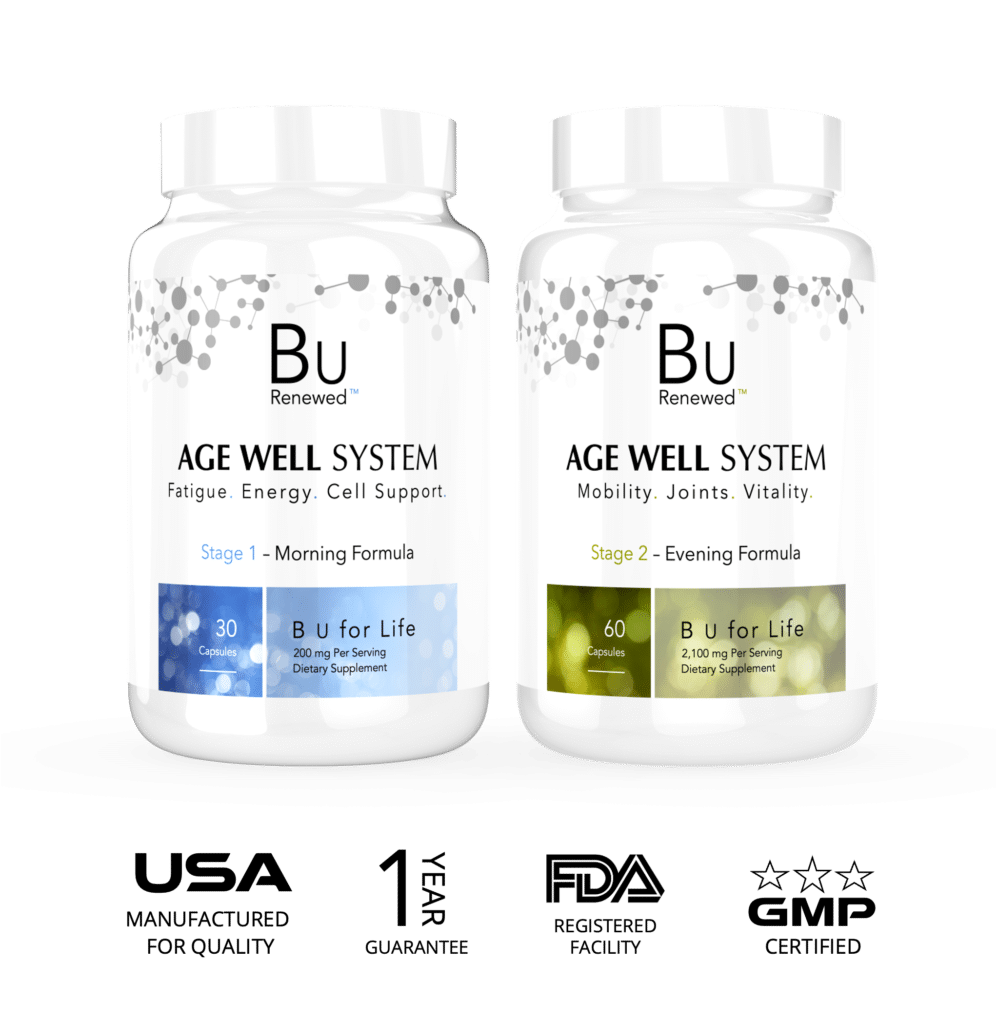
    Bu Renewed is one of the most respected and highest quality brands which delivers the fastest results and to achieve the highest level of support available. Each system is comprised of two stages and provides all the necessary nutrients to support one’s daily functions.  And, coupled with the transformative power of affirmations produces a long lasting effect on living a joy filled life.

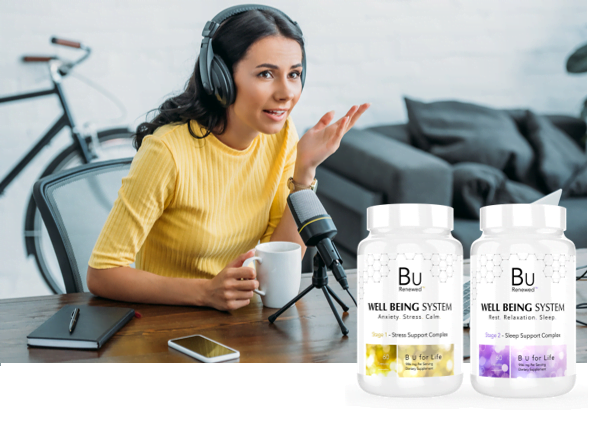
    The Well Being System at Bu Renewed is a carefully crafted supplement program which packs all the vitamins, minerals and herbs needed to achieve the ultimate results on a daily basis. Stage 1, the morning formula, helps with anxiety and stress and promotes calm. Stage 2, the evening formula, allows one to reach the opportunity to reset and reach rest, relaxation and a good night’s sleep. 

    The Stay Sharp System which can also be found at Bu Renewed, supports memory, focus and clarity. Stage 1, the morning formula, is the neuro complex to help brain functions. Stage 2, the evening formula, promotes mood, cognition and cell support. It is said to be your best insurance plan for your future mental and cognitive health. 

    Conclusion 

    The amalgamation of these scientifically researched ingredients in brain health supplements aligns with the principles of the transformative power of positive affirmations. The key is they both help one to find mental clarity, emotional balance, and an overall sense of well-being.

    The incorporation of supplements like the Well Being System and the Stay Sharp System, alongside the practice of the transformative power of affirmations stands as a robust approach to nurturing a healthier and more resilient mind.

    The combination of these elements represents a holistic strategy toward achieving a more balanced, focused, and emotionally stable mental state, facilitating the journey towards self-improvement and a fulfilling life 

  • Brain Health Supplements Boosts Cognitive Functions

    Brain Health Supplements Boosts Cognitive Functions

    Brain health supplement boosts cognitive function and it is critical to understanding how we can live our best life. As we grow older factors like stress, inadequate nutrition, and a sedentary lifestyle can contribute to a decline in our capabilities. Brain health supplements amplify options to soften and reduce the stress and anxiety of daily life and can work wonders for you!

    These formulated supplements aim to support and enhance brain function.

    In this article, we will explore all aspects of brain health supplements, and, how they can help improve your cognitive abilities.

    Understanding Brain Health

    Cognitive function encompasses a range of abilities that allow us to process, retain and utilize information effectively. This includes memory retention, attention span, language skills, problem-solving capabilities, and decision-making skills.

    These functions are governed by interactions within the brain involving neurotransmitters, neural pathways, and various regions of the brain.

    The Role of Nutrition in Brain Health

    Nutrition plays a role in supporting and enhancing brain function. The brain is an organ that relies on a steady supply of nutrients to operate at its best. In this discussion, we will explore the nutrients that have been found to promote health.

    1. Omega-3 Fatty Acids: Building Block to Cellular Health:

    One of the most important nutrients a healthy body needs are Omega 3 fatty acids, especially eicosapentaenoic acid (EPA) and docosahexaenoic acid (DHA). Fatty acids are fundamental for optimal brain function.

    Omega-3 Fatty acids are commonly found in fish like salmon, mackerel, and trout. Omega-3 Fatty acids can be found in plant-based sources such as flaxseeds, chia seeds, and walnuts.

    DHA is a building block of brain cell membranes. It aids in preserving the integrity and flexibility of these membranes facilitating communication between brain cells.

    According to Nutrition Insight, a higher intake of DHA is linked to enhanced brain health with memory retention, longer attention span and other cognitive functions as we age.

    2. Antioxidants: Protecting Brain Cells from Oxidative Stress

    Antioxidants play a role in protecting brain cells from damage caused by free radicals. This can contribute to cognitive decline and neurodegenerative diseases.

    Vitamins C and E are antioxidants known for their ability to shield the brain from harm. Vitamin C, found in fruits and vegetables, plays a role in the regeneration of vitamin E and other antioxidants.

    Vitamin E is present in nuts, seeds, and vegetable oils. This helps safeguard cell membranes against damage.

    3. B Vitamins: Cognitive Development and Function

    Vitamin B, specifically, B6, B9 (folate), and B12, are vital for brain development and healthy functioning. These vitamins are found in brain processes such as neurotransmitter synthesis and the maintenance of myelin—a covering around nerve fibers.

    B6 is found in foods like bananas, chickpeas, and poultry; it is crucial for producing neurotransmitters like serotonin and dopamine that contribute to mood regulation and cognitive performance.

    Folate is abundant in leafy greens, legumes, and fortified cereals; it is necessary for DNA synthesis and repair within brain cells. Lastly, vitamin B12, are found in animal products and are essential for the formation of myelin—a component supporting nerve cell function.

    4. Minerals: Supporting Brain Health

    Additionally, certain minerals play a role in supporting brain health. Magnesium, found in nuts, seeds, and leafy greens contributes to neurotransmitter function. It is also associated with memory retention and learning capabilities.

    Zinc, which can be found in foods like meat, dairy products, and legumes, is crucial for the development of children. Zinc also plays a role in memory and attention.

    5. Polyphenols: Enhancing Brain Function

    Polyphenols are compounds in plant-based food and drinks such as berries, dark chocolate, tea, and red wine. These compounds possess antioxidant and inflammatory properties that can be beneficial for brain health.

    Resveratrol, a polyphenol found in grapes and wine, has been extensively studied for its potential to improve function and protect the brain from age-related decline.

    Other polyphenols, such as those found in blueberries, have also demonstrated improvements in memory and cognitive performance.

    6. Carbohydrates: Fuel for the Brain

    Despite the rising popularity of carbohydrate diets, it is important to understand that carbohydrates are the primary source of energy for the brain. Glucose, derived from carbohydrates, is the fuel for our brains.

    Consuming an overabundance of carbohydrates can lead to reduced function and mental fatigue. That being said, carbohydrates coming from grains, fruits, and vegetables should be a focal point of one’s daily intake ensuring a steady supply of glucose to support consistent cognitive function.

    The Impact of Stress on Cognitive Function

    Experiencing stress can significantly and negatively affect our abilities. While stress is a response that helps us deal with dangers, it can be problematic when it persists.

    Stress becomes a problem if it is not managed. What causes stress? Feeling overwhelmed, not feeling in control, fears and anxiety are examples.

    Issues such as work pressures, financial concerns, personal and relationship issues can cause stressful reactions. Let’s take a look at how stress impacts our ability to function and to feel like our best self.

    1. Elevated Cortisol Levels: Disrupting Neural Pathways

    Long-term stress leads to the release of cortisol, a hormone associated with stress. Elevated levels of cortisol can disrupt the connections between brain cells in the hippocampus. The hippocampus is a region in the brain for memory formation and retrieval.

    Initially, cortisol can enhance memory and focus temporarily, assisting us in dealing with stressful situations. However, when cortisol remains high for periods, it can impair function.

    Prolonged exposure to cortisol may cause atrophy, where the branches connecting brain cells within the hippocampus start shrinking. This structural change can result in difficulties in consolidating and recalling memories.

    2. Inflammation in the Brain: Affecting Cognitive Abilities

    Did you know that chronic stress has been linked to increased inflammation levels in both our bodies and brains? Inflammation which occurs in the brain is associated with conditions such as depression, anxiety, and neurodegenerative diseases.

    Molecules known as cytokines, are proteins which affect the cellular health, can disrupt the functioning of neurons and upset the balance of neurotransmitters.

    This disruption can result in mood disturbances and impair one’s brain health functions. Chronic low-grade inflammation poses a hindrance to memory retention, attention span, and problem-solving abilities.

    3. Impaired Working Memory: Decreased Cognitive Flexibility

    Prolonged exposure to stress diminishes working memory capacity, making it more challenging to process and manage information effectively.

    This decrease in capacity affects flexibility—the ability to adapt to information and changing circumstances—and also hampers decision-making skills and problem-solving abilities that heavily rely on a well-functioning working memory.

    4. Negative Impact on Learning and Creativity

    Persistent stress interferes with the brain’s ability to establish connections and adapt to novel information, an aspect of learning and creativity.

    If one finds themselves stressed out, the brain may go into a state of fear which affects rational and learning functions, as well as, the ability to be agile and creative and present.

    5. Emotional Regulation: Impact on Mood and Behavior

    Stress often leads to heightened feelings of anxiety, irritability, and mood fluctuations. You don’t want to deal with these emotional disruptions as they can further hinder function because intense emotions can be distracting and make it difficult to focus on tasks, so it is important to take care of yourself.

    Stress Management For Cognitive Health

    Managing stress effectively is vital for maintaining and improving health. Chronic stress can negatively impact aspects of cognitive function, as mentioned earlier.

    To mitigate these effects and promote well-being, it’s important to adopt an approach to managing stress.

    In this section, we will explore strategies for stress management that can contribute to safeguarding function.

    1. Regular Exercise: A Natural Stress Reducer

    Engaging in activity is one of the most effective natural methods for reducing stress and supporting cognitive health.

    Exercise triggers the release of endorphins, which are natural mood boosters. Additionally, it promotes the production of brain derived factor (BDNF), a protein that aids in the growth and maintenance of brain cells.

    When it comes to Cardio exercises, such as walking, jogging, swimming, and cycling these activities increase blood flow to the brain and deliver oxygen and essential nutrients that enhance brain function. Aim for 30 minutes of moderate exercise on most days of the week to reap the cognitive benefits.

    2. Mindfulness and Meditation: Calming the Mind

    Practicing mindfulness and employing meditation techniques are tools for managing stress and enhancing abilities. These practices encourage attention to the moment, helping alleviate anxiety and overthinking.

    Studies have indicated that consistent practice of mindfulness and meditation can bring about alterations in the structure and functioning of the brain.

    These modifications encompass a rise in the density of grey matter in areas of the brain linked to memory, learning, and self-awareness.

    By integrating mindfulness and meditation into your schedule, you can enhance your ability to concentrate, focus, and manage your emotions effectively.

    3. Healthy Lifestyle Choices: Nutrition, Sleep, and More

    Taking care of your well-being is crucial in managing stress and keeping your abilities intact;

    Nutrition

    If you maintain a well-rounded diet that includes plenty of antioxidants, omega-3 fatty acids, B vitamins, and other essential nutrients it is beneficial for both brain health and stress management. It’s important to avoid intake of caffeine and refined sugars as they can contribute to stress levels and disrupt sleep.

    Quality Sleep

    Quality sleep is very important for your brain to recharge and rejuvenate, therefore, it is important to refresh yourself and get a good night’s rest. Sleep plays a role in memory consolidation. You should Aim for 7 to 9 hours of sleep each night.

    Limit Alcohol and Avoid Excessive Smoking

    Consuming copious amounts of alcohol, can worsen stress levels and negatively impact cognitive function. Moderation in alcohol consumption and quitting smoking (if applicable) can greatly contribute to stress management.

    4. Social Support: Lean on Your Network

    Maintaining connections with friends and family and seeking support from them can have a significant positive impact on reducing the harmful effects of stress.

    Engaging in interactions with others and sharing your thoughts, feelings, and concerns can provide a sense of emotional relief.

    Connecting with others can help to trigger the release of oxytocin, which is a hormone that fosters bonding and helps alleviate stress.

    Spending quality time with loved ones can contribute to strengthening your ability to handle stress.

    5. Professional Help: Seeking Guidance

    If you find that you experience chronic stress, and it is profoundly affecting your functioning and overall well-being, it may be beneficial to seek help.

    Mental health professionals like therapists, counselors, or psychologists can offer guidance and strategies for managing stress. For instance, Cognitive Behavioral Therapy (CBT), is an effective type of therapy and provides tools to empower you to cope with stress and anxiety effectively.

    Brain Health Supplements: A Comprehensive Approach

    A comprehensive brain health supplement focuses on aspects of well-being which include;

    1. Nutrient Support

    Brain health supplements often contain a combination of nutrients that assist in supporting brain function.

    2. Stress Reduction

    Herbs like Ashwahangha and Rhodiola Rosea and are essential ingredients in brain health supplements, scientifically proven to help the your body adapt to stress and lower cortisol levels.

    3. Cognitive Enhancement

    Some supplements contain nootropics, substances known for their potential to enhance function. Examples may include compounds like ginkgo biloba, bacopa monnieri, and acetyl L carnitine. According to The Herald, studies have been conducted with the emphasis on brain health supplements brain boosting effects and promoting overall brain health.

    4. Neuroprotection

    Certain supplements contain compounds with properties that help safeguard brain cells from damage. These ingredients may consist of turmeric, resveratrol, and green tea extract.

    5. Mood Regulation

    It is important to be aware that mood can affect all areas of your life. And, you can regulate your moods. As an example, 5 HTP is an amino acid precursor to serotonin and can contribute to mood regulation and foster a more positive mental out look on life.

    Stress Management Supplement for Brain Health

    One remarkable brain health supplement that covers all these aspects with the highest quality vitamins, minerals and herbs is the Stay Sharp System by Bu Renewed.

    This comprehensive system aims to support and enhance function through a step by step approach starting with Stage 1, the morning formula called Neuro Complex. And, Stage 2, the Exec B Complex, is the evening formula designed to regulate mood, cognitive function and age renewal.

    The Stay Sharp System are brain health supplements focusing on supplying nutrients to the brain. With over 300 studies completed this formula includes omega-3 fatty acids, antioxidants, B vitamins, and essential minerals which play a role in achieving cognitive function.

    Conclusion

    You should consider taking a brain health supplement. And, one of the best on the market today is the Bu Renewed Stay Sharp System.

    This brain health supplement will help you can significantly boost cognitive function. By providing nutrients that reduce stress levels, improve abilities, and safeguard brain cells, these supplements offer a well-rounded strategy for maintaining brain health.

    It is important to remember that adopting a lifestyle consisting of nutrition and regular exercise, helps support your cognitive functions.

    Drink plenty of water and get plenty of rest. And, with the support of a brain health supplement, you will have feel sharper, and, have an enhanced mental acuity.

    The Stay Sharp System brain health supplement will help you boost your cognitive functions.