
Category: Sleep Supplement

  • Powering Through Your Fears

    Powering Through Your Fears

    Introduction

    Powering Through Your Fears (as it relates to health, age, and longevity) is crucial for maintaining a high quality of life.

    As we age, our health concerns often grow, but addressing these fears head-on can lead to a longer, healthier life.

    This article explores strategies for overcoming these fears and provides practical tips for enhancing longevity.

    Understanding Your Fears

    Common Health Fears

    Many people fear developing chronic illnesses such as heart disease, diabetes, or cancer.

    These fears can lead to anxiety and stress.

    Fear of Aging

    Aging brings physical changes that can be overwhelming.

    Concerns about losing independence and experiencing cognitive decline are common.

    Longevity Concerns

    Living a long life is a goal for many, but fears about maintaining health and quality of life can be overwhelming.

    Psychological Impact

    Fears related to health, age, and longevity can have a significant psychological impact, leading to anxiety, depression, and decreased well-being.

    Recognizing Triggers

    Identifying what triggers your fears is the first step in addressing them. This awareness can help you develop coping strategies.

    Strategies for Overcoming Health Fears

    Seeking Professional Advice

    Consult healthcare professionals to address your health concerns. Regular check-ups can catch potential issues early.

    Staying Informed

    Educate yourself about health issues and their prevention. Reliable information can alleviate unnecessary fears. Resources like Mayo Clinic can be very helpful.

    Healthy Lifestyle Choices

    Adopting a healthy lifestyle is crucial. Exercise regularly, eat a balanced diet, and avoid harmful habits like smoking.

    Stress Management

    Managing stress is essential for overall health. Techniques like meditation, yoga, and deep breathing can help reduce anxiety.

    Support Systems

    Explore this 5 tips on aging well to see how having a strong support system can alleviate fears.

    Friends, family, and support groups provide emotional and practical support.

    Embracing the Aging Process

    Positive Aging Mindset

    Developing a positive mindset about aging can improve your overall outlook on life and reduce fears related to getting older.

    Staying Active

    Physical activity is crucial for healthy aging. It helps maintain mobility, strength, and overall well-being.

    Mental Stimulation

    Keep your mind active through learning, puzzles, and social interactions. Mental stimulation can prevent cognitive decline.

    Social Connections

    Maintaining strong social connections can enhance your quality of life. Engage in community activities and stay connected with loved ones.

    Purpose and Fulfillment

    Finding purpose in life is vital. Volunteer, pursue hobbies, and stay engaged in activities that bring you joy and satisfaction.

    Addressing Longevity Concerns

    Understanding Longevity

    Longevity refers to the length of an individual’s life. With modern medicine, people are living longer, but concerns remain.

    Factors Affecting Longevity

    Genetics, lifestyle, and environment all influence longevity. While some factors are uncontrollable, lifestyle changes can significantly impact lifespan.

    Genetics and Longevity

    Genetic predispositions can affect lifespan, but healthy habits can help mitigate genetic risks. Understanding your family history is essential.

    Lifestyle Choices

    Diet, exercise, and stress management are crucial. Healthy eating and regular physical activity can add years to your life.

    Diet and Longevity

    A balanced diet rich in fruits, vegetables, and whole grains supports longevity. Avoiding processed foods is equally important.

    Powering Through Your Fears

    Addressing fears about aging and health is crucial for longevity.

    Knowledge and proactive health management are empowering.

    Exercise for Longevity

    Regular exercise improves heart health, reduces stress, and maintains a healthy weight. Even moderate activity can extend life.

    Types of Beneficial Exercise

    Cardio, strength training, and flexibility exercises all contribute to longevity. How to exercise as a stress reliever is what’s most effective.

    Stress Management

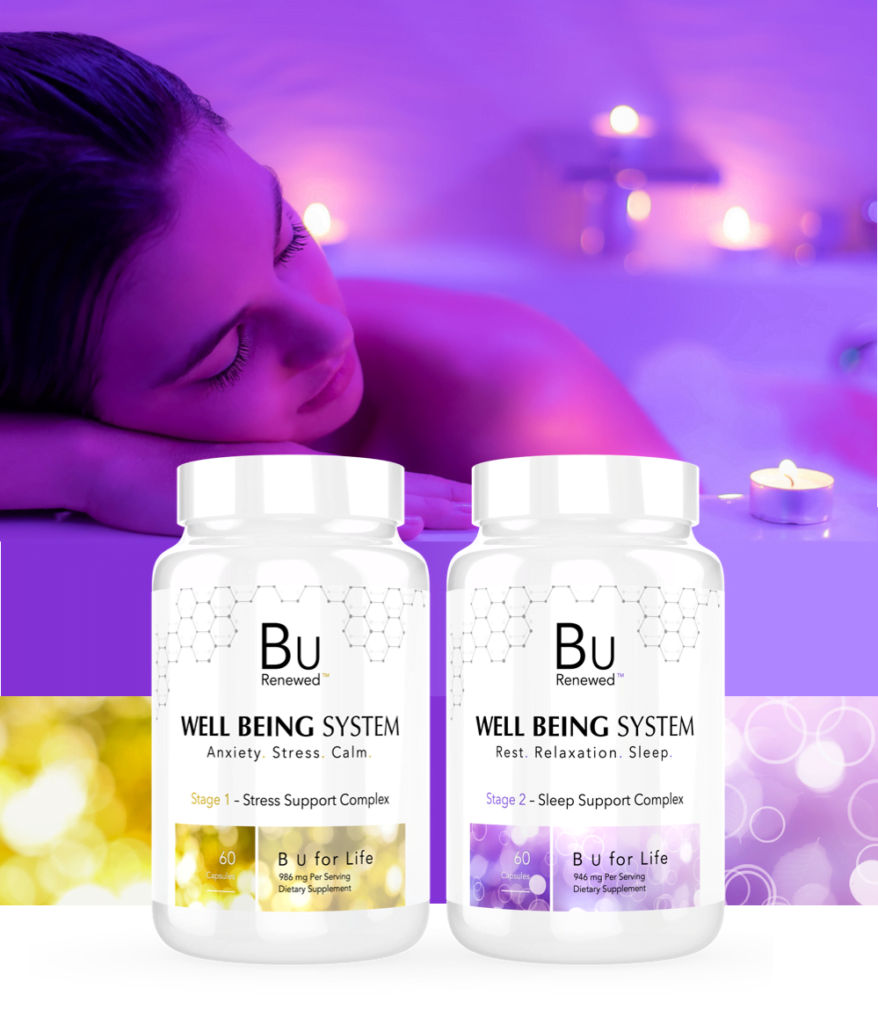
    Chronic stress negatively impacts health.  The Bu Renewed Well Being System supplements can improve overall well-being and extend lifespan.

    Techniques for Managing Stress

    Meditation, deep breathing, and hobbies can reduce stress. Incorporating these practices into daily life is beneficial.

    The Role of Sleep

    Quality sleep is essential for longevity. It allows the body to repair and rejuvenate, reducing health risks.

    Improving Sleep Quality

    Maintain a regular sleep schedule and create a restful environment. Avoiding screens before bedtime can enhance sleep quality.

    Practical Tips for Enhancing Longevity

    Balanced Nutrition

    Ensure your diet is rich in essential nutrients. Supplements like those discussed in https://burenewed.com/blogs/ articles can help fill nutritional gaps.

    Regular Exercise

    Incorporate regular exercise into your routine. Activities like walking, swimming, and yoga promote longevity and overall health.

    Sleep Hygiene

    Good sleep hygiene is essential. Aim for 7-9 hours of quality sleep per night to support your health and well-being.

    Hydration

    Stay hydrated by drinking plenty of water daily. Proper hydration is vital for all bodily functions and overall health.

    Avoiding Harmful Habits

    Avoid smoking and limit alcohol consumption. These habits can significantly impact your health and longevity.

    Developing a Positive Mindset

    Gratitude Practice

    Practicing gratitude can shift your mindset. Focus on what you’re thankful for to cultivate positivity and reduce fears.

    Mindfulness and Meditation

    Mindfulness and meditation can help manage anxiety and stress. These practices promote mental clarity and emotional balance.

    Setting Realistic Goals

    Set realistic health and wellness goals. Achievable goals provide motivation and a sense of accomplishment.

    Celebrating Small Wins

    Celebrate small victories along your health journey. Recognize your progress and use it as motivation to continue.

    Self-Compassion

    Practice self-compassion. Be kind to yourself and acknowledge that everyone faces challenges and fears.

    Supporting Your Journey To Powering Your Fears

    Fear is a natural response but can hold us back.

    Powering through your fears is essential for personal growth and longevity.

    Understanding Fear

    Fear can impact health, age, and longevity. Understanding its roots helps in managing and overcoming it effectively.

    The Role of Health in Managing Fear

    A healthy lifestyle plays a crucial role in managing fear.

    Regular exercise, a balanced diet, and sufficient sleep can significantly reduce anxiety levels.

    Read more about how Bu Renewed Well Being System  supplements can enhance your health.

    Strategies for Powering Through Your Fears

    Developing effective strategies is crucial.

    Here are some practical steps to help you overcome your fears and lead a healthier life.

    Positive Thinking

    Adopt a positive mindset. Reframe negative thoughts and focus on positive outcomes. This shift can significantly impact your mental state.

    Setting Realistic Goals

    Set achievable goals. Break down larger fears into smaller, manageable tasks. This approach makes overcoming fears less challenging.

    Seeking Support

    Don’t hesitate to seek support. Talking to friends, family, or a therapist can provide valuable insights and encouragement.

    Professional Guidance

    Seek guidance from healthcare professionals. They can provide personalized advice and support for your health journey.

    Reliable Information

    The NIH Office of Dietary Supplements is an excellent resource. Stay informed with reliable sources. Accurate information can empower you to make informed health decisions. 

    Community Support

    Engage with community support groups. Sharing experiences and advice can provide comfort and reduce feelings of isolation.

    Family and Friends

    Lean on family and friends for support. Their encouragement and assistance can help you stay motivated and positive.

    Personal Commitment

    Commit to your health journey. Consistency and dedication are key to overcoming fears and achieving longevity.

    Conclusion

    Powering through your fears, especially concerning health, age, and longevity, requires commitment and a positive mindset. 

    Embracing these challenges can lead to a healthier, happier life. By addressing health concerns and taking proactive steps, you can significantly enhance your well-being.

    Remember the importance of seeking support from healthcare professionals and utilizing reliable information. 

    Building a strong support system can make a significant difference in overcoming fears and achieving your health goals. 

    Commit to Positive Changes

    Commit to making positive changes today. Incorporate regular check-ups, a balanced diet, and exercise into your routine.

    Building mental resilience through mindfulness and meditation can also help you manage fears more effectively.

    Enjoy the Benefits

    The benefits of powering through your fears are immense.

    By taking control of your health, you can enjoy better physical and mental well-being, a longer life, and a more fulfilling existence.

    Empower yourself with proactive health measures and embrace the journey towards a brighter future.

    Better Physical Health

    Powering through your fears leads to improved physical health. Regular exercise, a balanced diet, and preventive care contribute significantly.

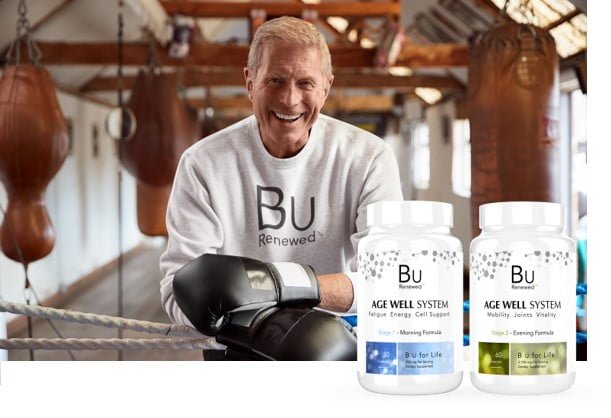
    Explore Bu Renewed Age Well System and Well Being System to enhance your health and overall well-being.

    Increased Mental Well-being

    Addressing fears positively impacts mental well-being. 

    Reducing anxiety and stress allows you to live a more balanced life. Mindfulness and meditation are effective tools.

    Increased Longevity

    Effective health measures and managing fears can increase your lifespan.

    Adopt healthy habits and regular check-ups for better long-term health. Learn about preventive care strategies to age with intention.

    Powering Through Your Fears and Fulfilling Your Existence

    Overcoming fears enriches your life! 

    You become more resilient, positive, and proactive, leading to a more fulfilling existence.

    Embrace this journey for lasting happiness!

    Empowerment Through Knowledge

    Knowledge is power!

    Equip yourself with information and resources to effectively manage fears. Explore proactive health tips for over 50 for a brighter future.

    Holistic Approach

    Adopt a holistic approach to managing fears! 

    Focus on physical health, mental resilience, and preventive care. 

    This comprehensive strategy ensures overall well-being.

    Seek Support

    Don’t hesitate to seek support!

    Healthcare professionals, friends, and family can offer valuable insights and encouragement. Build a strong support system.

    Commit to Change

    Commit to positive change today! 

    Regular check-ups, balanced nutrition, and exercise are key steps. These actions will transform your life.

    Final Thoughts

    Powering through your fears is essential for a long, healthy, and fulfilling life. Take control of your health and well-being. 

    Adopt proactive measures and enjoy the immense benefits. Transform your future by starting today.

    Acquire the knowledge of powering through your fears. This path leads to better health, increased longevity, and a fulfilling existence. 

  • Our Purpose in Life and Longevity

    Our Purpose in Life and Longevity

    Our purpose in life and longevity are deeply interconnected. Having a clear purpose can significantly impact our overall well-being and lifespan. This article explores the various aspects of finding purpose and how it contributes to a longer, healthier life.

    Introduction

    Our purpose in life and longevity are deeply interconnected. Having a clear purpose can significantly impact our overall well-being and lifespan.

    Research has shown that individuals with a strong sense of purpose tend to live longer, healthier lives.

    This sense of purpose provides motivation, direction, and resilience, which are essential for handling life’s challenges.

    Understanding how purpose influences longevity can help individuals make more informed choices about their health and well-being. 

    This article explores the various aspects of finding purpose and how it contributes to a longer, healthier life.

    It does this by offering practical strategies and insights based on the latest scientific research.

    By having a sense of purpose, we can enhance our physical, mental, and emotional health.

    Ultimately, this will lead to a more fulfilling and extended life.

    Understanding Purpose in Life

    Purpose in life refers to the sense of meaning and direction that drives an individual’s actions and decisions.

    It is a crucial aspect of psychological well-being and overall health.

    Defining Purpose

    Purpose can be defined as a deeply held aspiration that gives life meaning. 

    It guides our goals, behaviors, and decisions.

    For some, purpose is linked to career achievements, while for others, it may be related to family, community service, or personal growth.

    Importance of Purpose

    Having a purpose in life is essential for mental and emotional health. 

    It provides motivation, resilience, and a sense of fulfillment.

    Studies show that people with a clear sense of purpose live longer, healthier lives.

    Finding Your Purpose

    Finding purpose often involves self-reflection and exploration, according to Harvard Business Review.

    Identifying passions, values, and strengths can help uncover what truly matters to you. 

    Engage in activities that bring joy and fulfillment to discover your purpose.

    Connection Between Purpose and Longevity

    Psychological Benefits

    Purpose in life provides numerous psychological benefits.

    It reduces stress, enhances resilience, and promotes a positive outlook. 

    These factors contribute to improved mental health and longevity.

    Physical Health Benefits

    A sense of purpose is linked to better physical health, and this article on The Secrets To Healthy, Happier Life agrees.

    It encourages healthy behaviors, such as regular exercise, balanced nutrition, and adequate sleep. 

    These habits reduce the risk of chronic diseases and support longevity.

    Biological Mechanisms

    Research indicates that purpose in life may influence biological processes.

    It can improve immune function, reduce inflammation, and promote cardiovascular health.

    These mechanisms contribute to a longer, healthier life.

    Latest Studies on Purpose and Longevity

    The Blue Zones

    The Blue Zones are regions with the highest concentrations of centenarians.

    Studies in these areas reveal that having a strong sense of purpose, known as “ikigai” in Japan, is a common trait among long-lived individuals.

    Psychological Well-Being and Mortality

    Research published in the journal Psychosomatic Medicine found that individuals with a high sense of purpose had a reduced risk of all-cause mortality.

    This study highlights the significant impact of purpose on longevity.

    Purpose and Brain Health

    A study in the Journal of the American Medical Association found something jaw-dropping.

    Do you want to know what?

    JAMA found that older adults with a strong sense of purpose had a lower risk of developing Alzheimer’s disease and cognitive decline. 

    Purpose may protect brain health and enhance longevity.

    Heart Health and Purpose

    Research in the journal Circulation found that individuals with a higher sense of purpose had a reduced risk of heart disease.

    Purpose in life may lower blood pressure and improve cardiovascular health.

    Practical Strategies to Find and Cultivate Purpose

    Self-Reflection and Exploration

    Engage in self-reflection to understand your passions, values, and strengths. 

    Journaling, meditation, and talking with trusted friends or mentors can help uncover your purpose.

    Wondering how to begin? Explore this article on How To Reset Your Life To Be The Best You

    Setting Meaningful Goals

    Set goals that align with your purpose.

    Break down larger goals into smaller, manageable steps, as shown in this insightful article on The Best Time Management Tools For Your Busy Life

    This approach provides direction and motivation.

    Engaging in Activities You Enjoy

    Participate in activities that bring joy and fulfillment.

    Whether it’s volunteering, pursuing a hobby, or spending time with loved ones, engaging in enjoyable activities can enhance your sense of purpose.

    Building Strong Relationships

    Strong relationships provide emotional support and a sense of belonging.

    Surround yourself with positive, supportive people who encourage your growth and well-being.

    Giving Back to the Community

    Helping others and contributing to your community can provide a deep sense of purpose.

    Volunteering and community service are excellent ways to make a positive impact and find fulfillment.

    Continuous Learning and Growth

    Embrace opportunities for learning and personal growth.

    Pursue new skills, knowledge, and experiences that align with your interests and values.

    Maintaining Physical Health

    A healthy body supports a healthy mind. Read more on how persistence sharpens the mind here

    Regular exercise, a balanced diet, and adequate sleep are crucial for overall well-being and longevity.

    Practicing Gratitude

    Gratitude enhances well-being and fosters a positive outlook.

    Regularly practice gratitude by reflecting on things you are thankful for and expressing appreciation to others.

    Role of Purpose in Different Life Stages

    Adolescence and Young Adulthood

    During adolescence and young adulthood, individuals often explore different interests and identities.

    This stage is crucial for developing a sense of purpose and direction.

    Midlife

    Midlife is often a period of reassessment and reflection. 

    It’s an opportunity to evaluate one’s life path and make changes that align with personal values and goals.

    The Age Well System by Bu Renewed provides all the vitamins, minerals and nutrients to help you find the fountain of youth. You will see results in your skin’s appearance, your mobility and help you look and feel younger.

    Retirement and Later Life

    In retirement and later life, maintaining a sense of purpose is vital for well-being.

    Engaging in meaningful activities, hobbies, and social connections can enhance life satisfaction and longevity.

    Challenges in Finding Purpose

    Overcoming Obstacles

    Finding purpose can be challenging due to various obstacles such as fear, self-doubt, and external pressures.

    Overcoming these obstacles requires courage, perseverance, and support from others.

    Addressing Burnout

    Burnout can hinder the search for purpose.

    It’s essential to recognize signs of burnout and take steps to recover, such as taking breaks, seeking support, and engaging in self-care.

    Dealing with Life Transitions

    Life transitions, such as career changes, loss of loved ones, or retirement, can impact one’s sense of purpose.

    Handling these transitions with resilience and openness can help in finding new meaning and direction.

    The Well Being System by Bu Renewed supports stress and anxiety helping to calm your nerves providing a deep and restful sleep and more relaxation.

    Purpose and Well-Being

    Emotional Health

    A strong sense of purpose enhances emotional health by providing a sense of fulfillment and reducing feelings of anxiety and depression.

    Social Well-Being

    Purposeful individuals often have strong social connections and engage in meaningful relationships, which contribute to overall well-being.

    Spiritual Well-Being

    For many, purpose is linked to spiritual beliefs and practices.

    Engaging in spiritual activities can provide a sense of peace and connection to something greater.

    Integrating Purpose into Daily Life

    Daily Practices

    Incorporate practices that reinforce your purpose into your daily routine. 

    This could include meditation, journaling, or setting daily intentions, as captured by one of our favorites articles.

    Mindfulness and Awareness

    Mindfulness practices can help you stay connected to your purpose.

    Regularly check in with yourself to ensure your actions align with your values and goals.

    Adapting to Changes

    Be open to adapting your sense of purpose as you grow and evolve. 

    Life changes and experiences can shape and redefine your purpose over time.

    The Role of Support Systems

    Family and Friends

    Family and friends play a crucial role in supporting your sense of purpose. They provide encouragement, advice, and companionship.

    Professional Guidance

    Seek professional guidance from coaches, therapists, or mentors. They can offer valuable insights and help you navigate challenges in finding and maintaining purpose.

    Community and Social Networks

    Engaging with community groups and social networks can provide a sense of belonging and support.

    These connections can help reinforce your purpose and provide opportunities for growth.

    Conclusion

    The Power of Purpose

    Our purpose in life and longevity are deeply connected.

    A strong sense of purpose enhances well-being, promotes healthy behaviors, and supports longevity.

    By finding and nurturing your purpose, you can lead a more fulfilling and healthier life.

    Commitment to Purpose

    Commit to discovering and cultivating your purpose. Engage in self-reflection, set meaningful goals, and build strong relationships.

    Through continuous learning and growth, you will maintain a sense of purpose throughout your life.

    Embrace a Fulfilling Life

    Embrace a fulfilling life by aligning your actions with your purpose.

    Reflect on your daily activities and choices to ensure they resonate with your core values and long-term goals.

    This alignment fosters a sense of satisfaction and coherence in life.

    Final Thoughts

    Addressing our purpose in life and longevity requires a comprehensive approach.

    By focusing on psychological, physical, and social well-being, you can enhance your overall health and extend your lifespan. 

    Start your journey towards a purposeful and long life today, and experience the profound impact it can have on your well-being and longevity.

    Remember:

    Setting meaningful goals is crucial for living a purpose-driven life.

    Break down your larger purpose into specific, achievable objectives.

    This approach not only provides direction but also creates a sense of accomplishment as you achieve each milestone.

    Stay informed and adaptable, and don’t hesitate to seek professional guidance when needed.

  • Latest Studies for Cell Support & Anti-Aging

    Latest Studies for Cell Support & Anti-Aging

    Explore the latest studies for cell support & anti-aging. Learn about groundbreaking research and practical strategies to enhance cellular health and slow aging.

    Introduction

    The latest studies for cell support & anti-aging reveal exciting advancements in science. 

    These studies focus on how to enhance cellular health and slow down the aging process. 

    Understanding these developments can help individuals make informed choices about their health and longevity.

    Importance of Cellular Health

    Cellular health is fundamental to overall well-being.

    Healthy cells function efficiently, repair damage, and support body systems.

    Enhancing cellular health is key to anti-aging.

    Understanding Cellular Aging

    Cellular aging involves changes at the cellular level that contribute to the aging process. 

    These changes include DNA damage, oxidative stress, and mitochondrial dysfunction.

    Addressing these factors can slow down aging.

    Role of Nutrition

    Several articles from burenewed reveal that nutrition plays a vital role in supporting cellular health.

    Consuming nutrient-rich foods provides the essential vitamins and minerals that cells need to function properly.

    Key Nutrients for Cell Support

    Antioxidants

    Antioxidants protect cells from oxidative stress. They neutralize free radicals, which can cause cellular damage.

    Foods rich in antioxidants include berries, nuts, and green leafy vegetables.

    Omega-3 Fatty Acids

    Omega-3 fatty acids support cell membrane integrity. They reduce inflammation and promote cellular health. 

    Sources include fatty fish, flaxseeds, and walnuts.

    Vitamins and Minerals

    Vitamins like A, C, and E, and minerals such as zinc and selenium, are crucial for cellular health.

    They support various cellular functions and repair processes. Include a variety of fruits, vegetables, and whole grains in your diet.

    Latest Research on Cell Support

    Telomere Research

    Telomeres are protective caps at the ends of chromosomes. Shortening of telomeres is associated with aging. 

    Studies from Yale Medicine and other institutions show that lifestyle changes, such as a healthy diet and regular exercise, can lengthen telomeres and promote longevity.

    NAD+ and Cellular Energy

    Nicotinamide adenine dinucleotide (NAD+) is a coenzyme essential for energy production in cells.

    Research indicates that increasing NAD+ levels can improve mitochondrial function and reduce signs of aging.

    NAD+ boosters like NMN and NR are gaining attention for their potential benefits.

    Autophagy and Cellular Cleanup

    Autophagy is the process by which cells remove damaged components.

    Enhancing autophagy can support cellular health and longevity.

    Research suggests that fasting and certain nutrients can stimulate autophagy.

    Senolytics and Removing Senescent Cells

    Senescent cells are damaged cells that no longer divide but remain in the body, contributing to aging.

    National institute of health has shown that Senolytics are compounds that selectively eliminate these cells.

    Studies are exploring various senolytic agents for their potential to promote healthy aging.

    Practical Strategies for Cellular Health

    Balanced Diet

    A balanced diet rich in fruits, vegetables, whole grains, lean proteins, and healthy fats supports cellular health.

    Avoid processed foods and excessive sugar, which can cause inflammation and damage cells.

    Regular Exercise

    Exercise enhances cellular function, and this article from burenewed on anti-aging science and futuristic supplements have shown that.

    It by improving blood flow, reducing inflammation, and promoting the production of beneficial molecules like antioxidants.

    Aim for at least 150 minutes of moderate aerobic activity or 75 minutes of vigorous activity per week.

    Quality Sleep

    Quality sleep is crucial for cellular repair and regeneration.

    Aim for 7-9 hours of sleep per night to support overall health and cellular function.

    Develop a consistent sleep routine and create a restful sleep environment.

    Stress Management for Cellular Health

    Stress management is crucial for maintaining cellular health.

    Chronic stress can negatively impact cellular function, leading to various health issues.

    By incorporating effective stress management techniques, you can enhance your overall well-being and support cellular health.

    Impact of Chronic Stress on Cellular Health

    Chronic stress can cause significant damage to cells.

    It leads to the production of stress hormones like cortisol, which can impair cellular function.

    Over time, this can result in inflammation, weakened immunity, and accelerated aging.

    Oxidative Stress

    Chronic stress increases oxidative stress in the body.

    This occurs when there is an imbalance between free radicals and antioxidants, leading to cellular damage.

    High levels of oxidative stress can accelerate aging and contribute to chronic diseases.

    Inflammation

    Stress triggers the body’s inflammatory response.

    Prolonged inflammation can damage cells and tissues, leading to various health problems.

    Reducing stress is essential to manage inflammation and protect cellular health.

    DNA Damage

    Stress can cause DNA damage, leading to mutations and impairing cellular function.

    This can increase the risk of developing chronic diseases and accelerate the aging process.

    Techniques for Managing Stress

    Mindfulness

    Mindfulness involves focusing on the present moment and acknowledging your thoughts and feelings without judgment.

    Practicing mindfulness can help reduce stress levels and improve mental clarity.

    It has been shown to positively impact cellular health by reducing oxidative stress and inflammation.

    Meditation

    Meditation is a powerful stress management tool.

    It involves techniques like deep breathing, visualization, and focused attention to achieve a state of relaxation.

    Regular meditation can lower cortisol levels and promote cellular repair and regeneration.

    Deep Breathing Exercises

    Deep breathing exercises help calm the nervous system and reduce stress.

    Practicing deep breathing can lower heart rate, improve oxygen flow, and enhance cellular function.

    Techniques like diaphragmatic breathing and progressive muscle relaxation are effective for stress relief.

    Physical Activity

    Regular physical activity is an excellent way to manage stress.

    Exercise releases endorphins, which are natural mood elevators.

    It also reduces cortisol levels and improves overall cellular health.

    Aim for at least 30 minutes of moderate exercise daily to reap these benefits.

    Healthy Sleep Habits

    Quality sleep is essential for stress management and cellular repair.

    Lack of sleep can increase stress levels and negatively impact cellular function.

    Establish a regular sleep routine and create a restful environment to ensure adequate rest.

    Social Connections

    Strong social connections provide emotional support and reduce stress.

    Spending time with loved ones and engaging in social activities can enhance your mental well-being and support cellular health.

    Cultivate meaningful relationships to build a robust support network.

    Hobbies and Interests

    Engaging in hobbies and interests can be a great way to manage stress.

    Activities like reading, gardening, painting, or playing a musical instrument can help you relax and take your mind off stressors.

    Find activities that you enjoy and make time for them regularly.

    Professional Help

    If stress becomes overwhelming, seeking professional help can be beneficial.

    Therapists and counselors can provide strategies and support for managing stress.

    Cognitive-behavioral therapy (CBT), according to American Psychology Association, is particularly effective in coping with stress and improving mental health.

    Integrating Stress Management into Daily Life

    Create a Routine

    Establishing a daily routine that includes stress management practices can make a significant difference.

    Incorporate mindfulness, meditation, and exercise into your schedule. Consistency is key to managing stress effectively.

    Prioritize Self-Care

    Prioritizing self-care is essential for managing stress. Make time for activities that nourish your body and mind.

    This can include eating a balanced diet, staying hydrated, and getting regular exercise.

    Practicing self-care supports overall well-being and cellular health.

    Stay Informed

    Staying informed about stress management techniques and their benefits can empower you to make better choices.

    Follow reputable sources and consult healthcare professionals to learn more about effective stress management strategies.

    Knowledge is a powerful tool in managing stress.

    Hydration

    Proper hydration is essential for cellular function.

    Water helps transport nutrients to cells and remove waste products.

    Aim to drink at least 8 glasses of water a day, and adjust based on activity level and climate.

    Anti-Aging Interventions

    Skincare and Topical Treatments

    Skincare products containing retinoids, peptides, and antioxidants can improve skin health and reduce signs of aging.

    Regular use of sunscreen protects against UV damage, which accelerates skin aging.

    Supplements for Anti-Aging

    Supplements like collagen, CoQ10, and resveratrol have shown potential benefits for anti-aging.

    Consult a healthcare provider before starting any supplement regimen to ensure safety and effectiveness.

    Hormone Replacement Therapy

    Cleveland Clinics and other studies affirm hormone levels decline with age, affecting various aspects of health.

    Hormone replacement therapy (HRT) can help maintain optimal levels of hormones like estrogen and testosterone, supporting overall health and vitality.

    Discuss the risks and benefits with your healthcare provider.

    Latest Studies on Anti-Aging

    Caloric Restriction

    Caloric restriction has been shown to extend lifespan in various species. 

    Recent studies indicate that it may also promote longevity in humans by reducing metabolic rates and oxidative stress.

    Stem Cell Therapy

    Stem cell therapy holds promise for anti-aging by promoting tissue regeneration and repair.

    Research is ongoing to understand the full potential and safety of this therapy for age-related conditions.

    Genetic Interventions

    Advancements in genetic research are uncovering ways to modify genes associated with aging. 

    CRISPR technology, for instance, is being explored for its potential to extend lifespan and improve healthspan.

    Pharmacological Interventions

    Certain drugs, such as metformin and rapamycin, are being studied for their potential anti-aging effects.

    These drugs may mimic the benefits of caloric restriction and improve cellular health.

    Integrating Anti-Aging Strategies into Daily Life

    Personalized Approach

    Adopt a personalized approach to anti-aging by considering individual health status, genetic factors, and lifestyle preferences.

    Work with healthcare professionals to develop a tailored plan that includes diet, exercise, and other interventions.

    Consistency is Key

    Consistency is crucial for the success of any anti-aging regimen.

    Regularly incorporate healthy habits into your routine and make adjustments as needed to stay on track.

    Monitor Progress

    Regular check-ups and monitoring can help track progress and make necessary adjustments to your anti-aging strategy.

    Use biomarkers and other health indicators to assess the effectiveness of interventions.

    Stay Informed

    Stay informed about the latest research and advancements in anti-aging.

    Follow reputable sources and consult healthcare providers to ensure you are making evidence-based decisions.

    Conclusion

    The latest studies for cell support & anti-aging reveal significant advancements in how to promote cellular health and slow aging. 

    Addressing cellular health and anti-aging requires a comprehensive approach. 

    Proper nutrition, regular physical activity, quality sleep, and stress management are essential.

    Stay informed, adopt a personalized approach, and embrace the journey towards a healthier, more youthful you

    Start making these changes today for a healthier, more fulfilling life.

  • Reset Your Life to Be the Best You

    Reset Your Life to Be the Best You

    You may be wondering how to Reset Your Life to Be the Best You in this ever-busy world, where it’s easy to get caught up in your daily grind and forget to take care of yourself.

    Introduction:

    You may be wondering how to Reset Your Life to Be the Best You in this ever-busy world, where it’s easy to get caught up in your daily grind and forget to take care of yourself.

    We’re so busy juggling jobs, family, and social obligations that our own health and well-being often take a backseat.

    But, it’s important to remember that we can’t be our best selves if we’re not taking care of ourselves.

    In this article, we’ll discuss tips on how to deal with challenges and stress on a daily basis.

    We will also discuss how what supplements, healthy food, and healthy lifestyle choices will help to support your daily reset.

    Understanding the Bu Renewed Well Being System 

    The Bu Renewed Well Being System  is a holistic approach to health and wellness.

    It focuses on four key areas: physical, emotional, mental, and spiritual well-being.

    By addressing each of these areas, you can Reset Your Life to Be the Best You, and achieve optimal health and well-being.

    Meanwhile, check out the best hormones balancing foods here: https://burenewed.com/the-best-hormone-balancing-foods/

    The Four Key Areas of the Bu Renewed Well Being System 

    To Reset Your Life to Be the Best You, you have to always remember the Bu Renewed Well Being System.

    The Bu Renewed Well Being System  is based on four key areas that are interrelated and interconnected.

    These areas include physical, emotional, mental, and spiritual well-being. Each area is essential for a healthy and fulfilling life.

    Stay with me, as we explore each of these area in detail:

    Physical Well-being

    Physical well-being is the foundation of a healthy life.

    It encompasses everything from getting enough sleep and eating healthy to exercising regularly and avoiding harmful substances.

    When we take care of our physical health, we have more energy, feel better, and are better able to handle stress.

    To support physical well-being, Bu Renewed recommends taking supplements like multivitamins, omega-3s, and probiotics.

    Emotional Well-being

    Emotional well-being is all about taking care of our emotions. It includes managing stress, practicing self-care, and seeking support when needed.

    When we take care of our emotional health, we’re better able to handle challenges and bounce back from setbacks.

    To support emotional well-being, Bu Renewed recommends taking supplements, including biotin, ashwagandha, magnesium, and St. John’s Wort.

    Mental Well-being

    Mental well-being is all about taking care of our minds.

    It includes practicing mindfulness, challenging negative thoughts, and seeking professional help when needed.

    When we take care of our mental health, we’re better able to focus, make decisions, and handle stress.

    To support mental well-being, Bu Renewed recommends taking supplements like ginkgo biloba, bacopa monnieri, and rhodiola rosea.

    Checkout some Well Being Supplements for your skin and overall health here: https://burenewed.com/the-10-best-supplements-for-skin-health/

    Spiritual Well-being

    Spiritual well-being is about finding meaning and purpose in life.

    It includes connecting with nature, practicing gratitude, and engaging in spiritual practices.

    When we take care of our spiritual health, we feel more fulfilled and are better able to handle life’s challenges.

    To support spiritual well-being, Bu Renewed recommends taking supplements like holy basil, ginseng, and reishi mushrooms.

    Tips for Daily Stress Management: How to Maintain Your Mental Health

    In today’s overwhelming society, stress has become a common problem for many people.

    Whether you’re dealing with work-related stress, financial stress, or personal stress, it’s important to learn how to manage it.

    Otherwise, it can take a toll on your mental health and overall well-being.

    In this section, we will provide you with some tips for daily stress management that you can incorporate into your daily routine.

    1. Identifying the Source of Your Stress

    The first step in managing stress when aiming to Reset Your Life to Be the Best You, is to identify the source of your stress.

    Sometimes, it might be obvious, such as a deadline at work or a financial issue.

    Other times, it might be more difficult to pinpoint.

    In this case, try keeping a stress diary to track your stress levels and identify triggers.

    Try out other stress management strategies here: https://www.who.int/news-room/questions-and-answers/item/stress#:~:text=What%20is%20stress%3F,and%20threats%20in%20our%20lives.

    2. Practice Mindfulness Meditation

    Mindfulness meditation is a powerful tool for stress management. It involves focusing on the present moment and accepting your thoughts and feelings without judgment. Practicing mindfulness meditation for just a few minutes each day can help you feel more relaxed and calm.

    3. Exercise Regularly

    Exercise is another effective stress management technique. It releases feel-good endorphins, which can improve your mood and reduce stress levels. Even just 30 minutes of exercise per day can make a big difference.

    4. Get Enough Sleep

    Lack of sleep can exacerbate stress levels, so it’s important to prioritize getting enough sleep each night. Aim for 7-8 hours of sleep per night and establish a consistent sleep routine to help regulate your body’s natural sleep cycle.

    If you want to learn more about stress management, check out

    https://www.healthline.com/nutrition/12-benefits-of-meditation

    Supporting Your Daily Reset

    The Importance of a Daily Reset

    In the hustle and bustle of contemporary society, it’s easy to get caught up in the daily grind.

    We wake up, go to work, come home, and repeat the same routine day in and day out.

    This can leave us feeling drained, stressed, and overwhelmed.

    That’s why it’s important to take time each day to reset and recharge.

    Here are some tips for supporting your daily reset.

    Creating a Daily Reset Routine

    One of the best ways to support your daily reset is to create a routine that works for you. This might include things like:

    1. Meditation:

    Taking a few minutes to meditate each day can help you clear your mind, reduce stress, and improve your overall well-being.

    Understanding Meditation:

    The Art of Relaxation and Inner Peace

    Meditation has been practiced for centuries across various cultures as a means of finding inner peace and relaxation.

    It involves training your mind to focus on a specific object, thought or activity.

    It can be done in various forms such as mindfulness meditation, guided meditation, and transcendental meditation.

    Regardless of the technique, the benefits of meditation are numerous.

    They include improving mental health, reducing stress, and increasing self-awareness.

    How to Meditate

    Meditation is a simple practice that can be done by anyone, anywhere, at any time. 

    Here are some steps to get started:

    1. Find a quiet place:

    Choose a quiet and peaceful location where you can sit or lie down comfortably without being disturbed.

    2. Get comfortable:

    Take a comfortable position, whether sitting or lying down, and ensure that your body is relaxed.

    3. Focus on your breath:

    Close your eyes and focus on your breath. Inhale and exhale slowly and deeply, and feel the air move in and out of your body.

    4. Clear your mind:

    As you focus on your breath, thoughts and distractions may arise.

    Acknowledge them, but do not engage with them.

    Instead, let them pass by and bring your attention back to your breath.

    For more on How to Meditate as a beginner, check out this resources: https://www.nhs.uk/every-mind-matters/mental-wellbeing-tips/how-to-meditate-for-beginners/

    5. Meditate regularly:

    Meditation is a practice that requires consistency to reap its benefits.

    Try to set aside a few minutes every day to meditate and gradually increase your practice over time.

    The Benefits of Meditation

    Meditation has been scientifically proven to have numerous benefits for both the mind and body.

    Here are some of the benefits of meditation:

    1. Reduces stress and anxiety:

    Meditation helps to activate the relaxation response, reducing stress and anxiety levels.

    2. Improves mental health:

    Regular meditation has been shown to improve depression and anxiety symptoms, and reduce the risk of developing mental health disorders.

    3. Increases self-awareness:

    By focusing on your breath and your thoughts, you become more aware of your emotions, thoughts, and behaviors.

    4. Enhances concentration and focus:

    Meditation helps to improve your ability to concentrate and focus, which can be beneficial in both personal and professional settings.

    5. Promotes better sleep:

    Meditation can help to calm your mind and body, making it easier to fall asleep and improve the quality of your sleep.

    It is a simple yet powerful practice that can help you find inner peace, reduce stress, and improve your overall well-being.

    With regular practice, you can reap the numerous benefits of meditation and experience a more balanced and fulfilling life.

    • Resetting Through Exercise:

    Regular exercise is one of the best things you can do for your health.

    Getting up and moving your body can help you feel more energized and focused throughout the day.

    Not only does it help you maintain a healthy weight, it also reduces the risk of chronic diseases.

    They help against diabetes, heart disease, and certain types of cancer.

    In addition, exercise can improve your mental health, boost your energy levels, and even help you sleep better.

    In this section, we will explore the benefits of exercise and provide tips on how to incorporate it into your daily routine.

    The Benefits of Exercise

    Exercise offers a wide range of benefits for both your physical and mental health.

    Some of the key benefits of exercise include:

    1. Weight Management:

    Exercise helps you burn calories and maintain a healthy weight.

    2. Reduced Risk of Chronic Diseases:

    Regular exercise can help prevent chronic diseases such as heart disease, diabetes, and certain types of cancer.

    3. Improved Mental Health:

    Exercise can boost your mood, reduce stress, and improve your overall mental health.

    4. Increased Energy Levels:

    Exercise can help increase your energy levels and reduce fatigue.

    5. Better Sleep

    Exercise can improve the quality of your sleep, helping you feel more rested and alert during the day.

    6. Improved Cognitive Function:

    Exercise has been shown to improve cognitive function and reduce the risk of cognitive decline as you age.

    Tips for Incorporating Exercise into Your Daily Routine

    If you’re not used to exercising regularly, it can be challenging to find the motivation to get started.

    However, there are many ways to incorporate exercise into your daily routine.

    Here are some tips to help you get started:

    1. Start Slowly:

    If you’re new to exercise, start with low-intensity activities such as walking or yoga.

    Gradually increase the intensity and duration of your workouts over time.

    2. Find an Activity You Enjoy:

    Choose an activity you enjoy, such as dancing, swimming, or cycling.

    This will make it easier to stick to your exercise routine.

    3. Make it a Habit:

    Schedule your workouts at the same time each day, so they become part of your daily routine.

    4. Get a Workout Buddy:

    Find a friend or family member to work out with. This can help keep you motivated and accountable.

    5. Mix it Up:

    Vary your workouts to keep them interesting. Try different activities such as strength training, cardio, and yoga.

    Thus, to Reset Your Life to Be the Best You, exercise is an essential component of a healthy lifestyle.

    Regular exercise can help you maintain a healthy weight.

    It reduces the risk of chronic diseases, improve your mental health, boost your energy levels, and even help you sleep better.

    By incorporating exercise into your daily routine, you can enjoy these benefits and lead a happier, healthier life.

    3. Journaling:

    Writing down your thoughts, feelings, and goals can help you stay organized and focused.

    Exploring the Connection Between Journaling and Resetting:

    Journaling is a powerful tool for self-reflection, self-expression, and personal growth.

    While it’s often used as a means of processing emotions and experiences, its benefits extend beyond mental and emotional well-being.

    Journaling can also positively impact Resetting and wellness.

    By exploring thoughts, feelings, and desires related to wellness in a safe and private space;

    individuals can deepen their understanding of themselves and their partners.

    It can enhance communication, and foster greater wellness and connection.

    In this article, we’ll examine the connection between journaling and Resetting.

    We will provide practical tips for using journaling to cultivate wellness and self-awareness.

    Journaling Tips for Enhancing Resetting

    1. Set Aside Dedicated Time:

    Carve out dedicated time each day or week for journaling about your thoughts, feelings, and experiences related to wellness.

    Find a quiet and private space where you feel comfortable and free from distractions.

    This will be helpful. Allow yourself to fully engage in the process without judgment or censorship.

    2. Explore Your Desires and Fantasies:

    Use journaling as a space to explore your desires, fantasies, and fantasies.

    Allow yourself to write freely and openly about what makes you happy, what inspires you, and what you want to experience holistically.

    Don’t be afraid to examine areas that may feel taboo or uncomfortable – journaling is a safe space for self-exploration and discovery.

    3. Reflect on Past Experiences:

    Reflect on past experiences, both positive and negative.

    Consider how they have shaped your attitudes, beliefs, and behaviors around wellness.

    Identify any patterns or themes that emerge, and explore how they may be influencing your current Resetting and satisfaction.

    Check out how neuroplasticity can be helpful as we age here: https://burenewed.com/neuroplasticity-as-we-age/

    4. Express Gratitude and Appreciation:

    Take time to express gratitude and appreciation for yourself and your partner(s) in your journal.

    Acknowledge your strengths, celebrate your successes, and express gratitude for the pleasure and connection you experience through wellness.

    Cultivating a sense of gratitude can enhance feelings of wellness and connection with yourself and your partner(s).

    5. Use Journaling as a Communication Tool:

    Share your journaling experiences with your partner(s) as a means of fostering open and honest communication about challenges and expectations.

    Invite your partner(s) to join you in journaling exercises, and explore ways to deepen wellness and connection through shared reflection and dialogue.

    Making Time for Self-Care

    Do you want to Reset Your Life to Be the Best You?

    In addition to creating a daily reset routine, it’s important to make time for self-care. This might include things like:

    – Getting enough sleep:

    Aim for 7-9 hours of sleep each night to ensure that your body and mind are well-rested and ready for the day ahead.

    – Eating well:

    Fueling your body with healthy, nutrient-dense foods can help you feel more energized and focused.

    – Spending time with loved ones:

    Whether it’s a phone call, a text, or spending time in person, connecting with loved ones can help you feel more supported and happy.

    – Doing something you love:

    Whether it’s painting, playing music, or gardening, taking time to do something you enjoy can help you feel more fulfilled and happy.

    I bet you didn’t realize that even an activity as gardening has a health benefit? Read here: https://burenewed.com/health-benefits-of-gardening/

    – Reading:

    Whether it’s a book, a magazine, or an article online, taking time to read something that interests you can be a great way to relax and reset.

    Conclusion

    Resetting your life to be the best version of yourself is a process of learning about yourself, growing, and becoming more powerful.

    You can develop resilience, balance, and satisfaction in all areas of your life by putting your health first.

    This can be done using practical methods to deal with daily problems and stressors.

    You can handle life’s ups and downs with grace and strength.

    This is possible if you practice mindfulness, set boundaries, make important connections, and take care of yourself.

    Supplements, nutrient-dense foods, and changes to your lifestyle can also help your daily reset, which is good for your health and energy as a whole.

    If you implement the insights from the Well Being System by Bu Renewed, which focuses on well-being in all its aspects (physical, mental, and social), you can start living a more vibrant and satisfying life.

    By following these rules daily, you can reset your life and reach your full potential, becoming the best mind, body, and spirit version of yourself.

  • 5 Tips to Aging Well

    5 Tips to Aging Well

    While aging is a natural process, the concept of aging well has gained popularity due to advances in science, health, and wellness. While we can’t stop the clock entirely, there are ways to slow down the effects of aging and even rejuvenate certain aspects of our health and appearance.

    Here are 5 tips for aging well, with a focus on lifestyle choices, practices, and supplements like the Age Well System by Bu Renewed that can support these efforts.

    1. Prioritize Healthy Nutrition

    Eating a balanced diet is a critical factor in reversing the effects of aging.

    Focus on nutrient-dense foods like fruits, vegetables, whole grains, and lean proteins. These foods provide antioxidants that help combat oxidative stress, which is one of the leading contributors to aging. Omega-3 fatty acids, found in fish and nuts, are also known to support brain health and reduce inflammation.

    Supplements such as the Well Being System by Bu Renewed can complement a healthy diet. These supplements contain vitamins, minerals and herbs like vitamin B complex, potassium, ashwagandha, and zinc. These ingredients are known for their antioxidant properties and can help protect cells from damage and help reduce stress.