
Introduction: Why the Best Nutrition Programs for Over 50 Matter So Much
Thriving in your 50s and beyond is not about restriction—it is about strategic nourishment. Your body still responds brilliantly to the right inputs. However, metabolism slows, hormones shift, and nutrient absorption changes. Consequently, the best nutrition programs for over 50 are built around dense, colorful foods, smart protein targets, calm-promoting routines, and targeted supplementation. When you combine these pieces with consistent movement, you unlock better energy, steadier mood, resilient joints, and sharper memory—results that compound across your 50s, 60s, and far beyond.
This guide translates science into action. You will learn what to eat, how to structure meals, how to use low-cost or even free resources, which apps actually help, and where Bu Renewed’s Age Well System, Stay Sharp System, and Well Being System fit into your daily routine. Most importantly, you’ll see how to personalize the best nutrition programs for over 50 to your own goals, budget, and lifestyle—so your plan is doable on day one and sustainable for years.
How Nutrition Needs Shift After 50
The Metabolic & Hormonal Picture
After 50, estrogen or testosterone may decline; thyroid function, recovery speed, and insulin sensitivity can shift. You may not tolerate very large meals well. Smaller, protein-forward, fiber-rich meals improve satiety and digestion. The best nutrition programs for over 50 keep sugars and ultra-processed foods low while prioritizing micronutrient density and anti-inflammatory ingredients.
The Absorption & Deficiency Picture
Stomach acid can decrease with age, affecting absorption of vitamin B12, iron, calcium, magnesium, and zinc. Sun-derived vitamin D synthesis is often lower as well. Authoritative sources like the National Institute on Aging and NIH Office of Dietary Supplements note these patterns and provide guidance on safe, effective intakes (see references). As a result, pairing food with carefully selected supplements makes practical sense in most best nutrition programs for over 50.
Cornerstones of the Best Nutrition Programs for Over 50
Protein First (and Often)
Protein helps preserve muscle (and independence). Most adults over 50 benefit from including 20–30 grams of protein at each meal, distributed across the day. Build meals around fish, poultry, eggs, Greek yogurt, cottage cheese, tofu, tempeh, beans, and lentils. Collagen peptides can support connective tissue and joint comfort. The Age Well Systemcomplements a protein-forward plan by supporting joint integrity, collagen, and cellular energy.
Colorful Plants & Fiber
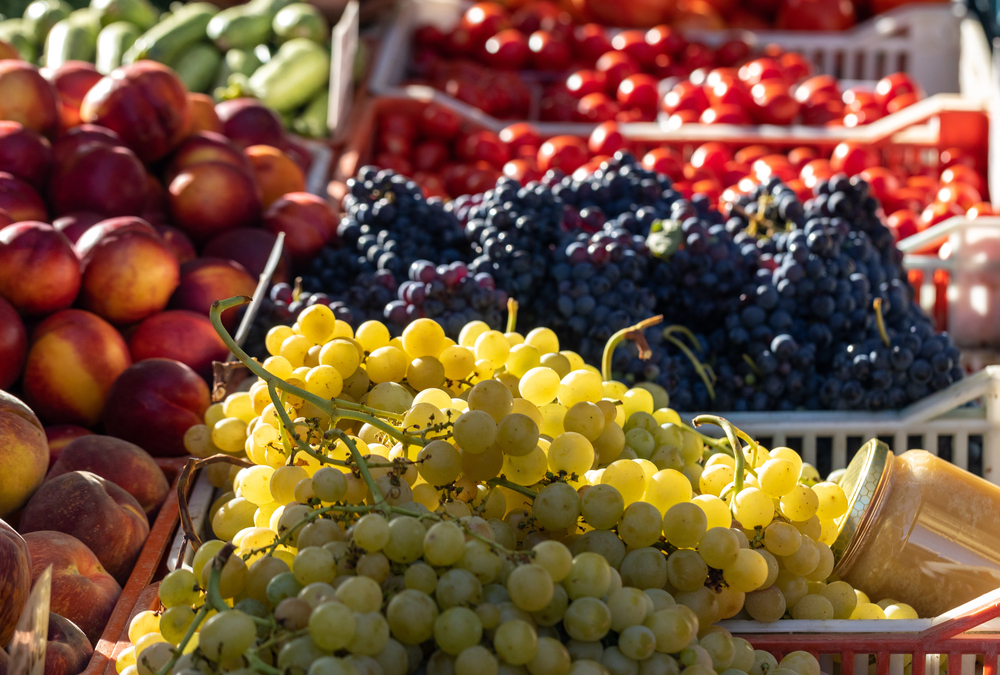
Aim for plants at every meal. Choose berries, leafy greens, tomatoes, peppers, crucifers, citrus, beans, oats, barley, and quinoa. Fiber supports heart health, gut function, and fullness. A plant-rich pattern is foundational in nearly all best nutrition programs for over 50.
Healthy Fats & Omega-3s
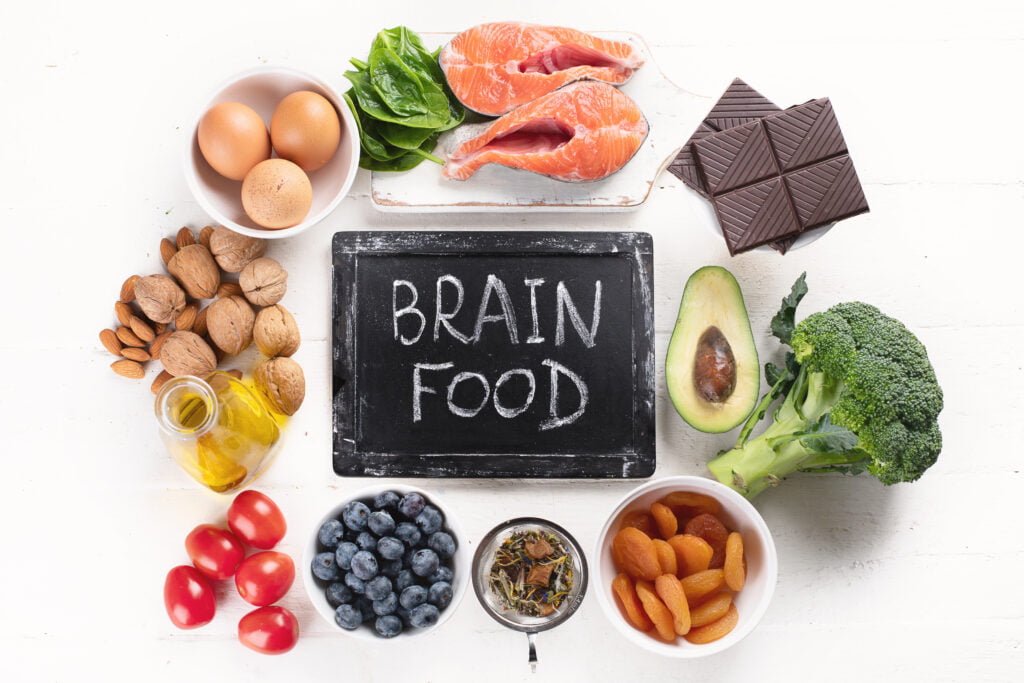
Favor olive oil, nuts, seeds, avocado, and fatty fish. Omega-3s from fish or algae support heart, eye, and brain health. A plant-forward Mediterranean style is both satisfying and evidence-based.
Smart Carbs (Quality Over Quantity)
Focus on quality carbohydrates—intact whole grains, legumes, starchy vegetables, and fruit. Pair carbs with protein and fat to steady energy and appetite.
Hydration & Electrolytes
Older adults can under-drink. Keep water nearby; add herbal tea. Include potassium-rich foods (beans, greens, yogurt, potatoes, avocado) for blood pressure and muscle function.
Calm, Sleep & Stress Balance
Nutrients work best when you recover well. A calming wind-down routine plus magnesium-rich foods and targeted support from the Well Being System can improve sleep consistency—vital for appetite hormones, repair, and mood stability.
The Most Useful Evidence-Based Program Patterns
Mediterranean-Style Eating (Flexible, Flavorful, Protective)
The Mediterranean pattern emphasizes vegetables, legumes, whole grains, fish, olive oil, nuts, seeds, herbs, and moderate dairy; red meat and sweets are limited. It is associated with better heart and brain outcomes and is easy to personalize. Because it is delicious and flexible, many people find it the most sustainable among the best nutrition programs for over 50.
DASH (Dietary Approaches to Stop Hypertension)
DASH focuses on vegetables, fruits, whole grains, lean protein, and low-fat dairy while limiting sodium, sweets, and saturated fat. For adults monitoring blood pressure, combining DASH with walks and strength training creates a reliable base.
Higher-Protein, Muscle-Supportive Plans
After 50, protein needs often increase relative to earlier life. Combining a higher-protein pattern with 2–3 resistance sessions per week maintains muscle, joint stability, and metabolic health.
Plant-Forward / Flexitarian
Plant-forward programs center plants and allow flexibility with fish, eggs, or poultry. They support cholesterol, weight, and longevity while fitting family preferences.
Gentle Time-Restricted Eating (Optional)
Some feel better on 12:12 or 14:10 eating windows. Keep it gentle. Pair with protein and fiber to avoid energy dips. If you have diabetes or use certain medications, consult your clinician first.
Key Nutrients That Deserve Attention After 50
Vitamin D & Calcium (Bones, Muscles, Immunity)
Vitamin D helps absorb calcium and supports muscle and immune function. Calcium supports bones, nerves, and muscle contraction. Many older adults fall short on both. See NIH ODS Vitamin D and NIA vitamins for older adults in References. Diet plus the Age Well System makes it easier to cover daily needs.
Magnesium (Sleep, Stress, Metabolism)
Magnesium participates in hundreds of reactions—muscle relaxation, nerve signaling, and glucose control. Dark greens, nuts, legumes, and cocoa help, while targeted support from the Well Being System can smooth nightly wind-down.
B Vitamins—with Emphasis on B12 (Energy, Clarity)
B12 supports red blood cells and the nervous system. As stomach acid declines, absorption can drop. The Stay Sharp System includes brain-supportive nutrients that complement B-vitamin intake for clarity and focus.
Omega-3s (Inflammation Balance, Brain, Heart, Eyes)
EPA/DHA intake is often low. Include fatty fish weekly or algae-based omega-3s. Pairing omega-3s with a Mediterranean pattern is a proven win.
Antioxidants & Polyphenols (Cellular Protection)
Colorful produce provides vitamin C, E, carotenoids, and polyphenols that help balance inflammation and oxidative stress—critical in long-term healthspan.
Putting It Together: How to Build Your Plan in the Real World
Step 1: Choose Your Primary Pattern
Pick Mediterranean, DASH, plant-forward, or higher-protein. Because the best nutrition programs for over 50 are flexible, adjustments for taste, culture, budget, and schedule are encouraged.
Step 2: Set Protein Targets & Distribute Across the Day
Aim for 20–30 g protein per meal. Add a protein-forward snack if needed.
Step 3: Make Plants Automatic
Cover half your plate with plants. Add olive oil, herbs, and spices for flavor and anti-inflammatory support.
Step 4: Hydrate & Time Caffeine
Keep a water bottle within reach. Enjoy coffee or tea earlier in the day to protect sleep.
Step 5: Supplement Strategically
- Mobility & collagen → Age Well System
- Mental clarity & memory → Stay Sharp System
- Stress balance & deep sleep → Well Being System
Step 6: Strength + Steps
Train strength 2–3 times weekly. Walk daily to promote recovery, mood, and cardiovascular health.
Sample 14-Day Meal & Supplement Framework (Mix-and-Match)
Daily rhythm: Protein-rich breakfast → colorful lunch → balanced dinner; snacks as needed. Adjust portions to your hunger and goals.
Breakfast ideas: Greek yogurt + berries + walnuts; eggs + sautéed spinach + tomatoes; overnight oats + chia + almond butter; tofu scramble + peppers + avocado.
Lunch ideas: Salmon or bean salad with olive oil + lemon; lentil soup + side salad; tuna + white beans + arugula; quinoa bowl with roasted vegetables + tahini.
Dinner ideas: Baked fish or tofu + quinoa + broccoli; chicken or tempeh stir-fry with mixed vegetables; turkey chili + avocado + cabbage slaw; chickpea curry + brown rice + greens.
Snacks: Cottage cheese + fruit; hummus + carrots; apple + peanut butter; edamame; pistachios.
Supplements: Morning—Stay Sharp System; Evening—Age Well System; 60–90 minutes before bed—Well Being System.
Rotate these ideas for two weeks. Keep a short grocery list on your phone. Batch-cook proteins and grains on weekends. Wash and chop produce in advance. Most importantly, keep meals simple enough to repeat.
Costs: Coaching, Dietitians, and What You Actually Need
What Nutrition Coaches & Dietitians Typically Charge
Prices vary by experience and location. A nutrition coach may charge $50–$150 per session, while a Registered Dietitian Nutritionist (RDN) often charges $100–$250 for follow-ups and $150–$300 for initial evaluations. Packages can range from $500–$1,500 over 3–6 months. These rates reflect time for assessment, plan design, and accountability. For complex medical needs or rapid personalization, professional help is worth it.
How to Reduce Costs (Insurance & Medicare)
Some private insurance plans cover Medical Nutrition Therapy (MNT) for specific conditions with a physician referral. Medicare covers MNT for diabetes or chronic kidney disease for eligible beneficiaries; local programs may further defray costs. Always confirm benefits with your plan administrator and ask your primary care provider for documentation if you qualify.
When to DIY vs. Hire Help
If your goals are general (more energy, basics of weight management, better sleep), a DIY plan plus apps can work well. If you have diagnoses like diabetes, kidney disease, GI disorders, or multiple medications, consider at least an initial consult with an RDN for safety and personalization.
Free or Low-Cost Paths That Still Deliver
Community & Government Resources
Look for evidence-based nutrition education through senior centers, local health departments, and non-profits. Community meals for older adults, produce boxes, and cooking classes can be free or very low cost. Federal portals like Nutrition.gov, NIA, and USDA provide printable tools, recipes, and budgeting guides you can trust.
Your Budget-Friendly Home Toolkit
- Template your meals: protein + two colors + whole-food carb + healthy fat.
- Batch-cook: protein, grains, and a sheet pan of vegetables once or twice weekly.
- Shop seasonal: produce is cheaper and tastier in season.
- Use store brands: oats, beans, frozen vegetables, yogurt, olive oil.
- Freeze single-serve portions: busy nights solved.
- Automate: keep a default grocery list and reorder favorites.
These steps keep the best nutrition programs for over 50 practical and affordable—no private chef required.
Apps That Make Consistency Easier (Free or Affordable)
Cronometer
A favorite for detail lovers. Tracks micronutrients accurately and exports reports for clinicians. The free tier is powerful; premium adds trends and extra tools.
MyFitnessPal
Massive food database, barcode scanning, and habit tracking. The free tier is enough for many. Premium provides additional analytics and customization.
MacroFactor
Uses an adaptive algorithm that adjusts calorie budgets based on your actual intake and weight trend. Ideal if you want guardrails without rigidity.
Lifesum
Beautiful interface, easy habit coaching, and simple meal suggestions aligned to your goals.
MyNetDiary & Fooducate
MyNetDiary is straightforward with diabetes-friendly tools. Fooducate simplifies label reading with an A–F grade and tips.
Pick one app and commit for 14 days. Track food, water, and steps. Evaluate energy, sleep, and hunger. Then adjust portions and pattern. Apps make the best nutrition programs for over 50 easier to follow because they reduce guesswork.
The Science—In Plain Language
Diet Quality and Healthy Aging
Large cohort analyses link plant-rich, minimally processed dietary patterns with healthier aging trajectories—better cardiometabolic markers, mobility, and cognition. Major academic sources (e.g., Harvard T.H. Chan School of Public Health’s Nutrition Source) summarize the evidence connecting diet quality to longevity and healthspan.
Protein + Resistance Training
Trials in older adults show that pairing higher protein intake with strength work improves muscle mass and function—important for balance, metabolic health, and independence.
Vitamin D, B Vitamins, and Brain/Immune Health
Authoritative reviews from NIH ODS and NIA note that vitamin D supports bones and immunity; B12 is critical for neurocognitive function; and magnesium helps nerves and sleep. These sources are written for the public and updated as evidence evolves.
Because nutrition research is vast and ongoing, reputable hubs (NIH, NIA, Harvard Nutrition Source) are reliable anchors. Linking your plan to these authorities keeps your best nutrition programs for over 50 aligned with current science.

How Bu Renewed Supplement Systems Fit Seamlessly
Age Well System
The Age Well System is designed for joint comfort, collagen support, and cellular energy. Use it with Mediterranean or higher-protein patterns to keep moving freely, train consistently, and recover better.
Stay Sharp System
The Stay Sharp System supports focus, memory, and mental clarity. Pair it with your most cognitively demanding hours—morning or early afternoon—while you keep a steady nutrition rhythm.
Well Being System
The Well Being System helps balance stress during the day and promotes restful sleep at night. Since sleep quality sets the stage for appetite control, recovery, and mood, this system is a cornerstone in many best nutrition programs for over 50.
Together, these targeted systems reduce friction: food covers the base; Bu Renewed closes gaps that become more common with age.
30-Day Kickstart Roadmap (Simple, Specific, Doable)
Week 1: Foundation
Pick one primary pattern (e.g., Mediterranean). Set a protein target. Stock your kitchen. Choose one app and begin logging.
Week 2: Movement
Add two strength sessions and daily walks. Keep meals repeatable. Take Stay Sharp in the morning. Use Age Well in the evening.
Week 3: Recovery
Protect bedtime. Use Well Being 60–90 minutes before sleep. Track water and fiber. Cook once, eat twice; lean on leftovers.
Week 4: Personalize
Review app data and how you feel. Adjust portions and meal timing. If needed, schedule a consult with a local RDN to fine-tune. Keep what works; discard what doesn’t.
This is how the best nutrition programs for over 50 turn into a lifestyle.
Common Mistakes (and Easy Fixes)
- Too little protein → Include a protein source in every meal.
- Skipping strength training → Lift 2–3 times per week; focus on form.
- Low fiber → Add beans, berries, greens, and whole grains.
- Ignoring vitamin D → Check levels with your clinician; supplement as advised.
- All-or-nothing thinking → Choose flexible, repeatable meals—not rigid rules.
- Under-hydrating → Keep a bottle nearby; sip all day.
- Late caffeine → Move coffee/tea earlier; protect sleep.
- Giant dinners → Shift some calories to earlier meals for digestion and sleep.
- Not tracking anything → Use an app for two weeks, then adjust.
- Expecting perfection → Aim for “better,” not “perfect.” Consistency beats intensity.
Frequently Asked Questions
Do I really need supplements if I eat well?
Often yes. Absorption and needs change with age; even great diets can leave gaps. Thoughtful supplementation makes meeting targets far easier.
Are these plans safe with my medications?
Most patterns are safe, but speak with your clinician—especially for blood thinners, diabetes drugs, or thyroid meds—before changing supplements.
Which program is “best”?
The best nutrition programs for over 50 are the ones you can sustain. Mediterranean, DASH, plant-forward, or higher-protein can all work. Personalize by symptoms, labs, and preference.
Can I do this on a tight budget?
Absolutely. Use a simple meal template, shop store brands, batch-cook, and leverage community resources and free app tiers.
Clear Next Step (Today)
Pick one pattern. Set a protein target. Choose an app and begin logging. Add Stay Sharp System in the morning, Age Well System in the evening, and Well Being System before bed. This simple rhythm upgrades energy, mood, and recovery—fast—and it’s the most practical way to launch one of the best nutrition programs for over 50 without overwhelm.
References & Authoritative Resources
- National Institute on Aging (NIA): Vitamins and Minerals for Older Adults — https://www.nia.nih.gov/health/vitamins-and-minerals-older-adults
- NIH Office of Dietary Supplements (ODS): Vitamin D Fact Sheet — https://ods.od.nih.gov/factsheets/VitaminD-Consumer/
- NIH ODS: Vitamin B12 Fact Sheet — https://ods.od.nih.gov/factsheets/VitaminB12-Consumer/
- NIH ODS: Magnesium Fact Sheet — https://ods.od.nih.gov/factsheets/Magnesium-Consumer/
- Harvard T.H. Chan School of Public Health (Nutrition Source): Healthy Aging — https://nutritionsource.hsph.harvard.edu/healthy-longevity/
- Harvard Nutrition Source: Mediterranean Diet — https://www.hsph.harvard.edu/nutritionsource/healthy-weight/diet-reviews/mediterranean-diet/
- Harvard Nutrition Source: DASH Diet — https://www.hsph.harvard.edu/nutritionsource/healthy-eating-plate/dash-diet/
- USDA / Nutrition.gov: Budget-friendly healthy eating — https://www.nutrition.gov/
- CDC: Physical Activity Basics for Older Adults — https://www.cdc.gov/physicalactivity/basics/older_adults/
- Cronometer — https://cronometer.com/
- MyFitnessPal — https://www.myfitnesspal.com/
- MacroFactor — https://macrofactorapp.com/
- Lifesum — https://lifesum.com/