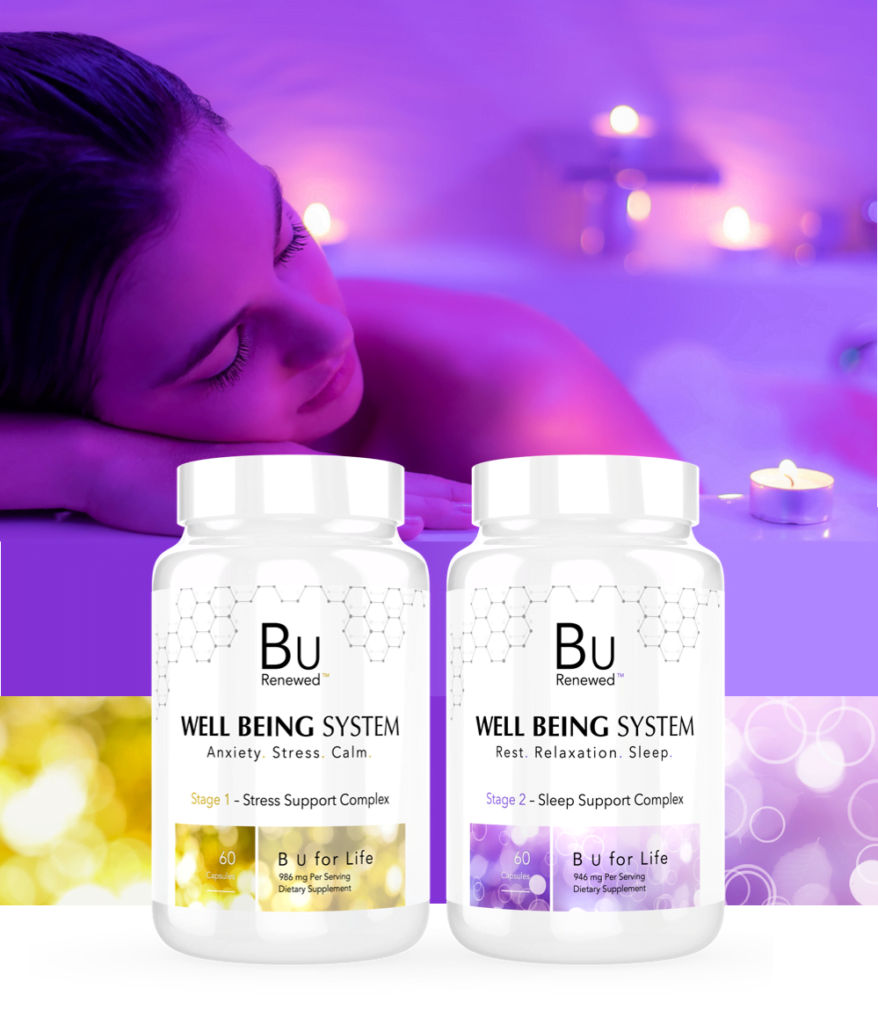
As the cool breeze of fall sets in, it’s the perfect time to focus on nourishing your body with seasonal ingredients. Fall foods not only taste amazing but can also support your overall health. During this season of transition, it is essential to consume foods that can boost immunity, improve digestion, reduce stress, and promote relaxation.
In this guide, we’ll share the best fall seasonal recipes for your well being, along with insights on how the Bu Renewed Well Being System supplements can enhance your wellness routine. The Stage 1 Morning Formula contains stress-relieving ingredients like Biotin, Vitamin B1, B2, B3, B6, B5, Potassium, Zinc, and Magnesium, paired with a stress-support complex including Rhodiola Extract, Ashwagandha, Chamomile, GABA, Lemon Balm, Skullcap, Bacopa, Passion Flower, and St. John’s Wort. Meanwhile, the Stage 2 Evening Formula supports restful sleep and calm with Calcium, B6, Magnesium, and Melatonin, alongside a Sleep Proprietary Formula with L-Tryptophan, Goji, Chamomile, Passion Flower, St. John’s Wort, Skullcap, Ashwagandha, GABA, L-Theanine, Inositol, and 5-HTP.
Why Fall Foods Matter for Well Being
Seasonal foods are packed with nutrients that align with your body’s needs during different times of the year. Fall offers many nutrient-dense options that help with immunity, stress reduction, and overall health. The best fall seasonal recipes for your well being are filled with vitamins, antioxidants, and minerals, like those found in pumpkins, apples, and root vegetables.
During the fall season, your body may need additional support to handle the stress of shorter days and colder temperatures. That’s where the Bu Renewed Well Being System comes into play. The Stage 1 Morning Formula contains a mix of stress-relieving ingredients that are perfect for keeping you balanced throughout the day. At night, the Stage 2 Evening Formula can provide the calm and restful sleep needed to support your well-being as you transition through the season.
Recipe 1: Butternut Squash Soup with Chamomile & Turmeric
Butternut squash is a seasonal favorite. Rich in vitamins A and C, it offers anti-inflammatory benefits that help ease physical stress. Adding chamomile and turmeric enhances the calming properties, which can help lower anxiety. These ingredients align with the calming effects of the Stage 1 Morning Formula in the Bu Renewed Well Being System.
Ingredients:
1 large butternut squash, peeled and cubed
1 onion, diced
3 garlic cloves, minced
1 tsp turmeric powder
1 tsp dried chamomile
4 cups vegetable broth
Salt and pepper to taste
Olive oil for roasting
Instructions:
Preheat your oven to 400°F (200°C). Toss the butternut squash in olive oil, salt, and pepper, then roast for 25-30 minutes.
In a pot, sauté the onion and garlic until translucent.
Add the roasted squash, turmeric, and chamomile, then pour in the broth.
Simmer for 15 minutes, then blend until smooth.
Serve warm.
Health Benefits: This soup is rich in antioxidants, supporting immunity and reducing inflammation. The chamomile and turmeric are known for their stress-relieving properties, similar to the Stage 1 Morning Formula of Bu Renewed’s Well Being System.
Recipe 2: Apple Cinnamon Oatmeal with Goji Berries
Apple cinnamon oatmeal is a comforting fall dish. Apples are packed with antioxidants and fiber, which can support digestive health and reduce inflammation. The inclusion of goji berries, known for their sleep-promoting properties, aligns this recipe with the Stage 2 Evening Formula of Bu Renewed’s Well Being System, which supports restful sleep.
Ingredients:
1 cup rolled oats
2 apples, peeled and diced
1 tsp cinnamon
1/4 cup goji berries
2 cups almond milk (or any milk of choice)
1 tbsp honey or maple syrup
Instructions:
Bring almond milk to a simmer in a saucepan. Add oats, apples, cinnamon, and goji berries.
Cook over medium heat for 10-12 minutes, stirring occasionally.
Stir in honey or syrup, then serve warm.
Health Benefits: Apples support digestion, while goji berries aid in promoting restful sleep, much like the Stage 2 Evening Formula of Bu Renewed’s Well Being System. This dish is both nutritious and calming, making it one of the best fall seasonal recipes for your well being.
Recipe 3: Roasted Root Vegetables with Magnesium-Rich Spinach
Roasting root vegetables, such as sweet potatoes and carrots, provides a nutrient-dense, grounding meal. Adding spinach, a magnesium-rich vegetable, enhances the dish’s ability to reduce stress and promote relaxation.Magnesiumis an essential ingredient in both the Stage 1 Morning Formula and Stage 2 Evening Formula of Bu Renewed’s Well Being System, supporting muscle relaxation and calm.
Ingredients:
2 sweet potatoes, cubed
3 carrots, chopped
2 parsnips, chopped
2 cups fresh spinach
2 tbsp olive oil
1 tsp rosemary
Salt and pepper
Instructions:
Preheat oven to 425°F (220°C). Toss root vegetables in olive oil, rosemary, salt, and pepper.
Roast for 30-35 minutes.
Add spinach during the last 5 minutes of roasting.
Serve warm.
Health Benefits: Root vegetables are rich in antioxidants and vitamins that boost immunity, while spinach offers magnesium to reduce stress. This dish complements the calming benefits of the Bu Renewed Well Being System.
Recipe 4: Pumpkin and Quinoa Salad with Passion Flower Vinaigrette
Pumpkin is a seasonal superfood high in antioxidants. When paired with quinoa, this salad provides a protein boost. The passion flower in the vinaigrette offers stress-relieving benefits, similar to its role in the Stage 1 Morning Formula and Stage 2 Evening Formula of Bu Renewed’s Well Being System.
Ingredients:
1 cup quinoa
2 cups diced pumpkin
2 tbsp olive oil
1 tsp dried passion flower
2 tbsp apple cider vinegar
1 tbsp maple syrup
Mixed greens
Instructions:
Preheat oven to 375°F (190°C). Roast the pumpkin with olive oil for 20-25 minutes.
Cook the quinoa according to package instructions.
Whisk together olive oil, vinegar, maple syrup, and passion flower for the vinaigrette.
Combine the roasted pumpkin, quinoa, and greens, then drizzle with vinaigrette.
Health Benefits: This salad is rich in vitamins and antioxidants. Passion flower aids in reducing anxiety, mirroring the stress-relieving properties found in theBu Renewed Well Being System.
Conclusion
As you enjoy the best fall seasonal recipes for your well being, remember that seasonal foods are packed with nutrients that your body needs to thrive during this time of year. Combining these foods with the Bu Renewed Well Being System supplements can provide the extra support needed for stress management, restful sleep, and overall health.
The power of positive self-talk for well-being. In today’s fast-paced world, stress and anxiety can easily take a toll on your mental and physical health. However, maintaining a positive mindset can be a powerful tool in combating these challenges.
Positive self-talk, the practice of using encouraging and optimistic language toward yourself, can work wonders in promoting well-being. When combined with the right supplements, like Bu Renewed’s Well Being System, you can experience a holistic transformation that nurtures your mental, emotional, and physical health.
In this article, we will explore the healing power of positive self-talk, the science behind its benefits, and how supplementing with the right vitamins and herbs can enhance your well-being. We will also dive into Bu Renewed’s Well Being System, a supplement line specifically designed to foster peace, calm, and relaxation.
The Science Behind Positive Self-Talk
Positive self-talk is more than just a feel-good concept. It is rooted in psychology and neuroscience, showing that the language you use when speaking to yourself can impact your mindset, stress levels, and overall well-being. Researchers have found that positive affirmations help reduce cortisol levels, which is the body’s primary stress hormone. By reinforcing empowering thoughts, you can enhance your emotional resilience and manage difficult situations more effectively .
Self-talk operates through neural pathways in the brain. By using positive affirmations, you can strengthen these pathways, making it easier for your brain to default to optimistic, solution-oriented thinking. This shift in perspective can influence how you respond to stress, thus improving emotional regulation and leading to a greater sense of peace and calm.
Healing from the Inside Out: The Role of Self-Talk in Mental Health
How we speak to ourselves has a direct effect on our mental health. Positive self-talk can help in reframing negative thoughts, reducing self-criticism, and boosting self-esteem. As we age, our mental well-being becomes more critical, especially when we are faced with new stressors such as health challenges, career transitions, or family responsibilities.
Many studies have shown that adopting positive self-talk helps reduce symptoms of anxiety and depression. By focusing on constructive affirmations, you can retrain your brain to handle life’s challenges with more ease and grace . Positive self-talk acts as a healing mechanism, helping individuals manage stress, reduce anxiety, and foster emotional balance.
Bu Renewed’s Well Being System: Supplementing for Calm and Peace
While positive self-talk is a powerful tool, it works best when combined with physical support through proper nutrition and supplementation. Bu Renewed’s Well Being System is designed to enhance your mental and emotional state with a blend of vitamins, minerals, and herbs that promote peace, relaxation, and a sense of well-being.
The Well Being System includes ingredients such as:
B Vitamins (B1, B2, B3, B6, B5, and Biotin): Essential for brain health, these vitamins help regulate mood, reduce anxiety, and support cognitive function. Deficiencies in B vitamins are linked to higher levels of stress and anxiety, so ensuring proper intake is crucial for mental wellness.
Magnesium: Known for its calming properties, magnesium helps relax the nervous system, reduce stress, and promote better sleep. It is a key mineral in maintaining relaxation and overall tranquility.
Zinc and Potassium: Both minerals play important roles in regulating mood and mental clarity. Zinc, in particular, is known for supporting immune function and reducing the risk of mental fatigue.
Goji, Chamomile, and Passion Flower: These natural herbs are well-known for their relaxing and anti-anxiety effects. Chamomile and passion flower, in particular, are often used to reduce anxiety and improve sleep quality, while goji supports immune function and provides a gentle energy boost without overstimulation.
Melatonin: As a natural sleep aid, melatonin helps regulate the body’s sleep-wake cycle, making it easier to fall asleep and stay asleep through the night.
Each of these ingredients works together to foster a sense of calm and relaxation, supporting the body’s natural ability to handle stress while enhancing emotional well-being. You can learn more about the Well Being System by Bu Renewed and how it helps manage stress and anxiety, ensuring a holistic approach to well-being.
Mental and Physical Synergy: Positive Self-Talk and Supplements
Self-talk influences not only mental but also physical well-being. By promoting a positive internal dialogue, you can boost your immune system, improve heart health, and even reduce inflammation. Studies show that optimism and positive thinking can lead to lower blood pressure, reduced risk of cardiovascular disease, and improved healing times .
However, mental wellness alone may not be enough. A supplement regimen, such as Bu Renewed’s Well Being System, can provide your body with the nutrients it needs to function at its best. These supplements help fill the nutritional gaps that might otherwise contribute to increased stress or anxiety.
Vitamin B6, for example, is critical for producing serotonin and dopamine—two neurotransmitters that regulate mood and stress. By ensuring you have enough B6 through supplements, you can enhance the effect of positive self-talk on your mental state, creating a synergistic effect that supports both emotional and physical well-being.
Why Supplementation is Essential for Mental and Emotional Well-Being
Incorporating supplements like those found in the Well Being System by Bu Renewed into your daily routine is key to supporting your mental health.
Vitamins and minerals play a crucial role in maintaining cognitive function, mood regulation, and stress management. Deficiencies in essential nutrients, such as magnesium or B vitamins, can exacerbate feelings of stress, anxiety, and fatigue, making it harder to maintain a positive outlook on life.
Melatonin is particularly beneficial for those struggling with sleep issues due to stress or anxiety. When combined with a practice of positive self-talk, melatonin can help regulate sleep patterns, improve sleep quality, and allow for greater mental clarity and emotional stability during the day.
The Connection Between Emotional and Physical Health
Emotional well-being and physical health are deeply intertwined. Positive self-talk encourages emotional healing, which can have a direct effect on physical health outcomes. When you use positive affirmations, you reduce stress and anxiety, which in turn lowers the levels of cortisol in the body. High cortisol levels are linked to a variety of physical health problems, such as inflammation, digestive issues, and even chronic diseases .
By reducing cortisol and promoting a state of calm, you allow your body to focus on healing and repair. When supplemented with key nutrients, such as those found in the Bu Renewed Well Being System, you provide your body with the tools it needs to heal more effectively from the inside out.
Building a Daily Positive Self-Talk Practice
Creating a habit of positive self-talk requires consistency and mindfulness. While the benefits of this practice are well-documented, integrating it into your daily routine may seem challenging at first. Here are some practical tips to help you get started:
Start with Morning Affirmations: Begin each day by affirming your goals, strengths, and positive attributes. You can say things like, “I am capable,” “I have the power to handle today’s challenges,” or “I am worthy of success and happiness.” This sets a positive tone for the day and primes your mind for optimistic thinking.
Use Positive Reinforcement: Throughout the day, be mindful of your inner dialogue. If you notice negative or critical thoughts, replace them with positive, constructive ones. For example, if you think, “I’m not good enough,” reframe it to, “I am learning, growing, and improving every day.”
Journaling for Self-Talk: Writing down your thoughts can help you track your mental patterns and reflect on your progress. A gratitude journal is a powerful tool, as it focuses on what’s going well in your life. Writing about positive experiences helps reinforce a positive outlook.
Use Visual Cues: Place affirmations in visible areas, such as your bathroom mirror or workspace, to remind yourself to engage in positive self-talk throughout the day. These visual cues can help you stay on track, even during stressful moments.
Mindfulness and Meditation: Integrating mindfulness or meditation into your routine can help you become more aware of your thoughts, making it easier to catch negative self-talk and replace it with positive affirmations. Meditation helps calm the mind and creates space for positive thinking to flourish.
The Link Between Self-Talk and Sleep Quality
One often overlooked aspect of well-being is sleep, which plays a critical role in both mental and physical health. Positive self-talk can significantly improve sleep quality by reducing anxiety and calming the mind before bed. When combined with supplements like Bu Renewed’s Well Being System, which contains melatonin and calming herbs, you can create an environment conducive to restful sleep.
Sleep is crucial for recovery, stress management, and cognitive function. A good night’s sleep allows your body and mind to recharge, helping you wake up feeling refreshed and ready to tackle the day. However, racing thoughts, stress, or anxiety can interfere with sleep, making it harder to wind down at night.
Positive self-talk before bedtime can help shift your focus from worries to calming thoughts. By telling yourself, “I am at peace, and I deserve rest,” or “I will wake up feeling rejuvenated,” you can help your mind relax.
Pair this practice with Bu Renewed’s supplements, particularly those containing melatonin and calming herbs like chamomile and passion flower, to improve sleep duration and quality.
How Positive Self-Talk Reduces Physical Symptoms of Stress
Stress affects the body in many ways, including tension, headaches, digestive issues, and elevated blood pressure. Prolonged stress can weaken the immune system, making you more susceptible to illnesses. While stress is often unavoidable, how you respond to it can make a significant difference.
Positive self-talk helps to reduce the physical symptoms of stress by promoting relaxation and lowering cortisol levels. When you affirm to yourself, “I am in control of my emotions,” or “I am calm and capable,” you send a signal to your body to stop producing excess stress hormones. As a result, your muscles relax, your heart rate decreases, and your mind becomes clearer.
Incorporating supplements such as magnesium and B vitamins, both found in Bu Renewed’s Well Being System, can further aid in reducing stress-related physical symptoms. Magnesium helps regulate the nervous system, promoting relaxation, while B vitamins support brain function and reduce feelings of anxiety.
Creating a Positive Environment to Support Self-Talk
Your external environment plays a significant role in shaping your thoughts and emotions. To cultivate positive self-talk, it’s important to create an environment that reinforces positivity and well-being. Here are some ways to make your surroundings more conducive to optimistic thinking:
Declutter Your Space: A cluttered space can lead to a cluttered mind. Organizing your home or workspace can create a more peaceful environment that promotes mental clarity and calm. This simple act of decluttering can support a positive mindset.
Surround Yourself with Positive Influences: The people you interact with can greatly affect your internal dialogue. Surround yourself with individuals who uplift and support you, and who also engage in positive self-talk. Positive conversations and encouragement from others can help reinforce your own practice.
Incorporate Relaxing Elements: Introduce calming elements into your environment, such as soft lighting, soothing music, or nature sounds. These elements can help create a tranquil space where positive thoughts can thrive. Additionally, consider integrating Bu Renewed’s Well Being System into your relaxation routine to enhance the calming effects.
Mindful Eating and Supplementation: The foods you eat and the supplements you take can influence your mental state. Choose nutrient-dense, whole foods that support brain health and mood regulation, such as leafy greens, nuts, seeds, and fruits. Additionally, supplements like those in the Well Being System can help fill in nutritional gaps and provide the vitamins and minerals needed for optimal mental and emotional well-being.
The Long-Term Impact of Positive Self-Talk on Aging Well
As we age, maintaining mental and emotional health becomes even more important. Positive self-talk can contribute to aging well by fostering resilience, optimism, and emotional balance.
Studies show that individuals who engage in positive thinking and self-talk tend to experience better health outcomes as they age, including lower rates of depression and cognitive decline.
When combined with the right supplementation, such as the vitamins and minerals in Bu Renewed’s Well Being System, positive self-talk can support cognitive function and help reduce age-related stressors. As an example, zinc and B vitamins have been linked to improved memory and mental clarity, while magnesium helps reduce feelings of overwhelm and anxiety.
Incorporating both positive self-talk and supplementation into your daily routine can help you navigate the challenges of aging with grace, resilience, and a sense of calm. By taking a proactive approach to your mental and physical health, you can enjoy a higher quality of life as you age.
How to Get Started with Bu Renewed’s Well Being System
If you’re ready to enhance your well-being, incorporating Bu Renewed’s Well Being System into your daily routine is a great place to start.
These supplements are designed to work alongside your positive self-talk practice, providing the nutrients your body and mind need to thrive.
Here’s how you can integrate these supplements into your routine:
Start Your Day with B Vitamins: B vitamins support cognitive function and mood regulation, making them an ideal supplement to take in the morning. They can help set a positive tone for the day, enhancing the effects of your morning affirmations.
Take Magnesium in the Evening: Magnesium is known for its calming properties, so taking it in the evening can help you unwind and prepare for restful sleep. Pair this with a positive self-talk practice before bed, focusing on thoughts of relaxation and peace.
Incorporate Herbal Supplements for Stress Relief: The calming herbs in the Well Being System, such as chamomile, passion flower, and goji, can be taken throughout the day to manage stress and anxiety. These supplements help support a calm and balanced mood, making it easier to maintain positive self-talk during challenging moments.
Conclusion: Building a Holistic Approach to Well-Being
The combination of positive self-talk and proper supplementation can create a powerful pathway toward mental, emotional, and physical wellness. By incorporating Bu Renewed’s Well Being System into your routine, you can provide your body with the nutrients it needs to support a calm and peaceful state of mind, while positive self-talk helps foster emotional resilience and inner strength.
In an age where stress and anxiety are prevalent, it’s essential to focus on healing from the inside out. Positive self-talk and supplements go hand in hand, helping you create a balanced, peaceful, and healthy life. Take the next step in nurturing your well-being by incorporating both practices into your daily routine and watch your mind, body, and spirit thrive.
For more information about the Bu Renewed Well Being System, check out our Well Being System Supplements, designed to support your journey to peace and calm.
This article is about gut health and the relationship to aging well, and the key to longevity.
Aging is a natural process, but how we age can be influenced by various factors, including our diet, lifestyle, and overall health.
One crucial aspect of health that often goes unnoticed is gut health. A healthy gut is not only essential for digestion but also plays a significant role in our overall well-being, including how we age.
This article explores the connection between gut health and aging well, offering insights into how you can maintain a youthful vitality by taking care of your gut.
The Gut Health Connection
The gut, often referred to as the “second brain,” is home to trillions of microorganisms, including bacteria, viruses, and fungi.
This complex community, known as the gut microbiome, is responsible for more than just digesting food. It plays a crucial role in immune function, mental health, and even skin health.
As we age, the balance of our gut microbiome can change, leading to various health issues, including inflammation, weakened immunity, and slower metabolism. This is connection between gut health and aging well, and, the key to longevity.
Research has shown that a healthy gut microbiome is associated with better overall health and longevity. A diverse and balanced gut microbiome can help protect against age-related diseases, maintain cognitive function, and even support a youthful appearance .
How Gut Health Affects Aging
Inflammation and Chronic Disease: Chronic inflammation is a significant contributor to the aging process.
An imbalanced gut microbiome can lead to increased inflammation in the body, which is linked to a host of age-related diseases, including heart disease, diabetes, and Alzheimer’s.
By maintaining a healthy gut, you can reduce inflammation and lower your risk of chronic diseases, promoting a longer, healthier life.
Immune System Support: The gut is a central part of the immune system, housing about 70% of the body’s immune cells.
A healthy gut microbiome supports immune function, helping the body fight off infections and diseases.
As we age, our immune system naturally weakens, but by maintaining gut health, we can bolster our immune defenses and reduce the risk of illness.
Mental Health and Cognitive Function: The gut-brain connection is a well-established concept, with the gut microbiome influencing mental health and cognitive function.
As we age, maintaining mental sharpness is essential for overall well-being. A healthy gut can support brain health by producing neurotransmitters like serotonin, which regulates mood, and by reducing inflammation that can impair cognitive function.
Skin Health: The state of your gut can also affect the health and appearance of your skin.
A healthy gut microbiome can reduce the risk of skin conditions such as acne, eczema, and rosacea.
Additionally, by reducing inflammation and supporting nutrient absorption, a healthy gut can help maintain a youthful complexion, even as you age.
Tips for Maintaining Gut Health as You Age
Eat a Diverse Diet: Consuming a wide variety of foods, especially fruits, vegetables, whole grains, and fermented foods, can help maintain a diverse gut microbiome. These foods provide essential nutrients and prebiotics that feed the beneficial bacteria in your gut, promoting a healthy balance.
Incorporate Probiotics: Probiotics are live microorganisms that can benefit your health by improving the balance of your gut microbiome. They can be found in fermented foods like yogurt, kefir, sauerkraut, and kimchi, or in supplement form. Regularly consuming probiotics can help support gut health and reduce the risk of gut-related issues as you age.
Manage Stress: Chronic stress can negatively impact your gut health, leading to issues like irritable bowel syndrome (IBS) and leaky gut. Engaging in stress-reducing activities such as meditation, yoga, and deep breathing can help maintain a healthy gut and reduce the risk of stress-related health issues. As we discussed, gut health and aging well, and the key to longevity.
Stay Hydrated: Drinking enough water is essential for maintaining a healthy gut. Water helps with digestion and nutrient absorption and supports the lining of the gut. Staying hydrated can also help prevent constipation, a common issue as we age.
Exercise Regularly: Physical activity is not only good for your overall health but also for your gut. Exercise has been shown to promote a healthy gut microbiome by increasing the diversity of gut bacteria. Regular exercise can also reduce inflammation and support immune function, helping you age well.
Consider Supplements: As we age, our bodies may need extra support to maintain gut health. Supplements such as prebiotics, probiotics, and digestive enzymes can help maintain a healthy gut microbiome and support overall digestion. The Age Well System by Bu Renewed offers a range of supplements specifically designed to support gut health and promote healthy aging. These supplements can help fill nutritional gaps and provide the necessary support to keep your gut healthy as you age. Please consult a doctor should you be on any medications. Learn more about the Age Well System by Bu Renewed
Avoid Antibiotics Unless Necessary: While antibiotics are essential for fighting bacterial infections, they can also disrupt the balance of your gut microbiome by killing beneficial bacteria. It’s important to use antibiotics only when necessary and to take steps to restore your gut health afterward, such as by consuming probiotics and eating a gut-friendly diet.
The Role of Supplements in Gut Health and Aging
While diet and lifestyle play a significant role in maintaining gut health, supplements can provide additional support, especially as we age.
The Age Well System by Bu Renewed is specifically designed to support gut health and promote healthy aging. These supplements include:
Probiotic Complex: This supplement contains a blend of beneficial bacteria strains that support a healthy gut microbiome. Regular use can help maintain gut balance, support digestion, and boost immune function.
Prebiotic Fiber: Prebiotics are non-digestible fibers that feed the beneficial bacteria in your gut. This supplement helps promote the growth of healthy bacteria and supports overall gut health.
Digestive Enzymes: As we age, our bodies may produce fewer digestive enzymes, leading to issues such as bloating, gas, and indigestion. Digestive enzyme supplements can help support the breakdown of food and improve nutrient absorption. Dr. Gundry is an expert in gut health and offers specific supplements for gut health. www.gundrymd.com
Gut Health and Longevity
Maintaining a healthy gut is essential for aging well and living a long, healthy life. The gut plays a crucial role in many aspects of health including immune function to mental well-being. And, by taking care of your gut, you can support overall health and vitality as you age.
Research has shown that individuals with a diverse and balanced gut microbiome tend to live longer. As well, it can help create lower risk of age-related diseases .
Follow the tips outlined in this article and incorporating supplements. The Age Well System by Bu Renewed, can help support your gut health and promote healthy aging.
In conclusion, gut health is a vital aspect of aging well.
Maintaining a healthy gut microbiome through a balanced diet, regular exercise, stress management. As well, the right supplements, can help reduce the risk of age-related diseases. You can also support immune function, and maintain a youthful appearance.
Best Foods for Joints & Muscle Health are essential for maintaining mobility and strength. Proper nutrition supports joint flexibility and muscle function. This article explores the top foods that promote joint and muscle health.
Introduction
Best Foods for Joints & Muscle Health are essential for maintaining mobility and strength.
Proper nutrition supports joint flexibility and muscle function. This article explores the top foods that promote joint and muscle health.
Importance of Nutrition for Joint and Muscle Health
Proper nutrition plays a crucial role in maintaining joint and muscle health.
Certain foods provide the nutrients necessary for optimal function.
Key Nutrients for Joints and Muscles
Nutrients like omega-3 fatty acids, vitamin D, calcium, and protein are vital for joint and muscle health.
Including these in your diet can prevent issues.
Omega-3 Fatty Acids
Omega-3 fatty acids reduce inflammation and support joint health. Foods like salmon, walnuts, and flaxseeds are rich sources.
Vitamin D
Vitamin D is essential for bone and muscle health.
It helps the body absorb calcium, which is crucial for strong bones. Get more Vitamin D benefits from exploring The Bu Renewed Age Well System, Well Being System and Stay Sharp System. These supplements are highly regarded to be #1 by doctors and professionals who evaluate the effectiveness of these formulas.
Calcium
Calcium is vital for bone health. Dairy products, leafy greens, and fortified foods are excellent sources.
Calcium supports muscle contractions as well.
Protein
Protein is crucial for muscle repair and growth. Explore protein-rich foods and joints supplements for better muscle health.
Include lean meats, beans, and nuts in your diet to meet protein needs.
Top Foods for Joint and Muscle Health
Fatty Fish
Fatty fish like salmon, mackerel, and sardines are rich in omega-3 fatty acids.
They help reduce inflammation and support joint health.
Leafy Greens
Leafy greens like spinach, kale, and collard greens are packed with vitamins and minerals.
They provide calcium and antioxidants for joint health.
Nuts and Seeds
Nuts and seeds are excellent sources of protein and healthy fats.
Almonds, chia seeds, and flaxseeds are particularly beneficial for joint and muscle health.
Berries
Berries are rich in antioxidants, which help reduce inflammation.
Blueberries, strawberries, and raspberries can protect joints and muscles from damage.
Olive Oil
Olive oil contains anti-inflammatory compounds. It is a healthy fat that supports overall joint and muscle health.
Turmeric
Turmeric is known for its anti-inflammatory properties. Adding turmeric to your diet can help reduce joint pain and inflammation.
Ginger
Ginger has anti-inflammatory and antioxidant properties. It can help alleviate joint pain and improve muscle recovery.
Garlic
Garlic is packed with anti-inflammatory compounds. Including garlic in your diet can support joint and muscle health.
Whole Grains
Whole grains provide essential nutrients like magnesium and fiber. They support muscle function and overall health.
Beans and Legumes
Beans and legumes are excellent protein sources. They also provide fiber and other nutrients essential for joint and muscle health.
Avocado
Avocado is rich in healthy fats and antioxidants. It supports joint lubrication and overall health.
Sweet Potatoes
Sweet potatoes are packed with vitamins and minerals. They provide antioxidants that help reduce inflammation in joints and muscles.
Bone Broth
Bone broth is rich in collagen and gelatin. These nutrients support joint health and can reduce pain and inflammation.
Oranges
Oranges and other citrus fruits provide vitamin C. Vitamin C is crucial for collagen production, supporting joint and muscle health.
Green Tea
Green tea contains antioxidants that reduce inflammation. Drinking green tea can support joint and muscle health.
Foods to Avoid for Joint and Muscle Health
Processed Foods
Processed foods often contain unhealthy fats and sugars. These can increase inflammation and negatively impact joint and muscle health.
Sugary Drinks
Sugary drinks can lead to weight gain and inflammation. Avoiding them can help maintain healthy joints and muscles.
Excessive Alcohol
Excessive alcohol consumption can weaken bones and muscles. Moderation is key to maintaining joint and muscle health.
Refined Carbohydrates
Refined carbohydrates can cause inflammation. Opt for whole grains instead to support joint and muscle health.
Lifestyle Tips for Joint and Muscle Health
Stay Active for Joint and Muscle Health
Staying active is crucial for maintaining joint and muscle health.
Physical activity, combined with the best foods for joints & muscle health, can significantly improve your quality of life.
Regular exercise strengthens muscles, enhances flexibility, and supports overall well-being.
The Importance of Physical Activity
Physical activity is essential for maintaining joint and muscle health.
It helps in preventing stiffness, reducing pain, and improving mobility.
Combining exercise with the best foods for joints & muscle health can maximize these benefits.
Strengthens Muscles
Regular exercise strengthens muscles, which support and protect your joints.
Strong muscles help in distributing the load and reducing joint stress.
Include exercises like weight training and resistance training in your routine.
Enhances Flexibility
Staying active improves flexibility and range of motion.
Stretching exercises, yoga, and Pilates are excellent for enhancing flexibility. Flexible joints are less prone to injury and pain.
Reduces Joint Pain
Exercise can reduce joint pain and inflammation.
Low-impact activities like swimming and cycling are particularly beneficial for joint health.
They provide a good workout without putting too much stress on the joints.
Types of Exercises for Joint and Muscle Health
Aerobic Exercises
Aerobic exercises, like walking, swimming, and cycling, are excellent for cardiovascular health and joint mobility.
Learn more about aerobic exercises, they improve blood flow and help in maintaining a healthy weight.
Strength Training
Strength training exercises, such as lifting weights and resistance bands, help build muscle strength.
It is advisable to explore strength training tips. Strong muscles provide better joint support and reduce the risk of injuries.
Flexibility Exercises
Flexibility exercises, including stretching and yoga, enhance joint range of motion.
Discover the benefits of flexibility exercises, they help in preventing stiffness and improving overall flexibility.
Balance Exercises
Balance exercises, like tai chi and standing on one leg, improve stability and coordination.
They help in preventing falls and maintaining good posture.
Tips for Staying Active
Set Realistic Goals
Set achievable goals to stay motivated.
Start with small, manageable targets and gradually increase the intensity and duration of your workouts.
Setting realistic goals can help you stay consistent and track your progress effectively.
Find Activities You Enjoy
Choose activities you enjoy to make exercise a fun part of your daily routine.
Whether it’s dancing, hiking, or playing a sport, enjoying your workout can keep you engaged and motivated.
Mix Up Your Routine
Variety in your exercise routine can prevent boredom and target different muscle groups.
Mix up aerobic, strength, flexibility, and balance exercises to get a well-rounded workout.
Stay Consistent
Consistency is key to maintaining joint and muscle health.
Aim for at least 150 minutes of moderate aerobic activity or 75 minutes of vigorous activity each week.
Consistent exercise leads to long-term health benefits and improved joint and muscle function.
Listen to Your Body
Pay attention to your body’s signals; if you experience pain or discomfort, adjust your activity level or try a different exercise.
Listening to your body can help prevent injuries and ensure you get the most benefit from your workouts.
Stay Hydrated
Proper hydration is essential for joint lubrication and muscle function.
Drink plenty of water before, during, and after exercise. Staying hydrated supports overall joint and muscle health.
Warm Up and Cool Down
Warming up before exercise and cooling down afterward can prevent injuries and improve flexibility.
Include light stretching and gentle movements in your warm-up and cool-down routines.
The Role of Nutrition in Staying Active
Combining physical activity with the best foods for joints & muscle health can enhance your overall well-being.
Proper nutrition provides the energy and nutrients needed for effective workouts and recovery.
Protein for Muscle Repair
Protein is crucial for muscle repair and growth.
Explore protein-rich foods and include lean meats, beans, and nuts in your diet to meet protein needs for better muscle health.
Omega-3 Fatty Acids
Omega-3 fatty acids reduce inflammation and support joint health.
Foods like salmon, walnuts, and flaxseeds are rich sources.
Combining omega-3-rich foods with regular exercise can reduce joint pain and inflammation.
Vitamin D, H2o and Calcium
Vitamin D and calcium are essential for bone health. They help the body absorb and utilize calcium effectively.
Staying hydrated is essential for maintaining joint lubrication and muscle function.
Drink plenty of water and include hydrating foods like fruits and vegetables in your diet.
Conclusion
Best Foods for Joints & Muscle Health are essential for maintaining mobility and strength.
By incorporating nutrient-rich foods into your diet, you can support joint and muscle health.
Powering Through Your Fears (as it relates to health, age, and longevity) is crucial for maintaining a high quality of life.
As we age, our health concerns often grow, but addressing these fears head-on can lead to a longer, healthier life.
This article explores strategies for overcoming these fears and provides practical tips for enhancing longevity.
Understanding Your Fears
Common Health Fears
Many people fear developing chronic illnesses such as heart disease, diabetes, or cancer.
These fears can lead to anxiety and stress.
Fear of Aging
Aging brings physical changes that can be overwhelming.
Concerns about losing independence and experiencing cognitive decline are common.
Longevity Concerns
Living a long life is a goal for many, but fears about maintaining health and quality of life can be overwhelming.
Psychological Impact
Fears related to health, age, and longevity can have a significant psychological impact, leading to anxiety, depression, and decreased well-being.
Recognizing Triggers
Identifying what triggers your fears is the first step in addressing them. This awareness can help you develop coping strategies.
Strategies for Overcoming Health Fears
Seeking Professional Advice
Consult healthcare professionals to address your health concerns. Regular check-ups can catch potential issues early.
Staying Informed
Educate yourself about health issues and their prevention. Reliable information can alleviate unnecessary fears. Resources like Mayo Clinic can be very helpful.
Healthy Lifestyle Choices
Adopting a healthy lifestyle is crucial. Exercise regularly, eat a balanced diet, and avoid harmful habits like smoking.
Stress Management
Managing stress is essential for overall health. Techniques like meditation, yoga, and deep breathing can help reduce anxiety.
Support Systems
Explore this 5 tips on aging well to see how having a strong support system can alleviate fears.
Friends, family, and support groups provide emotional and practical support.
Embracing the Aging Process
Positive Aging Mindset
Developing a positive mindset about aging can improve your overall outlook on life and reduce fears related to getting older.
Staying Active
Physical activity is crucial for healthy aging. It helps maintain mobility, strength, and overall well-being.
Mental Stimulation
Keep your mind active through learning, puzzles, and social interactions. Mental stimulation can prevent cognitive decline.
Social Connections
Maintaining strong social connections can enhance your quality of life. Engage in community activities and stay connected with loved ones.
Purpose and Fulfillment
Finding purpose in life is vital. Volunteer, pursue hobbies, and stay engaged in activities that bring you joy and satisfaction.
Addressing Longevity Concerns
Understanding Longevity
Longevity refers to the length of an individual’s life. With modern medicine, people are living longer, but concerns remain.
Factors Affecting Longevity
Genetics, lifestyle, and environment all influence longevity. While some factors are uncontrollable, lifestyle changes can significantly impact lifespan.
Genetics and Longevity
Genetic predispositions can affect lifespan, but healthy habits can help mitigate genetic risks. Understanding your family history is essential.
Lifestyle Choices
Diet, exercise, and stress management are crucial. Healthy eating and regular physical activity can add years to your life.
Diet and Longevity
A balanced diet rich in fruits, vegetables, and whole grains supports longevity. Avoiding processed foods is equally important.
Powering Through Your Fears
Addressing fears about aging and health is crucial for longevity.
Chronic stress negatively impacts health. The Bu Renewed Well Being System supplements can improve overall well-being and extend lifespan.
Techniques for Managing Stress
Meditation, deep breathing, and hobbies can reduce stress. Incorporating these practices into daily life is beneficial.
The Role of Sleep
Quality sleep is essential for longevity. It allows the body to repair and rejuvenate, reducing health risks.
Improving Sleep Quality
Maintain a regular sleep schedule and create a restful environment. Avoiding screens before bedtime can enhance sleep quality.
Practical Tips for Enhancing Longevity
Balanced Nutrition
Ensure your diet is rich in essential nutrients. Supplements like those discussed in https://burenewed.com/blogs/ articles can help fill nutritional gaps.
Regular Exercise
Incorporate regular exercise into your routine. Activities like walking, swimming, and yoga promote longevity and overall health.
Sleep Hygiene
Good sleep hygiene is essential. Aim for 7-9 hours of quality sleep per night to support your health and well-being.
Hydration
Stay hydrated by drinking plenty of water daily. Proper hydration is vital for all bodily functions and overall health.
Avoiding Harmful Habits
Avoid smoking and limit alcohol consumption. These habits can significantly impact your health and longevity.
Developing a Positive Mindset
Gratitude Practice
Practicing gratitude can shift your mindset. Focus on what you’re thankful for to cultivate positivity and reduce fears.
Mindfulness and Meditation
Mindfulness and meditation can help manage anxiety and stress. These practices promote mental clarity and emotional balance.
Setting Realistic Goals
Set realistic health and wellness goals. Achievable goals provide motivation and a sense of accomplishment.
Celebrating Small Wins
Celebrate small victories along your health journey. Recognize your progress and use it as motivation to continue.
Self-Compassion
Practice self-compassion. Be kind to yourself and acknowledge that everyone faces challenges and fears.
Supporting Your Journey To Powering Your Fears
Fear is a natural response but can hold us back.
Powering through your fears is essential for personal growth and longevity.
Understanding Fear
Fear can impact health, age, and longevity. Understanding its roots helps in managing and overcoming it effectively.
The Role of Health in Managing Fear
A healthy lifestyle plays a crucial role in managing fear.
Regular exercise, a balanced diet, and sufficient sleep can significantly reduce anxiety levels.
Read more about how Bu Renewed Well Being System supplements can enhance your health.
Strategies for Powering Through Your Fears
Developing effective strategies is crucial.
Here are some practical steps to help you overcome your fears and lead a healthier life.
Positive Thinking
Adopt a positive mindset. Reframe negative thoughts and focus on positive outcomes. This shift can significantly impact your mental state.
Setting Realistic Goals
Set achievable goals. Break down larger fears into smaller, manageable tasks. This approach makes overcoming fears less challenging.
Seeking Support
Don’t hesitate to seek support. Talking to friends, family, or a therapist can provide valuable insights and encouragement.
Professional Guidance
Seek guidance from healthcare professionals. They can provide personalized advice and support for your health journey.
Reliable Information
The NIH Office of Dietary Supplements is an excellent resource. Stay informed with reliable sources. Accurate information can empower you to make informed health decisions.
Community Support
Engage with community support groups. Sharing experiences and advice can provide comfort and reduce feelings of isolation.
Family and Friends
Lean on family and friends for support. Their encouragement and assistance can help you stay motivated and positive.
Personal Commitment
Commit to your health journey. Consistency and dedication are key to overcoming fears and achieving longevity.
Conclusion
Powering through your fears, especially concerning health, age, and longevity, requires commitment and a positive mindset.
Embracing these challenges can lead to a healthier, happier life. By addressing health concerns and taking proactive steps, you can significantly enhance your well-being.
Remember the importance of seeking support from healthcare professionals and utilizing reliable information.
Building a strong support system can make a significant difference in overcoming fears and achieving your health goals.
Commit to Positive Changes
Commit to making positive changes today. Incorporate regular check-ups, a balanced diet, and exercise into your routine.
Building mental resilience through mindfulness and meditation can also help you manage fears more effectively.
Enjoy the Benefits
The benefits of powering through your fears are immense.
By taking control of your health, you can enjoy better physical and mental well-being, a longer life, and a more fulfilling existence.
Empower yourself with proactive health measures and embrace the journey towards a brighter future.
Better Physical Health
Powering through your fears leads to improved physical health. Regular exercise, a balanced diet, and preventive care contribute significantly.
Our purpose in life and longevity are deeply interconnected. Having a clear purpose can significantly impact our overall well-being and lifespan. This article explores the various aspects of finding purpose and how it contributes to a longer, healthier life.
Introduction
Our purpose in life and longevity are deeply interconnected. Having a clear purpose can significantly impact our overall well-being and lifespan.
Research has shown that individuals with a strong sense of purpose tend to live longer, healthier lives.
This sense of purpose provides motivation, direction, and resilience, which are essential for handling life’s challenges.
Understanding how purpose influences longevity can help individuals make more informed choices about their health and well-being.
This article explores the various aspects of finding purpose and how it contributes to a longer, healthier life.
It does this by offering practical strategies and insights based on the latest scientific research.
By having a sense of purpose, we can enhance our physical, mental, and emotional health.
Ultimately, this will lead to a more fulfilling and extended life.
Understanding Purpose in Life
Purpose in life refers to the sense of meaning and direction that drives an individual’s actions and decisions.
It is a crucial aspect of psychological well-being and overall health.
Defining Purpose
Purpose can be defined as a deeply held aspiration that gives life meaning.
It guides our goals, behaviors, and decisions.
For some, purpose is linked to career achievements, while for others, it may be related to family, community service, or personal growth.
Importance of Purpose
Having a purpose in life is essential for mental and emotional health.
It provides motivation, resilience, and a sense of fulfillment.
Studies show that people with a clear sense of purpose live longer, healthier lives.
Finding Your Purpose
Finding purpose often involves self-reflection and exploration, according to Harvard Business Review.
Identifying passions, values, and strengths can help uncover what truly matters to you.
Engage in activities that bring joy and fulfillment to discover your purpose.
Connection Between Purpose and Longevity
Psychological Benefits
Purpose in life provides numerous psychological benefits.
It reduces stress, enhances resilience, and promotes a positive outlook.
These factors contribute to improved mental health and longevity.
It encourages healthy behaviors, such as regular exercise, balanced nutrition, and adequate sleep.
These habits reduce the risk of chronic diseases and support longevity.
Biological Mechanisms
Research indicates that purpose in life may influence biological processes.
It can improve immune function, reduce inflammation, and promote cardiovascular health.
These mechanisms contribute to a longer, healthier life.
Latest Studies on Purpose and Longevity
The Blue Zones
The Blue Zones are regions with the highest concentrations of centenarians.
Studies in these areas reveal that having a strong sense of purpose, known as “ikigai” in Japan, is a common trait among long-lived individuals.
Psychological Well-Being and Mortality
Research published in the journal Psychosomatic Medicine found that individuals with a high sense of purpose had a reduced risk of all-cause mortality.
This study highlights the significant impact of purpose on longevity.
Regular exercise, a balanced diet, and adequate sleep are crucial for overall well-being and longevity.
Practicing Gratitude
Gratitude enhances well-being and fosters a positive outlook.
Regularly practice gratitude by reflecting on things you are thankful for and expressing appreciation to others.
Role of Purpose in Different Life Stages
Adolescence and Young Adulthood
During adolescence and young adulthood, individuals often explore different interests and identities.
This stage is crucial for developing a sense of purpose and direction.
Midlife
Midlife is often a period of reassessment and reflection.
It’s an opportunity to evaluate one’s life path and make changes that align with personal values and goals.
The Age Well System by Bu Renewed provides all the vitamins, minerals and nutrients to help you find the fountain of youth. You will see results in your skin’s appearance, your mobility and help you look and feel younger.
Retirement and Later Life
In retirement and later life, maintaining a sense of purpose is vital for well-being.
Engaging in meaningful activities, hobbies, and social connections can enhance life satisfaction and longevity.
Challenges in Finding Purpose
Overcoming Obstacles
Finding purpose can be challenging due to various obstacles such as fear, self-doubt, and external pressures.
Overcoming these obstacles requires courage, perseverance, and support from others.
Addressing Burnout
Burnout can hinder the search for purpose.
It’s essential to recognize signs of burnout and take steps to recover, such as taking breaks, seeking support, and engaging in self-care.
Dealing with Life Transitions
Life transitions, such as career changes, loss of loved ones, or retirement, can impact one’s sense of purpose.
Handling these transitions with resilience and openness can help in finding new meaning and direction.
The Well Being System by Bu Renewed supports stress and anxiety helping to calm your nerves providing a deep and restful sleep and more relaxation.
Purpose and Well-Being
Emotional Health
A strong sense of purpose enhances emotional health by providing a sense of fulfillment and reducing feelings of anxiety and depression.
Social Well-Being
Purposeful individuals often have strong social connections and engage in meaningful relationships, which contribute to overall well-being.
Spiritual Well-Being
For many, purpose is linked to spiritual beliefs and practices.
Engaging in spiritual activities can provide a sense of peace and connection to something greater.
Integrating Purpose into Daily Life
Daily Practices
Incorporate practices that reinforce your purpose into your daily routine.
This could include meditation, journaling, or setting daily intentions, as captured by one of our favorites articles.
Mindfulness and Awareness
Mindfulness practices can help you stay connected to your purpose.
Regularly check in with yourself to ensure your actions align with your values and goals.
Adapting to Changes
Be open to adapting your sense of purpose as you grow and evolve.
Life changes and experiences can shape and redefine your purpose over time.
The Role of Support Systems
Family and Friends
Family and friends play a crucial role in supporting your sense of purpose. They provide encouragement, advice, and companionship.
Professional Guidance
Seek professional guidance from coaches, therapists, or mentors. They can offer valuable insights and help you navigate challenges in finding and maintaining purpose.
Community and Social Networks
Engaging with community groups and social networks can provide a sense of belonging and support.
These connections can help reinforce your purpose and provide opportunities for growth.
Conclusion
The Power of Purpose
Our purpose in life and longevity are deeply connected.
A strong sense of purpose enhances well-being, promotes healthy behaviors, and supports longevity.
By finding and nurturing your purpose, you can lead a more fulfilling and healthier life.
Commitment to Purpose
Commit to discovering and cultivating your purpose. Engage in self-reflection, set meaningful goals, and build strong relationships.
Through continuous learning and growth, you will maintain a sense of purpose throughout your life.
Embrace a Fulfilling Life
Embrace a fulfilling life by aligning your actions with your purpose.
Reflect on your daily activities and choices to ensure they resonate with your core values and long-term goals.
This alignment fosters a sense of satisfaction and coherence in life.
Final Thoughts
Addressing our purpose in life and longevity requires a comprehensive approach.
By focusing on psychological, physical, and social well-being, you can enhance your overall health and extend your lifespan.
Start your journey towards a purposeful and long life today, and experience the profound impact it can have on your well-being and longevity.
Remember:
Setting meaningful goals is crucial for living a purpose-driven life.
Break down your larger purpose into specific, achievable objectives.
This approach not only provides direction but also creates a sense of accomplishment as you achieve each milestone.
Stay informed and adaptable, and don’t hesitate to seek professional guidance when needed.
You may be wondering how to Reset Your Life to Be the Best You in this ever-busy world, where it’s easy to get caught up in your daily grind and forget to take care of yourself.
Introduction:
You may be wondering how to Reset Your Life to Be the Best You in this ever-busy world, where it’s easy to get caught up in your daily grind and forget to take care of yourself.
We’re so busy juggling jobs, family, and social obligations that our own health and well-being often take a backseat.
But, it’s important to remember that we can’t be our best selves if we’re not taking care of ourselves.
In this article, we’ll discuss tips on how to deal with challenges and stress on a daily basis.
We will also discuss how what supplements, healthy food, and healthy lifestyle choices will help to support your daily reset.
Understanding the Bu Renewed Well Being System
The Bu Renewed Well Being System is a holistic approach to health and wellness.
It focuses on four key areas: physical, emotional, mental, and spiritual well-being.
By addressing each of these areas, you can Reset Your Life to Be the Best You, and achieve optimal health and well-being.
Mindfulness meditation is a powerful tool for stress management. It involves focusing on the present moment and accepting your thoughts and feelings without judgment. Practicing mindfulness meditation for just a few minutes each day can help you feel more relaxed and calm.
3. Exercise Regularly
Exercise is another effective stress management technique. It releases feel-good endorphins, which can improve your mood and reduce stress levels. Even just 30 minutes of exercise per day can make a big difference.
4. Get Enough Sleep
Lack of sleep can exacerbate stress levels, so it’s important to prioritize getting enough sleep each night. Aim for 7-8 hours of sleep per night and establish a consistent sleep routine to help regulate your body’s natural sleep cycle.
If you want to learn more about stress management, check out
Whether it’s a book, a magazine, or an article online, taking time to read something that interests you can be a great way to relax and reset.
Conclusion
Resetting your life to be the best version of yourself is a process of learning about yourself, growing, and becoming more powerful.
You can develop resilience, balance, and satisfaction in all areas of your life by putting your health first.
This can be done using practical methods to deal with daily problems and stressors.
You can handle life’s ups and downs with grace and strength.
This is possible if you practice mindfulness, set boundaries, make important connections, and take care of yourself.
Supplements, nutrient-dense foods, and changes to your lifestyle can also help your daily reset, which is good for your health and energy as a whole.
If you implement the insights from the Well Being System by Bu Renewed, which focuses on well-being in all its aspects (physical, mental, and social), you can start living a more vibrant and satisfying life.
By following these rules daily, you can reset your life and reach your full potential, becoming the best mind, body, and spirit version of yourself.
April is Stress Awareness Month, a time dedicated to raising awareness about the impact of stress on our health and well-being. Stress affects us all, but understanding its effects and how to manage it is essential for our overall health.
Introduction:
April is Stress Awareness Month, a time dedicated to raising awareness about the impact of stress on our health and well-being.
Stress affects us all, but understanding its effects and how to manage it is essential for our overall health.
By understanding its effects and implementing strategies to cope with stress effectively, we can safeguard our health and well-being for the long term.
The Importance of Stress Awareness
Stress is a natural response to challenging situations, but chronic stress can have detrimental effects on our physical and mental health.
The Significance of Stress Awareness: Understanding Its Impact on Health and Well-being
Recognizing the Importance of Stress Awareness
Stress is an inevitable part of life, but its effects on physical, mental, and emotional health are often underestimated.
Understanding the importance of stress awareness is crucial for implementing effective coping strategies and promoting overall well-being.
Chronic stress can take a toll on physical health.
This can contribute to a wide range of health problems including hypertension, cardiovascular disease, obesity, diabetes, and weakened immune function.
Prolonged activation of the body’s stress response system can lead to inflammation, hormonal imbalances, and increased susceptibility to illness/disease.
2. Mental Health:
Stress can have significant effects on mental health, contributing to anxiety, depression, mood disorders, and cognitive decline.
Chronic stress can impair cognitive function, memory, decision-making abilities, performance at work or school, and overall quality of life.
3. Emotional Well-being:
Stress can impact emotional well-being by worsening feelings of irritability, frustration, anger, and overwhelm.
Prolonged stress can lead to burnout, emotional exhaustion, and feelings of hopelessness or helplessness, affecting relationships, productivity, and life satisfaction.
Strategies for Stress Awareness and Management
Mindfulness Practices:
Cultivating mindfulness through practices such as meditation, deep breathing, and yoga can help increase self-awareness.
This can help reduce reactivity to stressors, and promote a sense of calm and inner peace.
2. Stress Management Techniques:
Learning effective stress management techniques such as time management, problem-solving, and assertive communication can help individuals cope with stress effectively.
It can also help build resilience in the face of adversity.
3. Physical Activity:
Engaging in regular physical activity can help reduce the negative effects of stress.
Exercise promotes the release of endorphins, the body’s natural stress relievers, thus, improving mood, sleep quality, and overall well-being.
Explore some physical activities to release stress here:
4. Social Support:
Friends, family, or support groups can provide emotional validation, and practical assistance in coping with stressors and managing challenges.
5. Healthy Lifestyle Habits:
Adopting healthy lifestyle habits can help mitigate the effects of stress on physical and mental health and promote overall well-being.
Habits such as balanced nutrition, adequate sleep, and regular exercise are beneficial.
6. Self-Care Practices:
Prioritizing self-care activities such as relaxation techniques, hobbies, and activities that bring joy and fulfillment can be helpful.
As they will help you recharge, re-energize, and better cope with the demands of daily life.
Seeking support from mental health professionals can be effective in managing stress.
Therapists, counselors, or psychologists can provide tools, strategies, and support to manage stress, improve coping skills, and enhance overall well-being.
Understanding the Effects of Stress on Health
Chronic stress can contribute to a range of health problems, including heart disease, obesity, diabetes, depression, anxiety, and more.
Recognizing the Physiological and Psychological Effects
Stress is more than just a fleeting emotion; it has profound effects on both physical and mental health.
Recognizing these effects is crucial for implementing strategies to mitigate stress and promote overall well-being.
Physiological Effects of Stress
1. Cardiovascular System:
Chronic stress can lead to increased heart rate, elevated blood pressure, and inflammation in the cardiovascular system.
Over time, this can contribute to the development of hypertension, heart disease, and stroke.
2. Immune Function:
Prolonged stress suppresses the immune system, making individuals more susceptible to infections, illnesses, and autoimmune disorders.
Chronic stress can also delay wound healing and impair the body’s ability to fight off pathogens.
3. Endocrine System:
Stress triggers the release of stress hormones such as cortisol and adrenaline, which can disrupt hormonal balance and metabolism.
Chronic activation of the stress response system can lead to hormonal imbalances, insulin resistance, and weight gain.
4. Digestive System:
Stress can disrupt digestion and nutrient absorption, leading to symptoms such as abdominal pain, bloating, constipation, or diarrhea.
Chronic stress is also associated with gastrointestinal disorders such as irritable bowel syndrome (IBS) and gastroesophageal reflux disease (GERD).
Psychological Effects of Stress
1. Anxiety and Depression:
Chronic stress is a significant risk factor for anxiety disorders, depression, and other mood disorders.
Persistent feelings of worry, apprehension, and sadness can impair daily functioning and significantly reduce quality of life.
2. Cognitive Function:
Stress can impair cognitive function, memory, and concentration, making it difficult to focus, learn new information, or make decisions.
Chronic stress is also associated with an increased risk of cognitive decline and neurodegenerative diseases such as Alzheimer’s disease.
3. Sleep Disturbances:
Stress can disrupt sleep patterns, leading to difficulty falling asleep, staying asleep, or achieving restorative sleep.
Chronic sleep disturbances can exacerbate stress and contribute to fatigue, irritability, and impaired daytime functioning.
4. Substance Abuse:
Some individuals may turn to alcohol, drugs, or other substances as a coping mechanism for stress.
However, substance abuse can magnify stress, worsen mental health symptoms, and lead to addiction and other negative consequences.
Stress often triggers feelings of anxiety, worry, or apprehension, even in situations that are not inherently threatening.
Individuals may experience racing thoughts, restlessness, or a sense of impending doom.
2. Mood Changes:
Stress can impact mood, leading to irritability, agitation, mood swings, or emotional volatility.
Individuals may feel more sensitive, reactive, or easily overwhelmed by daily stressors.
Difficulty Concentrating:
Chronic stress can impair cognitive function, making it difficult to focus, concentrate, or retain information.
Individuals may feel mentally foggy, forgetful, or have trouble making decisions.
4. Depression:
Prolonged exposure to stress can increase the risk of developing depression or exacerbate existing depressive symptoms.
Individuals may experience feelings of sadness, hopelessness, or loss of interest in activities they once enjoyed.
Integrating Well Being System Supplements into Your Routine
Incorporating Well Being System supplements into your daily routine can provide additional support for stress management.
The supplements contain ingredients that promote relaxation, reduce anxiety, and support overall well-being.
Understanding Well-Being System Supplements
Well-being System supplements are specially formulated to support overall health and vitality.
They do that by providing essential nutrients that may be lacking in the diet or become less efficiently absorbed as individuals age.
Integrating these supplements into your daily routine can help optimize well-being and promote longevity.
Components of Well-Being System Supplements
1. Morning Formula:
The morning formula is designed to kick-start your day with essential nutrients for energy, vitality, and immune support.
It typically contains vitamins C and D, B vitamins, antioxidants, and other key nutrients to support overall health and well-being.
2. Evening Formula:
The evening formula complements your nighttime routine by providing nutrients for relaxation, restorative sleep, and overnight recovery.
Ingredients such as magnesium, melatonin, and herbal extracts help promote relaxation, improve sleep quality, and support muscle repair and recovery.
Strategies for Integrating Well-Being System Supplements
Morning Routine: Incorporate the morning formula into your daily routine by taking it with breakfast or your first meal of the day.
This ensures you start your day off right with the essential nutrients needed for energy and vitality.
Evening Routine: Take the evening formula as part of your bedtime routine, ideally 30 minutes to an hour before bed.
This allows the ingredients to support relaxation and promote restorative sleep, helping you wake up feeling refreshed and rejuvenated.
Consistency: Make taking Well-Being System supplements a consistent habit by incorporating them into your daily routine.
Set a reminder or incorporate them into your morning and evening rituals to ensure you don’t forget.
Pairing with Meals: Some supplements may be more effective when taken with food.
Consider taking the morning formula with breakfast and the evening formula with dinner to enhance absorption and maximize benefits.
Adjusting Dosage: Follow the recommended dosage instructions provided on the supplement packaging or as advised by a healthcare professional.
Adjust the dosage based on individual needs and health goals.
Monitoring Benefits: Pay attention to how your body responds to the supplements over time.
Notice any improvements in energy levels, sleep quality, immune function, or overall well-being, and adjust your routine accordingly.
7. Consultation with Healthcare Professional: Before starting any new supplement regimen, especially if you have underlying health conditions or are taking medications, consult with a healthcare professional to ensure it is safe and appropriate for you.
Seeking Support for Stress Management
If you’re struggling to manage stress on your own, don’t hesitate to seek support from a healthcare professional, therapist, or counselor.
They can provide guidance, resources, and coping strategies to help you handle stressful situations more effectively.
Practicing Mindfulness and Relaxation Techniques
Mindfulness meditation, deep breathing exercises, progressive muscle relaxation, and other relaxation techniques can help calm the mind and body, reducing the impact of stress on your health.
Conclusion:
As Stress Awareness Month reminds us, stress is a significant health concern that requires attention and proactive management.
Stress awareness is essential for recognizing the impact of stress on health and well-being.
Thus, implementing effective strategies to cope with stressors and promote resilience.
By cultivating mindfulness, adopting healthy lifestyle habits, seeking social support, and utilizing stress management techniques, you can effectively manage stress and improve overall quality of life.
The effects of stress on health are wide-ranging and complex, impacting both physiological and psychological well-being.
Recognizing these effects is the first step toward implementing effective stress management strategies, and improving overall quality of life.
By addressing stressors, adopting healthy coping mechanisms, and seeking support when needed, you can mitigate the negative effects of stress.
Integrating Well-Being System supplements into your daily routine can help support overall health, vitality, and well-being.
By following these strategies for incorporating supplements into your morning and evening routines, you can optimize nutrient intake.
This can promote relaxation and restorative sleep, and enhance your overall quality of life.
How persistence helps sharpen the brain is part of our daily thought patterns for many reasons.
Persistence, often hailed as the hallmark of success, stands as a beacon guiding individuals through life’s challenges and triumphs.
It is the unwavering determination to pursue goals despite obstacles and setbacks.
In every sphere of life, from personal endeavors to professional pursuits, persistence plays a pivotal role in shaping outcomes and fostering growth.
Significance of Persistence in Brain Sharpening
In addition to its immediate implications, persistence holds profound significance in sharpening the brain and enhancing cognitive functions. The Stay Sharp System is a comprehensive approach to promoting mental acuity and vitality.
It recognizes the pivotal role of persistence in achieving cognitive excellence.
Understanding Persistence and Its Benefits
Defining Persistence
Persistence is the unwavering commitment and determination to continue striving towards a goal despite obstacles, setbacks, or failures.
It involves maintaining focus, resilience, and perseverance in the face of adversity, and refusing to be deterred by challenges along the way.
Role in Achieving Goals
How persistence helps sharpen the brain is crucial.
It aids in achieving goals by providing the motivation and drive needed to overcome obstacles and setbacks.
It allows individuals to maintain momentum and progress towards their objectives, even when faced with difficulties or setbacks.
By persistently pursuing your goals, individuals can stay focused and determined, increasing your likelihood of success in the long run.
Role in Overcoming Challenges
In addition to goal achievement, persistence is instrumental in overcoming challenges and adversity.
It enables individuals to maintain a positive mindset and approach setbacks as opportunities for growth and learning.
Persistent individuals do not give up in the face of difficulties.
Instead, they persevere, adapt, and find alternative solutions to overcome obstacles and move forward towards their objectives.
Exploring How Persistence Fosters Focus, Clarity, and Determination
When we explore how persistence fosters focus, clarity, and determination, we discover the remarkable power of unwavering commitment.
This commitment shapes our cognitive abilities and propels us towards success.
Psychological Benefits of Persistence
Persistent individuals demonstrate elevated levels of focus and clarity of thought.
This enables them to sustain attention on their goals even in the presence of distractions or challenges.
This enhanced focus enables them to prioritize tasks effectively, manage time efficiently, and make sound decisions in pursuit of their objectives.
Furthermore, persistence cultivates a sense of determination and resilience in individuals, empowering them to persevere through adversity and setbacks.
Persistent people are really good at overcoming problems.
They achieve success by staying positive and not letting obstacles bring them down.
Physiological Benefits of Persistence on Brain Health
The psychological benefits of persistence extend to tangible physiological effects on brain health.
Research indicates that consistently participating in mentally stimulating activities, such as problem-solving, learning, and pursuing goals, promotes neuroplasticity.
Neuroplasticity refers to the brain’s capacity to reorganize and establish new neural connections.
Moreover, persistent individuals may encounter lower levels of stress and anxiety.
This is because their proactive approach to dealing with challenges and setbacks.
It also helps alleviate the negative effects of stress hormones on brain function.
Persistent individuals can keep their brains healthy and thinking well by handling stress well and staying positive.
The Stay Sharp System and Its Approach to Brain Health:
How persistence helps sharpen the brain
The Stay Sharp System is a way to keep your brain healthy by working hard to improve your thinking and mental health.
It’s all about being persistent and staying focused to keep your brain sharp.
The Stay Sharp System is a way to keep your brain healthy by working hard to improve your thinking and mental health.
It’s all about being persistent and staying focused to keep your brain sharp.
The Holistic Approach
The Stay Sharp System understands that many things can affect how well your brain works.
These include what you eat, how active you are, how much you use your brain.
It is also include how you manage stress, and how much time you spend with other people.
The Stay Sharp System promotes brain health and cognitive vitality throughout life by addressing these interconnected aspects of lifestyle.
Incorporating persistence into one’s approach to brain health involves embracing challenges as opportunities for growth and learning.
Persistent individuals view setbacks as temporary obstacles to be overcome rather than insurmountable barriers.
They maintain a positive mindset and persevere in their efforts to optimize cognitive function, even in the face of adversity.
Consistency and Commitment
Persistence also underscores the importance of consistency and long-term commitment in promoting brain health.
It is not merely about making temporary changes but rather adopting sustainable habits and practices that support cognitive wellness over time.
Persistent individuals prioritize their brain health as a lifelong endeavor, consistently engaging in activities and behaviors that nurture cognitive vitality.
Persistence and Focus
Persistence plays a crucial role in enhancing focus and concentration.
It enables individuals to maintain attention on their goals and tasks despite distractions or challenges.
Here’s how persistence contributes to sharpening focus and concentration:
1. Overcoming Distractions:
Persistent individuals exhibit the ability to resist distractions and stay focused on their objectives.
They maintain a single-minded determination to pursue their goals, even in the face of competing demands or temptations.
By prioritizing their goals and staying committed to them, persistent individuals minimize distractions and optimize their focus.
2. Resilience in the Face of Challenges:
Persistence fosters resilience, allowing individuals to persevere through challenges and setbacks without losing sight of their objectives.
Persistent individuals define clear goals and break them down into actionable steps.
This approach eliminates ambiguity and maintains clarity of purpose. As a result, sustained focus and concentration are facilitated.
This resilience enables them to navigate through distractions and maintain concentration on the task at hand.
3. Goal Clarity and Alignment:
Persistent individuals possess a clear understanding of their goals and priorities.
This clarity enables them to direct their focus and concentration towards activities that align with their objectives.
Consistent Effort and Practice:
Persistence involves consistent effort and practice over time, which leads to improvements in focus and concentration.
Like a muscle that grows stronger with exercise, the ability to focus can be developed and enhanced through persistent practice.
Still wondering how persistence help sharpens the brain?
Persistent individuals regularly engage in activities that demand focused attention.
Examples include meditation, mindfulness practices, or deep work sessions.
Through these activities, they train their minds to sustain concentration for longer periods.
5. Adaptability and Flexibility:
Persistence is not synonymous with rigid adherence to a single course of action.
Instead, persistent individuals demonstrate adaptability and flexibility in adjusting their approach to maintain focus and concentration in changing circumstances.
They recognize when adjustments are necessary and are willing to experiment with different strategies to optimize their productivity and performance.
Strategies for Developing and Maintaining Persistence to Improve Focus and Attention Span
Developing and maintaining persistence is essential for improving focus and attention span, ultimately leading to greater productivity and success.
Here are some effective strategies to cultivate persistence and enhance focus:
1. Set Clear and Achievable Goals:
Establish clear and specific goals that are attainable and aligned with your values and aspirations.
Break down larger goals into smaller, manageable tasks, and create a plan outlining the steps needed to achieve them.
Having a clear sense of direction and purpose will help maintain motivation and focus.
2. Cultivate a Growth Mindset:
Adopt a growth mindset that views challenges and setbacks as opportunities for learning and growth rather than obstacles to success.
Embrace the concept of “yet,” recognizing that persistence and effort can lead to improvement and mastery over time.
3. Practice Self-Discipline:
Develop self-discipline by establishing routines and habits that support your goals.
Set aside dedicated time for focused work or study, and eliminate distractions by creating a conducive environment free from interruptions.
Use techniques such as the Pomodoro Technique or time-blocking to structure your time effectively and maintain focus.
4. Stay Resilient in the Face of Setbacks:
Expect setbacks and obstacles along the way, and cultivate resilience to overcome them.
When faced with challenges, remind yourself of your long-term goals and the reasons why you started.
Focus on solutions rather than dwelling on problems, and learn from mistakes to adapt and improve your approach.
5. Practice Mindfulness and Meditation:
Incorporate mindfulness and meditation practices into your daily routine to improve focus and attention span.
Mindfulness exercises, such as mindful breathing or body scan meditation, can help train your mind to stay present and focused on the task at hand.
Regular meditation sessions can also promote relaxation and mental clarity, enhancing cognitive function and persistence.
By prioritizing learning about mindfulness for your health techniques, one can find new routines and practices that can increase feelings of calm and peace while minimizing stress or anxiety-related feelings. Peruse this blog to find simple ways to practice mindfulness throughout your day and how it can benefit your health!
What is Mindfulness?
We often hear buzzwords, such as mindfulness, but might only sometimes receive practical instructions for integrating these beneficial practices into our daily lives. Psychology Today offers the definition, “Mindfulness is a state of active, open attention to the present. This state is described as observing one’s thoughts and feelings without judging them as good or bad.”Mindfulness helps people cope with difficult emotions and can decrease stress and anxiety. One does not have to become a Yogi, meditate, or ascribe to any specific method to increase mindfulness in our daily lives. While yoga and meditation are certainly ways to practice becoming more mindful, here are five simple ways to practice mindfulness daily.
1. Be Present in the Moment
Sometimes, the busyness and demands of life can interfere with our ability to appreciate the beauty, abundance, or simplicity right in front of us. One mindfulness technique people can begin to make a part of their routine is “Being Present.” There are many ways to approach this, and as it becomes more natural, many individuals find unique ways to be and stay present.
We can recognize and pay attention to things around us using our senses. Try out this sample exercise to practice becoming more mindful:
Name five things I can see.
Name four things I hear.
Name three things I can smell.
Name two things I can touch.
Name one thing I can taste.
This exercise can be done orally, in writing, or quietly in the mind. It helps to bring our focus and attention to what is directly in our space.
One can also practice mindfulness by simply sitting in silence and observing. The categories and quantities are only meant to be a guide. Still, for the longevity of our mindfulness practices, finding what feels natural and comfortable based on one’s personality and goals is essential.
2. Breathe Deeply with Mindfulness
Oxygen is vital to life, and our breathing patterns can affect our bodies in many ways. Breathing deeply and paying attention to the breath is a form of mindfulness. Sometimes, in stressful situations, we might take shallow breaths or hyperventilate. Becoming mindful of breathing patterns can help to not only regulate breathing but also help bring down levels of stress and anxiety.
Square Breathing is a sample mindfulness technique that can help one become more aware of their breathing and bring regulation to the body.
Inhale for four counts.
Hold for four counts.
Exhale for four counts.
Hold for four counts.
Repeat until breathing is regulated.
There are also apps and other media to help regulate our breathing. One can explore different options to find which tool works best for their individual preferences. If the square breathing example isn’t comfortable, one can simply bring attention to their breath or breathing,
3. Gratitude
Another powerful mindfulness practice is gratitude. By taking the time to be thankful for the things one appreciates in life, one may experience various benefits, such as improved sleep, reduced inflammation, and a better mood. Some people might keep a gratitude journal, give thanks through prayer, send thank you cards or notes, or publicly express gratitude on social media. It does not matter how one practices gratitude; the benefits are the same.
Suppose one is having difficulty identifying what they are grateful for. In that case, some helpful categories might include family, friends, home, community, material things and personal belongings, experiences such as trips or concerts, individual skills or talents, support professionals, occupation, education, services, pets or animals, technology, or ideas such as freedom. This mindfulness practice can include anything that spurs a sense of thankfulness, gratitude, or appreciation.
4. Examine Your Thoughts Without Judgement
Negative thoughts are sometimes unavoidable. There is nothing wrong with having various ideas and feelings throughout the day. However, it can become a problem if this thinking reaches one extreme, rumination or another, toxic positivity. Practicing curiosity about our thinking patterns and analyzing them with non-judgment is one mindfulness practice that can be easily implemented.
The next time a negative thought arises, practice self-compassion and understanding. Instead, avoid self-blame or shame by consciously accepting the thought and avoiding the urge to label it as good or bad. Having a non-reactive response to our thoughts is a very beneficial mindfulness technique.
5. Get Out in Nature for Mindfulness
One straightforward way to connect with mindfulness practices and find a sense of calm is to spend time outdoors or in natural spaces. Being in nature provides fresh air to breathe, but it can also have effects like slowing the heart rate, reducing stress hormones, and helping our brains calm down. Also, when we are focused on the natural world around us, we are less likely to be connected to a device such as a phone, tablet or computer. As crucial as exploring nature is, one must also prioritize screen-free, media-free time daily. Research shows a variety of stress-reducing and health-boosting benefits from increasing the time spent in nature.
Brain Health Support
The Well Being System offers a variety of stress-reduction and mood-regulation benefits. Pairing the herbs, vitamins, minerals, and extracts in this comprehensive wellness system with the mindfulness practices described above will help you reach your goals for stress management, sleep quality, and anxiety reduction. Stage 1 provides the daily neurological support needed for managing stress and anxiety. Ashwagandha, Vitamin B Complex, and St. John’s Wort support mood regulation. Stage 2 supports a restful sleep. Valerian Root, GABA, and L-Theanine promote relaxation. Melatonin, Chamomile, Lemon Balm, L-Tryptophan, and Magnesium are natural sleep aids.
One could even pair mindfulness practices with taking supplements to help form routines and increase the use of mindfulness techniques during the day. As we age, taking the time to nourish our mind, body, and soul becomes vital. Using a combination of scientifically proven supplement formulations and daily mindfulness practices can contribute to improved cognitive, physical, and emotional performance.