
Your cart is currently empty!
Tag: sleep supplements
-

The 10 Best Supplements for Skin Health
Enhance your glow with these 10 Best Supplements for Skin Health. In the pursuit of holistic well-being, nurturing your skin is paramount. The skin, being the largest organ, reflects not just external beauty but also internal vitality.
Introduction:
Enhance your glow with these 10 Best Supplements for Skin Health.
In the pursuit of holistic well-being, nurturing your skin is paramount.
The skin, being the largest organ, reflects not just external beauty but also internal vitality.
While skincare routines and lifestyle habits play crucial roles, integrating supplements into your well-being system can further enhance skin health.
In this article, we will unveil the top 10 supplements that can amplify your glow from within.
Why Are Supplement for Skin Health?
Before diving into the specifics, it’s essential to understand why supplements are integral to your well-being system, particularly when it comes to skin health.
What Are Supplements?
Understanding the Essentials for Optimal Health
Supplements are integral components of the well-being system, designed to bridge nutritional gaps and support overall health.
In a world where busy lifestyles and dietary restrictions can hinder nutrient intake, supplements provide a convenient and effective solution.
But what exactly are supplements, and how do they contribute to optimal health?
Let’s dig into the essentials of supplements and their role in enhancing well-being here: https://www.reidhealth.org/blog/5-essential-health-supplements-you-may-need
Defining Supplements
Supplements encompass a diverse range of vitamins, minerals, botanicals, amino acids.
It also include other substances consumed in addition to regular diet to augment nutritional intake.
They are available in various forms, including capsules, tablets, powders, and liquids, catering to individual preferences and needs.
Whether you’re seeking to address specific health concerns or optimize overall wellness, supplements offer targeted support to complement your well-being system.
Types of Supplements
1. Vitamins:
Essential micronutrients vital for numerous physiological functions, vitamins play key roles in metabolism, immune function, and overall health.
From vitamin A to zinc, each vitamin contributes uniquely to well-being.
Similarly, supplementation ensures adequate intake, especially when dietary sources are limited.
If you have skincare needs as an adult, don’t hesitate to explore this go-to guide from our website here: https://burenewed.com/skincare-for-older-adults/
2. Minerals:
Minerals are inorganic elements essential for various bodily functions, ranging from bone health to enzyme activity.
Calcium, magnesium, iron, and zinc are among the most commonly supplemented minerals, addressing deficiencies and promoting optimal health and vitality.
3. Botanicals:
Derived from plants, botanical supplements harness the therapeutic properties of herbs, roots, and other botanicals to support health and well-being.
From turmeric for its anti-inflammatory benefits to ginkgo biloba for cognitive function, botanical supplements offer natural solutions to enhance wellness.
Checkout our rich resource on the health benefits of gardening here:
4. Amino Acids:
As the building blocks of proteins, amino acids play crucial roles in muscle growth, tissue repair, and neurotransmitter synthesis.
Supplementing with amino acids like branched-chain amino acids (BCAAs) or L-arginine can optimize physical performance.
It can also support recovery, and promote mental clarity.
5. Probiotics:
These beneficial bacteria promote gut health, digestion, and immune function.
Probiotic supplements replenish and maintain a healthy balance of gut microbiota, supporting overall well-being and vitality.
Wondering if there are more benefits of probiotics? Read here: https://internationalprobiotics.org/home/infographics/5-essentials-to-understanding-probiotics/

The Role of Supplements in the Well-Being System
Elevating Health and Vitality
Within the complex framework of the well-being system, supplements play a pivotal role in optimizing health and vitality.
As individuals strive to achieve holistic wellness, supplements serve as indispensable tools.
It provides targeted support to address specific health needs and nourish the body from within.
Thus, understanding the role of supplements within the well-being system is key.
As it helps in harnessing your full potential in promoting overall vitality and enhancing quality of life.
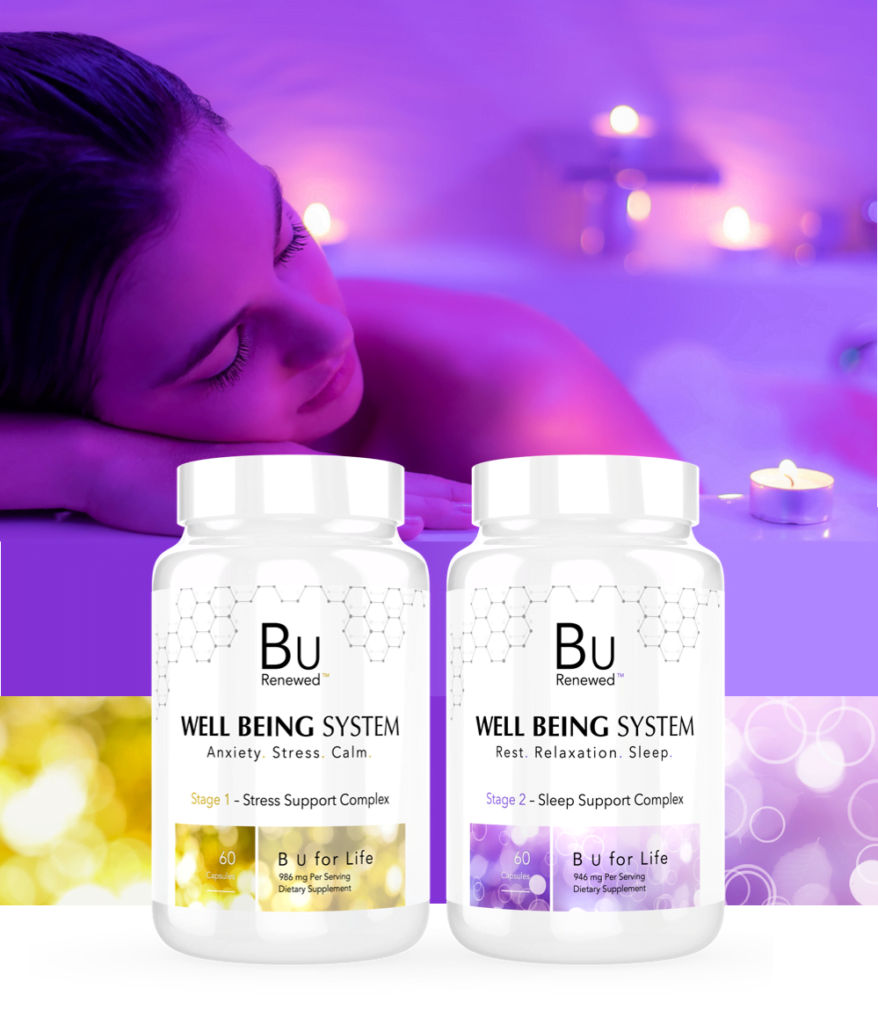
To explore more on the BuRenewed Well Being System, read here: https://burenewed.com/product/well-being/
Enhancing Nutritional Intake
One of the primary roles of supplements within the well-being system is to enhance nutritional intake.
This ensures that individuals receive adequate amounts of essential vitamins, minerals, and other nutrients necessary for optimal health.
In today’s busy world, dietary habits may fall short of meeting daily nutritional requirements.
Supplements bridge these gaps, providing a convenient and effective means of supplementing nutrient intake to support overall well-being.
Try out some of our supplements to boost your overall health here: https://burenewed.com/product/well-being/
Targeted Support for Health Concerns
Supplements offer targeted support for a wide range of health concerns within the well-being system.
If you aim to boost your immunity, support cardiovascular health, improve cognitive function, or enhance athletic performance, what would you need?
Supplements, because it provides tailored solutions that addresses your specific needs.
From immune-boosting vitamins to joint-supporting botanicals, supplements empower individuals to proactively manage their health and address underlying concerns.
Supporting Physical Performance and Recovery
Athletes and fitness enthusiasts often integrate supplements into their well-being system to optimize physical performance and facilitate post-exercise recovery.
Branched-chain amino acids (BCAAs), creatine, and protein supplements are commonly utilized.
They help support muscle growth, improve endurance, and accelerate recovery after intense workouts.
By incorporating supplements strategically, individuals can maximize their athletic potential and maintain peak performance levels.
Checkout ways to boost metabolism here: https://burenewed.com/3-simple-ways-to-boost-your-metabolism/
Promoting Mental Clarity and Emotional Well-Being
Supplements also play a vital role in promoting mental clarity, focus, and emotional well-being within the well-being system.
Omega-3 fatty acids, for example, are known for their cognitive benefits, supporting brain function and mood regulation.
Adaptogenic herbs like ashwagandha and rhodiola rosea help mitigate stress and promote resilience, fostering emotional balance and overall mental wellness.
Integrating Supplements into the Well-Being Routine
Integrating supplements into the well-being system requires a thoughtful and strategic approach.
Rather than viewing supplements as standalone interventions, they should be integrated with other elements of the well-being system.
These will include balanced nutrition, regular exercise, adequate sleep, and stress management.
By incorporating supplements as part of a holistic lifestyle approach, individuals can optimize their well-being and achieve lasting health benefits.
Are Supplements Essential?
Supplements are invaluable tools in the pursuit of optimal health and vitality, enriching the well-being system with targeted support and nourishment.
By understanding the different supplements available and their roles in enhancing health, you can make informed choices.
This will also help you to cling on to healthy lifestyle practices and holistic wellness.
Incorporate supplements strategically into your well-being routine, and unlock the full potential of your health and vitality.
Checkout a collection of healthy supplements here at www.burenewed.com/

What Are The 10 Best Supplements for Skin Health?
While a balanced diet provides essential nutrients, factors like environmental stressors, aging, and lifestyle choices can deplete these nutrients.
When that happens, it significant impact your overall health and skin quality.
Supplements bridge these nutritional gaps, ensuring your skin receives optimal nourishment for a radiant complexion.
Therefore, the following are the 10 best supplements for skin health:
1. Collagen
A cornerstone in the well-being system for skin health, collagen is a protein that provides structure and elasticity to the skin.
As we age, collagen production decreases, leading to wrinkles and sagging skin.
Supplementing with collagen can replenish lost stores, promoting skin elasticity and firmness. Look for hydrolyzed collagen supplements for better absorption.
Vitamin C
Vitamin C is not only a potent antioxidant but also essential for collagen synthesis.
By neutralizing free radicals and supporting collagen production, vitamin C defends the skin against oxidative stress and promotes a youthful complexion.
Incorporating a vitamin C supplement into your well-being system can enhance skin radiance and resilience.
2. Omega-3 Fatty Acids
Found in fatty fish like salmon and in supplement form, omega-3 fatty acids are crucial for skin health.
These fats maintain skin hydration, reduce inflammation, and support the skin’s natural barrier function.
By including omega-3 supplements in your well-being system, you can combat dryness, irritation, and promote a supple, glowing complexion.
3. Vitamin E
Another antioxidant powerhouse, vitamin E, plays a vital role in protecting the skin from damage caused by free radicals and UV radiation.
Additionally, vitamin E supports skin repair and regeneration, helping to fade scars and blemishes.
Supplementing with vitamin E can bolster your well-being system’s defenses against premature aging and environmental aggressors.
4. Zinc
Zinc is a mineral essential for skin health as it aids in wound healing, regulates oil production, and supports immune function.
By incorporating zinc supplements into your well-being system, you can accelerate skin healing, regulate sebum production, and prevent acne breakouts for a clearer, smoother complexion.
5. Biotin
Biotin, also known as vitamin B7, is renowned for its role in promoting healthy hair, skin, and nails.
This water-soluble vitamin supports keratin production, a protein that strengthens the skin, hair, and nails.
Supplementing with biotin can fortify your well-being system, promoting vibrant skin, luscious locks, and strong nails.
6. Hyaluronic Acid
Hyaluronic acid is a naturally occurring substance in the body, renowned for its ability to retain moisture.
Supplementing with hyaluronic acid can replenish skin hydration, plump up fine lines, and improve skin texture.
Adding hyaluronic acid to your well-being system ensures your skin stays hydrated and youthful from the inside out.
7. Vitamin D
Often referred to as the “sunshine vitamin,” vitamin D is essential for skin health.
It regulates cell growth, supports immune function, and helps maintain a healthy skin barrier.
Supplementing with vitamin D, especially in regions with limited sunlight exposure, is crucial for your well-being system’s overall balance and optimal skin health.
For the rest of the 10 Best Supplements for Skin Health, read here: https://www.healthline.com/health/beauty-skin-care/supplements-for-better-skin
Tips for Incorporating Supplements into Your Daily Well-Being Routine: Maximizing Health Benefits
As integral components of the well-being system, supplements offer targeted support to enhance health and vitality.
However, incorporating supplements into your daily routine requires careful planning and strategic implementation.
By adopting practical tips and strategies, you can seamlessly integrate supplements into your well-being routine, maximizing their benefits and optimizing overall wellness.
Evaluate Your Health Needs
Before adding supplements to your daily routine, take stock of your health needs and goals.
Consider factors such as age, gender, lifestyle, and any specific health concerns you may have.
Consulting with a healthcare professional or nutritionist can help identify potential nutrient deficiencies and determine which supplements are most suitable for your individual needs.
Choose High-Quality Supplements
Selecting high-quality supplements is essential to ensure efficacy and safety.
Look for reputable brands that adhere to stringent quality standards and third-party testing.
Opt for supplements that contain pure, bioavailable ingredients without unnecessary fillers or additives.
Investing in quality supplements ensures that you receive maximum nutritional benefits and minimizes the risk of adverse reactions.
Establish a Consistent Routine
Incorporating supplements into your daily routine requires consistency.
Choose a specific time of day to take your supplements, whether it’s with breakfast, lunch, or dinner.
Establishing a consistent routine helps create a habit, making it easier to adhere to your supplementation regimen over the long term.
Consider setting reminders or integrating supplements into existing daily habits to ensure consistency.
Consider Form and Dosage
Supplements are available in various forms, including capsules, tablets, powders, and liquids.
Choose a form that aligns with your preferences and lifestyle.
Additionally, pay attention to dosage recommendations to ensure you’re consuming the appropriate amount for optimal effectiveness.
When in doubt, consult with a healthcare professional to determine the correct dosage for your needs.

Pair Supplements with Food
Taking supplements with food can enhance absorption and minimize gastrointestinal discomfort.
Certain nutrients, such as fat-soluble vitamins (e.g., vitamin D, vitamin E), are better absorbed when consumed with dietary fat.
Incorporate supplements into meals or snacks that contain healthy fats for improved bioavailability and efficacy.
Monitor and Adjust as Needed
Listen to your body and monitor how you feel after incorporating supplements into your routine.
Pay attention to any changes in energy levels, mood, digestion, or overall well-being.
If you experience any adverse reactions or discomfort, adjust your supplement regimen accordingly.
Regularly reassess your health needs and goals to ensure that your supplementation strategy remains aligned with your evolving needs.

Integrate Supplements with Other Well-Being Practices
Supplements should complement other elements of your well-being routine, including balanced nutrition, regular exercise, adequate sleep, and stress management.
Adopt a holistic approach to wellness by integrating supplements with these practices.
By addressing multiple aspects of well-being, you can maximize the overall health benefits and achieve optimal vitality.
Conclusion:
Incorporating these 10 best supplements for skin health into your daily well-being routine is a proactive step towards optimizing health and vitality.
By following practical tips and strategies, you can seamlessly integrate supplements into your lifestyle, maximizing their benefits and supporting overall wellness.
As you prioritize your well-being system, remember that radiant skin goes beyond topical treatments—it starts from within.
By incorporating these top 10 supplements into your routine, you can nourish your skin from the inside out, unlocking a luminous complexion and embracing holistic wellness.
Take charge of your skin health today and let your inner glow shine bright.
-

Stress Awareness Month and How it Relates to Health
April is Stress Awareness Month, a time dedicated to raising awareness about the impact of stress on our health and well-being. Stress affects us all, but understanding its effects and how to manage it is essential for our overall health.
Introduction:
April is Stress Awareness Month, a time dedicated to raising awareness about the impact of stress on our health and well-being.
Stress affects us all, but understanding its effects and how to manage it is essential for our overall health.
By understanding its effects and implementing strategies to cope with stress effectively, we can safeguard our health and well-being for the long term.
The Importance of Stress Awareness
Stress is a natural response to challenging situations, but chronic stress can have detrimental effects on our physical and mental health.
The Significance of Stress Awareness: Understanding Its Impact on Health and Well-being
Recognizing the Importance of Stress Awareness
Stress is an inevitable part of life, but its effects on physical, mental, and emotional health are often underestimated.
Understanding the importance of stress awareness is crucial for implementing effective coping strategies and promoting overall well-being.
If you were wondering how to manage stress and build lean muscles, read this rich article: https://burenewed.com/how-to-build-lean-muscle-after-40/

Effects of Stress on Health and Well-being
1. Physical Health:
Chronic stress can take a toll on physical health.
This can contribute to a wide range of health problems including hypertension, cardiovascular disease, obesity, diabetes, and weakened immune function.
Prolonged activation of the body’s stress response system can lead to inflammation, hormonal imbalances, and increased susceptibility to illness/disease.
2. Mental Health:
Stress can have significant effects on mental health, contributing to anxiety, depression, mood disorders, and cognitive decline.
Chronic stress can impair cognitive function, memory, decision-making abilities, performance at work or school, and overall quality of life.
3. Emotional Well-being:
Stress can impact emotional well-being by worsening feelings of irritability, frustration, anger, and overwhelm.
Prolonged stress can lead to burnout, emotional exhaustion, and feelings of hopelessness or helplessness, affecting relationships, productivity, and life satisfaction.
Strategies for Stress Awareness and Management
- Mindfulness Practices:
Cultivating mindfulness through practices such as meditation, deep breathing, and yoga can help increase self-awareness.
This can help reduce reactivity to stressors, and promote a sense of calm and inner peace.
2. Stress Management Techniques:
Learning effective stress management techniques such as time management, problem-solving, and assertive communication can help individuals cope with stress effectively.
It can also help build resilience in the face of adversity.
3. Physical Activity:
Engaging in regular physical activity can help reduce the negative effects of stress.
Exercise promotes the release of endorphins, the body’s natural stress relievers, thus, improving mood, sleep quality, and overall well-being.
Explore some physical activities to release stress here:
4. Social Support:
Friends, family, or support groups can provide emotional validation, and practical assistance in coping with stressors and managing challenges.
5. Healthy Lifestyle Habits:
Adopting healthy lifestyle habits can help mitigate the effects of stress on physical and mental health and promote overall well-being.
Habits such as balanced nutrition, adequate sleep, and regular exercise are beneficial.
6. Self-Care Practices:
Prioritizing self-care activities such as relaxation techniques, hobbies, and activities that bring joy and fulfillment can be helpful.
As they will help you recharge, re-energize, and better cope with the demands of daily life.
Explore our article on the secrets to a happy life here: https://burenewed.com/the-secrets-to-a-happy-healthy-life/
7. Professional Support:
Seeking support from mental health professionals can be effective in managing stress.
Therapists, counselors, or psychologists can provide tools, strategies, and support to manage stress, improve coping skills, and enhance overall well-being.
Understanding the Effects of Stress on Health
Chronic stress can contribute to a range of health problems, including heart disease, obesity, diabetes, depression, anxiety, and more.
Recognizing the Physiological and Psychological Effects
Stress is more than just a fleeting emotion; it has profound effects on both physical and mental health.
Recognizing these effects is crucial for implementing strategies to mitigate stress and promote overall well-being.

Physiological Effects of Stress
1. Cardiovascular System:
Chronic stress can lead to increased heart rate, elevated blood pressure, and inflammation in the cardiovascular system.
Over time, this can contribute to the development of hypertension, heart disease, and stroke.
2. Immune Function:
Prolonged stress suppresses the immune system, making individuals more susceptible to infections, illnesses, and autoimmune disorders.
Chronic stress can also delay wound healing and impair the body’s ability to fight off pathogens.
3. Endocrine System:
Stress triggers the release of stress hormones such as cortisol and adrenaline, which can disrupt hormonal balance and metabolism.
Chronic activation of the stress response system can lead to hormonal imbalances, insulin resistance, and weight gain.
4. Digestive System:
Stress can disrupt digestion and nutrient absorption, leading to symptoms such as abdominal pain, bloating, constipation, or diarrhea.
Chronic stress is also associated with gastrointestinal disorders such as irritable bowel syndrome (IBS) and gastroesophageal reflux disease (GERD).
Psychological Effects of Stress
1. Anxiety and Depression:
Chronic stress is a significant risk factor for anxiety disorders, depression, and other mood disorders.
Persistent feelings of worry, apprehension, and sadness can impair daily functioning and significantly reduce quality of life.
2. Cognitive Function:
Stress can impair cognitive function, memory, and concentration, making it difficult to focus, learn new information, or make decisions.
Chronic stress is also associated with an increased risk of cognitive decline and neurodegenerative diseases such as Alzheimer’s disease.
3. Sleep Disturbances:
Stress can disrupt sleep patterns, leading to difficulty falling asleep, staying asleep, or achieving restorative sleep.
Chronic sleep disturbances can exacerbate stress and contribute to fatigue, irritability, and impaired daytime functioning.
4. Substance Abuse:
Some individuals may turn to alcohol, drugs, or other substances as a coping mechanism for stress.
However, substance abuse can magnify stress, worsen mental health symptoms, and lead to addiction and other negative consequences.
If you are struggling with substance, you should read this for help: https://www.afro.who.int/health-topics/substance-abuse
How the Well Being System Can Help
The Well Being System offers supplements designed to support stress management and promote overall well-being.
Its ingredients can help mitigate the effects of stress on the body.
Checkout our Well Being System products and supplements here: https://burenewed.com/product/well-being/
Recognizing Signs of Stress
Stress affects various systems in the body, including the immune, cardiovascular, digestive, and nervous systems.
It can weaken the immune system, increase blood pressure, disrupt digestion, and impair cognitive function.
Identifying Early Warning Signs for Effective Intervention
Recognizing the signs of stress is essential for early intervention and effective stress management.
By identifying these signs early on, individuals can take proactive steps to address stressors.
With that, it is easier to implement coping strategies, and prevent the escalation of stress-related symptoms.
Physical Signs of Stress
1. Muscle Tension:
Stress often manifests as tension in the muscles, leading to stiffness, tightness, or pain in the neck, shoulders, back, or jaw.
Chronic muscle tension can contribute to headaches, migraines, and other physical discomforts.
2. Fatigue:
Chronic stress can cause fatigue and exhaustion, even after adequate rest.
Individuals may feel tired, lethargic, and lacking in energy, making it difficult to perform daily tasks or engage in activities they once enjoyed.
3. Changes in Sleep Patterns:
Stress can disrupt sleep patterns, leading to difficulty falling asleep, staying asleep, or achieving restorative sleep.
Individuals may experience insomnia, frequent waking during the night, or early morning awakenings.
- Digestive Problems:
Stress can affect digestion and bowel function.
When that happens, it leads to symptoms such as stomach pain, bloating, indigestion, constipation, or diarrhea.
Chronic stress is also associated with gastrointestinal disorders such as irritable bowel syndrome (IBS) and gastroesophageal reflux disease (GERD).
For a healthier gut, checkout our article on gut health is good health here: https://burenewed.com/gut-health-is-good-health-in-the-world-of-holistic-wellness/

Psychological Signs of Stress
1. Anxiety:
Stress often triggers feelings of anxiety, worry, or apprehension, even in situations that are not inherently threatening.
Individuals may experience racing thoughts, restlessness, or a sense of impending doom.
2. Mood Changes:
Stress can impact mood, leading to irritability, agitation, mood swings, or emotional volatility.
Individuals may feel more sensitive, reactive, or easily overwhelmed by daily stressors.
- Difficulty Concentrating:
Chronic stress can impair cognitive function, making it difficult to focus, concentrate, or retain information.
Individuals may feel mentally foggy, forgetful, or have trouble making decisions.
4. Depression:
Prolonged exposure to stress can increase the risk of developing depression or exacerbate existing depressive symptoms.
Individuals may experience feelings of sadness, hopelessness, or loss of interest in activities they once enjoyed.
Integrating Well Being System Supplements into Your Routine
Incorporating Well Being System supplements into your daily routine can provide additional support for stress management.
The supplements contain ingredients that promote relaxation, reduce anxiety, and support overall well-being.
Understanding Well-Being System Supplements
Well-being System supplements are specially formulated to support overall health and vitality.
They do that by providing essential nutrients that may be lacking in the diet or become less efficiently absorbed as individuals age.
Integrating these supplements into your daily routine can help optimize well-being and promote longevity.
Components of Well-Being System Supplements
1. Morning Formula:
The morning formula is designed to kick-start your day with essential nutrients for energy, vitality, and immune support.
It typically contains vitamins C and D, B vitamins, antioxidants, and other key nutrients to support overall health and well-being.
2. Evening Formula:
The evening formula complements your nighttime routine by providing nutrients for relaxation, restorative sleep, and overnight recovery.
Ingredients such as magnesium, melatonin, and herbal extracts help promote relaxation, improve sleep quality, and support muscle repair and recovery.
Strategies for Integrating Well-Being System Supplements
- Morning Routine: Incorporate the morning formula into your daily routine by taking it with breakfast or your first meal of the day.
This ensures you start your day off right with the essential nutrients needed for energy and vitality.
- Evening Routine: Take the evening formula as part of your bedtime routine, ideally 30 minutes to an hour before bed.
This allows the ingredients to support relaxation and promote restorative sleep, helping you wake up feeling refreshed and rejuvenated.
- Consistency: Make taking Well-Being System supplements a consistent habit by incorporating them into your daily routine.
Set a reminder or incorporate them into your morning and evening rituals to ensure you don’t forget.
- Pairing with Meals: Some supplements may be more effective when taken with food.
Consider taking the morning formula with breakfast and the evening formula with dinner to enhance absorption and maximize benefits.
- Adjusting Dosage: Follow the recommended dosage instructions provided on the supplement packaging or as advised by a healthcare professional.
Adjust the dosage based on individual needs and health goals.
- Monitoring Benefits: Pay attention to how your body responds to the supplements over time.
Notice any improvements in energy levels, sleep quality, immune function, or overall well-being, and adjust your routine accordingly.
7. Consultation with Healthcare Professional: Before starting any new supplement regimen, especially if you have underlying health conditions or are taking medications, consult with a healthcare professional to ensure it is safe and appropriate for you.
Seeking Support for Stress Management
If you’re struggling to manage stress on your own, don’t hesitate to seek support from a healthcare professional, therapist, or counselor.
They can provide guidance, resources, and coping strategies to help you handle stressful situations more effectively.
Practicing Mindfulness and Relaxation Techniques
Mindfulness meditation, deep breathing exercises, progressive muscle relaxation, and other relaxation techniques can help calm the mind and body, reducing the impact of stress on your health.
Conclusion:
As Stress Awareness Month reminds us, stress is a significant health concern that requires attention and proactive management.
Stress awareness is essential for recognizing the impact of stress on health and well-being.
Thus, implementing effective strategies to cope with stressors and promote resilience.
By cultivating mindfulness, adopting healthy lifestyle habits, seeking social support, and utilizing stress management techniques, you can effectively manage stress and improve overall quality of life.
The effects of stress on health are wide-ranging and complex, impacting both physiological and psychological well-being.
Recognizing these effects is the first step toward implementing effective stress management strategies, and improving overall quality of life.
By addressing stressors, adopting healthy coping mechanisms, and seeking support when needed, you can mitigate the negative effects of stress.
Integrating Well-Being System supplements into your daily routine can help support overall health, vitality, and well-being.
By following these strategies for incorporating supplements into your morning and evening routines, you can optimize nutrient intake.
This can promote relaxation and restorative sleep, and enhance your overall quality of life.
-

The Best Hormone Balancing Foods
The best hormone balancing foods are often unprocessed, whole, and free of genetic modification. Hormonal balance is vital for overall well-being.
When our hormones are in harmony, our bodies function optimally, allowing us to feel our best and live life to the fullest.
Introduction
The best hormone balancing foods are often unprocessed, whole, and free of genetic modification.
Hormonal balance is vital for overall well-being.
When our hormones are in harmony, our bodies function optimally, allowing us to feel our best and live life to the fullest.
Maintaining Hormonal Balance
One key aspect of maintaining hormonal balance is through the foods we eat.
In this article, we’ll explore the best hormone-balancing foods and their significant role in supporting our health and well-being.
Let’s examine how these foods can help us achieve and maintain optimal health.
Understanding Hormones and Their Impact on Health
The Role of Hormones in Regulatory Systems
Hormones play a crucial role in regulating various bodily functions.
They act as chemical messengers, traveling through the bloodstream to target cells and organs, where they exert their effects.
Hormones are responsible for controlling metabolic processes, growth, reproduction, and mood to ensure overall balance in the body.
Common Hormonal Imbalances and Their Effects
When hormones become imbalanced, it can lead to a range of health issues. Common hormonal imbalances include:
Insulin Resistance:
A condition where cells become less responsive to insulin, leading to elevated blood sugar levels and an increased risk of type 2 diabetes.
Thyroid Disorders:
Such as hypothyroidism (underactive thyroid) or hyperthyroidism (overactive thyroid), which can affect metabolism, energy levels, and weight.
Estrogen Dominance:
Imbalance between estrogen and progesterone levels, potentially leading to symptoms like weight gain, mood swings, and irregular menstrual cycles.
Testosterone Deficiency:
Low testosterone levels in men can cause decreased libido, fatigue, and reduced muscle mass.
Cortisol Imbalance:
Excessive or insufficient cortisol production can disrupt the body’s stress response and lead to issues like anxiety, fatigue, and weight gain.
The Well Being System and Its Approach to Hormone Balance
Introducing the Well Being System
The Well Being System is a holistic approach to health that emphasizes the interconnectedness of the mind, body, and spirit.
It recognizes that true wellness is achieved through addressing all aspects of life, such as physical, emotional, mental, and spiritual.
Holistic Approach to Health
The Well Being System believes that being healthy is more than just not being sick.
It’s about having a balanced and harmonious body.
This approach acknowledges that factors like diet, exercise, stress management, sleep, and social connections influence health and prevent illness.
Hormone Balance within the Well Being System
Within the framework of the Well Being System, hormone balance is considered a fundamental aspect of overall health and well-being.
The system stresses the significance of supporting hormonal health through lifestyle choices.
These include proper nutrition, regular physical activity, stress reduction techniques, adequate sleep, and nurturing social relationships.
To learn more about the Well Being System, see the supplement and read about it here: https://burenewed.com/product/well-being/
Integrating Hormone-Balancing Foods
A pivotal aspect of the Well Being System involves integrating the best hormone balancing foods into one’s diet.
These foods are rich in essential nutrients and phytochemicals that support the body’s hormonal systems and help maintain balance.
By prioritizing nutrient-dense, whole foods, individuals can optimize their hormonal health and contribute to their overall well-being.

How Hormone-Balancing Foods Align with the Well Being System
Supporting Holistic Health
The best hormone balancing foods seamlessly align with the principles of the Well Being System.
This system prioritize holistic health encompassing physical, mental, and emotional well-being.
These foods are rich in essential nutrients, antioxidants, and phytochemicals that support the body’s natural hormone production and regulation.
Nourishing the Body
The Well Being System advocates for consuming whole, nutrient-dense foods as a foundation for optimal health.
The best hormone-balancing foods, like leafy greens, cruciferous vegetables, nuts, seeds, and wild-caught fish, perfectly exemplify this principle.
They supply essential vitamins, minerals, and healthy fats crucial for hormone synthesis and function.
Managing Stress
Chronic stress disrupts hormonal balance, but many hormone-balancing foods contain stress-reducing compounds like omega-3 fatty acids and magnesium.
These compounds aid in reducing the effects of stress on the body.
They align with the Well Being System’s approach to stress management and overall well-being.
Read more on the impact of stress on hormones here https://www.ncbi.nlm.nih.gov/pmc/articles/PMC3079864/#:~:text=Reactions%20to%20stress%20are%20associated,individual%20to%20its%20new%20circumstance.
Promoting Gut Health
A healthy gut microbiome is essential for hormone metabolism and regulation.
The best hormone balancing foods align with the Well Being System’s focus on gut health.
They include fiber-rich fruits and vegetables, fermented foods, and probiotic-rich yogurt help maintain a balanced microbiome, .
Explore 10 Ways To Balance Your Hormones with Diet here, https://www.healthline.com/nutrition/balance-hormones#:~:text=Hormones%20are%20chemical%20messengers%20that,processes%20to%20keep%20you%20healthy.
The Best Hormone Balancing Foods: A Comprehensive Guide
Key Hormone-Balancing Nutrients
Consuming the best hormone balancing foods is essential for maintaining optimal health and well-being.
These foods are rich in key nutrients that support hormone synthesis, regulation, and function.
Let’s explore four essential nutrients that play crucial roles in hormone balance:
Omega-3 Fatty Acids
Omega-3 fatty acids are among the best hormone balancing foods as they possess anti-inflammatory properties and contribute to hormonal health.
They are found abundantly in fatty fish like salmon, mackerel, and sardines.
They are also found in plant sources such as flaxseeds and walnuts.
Omega-3 fatty acids are crucial for maintaining cellular integrity and hormone receptor signaling pathways.
Vitamin D
Another nutrient essential for hormone balance is vitamin D, often referred to as the “sunshine vitamin.”
Adequate levels of vitamin D are associated with improved fertility, mood regulation, and overall hormonal balance.
Sunlight exposure, fortified dairy products, and fatty fish serve as excellent sources of this vital nutrient.
Zinc
Zinc is a trace mineral crucial for hormone synthesis and receptor binding.
It plays a pivotal role in the production of testosterone and thyroid hormones.
Incorporating zinc-rich foods like shellfish, red meat, beans, and nuts into your diet can help support hormonal balance and overall health.
Magnesium
Magnesium is involved in numerous enzymatic reactions in the body, including those related to hormone metabolism and regulation.
It plays a critical role in insulin sensitivity, stress response, and neurotransmitter balance.
Consuming magnesium-rich foods such as leafy greens, nuts, seeds, whole grains, and legumes can aid in maintaining hormonal balance.
By incorporating these key hormone-balancing nutrients into your diet, you can optimize your hormonal health and well-being.
The best hormone balancing foods provide essential nutrients that support hormone synthesis, regulation, and function, ensuring optimal health and vitality.
Read more here to discover how soil nutrients affect our health, https://burenewed.com/how-nutrients-in-soil-affects-our-health/
Exploring Hormone-Balancing Foods and Their Benefits
Essential Foods for Hormone Balance
Incorporating hormone-balancing foods into your diet is crucial for maintaining optimal health and well-being.
These foods are rich in essential nutrients that support hormone synthesis and regulation. Let’s explore the best hormone balancing foods and their benefits:
Leafy Greens and Cruciferous Vegetables
Leafy greens such as spinach, kale, and Swiss chard, along with cruciferous vegetables like broccoli, cauliflower, and Brussels sprouts.
They are packed with vitamins, minerals, and phytochemicals.
These compounds support liver detoxification processes, which play a vital role in hormone metabolism and balance.
Wild-Caught Fish and Seafood
Wild-caught fish such as salmon, mackerel, and sardines are excellent sources of omega-3 fatty acids,.
They have anti-inflammatory properties and support hormone balance.
Additionally, seafood provides high-quality protein and essential minerals like zinc, which are essential for hormonal health.
Nuts and Seeds
Nuts and seeds, including almonds, walnuts, flaxseeds, and chia seeds, are rich in healthy fats, protein, and fiber.
They also contain micronutrients like zinc and magnesium, which play crucial roles in hormone synthesis and regulation.
Incorporating nuts and seeds into your diet can help support hormonal balance.
Berries and Citrus Fruits
Berries such as blueberries, strawberries, and raspberries are packed with antioxidants, vitamins, and fiber.
These nutrients help combat oxidative stress and inflammation, which can disrupt hormone balance.
Citrus fruits like oranges, lemons, and grapefruits are rich in vitamin C, which supports adrenal gland function and cortisol regulation.
Check out 10 Hormone Balancing Foods here https://nutrition4change.com/articles/top-10-foods-to-restore-hormone-balance/

Incorporating Hormone-Balancing Foods into Your Diet
Practical Tips for Daily Meals
Ensuring that hormone-balancing foods are a regular part of your diet is essential for promoting overall health and well-being.
Here are some practical tips for incorporating these foods into your daily meals:
Start with Breakfast
Kickstart your day with a hormone-balancing breakfast by adding foods like leafy greens, berries, and nuts to your morning meal.
Consider options like spinach and mushroom omelets, yogurt parfaits with mixed berries and seeds, or smoothies packed with greens, fruit.
Try protein-rich ingredients like Greek yogurt or almond butter.
Pack Balanced Snacks
Keep hormone-balancing snacks on hand to fuel your body throughout the day.
Opt for options like trail mix with nuts and seeds, veggie sticks with hummus, or a piece of fruit paired with a small handful of almonds.
These snacks provide a combination of protein, healthy fats, and fiber to help stabilize blood sugar levels and support hormone balance.
Build Balanced Meals
When planning your meals, aim to include a variety of hormone-balancing foods to ensure you’re getting a diverse array of nutrients.
Incorporate leafy greens or cruciferous vegetables as a base for salads.
You incorporate stir-fries, or add wild-caught fish or seafood to your main dishes.
Sprinkle nuts and seeds over soups, salads, or grain bowls for added texture and flavor.
Experiment with Recipes
Get creative in the kitchen by experimenting with hormone-balancing recipes that incorporate a variety of nutritious ingredients.
Look for inspiration from cookbooks, websites, or social media platforms that focus on whole foods and healthy cooking.
Try new recipes like salmon with a side of roasted Brussels sprouts, quinoa salad with mixed berries and nuts, or a citrus-infused kale salad.
Plan Ahead and Prep
To incorporating hormone-balancing foods into your diet more, consider planning your meals ahead of time and doing some meal prep.
Chop vegetables, portion out snacks, and prepare ingredients in advance so that healthy options are readily available when hunger strikes.
Having nutritious foods on hand can help you make better choices throughout the day and support hormone balance.
Hormone-Balancing Recipe Ideas and Meal Plans
For delicious and nutritious meal options that prioritize best hormone balancing foods, consider the following recipe ideas and meal plans:
Breakfast Options:
Green Smoothie Bowl:
Blend together spinach, kale, avocado, banana, and almond milk until smooth.
Top with berries, nuts, seeds, and a drizzle of honey or maple syrup for added sweetness and texture.
Salmon and Veggie Scramble:
Cook wild-caught salmon with scrambled eggs and a variety of sautéed vegetables such as spinach, bell peppers, and mushrooms.
Serve with a side of sliced avocado for extra healthy fats.
Lunch Ideas:
Quinoa Salad with Citrus Dressing:
Toss cooked quinoa with mixed greens, sliced citrus fruits (such as oranges or grapefruits), avocado, and a sprinkle of toasted nuts or seeds.
Drizzle with a homemade citrus vinaigrette made from fresh lemon or lime juice, olive oil, and a touch of honey.
Grilled Chicken and Kale Salad:
Marinate chicken breasts in a mixture of lemon juice, garlic, and herbs, then grill until cooked through.
Serve sliced chicken over a bed of massaged kale, tossed with cherry tomatoes, sliced almonds, and a creamy avocado dressing.
Dinner Entrees:
Baked Salmon with Roasted Vegetables: Season wild-caught salmon fillets with herbs and spices, then bake until flaky.
Serve alongside a medley of roasted vegetables such as broccoli, cauliflower, and carrots tossed with olive oil and garlic.
Stir-Fried Tofu with Broccoli and Cashews:
Stir-fry cubes of tofu with broccoli florets, bell peppers, and snap peas in a savory sauce made from tamari, ginger, and garlic.
Garnish with toasted cashews and serve over brown rice or quinoa.
Snack Options:
Nutty Berry Yogurt Parfait:
Layer Greek yogurt with mixed berries, chopped nuts, and a drizzle of honey or maple syrup for a satisfying and nutritious snack.
Crunchy Veggie Sticks with Hummus:
Enjoy sliced carrots, celery, cucumber, and bell peppers with a side of homemade or store-bought hummus for a crunchy and satisfying snack.
Incorporating these hormone-balancing recipes into your meal plans can support your overall health and well-being.
Additionally, they provide delicious and nutritious dishes that will delight your taste buds.
Conclusion:
Incorporating the best hormone balancing foods and lifestyle practices into your daily routine is essential for supporting hormonal health.
These foods, rich in essential nutrients and antioxidants, help promote hormonal balance and support overall well-being.
Adopting stress management techniques, regular exercise, quality sleep, nurturing social connections can enhance hormone balance and contribute to and longevity.
Achieving and maintaining hormone balance is paramount for overall health and well-being.
Hormones play a crucial role in regulating numerous bodily functions, including metabolism, mood, reproductive health, and immune function.
When hormones are in harmony, our bodies function optimally, allowing us to feel our best and thrive in all aspects of life.
As you prioritize hormone balance in your life, it’s essential to consult with healthcare professionals for personalized guidance and support.
If hormone imbalances persist or cause significant health concerns, hormone therapy may be an option worth considering.
To learn more about hormone therapy and its potential benefits and risks, explore the resources provided by Mayo Clinic https://www.mayoclinic.org/diseases-conditions/menopause/in-depth/hormone-therapy/art-20046372#:~:text=The%20benefits%20of%20hormone%20therapy,Have%20other%20symptoms%20of%20menopause.
-

Practicing Mindfulness for Your Health
By prioritizing learning about mindfulness for your health techniques, one can find new routines and practices that can increase feelings of calm and peace while minimizing stress or anxiety-related feelings. Peruse this blog to find simple ways to practice mindfulness throughout your day and how it can benefit your health!
What is Mindfulness?
We often hear buzzwords, such as mindfulness, but might only sometimes receive practical instructions for integrating these beneficial practices into our daily lives. Psychology Today offers the definition, “Mindfulness is a state of active, open attention to the present. This state is described as observing one’s thoughts and feelings without judging them as good or bad.”Mindfulness helps people cope with difficult emotions and can decrease stress and anxiety. One does not have to become a Yogi, meditate, or ascribe to any specific method to increase mindfulness in our daily lives. While yoga and meditation are certainly ways to practice becoming more mindful, here are five simple ways to practice mindfulness daily.
1. Be Present in the Moment
Sometimes, the busyness and demands of life can interfere with our ability to appreciate the beauty, abundance, or simplicity right in front of us. One mindfulness technique people can begin to make a part of their routine is “Being Present.” There are many ways to approach this, and as it becomes more natural, many individuals find unique ways to be and stay present.
We can recognize and pay attention to things around us using our senses. Try out this sample exercise to practice becoming more mindful:
- Name five things I can see.
- Name four things I hear.
- Name three things I can smell.
- Name two things I can touch.
- Name one thing I can taste.
This exercise can be done orally, in writing, or quietly in the mind. It helps to bring our focus and attention to what is directly in our space.
One can also practice mindfulness by simply sitting in silence and observing. The categories and quantities are only meant to be a guide. Still, for the longevity of our mindfulness practices, finding what feels natural and comfortable based on one’s personality and goals is essential.

2. Breathe Deeply with Mindfulness
Oxygen is vital to life, and our breathing patterns can affect our bodies in many ways. Breathing deeply and paying attention to the breath is a form of mindfulness. Sometimes, in stressful situations, we might take shallow breaths or hyperventilate. Becoming mindful of breathing patterns can help to not only regulate breathing but also help bring down levels of stress and anxiety.
Square Breathing is a sample mindfulness technique that can help one become more aware of their breathing and bring regulation to the body.
- Inhale for four counts.
- Hold for four counts.
- Exhale for four counts.
- Hold for four counts.
- Repeat until breathing is regulated.
There are also apps and other media to help regulate our breathing. One can explore different options to find which tool works best for their individual preferences. If the square breathing example isn’t comfortable, one can simply bring attention to their breath or breathing,
3. Gratitude
Another powerful mindfulness practice is gratitude. By taking the time to be thankful for the things one appreciates in life, one may experience various benefits, such as improved sleep, reduced inflammation, and a better mood. Some people might keep a gratitude journal, give thanks through prayer, send thank you cards or notes, or publicly express gratitude on social media. It does not matter how one practices gratitude; the benefits are the same.
Suppose one is having difficulty identifying what they are grateful for. In that case, some helpful categories might include family, friends, home, community, material things and personal belongings, experiences such as trips or concerts, individual skills or talents, support professionals, occupation, education, services, pets or animals, technology, or ideas such as freedom. This mindfulness practice can include anything that spurs a sense of thankfulness, gratitude, or appreciation.
4. Examine Your Thoughts Without Judgement
Negative thoughts are sometimes unavoidable. There is nothing wrong with having various ideas and feelings throughout the day. However, it can become a problem if this thinking reaches one extreme, rumination or another, toxic positivity. Practicing curiosity about our thinking patterns and analyzing them with non-judgment is one mindfulness practice that can be easily implemented.
The next time a negative thought arises, practice self-compassion and understanding. Instead, avoid self-blame or shame by consciously accepting the thought and avoiding the urge to label it as good or bad. Having a non-reactive response to our thoughts is a very beneficial mindfulness technique.
5. Get Out in Nature for Mindfulness
One straightforward way to connect with mindfulness practices and find a sense of calm is to spend time outdoors or in natural spaces. Being in nature provides fresh air to breathe, but it can also have effects like slowing the heart rate, reducing stress hormones, and helping our brains calm down. Also, when we are focused on the natural world around us, we are less likely to be connected to a device such as a phone, tablet or computer. As crucial as exploring nature is, one must also prioritize screen-free, media-free time daily. Research shows a variety of stress-reducing and health-boosting benefits from increasing the time spent in nature.

Brain Health Support
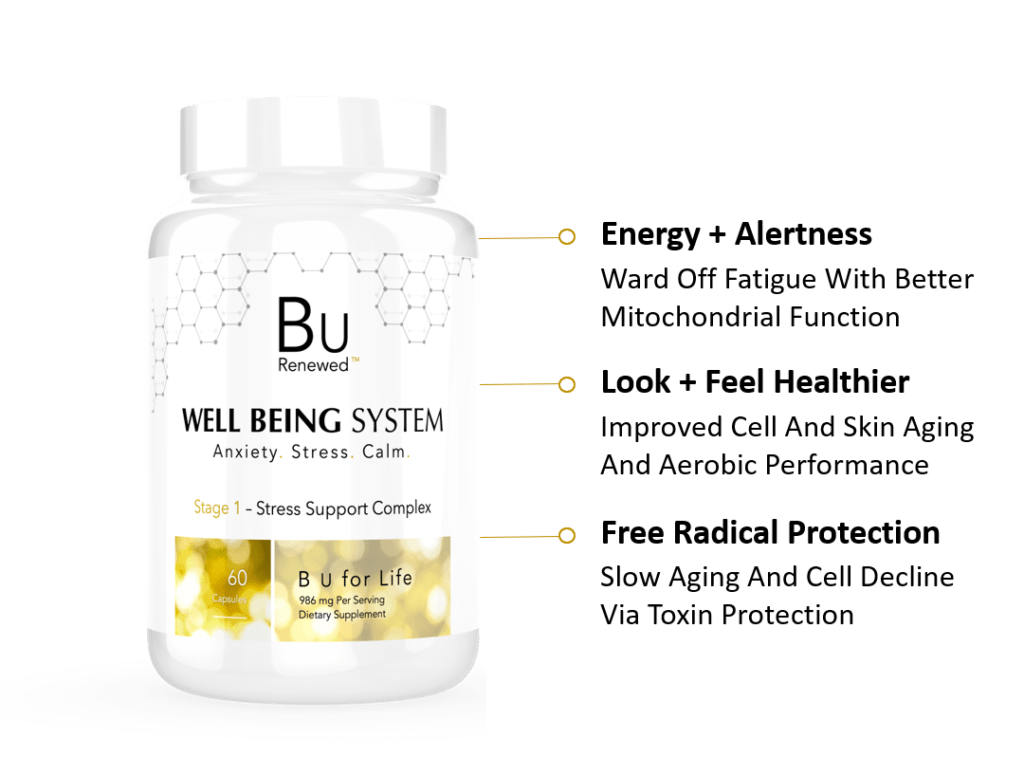
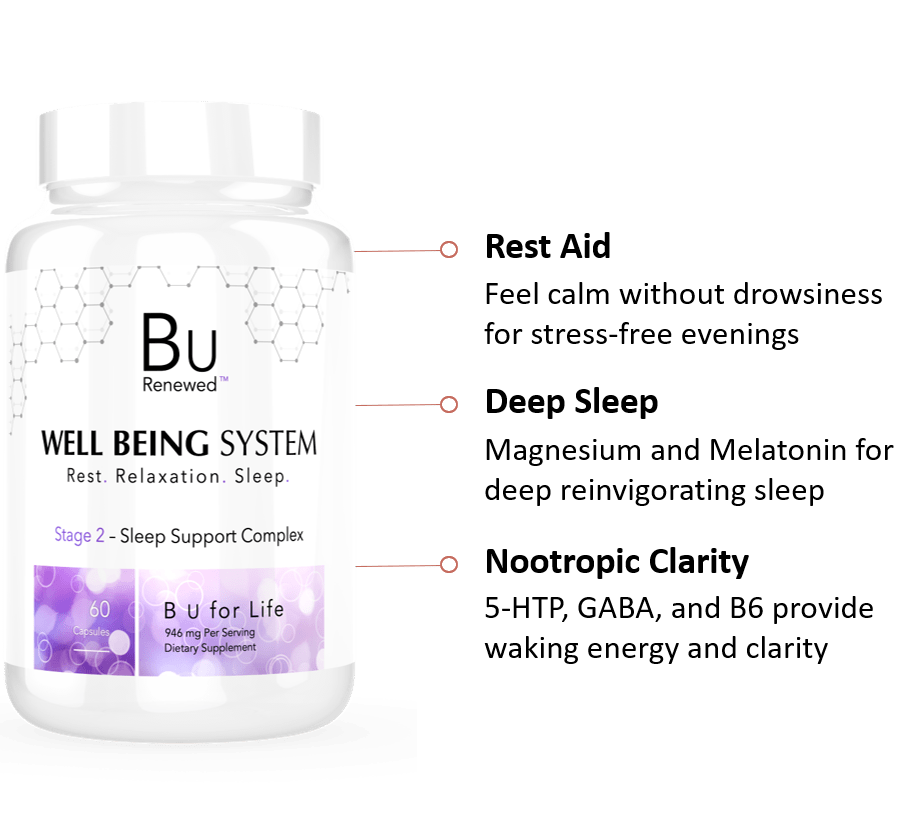
The Well Being System offers a variety of stress-reduction and mood-regulation benefits. Pairing the herbs, vitamins, minerals, and extracts in this comprehensive wellness system with the mindfulness practices described above will help you reach your goals for stress management, sleep quality, and anxiety reduction. Stage 1 provides the daily neurological support needed for managing stress and anxiety. Ashwagandha, Vitamin B Complex, and St. John’s Wort support mood regulation. Stage 2 supports a restful sleep. Valerian Root, GABA, and L-Theanine promote relaxation. Melatonin, Chamomile, Lemon Balm, L-Tryptophan, and Magnesium are natural sleep aids.
One could even pair mindfulness practices with taking supplements to help form routines and increase the use of mindfulness techniques during the day. As we age, taking the time to nourish our mind, body, and soul becomes vital. Using a combination of scientifically proven supplement formulations and daily mindfulness practices can contribute to improved cognitive, physical, and emotional performance.
-

The Sweet Harmony of Well-Being
The sweet harmony of wellbeing and the impact of sugar on body and mind as the festive season unfolds in December, the desire for sugary delights becomes irresistible. Yet, amidst the festivities, it’s vital to reevaluate our sugar intake for the sake of our well-being. Excessive sugar consumption can impact various facets of our health, from blood sugar levels to cognitive function, making it crucial to adopt healthier alternatives.
The Impact of Sugar on Body and Mind
- Blood Sugar Balancing Act Reconsidered Consuming excess sugar leads to a rapid surge in blood sugar levels, triggering increased insulin production. Over time, this can disrupt blood sugar balance, impacting overall metabolic health.
- Energy Peaks and Valleys While sugar provides a quick energy boost, the subsequent crash can leave us fatigued and irritable. Managing sugar intake is essential to avoid the rollercoaster effect on energy levels.
- Weight Woes and Beyond Unhealthy weight gain is a common consequence of excessive sugar consumption. The high-calorie content of sugary foods contributes not only to weight gain but also adversely affects the gut and joints.
- Hormonal Harmony Disrupted Research suggests that added sugars can negatively impact hormonal balance, especially concerning menopausal symptoms in women. Addressing sugar intake becomes crucial for hormonal well-being.
- Heart Health and the Sugar Connection High sugar intake is associated with adverse effects on heart health, influencing blood pressure and triglyceride levels. It’s imperative to recognize the link between sugar consumption and cardiovascular well-being.
- Liver Strain Due to Sugar Overload The liver’s role in metabolizing sugar is vital, but excess sugar can lead to strain and overuse. Understanding the implications of sugar on liver health is essential for overall well-being.
- The Sweet Trap of Addiction and Oral Health Sugar’s activation of the brain’s reward system can lead to addictive behavior. This not only affects mental well-being but also has consequences for oral health, promoting bacterial overgrowth.
- Cognitive Function and Sugar’s Influence Studies indicate a connection between high sugar intake and negative impacts on cognitive function and memory. Addressing sugar consumption is crucial for maintaining a sharp mind and positive outlook.
- Mood Swings, Inflammation, and Beyond Fluctuations in blood sugar levels can influence mood, contributing to mood swings and irritability. Moreover, excessive sugar intake has been linked to inflammation, impacting cellular and neurological health.

Navigating Sugar Intake: Recommended Guidelines
Understanding the recommended daily sugar intake is vital for informed dietary choices. Organizations like the American Heart Association (AHA) and the World Health Organization (WHO) provide guidelines, emphasizing the importance of distinguishing between added sugars and those naturally occurring in whole foods.
How Much Sugar Per Day?
The AHA recommends adult women limit added sugar to six teaspoons (24 grams) daily, while men should not exceed nine teaspoons (36 grams). The WHO aligns with these guidelines, advising less than 10 percent of total daily energy intake from added sugars. These recommendations underscore the need for moderation and informed choices.
Strategies to Tame Sugar Cravings
Overcoming excess sugar consumption is challenging but achievable with commitment and gradual changes. Here are practical tips to help reduce sugar intake and promote overall well-being.
- Recognition is the First StepAcknowledge the issue of excess sugar consumption and its impact on health. This awareness is crucial for initiating positive changes.
- Gradual Reduction for Sustainable ChangeGradually reduce sugar intake to make the transition more manageable. Start by cutting back on added sugars in beverages and opting for healthier snack alternatives.
- Educate Yourself: Read LabelsLearn about hidden sugars in food by reading ingredient labels. Familiarize yourself with alternative names for sugar, such as sucrose, glucose, and high fructose corn syrup.
- Beware of “Low-Fat” and “Diet” LabelsSome low-fat or diet products may compensate for reduced fat content with higher sugar content. Be cautious and choose wisely by checking labels.

Embracing Well-being Supplements: A Gateway to Health
As we navigate the complexities of sugar and its impact on health, it’s essential to explore alternatives that contribute positively to our overall well-being. Well-being supplements emerge as a transformative tool, offering a multitude of benefits across various facets of health.
1. Bridging Nutritional Gaps with Supplements
Well-being supplements serve as a vital bridge, ensuring that our bodies receive essential nutrients, even when our diets fall short. They provide a convenient way to address nutritional gaps and support overall health.
2. Joints and Mobility: The Freedom to Move
Maintaining joint health is crucial for overall mobility, especially as we age. Well-being supplements formulated to support joints often include key ingredients like glucosamine and chondroitin, promoting flexibility and reducing discomfort.
Exploring Joint Health Supplements
For in-depth information on maintaining joint health and exploring well-being supplements, https://www.webmd.com/arthritis/ss/slideshow-supplements-for-joint-pain
3. Turmeric: A Golden Ally
Turmeric, with its active compound curcumin, has gained recognition for its anti-inflammatory properties. Well-being supplements featuring turmeric contribute to joint health, cognitive function, and overall vitality.
Unleashing the Power of Turmeric
Discover the transformative properties of turmeric and its role in well-being by https://www.hopkinsmedicine.org/health/wellness-and-prevention/turmeric-benefits
4. Anti-Aging Elixir: Supplements for Youthful Vitality
Anti-aging supplements, enriched with antioxidants, combat oxidative stress and contribute to maintaining youthful skin, vibrant hair, and overall vitality. The Bu Renewed, Well Being System provides the most comprehensive supplement program with the greatest benefits to reduce inflammation, joint and mobility, along with supplementation to reverse aging, such as skin elasticity and wrinkles.
5. Cognitive Well-being Supplements
The intricate connection between nutrition and cognitive function has led to the development of supplements supporting brain health. Omega-3 fatty acids, phosphatidylserine, and essential vitamins and minerals play a vital role in promoting memory and concentration. We recommend Stage 1 and Stage 2 of the Well Being System by Bu Renewed to support these issues.
6. Hormonal Harmony Supplements
For women navigating menopause, supplements enriched with compounds like black cohosh aim to provide relief from hormonal fluctuations, alleviating symptoms and promoting overall well-being.
7. Heart Health Boost: Supplements for Cardiovascular Well-being
Supplements targeted at heart health, featuring omega-3 fatty acids and CoQ10, support cardiovascular well-being by promoting healthy cholesterol levels and maintaining optimal blood pressure.
8. Liver Love: Detoxifying Supplements
In an era of environmental toxins, supplements supporting liver health become crucial. Ingredients like milk thistle and N-acetyl cysteine aid in detoxification, promoting overall health.
9. Strong Bones: Supplements for Skeletal Health
Bone health is paramount, and supplements enriched with calcium, vitamin D, and vitamin K play a vital role in maintaining strong and resilient bones.
10. Gut Health Guardians: Probiotic Supplements
Probiotic supplements, rich in beneficial bacteria, promote a healthy gut microbiome. These supplements aid digestion, support immune function, and contribute to mental well-being.
Choosing Quality for Maximum Benefit
While the benefits of supplements are vast, choosing high-quality, third-party tested products is paramount. This ensures maximum benefits without compromising safety or efficacy.

A Holistic Approach: Well-being Supplements and Lifestyle Harmony
Supplements are not a standalone solution. A holistic approach that includes a balanced diet, regular exercise, and mindful lifestyle choices complements the benefits of supplements, creating a synergistic path toward lasting health.
Navigating the Future: Well-being as a Way of Life
As we bid farewell to the excesses of sugar-laden treats, embracing a well-rounded approach to nutrition, and incorporating thoughtfully chosen supplements, we pave the way for a future where well-being is not just a goal but a way of life.
-

The Art of a Long Life
The art of a long life has always been a constant thread woven into the human narrative. While genetics and lifestyle choices play pivotal roles, the art of a long life extends beyond the mere biological factors.
We delve into the profound connection between art, supplements, and longevity. And, we unravel the intricate brushstrokes that contribute to a life well-lived.
Art and Longevity: A Canvas of Well-Being
Art, in its myriad forms, has long been recognized for its therapeutic and uplifting effects on the human mind and spirit. The power of visual expression transcends cultural boundaries and speaks to the soul, offering solace, inspiration, and joy.
Engaging with art can stimulate the release of neurotransmitters such as dopamine and endorphins, promoting a sense of well-being and happiness.
The link between appreciating art and living a long life becomes more apparent when we consider the role of stress reduction.
Chronic stress is a known contributor to various health issues, including cardiovascular problems and cognitive decline.
Art provides a sanctuary for the mind, offering a reprieve from the stresses of daily life and fostering a sense of tranquility.
Art as a Stress Support Mechanism
The connection between art and stress support is not only anecdotal but is substantiated by scientific research. Studies, such as those published in reputable medical journals, have demonstrated the stress-reducing benefits of engaging with art.
This stress relief is particularly crucial in the context of promoting longevity, as chronic stress is a major factor in accelerated aging.
Supplements for Brain Support and Well-Being
As we navigate the complex tapestry of the art of a long life, it is imperative to consider the role of supplements in supporting brain health and overall well-being.
Brain support supplements, such as COQ-10 and quercetin, have garnered attention for their potential benefits in promoting cognitive function and overall vitality.
COQ-10, also known as coenzyme Q10, is a powerful antioxidant that plays a crucial role in cellular energy production.
Research published in National Library of Medicine and other leading medical journals, suggests that COQ-10 supplementation may support cognitive function and protect against age-related cognitive decline. This aligns with the notion that a healthy mind is a key component of a long and fulfilling life.
Quercetin, another notable supplement, is a flavonoid with antioxidant properties. Studies have explored its potential in promoting cognitive health and reducing inflammation, both of which are integral to the aging process.
By incorporating brain support supplements like COQ-10 and quercetin into one’s routine, individuals may fortify their cognitive resilience, contributing to a more vibrant and enduring life.

Bu Renewed: A Brushstroke of Wellness
In the pursuit of comprehensive well-being and longevity, Bu Renewed emerges as a beacon brand, offering a collection of systems designed to address various facets of health.
Among these systems, the Age Well System, Well Being System, and Stay Sharp System stand out, each formulated with precision to nurture specific aspects of vitality.
The Age Well System, enriched with brain support supplements like COQ-10, recognizes the importance of cognitive health in the aging process.
COQ-10, a central component of this system, aligns with scientific research highlighting its potential cognitive benefits, providing a foundation for a more resilient and enduring mind.
The Well Being System, a holistic approach to overall wellness, incorporates a blend of supplements that support cell health, stress management, and joint support.
In the intricate dance of longevity, cellular health is paramount, and the ingredients within this system work synergistically to fortify the body’s foundation.
The Stay Sharp System, as the name suggests, is tailored to support cognitive function and promote mental acuity such as focus and brain fog.
Drawing on the power of brain-supporting supplements, this system embraces the idea that a sharp mind is a cornerstone of a fulfilling and lasting life.
The Ingredients Unveiled
To appreciate the true essence of these systems, a closer look at the ingredients is essential and is the art of a long life.
COQ-10, a key component, is featured prominently for its role in cellular energy production and cognitive support. Additionally, the inclusion of quercetin underscores the commitment to combat inflammation, contributing to overall well-being.
Other ingredients, such as those supporting joint health and mobility, reflect an understanding that a physically agile body is conducive to a longer and more enjoyable life.
The amalgamation of these ingredients in Bu Renewed’s systems paints a canvas of holistic health, addressing the multifaceted aspects of longevity.
Artistic Endurance: A Case for Longevity
The convergence of art, supplements, and longevity finds resonance in the stories of artists who have embraced both creative expression and a commitment to well-being.
Renowned artists, such as Leonardo da Vinci, whose enduring legacy spans centuries, are often lauded not only for their artistic genius but also for their ability to lead fulfilling lives.
Consider the case of Vincent van Gogh, whose tumultuous life was marked by periods of intense creativity and struggle.
While his mental health challenges are well-documented, the connection between artistic expression and well-being remains a compelling aspect of his story. It prompts us to reflect on the role of supplements and comprehensive wellness in supporting the artistic journey.
Artists, like any individuals, face the rigors of aging, and the symbiotic relationship between art and longevity becomes evident when they prioritize their health.
The adoption of supplements, especially those targeting cognitive function and overall well-being, can contribute to the sustained creative output and enduring legacy of artists.

Brain cells with electrical firing Scientific Validation: A Brush with Research
To further solidify the connection between art, supplements, and longevity, it is essential to turn to scientific research.
Studies published in esteemed medical journals have explored the impact of various supplements on cognitive health, cellular function, and overall well-being.
One such study, published in the NIH, delves into the neuroprotective effects of COQ-10, emphasizing its potential in mitigating age-related cognitive decline. This scientific validation aligns with the principles underlying Bu Renewed’s Age Well System, highlighting the relevance of COQ-10 in promoting cognitive longevity.
Similarly, research in the ACH, the study underscores the importance of quercetin in reducing inflammation and supporting overall well-being.
Bu Renewed’s commitment to incorporating this ingredient in its Well Being System resonates with the scientific community’s recognition of quercetin’s potential health benefits.
Artful Living
As we navigate the art of a long life, the intersection of creativity and longevity becomes a compelling narrative.
Artists, as well as art enthusiasts, are invited to participate in the artful living experience, where the canvas of well-being is painted with a palette of supplements, artistic expression, and a commitment to lasting health.
The Stay Sharp System, with its emphasis on cognitive support, aligns seamlessly with the artist’s pursuit of mental acuity.
A mind fortified by brain-supporting supplements is better equipped to navigate the complexities of the creative process, fostering sustained inspiration and artistic endurance.
In the realm of joint support and mobility, the Well Being System emerges as a vital companion for artists who rely on physical agility for their craft. The brushstrokes on the canvas mirror the fluidity of movement, celebrating the union of art and bodily well-being.
Happiness Support and Age Reversal
No exploration of longevity is complete without acknowledging the role of happiness and the pursuit of age reversal.
The emotional and psychological benefits of engaging with art and maintaining a positive outlook on life are integral components of the longevity equation. Moreover, the concept of age reversal supplements adds another layer to the canvas of well-being.
Research in the field of positive psychology emphasizes the profound impact of happiness on overall health and longevity.
Happiness, often considered a subjective measure, has been linked to lower stress levels, improved cardiovascular health, and even a bolstered immune system.
Art, with its ability to evoke emotions and spark joy, becomes a natural conduit for cultivating happiness.
The Age Well System by Bu Renewed recognizes the symbiosis between happiness and longevity. Through a carefully curated selection of supplements, including those supporting cellular health and cognitive function, this system aims to not only prolong life but enhance its quality.
By addressing the multifaceted aspects of well-being, from cognitive resilience to emotional fulfillment, the Age Well System paints a comprehensive portrait of ageless living.

Artistic Testimonials: Nourishing Creativity with Supplements
The convergence of art and well-being finds resonance in the stories of artists who attribute their creative vitality to the strategic use of supplements.
Consider the example of Georgia O’Keeffe, a trailblazing American artist known for her iconic depictions of enlarged flowers, New York skyscrapers, and New Mexico landscapes.
O’Keeffe, who lived to the remarkable age of 98, was known not only for her artistic prowess but also for her disciplined approach to health. S
he incorporated a variety of supplements into her routine, emphasizing the importance of maintaining physical and mental well-being for sustained creativity.
While O’Keeffe’s specific supplement regimen remains a subject of speculation, her commitment to holistic health serves as an inspiring testament to the potential synergy between art and supplements.
Bu Renewed’s Well Being System, with its emphasis on cell support, stress management, and joint health, mirrors the principles that artists like O’Keeffe embraced.
The fusion of art and wellness, exemplified by such artists, underscores the idea that a flourishing creative spirit is intricately connected to a body and mind that are well-nurtured.
Scientific Insights: The Marriage of Art and Brain Support
Delving deeper into the scientific realm, studies have explored the neuroscientific underpinnings of artistic expression and its impact on brain health.
Neuroplasticity, the brain’s ability to reorganize itself by forming new neural connections, is a phenomenon that has captured the attention of researchers in recent years.
Engaging with art, whether through creation or appreciation, has been shown to stimulate neuroplasticity, promoting the growth of neural networks and enhancing cognitive flexibility.
This neurological dance aligns with the objectives of brain support supplements like COQ-10, which aim to fortify cellular function and support cognitive resilience.
The marriage of art and brain support supplements, as exemplified by the principles embedded in Bu Renewed’s Age Well System, becomes a symphony of longevity where artistic expression and cognitive health harmonize.
Bu Renewed’s Commitment to Excellence
The efficacy of Bu Renewed’s systems lies not only in their thoughtful formulation but also in the commitment to transparency and excellence. The brand’s dedication to quality is reflected in its adherence to rigorous standards and the incorporation of scientifically-backed ingredients.
The Stay Sharp System, for instance, features a blend of supplements strategically chosen to support cognitive function. Exec-B a key component of this system. The formula has been studied for its potential cognitive benefits, including improved memory and concentration.
The fusion of traditional wisdom and modern science in Bu Renewed’s formulations encapsulates the brand’s dedication to holistic well-being.
We navigate the expansive landscape of longevity, the intersection of art, supplements, and a commitment to well-being. There emerges a tapestry woven with intention and care.
Bu Renewed’s systems, with their nuanced approach to age reversal, cognitive support, and overall wellness, stand as pillars supporting the art of living a long and fulfilling life.

Conclusion: The Masterpiece of Longevity
In conclusion, the art of a long life transcends the boundaries of genetics and lifestyle choices. It encompasses the vibrant interplay between artistic expression, cognitive health, and a comprehensive approach to well-being.
By appreciating art, we nurture creativity, and embrace supplements designed to support longevity. Individuals can paint a masterpiece of enduring health and fulfillment.
Bu Renewed’s Age Well System, Well Being System, and Stay Sharp System offer a palette of supplements to address diverse needs. There are many people seeking a holistic approach to longevity.
By weaving together the threads of brain support, cellular health, stress management, and joint support, these systems embody the essence of the artful living experience.
As we gaze upon the canvas of well-being, enriched by the strokes of artistic inspiration and the science-backed formulations of Bu Renewed, we are reminded that the art of a long life is a masterpiece in constant evolution.
We are invited to explore the synergy between creativity and supplements. To unlock the boundless potential for a life that is not only long but also deeply enriching.
-

The Transformative Power of Positive Affirmations
The transformative power of positive affirmations stand as pillars of personal development. They possess a remarkable ability to shape the human mind, transform perceptions, and alter life’s trajectory. These concise yet potent statements have garnered attention for their capacity to catalyze change in our lives, fostering happiness, joy, and overall satisfaction.
Understanding Positive Affirmations
Positive affirmations are short, powerful statements which are aimed at fostering a positive mindset and reshaping one’s beliefs and attitudes. These affirmations, when consistently practiced, aid in rewiring the subconscious mind, instilling constructive beliefs and attitudes. While the concept might seem simplistic, the effects can be profound.
The underlying principle is rooted in the notion that the mind is incredibly receptive to the words and thoughts we feed it. By consistently and intentionally affirming positive beliefs, individuals can reprogram their minds and steer their thoughts towards optimism, resilience, and success.
Influence on Life and Mindset
The impact of positive affirmations on our lives and mindsets is both intricate and far-reaching. They create a ripple effect that touches various aspects of our existence:
1. Mindset Reinforcement:
Affirmations serve as mental reinforcement. They counteract negative self-talk and self-doubt, enabling individuals to reframe their perspectives and instill confidence in their abilities.
2. Enhanced Self-Esteem and Confidence:
Through affirmations, individuals bolster their self-esteem, fostering a greater sense of self-worth and confidence in their capabilities.
3. Stress Reduction and Emotional Balance:
Positive affirmations aid in managing stress and promoting emotional balance, offering a more resilient approach to life’s challenges.
4. Increased Motivation and Goal Attainment:
By nurturing a positive mindset, affirmations stimulate motivation, propelling individuals towards their goals.
5. Improved Relationships:
Affirmations can impact interpersonal relationships by fostering a more positive and empathetic outlook, thereby improving connections with others.
The Synergy Between Affirmations and Brain Health Supplements
While the transformative power of affirmations is profound, combining these practices with brain health supplements can further enhance the process of positive change.
Brain health supplements support cognitive function, focus, and emotional well-being, synergizing with affirmations to optimize mental health and overall well-being.
1. Focus and Clarity Supplements:
Supplements targeting focus and clarity support mental sharpness, concentration, and cognitive performance. When coupled with affirmations, they aid in reinforcing a clear and focused mindset, helping individuals stay on track with their goals and intentions.
2. Mood Supplements:
Mood supplements play a crucial role in regulating emotions and promoting a balanced mental state. When combined with affirmations, they fortify the mind against negativity, fostering a more stable and positive emotional landscape.
3. Anti-Anxiety Supplements:
Anxiety supplements alleviate stress and anxiety, promoting relaxation and tranquility. When used alongside affirmations, they create a robust defense against anxious thoughts, fostering a calmer and more composed state of mind.
The Symbiotic Relationship: Affirmations and Supplements
The amalgamation of positive affirmations and brain health supplements creates a symbiotic relationship, reinforcing and amplifying their individual benefits. While affirmations sow the seeds of positive change, supplements act as catalysts, augmenting the process by providing the necessary nutrients and support for a healthier, more resilient mind.
1. Amplified Cognitive Function:
The combination enhances cognitive functions, promoting sharper focus, memory, and overall mental agility, allowing individuals to absorb affirmations more effectively.
2. Heightened Emotional Resilience:
The symbiosis between affirmations and supplements creates a shield against negative emotions, fortifying emotional resilience and promoting a more positive outlook on life.
3. Accelerated Personal Growth:
This synergy expedites personal growth by fostering a healthier mental state, empowering individuals to embrace change and work towards becoming the best version of themselves.
Embracing the Best Version of Yourself
Ultimately, the fusion of positive affirmations and brain health supplements is a powerful tool for self-improvement. According to the NIH, self-affirmation results in positive valuations of self and positive changes to the brain systems. It’s important to note that the key to reaping their benefits lies in consistency and dedication. This practice isn’t an overnight miracle but a journey towards self-empowerment and self-actualization.
Positive affirmations stand as lighthouses in the vast sea of personal development, guiding individuals toward a more fulfilling and joyful existence. These succinct, powerful statements have the remarkable ability to reshape the mind and influence one’s life positively. Their effects are far-reaching, impacting various aspects of life and fostering a mindset conducive to happiness, confidence, and productivity.
Unveiling the Essence of Positive Affirmations
The principle underlying their efficacy lies in the belief that our thoughts shape our reality. By intentionally repeating positive statements, individuals can reprogram their subconscious, thereby altering their perceptions and responses to the world around them.
Methods of Positive Affirmations
1. Verbal Affirmations:
Speaking affirmations aloud allows individuals to hear and internalize these positive messages. For instance, phrases like “I am capable and resilient” or “I attract positivity and abundance” can reinforce a mindset of strength and optimism.
2. Written Affirmations:
Jotting down affirmations in a journal or on sticky notes around living or working spaces keeps these positive messages in constant view, serving as daily reminders. Examples include “I am worthy of success” or “I am grateful for every experience in my life.”
3. Visualization:
Pairing affirmations with visualization techniques helps in manifesting desired outcomes. For instance, visualizing oneself achieving a goal while affirming “I am successful and deserving of all good things” can be a powerful combination.
4. Meditation and Affirmation Practices:
Incorporating affirmations into meditation or mindfulness practices amplifies their impact. During meditation, repeating affirmations like “I am at peace with myself and the world” can deeply influence one’s state of mind.
Dr. Daniel Amen offers a number of tips on how to maintain a positive mindset on a daily basis.
The Impact of Positive Affirmations on Life
The influence of positive affirmations extends across various domains:
1. Enhanced Self-Confidence and Belief:
Regularly practicing affirmations builds confidence and self-belief, fostering a more optimistic and resilient outlook.
2. Improved Emotional Well-being:
Affirmations contribute to emotional balance by reducing stress and anxiety, creating a more stable emotional landscape.
3. Increased Productivity:
When one feels better and is happier, they tend to be more productive. A positive mindset nurtured by affirmations encourages a focus on goals and tasks, fostering a more productive and accomplished life.
4. Wholeness and Confidence:
Affirmations help individuals feel more complete and confident in their abilities, aligning their actions with their true selves and aspirations.
Synergy Between The Transformative Power of Positive Affirmations and Brain Health Supplements
The integration of brain health supplements further amplifies the benefits of positive affirmations. Supplements aimed at cognitive function, mood regulation, and stress management complement the practice of affirmations, fostering a holistic approach to well-being.
1. Cognitive Function Support:
Supplements enhancing cognitive function aid in mental clarity and focus, fortifying the mind to absorb and internalize affirmations more effectively.
2. Mood Stabilization:
Mood supplements contribute to emotional stability, aligning with affirmations to promote a more positive and resilient emotional state.
3. Stress and Anxiety Management:
Supplements targeting stress and anxiety relief provide the necessary support to counter negative emotions, synergizing with affirmations to foster a calmer and composed state of mind.
Achieving Wholeness and Well-being
The amalgamation of positive affirmations and brain health supplements paves the way toward a more complete and fulfilling life. By consistently nurturing a positive mindset and providing the brain with essential support, individuals can progress towards a more holistic sense of well-being.
The Path to Unveiling Your Best Self
Embracing the synergy of affirmations and supplements is a journey toward self-empowerment and self-realization. The consistent practice of affirmations, supported by brain health supplements, acts as a compass guiding individuals towards their best selves.
One of the most effective supplement systems on the market today is the Bu Renewed Stay Sharp System. The Stay Sharp System features the most potent and the highest quality vitamins, minerals and herbs to support mood, brain fog, focus and clarity.
Positive affirmations are powerful tools that wield immense influence over our thoughts and emotions. They have the potential to shape our mindset, leading to a more fulfilling and positive life. But what if we could enhance this process through the aid of a vitamin supplement program?
The blend of positive affirmations and brain health supplements is a transformative force, propelling individuals towards a life brimming with satisfaction and contentment. Through this harmonious union, individuals can rewrite their narratives, embrace their true selves, and craft a reality that resonates with joy, confidence, and fulfillment. This comprehensive approach to personal growth offers a roadmap towards a life of abundance and wholeness.
The Science Behind Brain Health Supplements: Enhancing Clarity, Focus, and Emotional Balance
Brain health supplements are designed to support cognitive function, improve focus, and aid in emotion regulation. The ingredients have been well researched and formulated to enhance mental clarity, concentration, and emotional well-being.
Understanding the key components in these supplements sheds light on their impact on the mind and their synergy with the transformative power of positive affirmations.
Ingredients Enhancing Clarity and Focus
- Omega-3 Fatty Acids: Found in fish oil supplements, omega-3 fatty acids, particularly EPA and DHA, are crucial for brain health. They support cognitive function, enhance memory, and promote overall brain health. Studies have shown that these fatty acids play a vital role in reducing cognitive decline and improving focus.
- Phosphatidylserine: This phospholipid is a key component of cell membranes, especially in the brain. It aids in various cognitive functions, such as memory, learning, and attention and which is associated with improving focus and mental clarity.
- Bacopa Monnieri: An herb used in traditional medicine, Bacopa Monnieri has been linked to improved cognitive function. It may enhance memory and cognitive performance, promoting better focus and mental clarity.
- Ginkgo Biloba: Ginkgo Biloba extract is known for its potential in boosting cognitive function, particularly memory and concentration. It enhances blood circulation to the brain, which can aid in better focus and mental acuity.
Ingredients Contributing to Calmness and Anti-Anxiety Effects
- L-Theanine: Found in green tea, L-Theanine promotes relaxation without causing drowsiness. It helps in reducing stress and anxiety by increasing the production of serotonin and dopamine in the brain.
- Ashwagandha: An adaptogenic herb, Ashwagandha has been traditionally used to alleviate stress and anxiety. In fact, it helps regulating cortisol levels, and thus reducing stress and promoting a calmer state of mind.
- Valerian Root: Valerian root is a herb commonly used as a natural remedy for sleep disorders and anxiety. It contains compounds that may help calm the mind and nervous system, aiding in stress reduction.
- Passionflower Extract is known to help reduce anxiety. Studies suggest that it can increase levels of gamma-aminobutyric acid (GABA) in the brain, a neurotransmitter that promotes relaxation and reduces anxiety.
Synergy Between Supplements and the Transformative Power of Positive Affirmations
- Enhanced Cognitive Receptivity: Ingredients promoting focus and clarity prepare the brain to absorb affirmations effectively, allowing for better internalization of positive thoughts.
- Emotional Resilience: The calming and anti-anxiety effects of certain supplement ingredients complement the affirmations, further reinforcing a positive emotional state and reducing the impact of negative thoughts.
- Overall Mental Well-being: Together, these supplements and affirmations create a supportive environment for mental well-being, fostering a more positive, clear, and resilient mindset.

Bu Renewed
Bu Renewed is one of the most respected and highest quality brands which delivers the fastest results and to achieve the highest level of support available. Each system is comprised of two stages and provides all the necessary nutrients to support one’s daily functions. And, coupled with the transformative power of affirmations produces a long lasting effect on living a joy filled life.
The Well Being System at Bu Renewed is a carefully crafted supplement program which packs all the vitamins, minerals and herbs needed to achieve the ultimate results on a daily basis. Stage 1, the morning formula, helps with anxiety and stress and promotes calm. Stage 2, the evening formula, allows one to reach the opportunity to reset and reach rest, relaxation and a good night’s sleep.
The Stay Sharp System which can also be found at Bu Renewed, supports memory, focus and clarity. Stage 1, the morning formula, is the neuro complex to help brain functions. Stage 2, the evening formula, promotes mood, cognition and cell support. It is said to be your best insurance plan for your future mental and cognitive health.
Conclusion
The amalgamation of these scientifically researched ingredients in brain health supplements aligns with the principles of the transformative power of positive affirmations. The key is they both help one to find mental clarity, emotional balance, and an overall sense of well-being.
The incorporation of supplements like the Well Being System and the Stay Sharp System, alongside the practice of the transformative power of affirmations stands as a robust approach to nurturing a healthier and more resilient mind.
The combination of these elements represents a holistic strategy toward achieving a more balanced, focused, and emotionally stable mental state, facilitating the journey towards self-improvement and a fulfilling life
-

The Role of Natural Supplements in Promoting Sleep
In today’s fast-paced society, where stress and anxiety seem to be ever-present, getting a night’s rest has become increasingly difficult for many people.The significance of quality sleep cannot be emphasized enough; it plays a role in maintaining our health, mental well-being, and overall productivity.
However, numerous individuals find themselves struggling with sleep disorders and disruptions.
In this article, we will delve into the use of supplements to promote relaxation, restfulness, and sound sleep.
The Sleep Crisis: A Modern DilemmaSleep is a necessity for humans; however, our modern way of life has greatly disrupted our natural sleep patterns. With the demands of work, the presence of devices, and the pressures of daily life can make it challenging to unwind and achieve a peaceful night’s sleep. According to the National Sleep Foundation, they recommend for 7-9 hours of sleep per night for optimal health and well-being results.
Unfortunately, a significant portion of the population falls short of meeting this guideline—leading to a sleep crisis.
Chronic lack of sleep has been associated with health concerns such as obesity, diabetes, cardiovascular disease, and impaired cognitive function.
The Power of Natural SupplementsWhen it comes to getting a night’s sleep, there are factors that can have an impact, such as lifestyle choices, stress management, and sleep habits.
However, in times, natural supplements have become quite popular for their potential to enhance relaxation and improve the quality of sleep.
Melatonin: Regulating Sleep-Wake Cycles
Melatonin is a hormone that is naturally produced by the pineal gland in our brain.It plays a role in regulating our sleep-wake cycle. As daylight fades and darkness sets in during the evening, melatonin levels rise, signaling our body that it’s time to rest.
Conversely, as morning arrives and light increases, melatonin levels drop, promoting wakefulness.
Over-the-counter melatonin supplements are available and commonly used to alleviate jet lag or sleep disorders related to shift work.
They can also be beneficial for individuals who struggle with falling asleep due to schedules or disruptions in their rhythm.

Valerian Root: A Natural Sedative
Valerian root is a supplement that has been utilized for years as a natural sedative and aid, for better sleep.It is believed to work by increasing the availability of gamma-aminobutyric acid (GABA) which is a neurotransmitter known for promoting relaxation. It also inhibits brain activity.
Numerous studies have indicated that valerian root has the potential to enhance sleep quality and shorten the time it takes to fall asleep.
While it is generally considered safe, it is important to consult with healthcare before using valerian, especially if you are taking medications or have existing health conditions.
Chamomile: Calming Nerves and Soothing Sleep
Chamomile is a popular herbal remedy renowned for its calming and soothing properties. It is frequently consumed in the form of tea. It is known to alleviate anxiety and promote relaxation, making it a great choice for bedtime. Chamomile contains compounds such as apigenin, which bind to receptors in the brain and contribute to its effects.
L-Theanine: Found in Tea Leaves
L theanine is an amino acid that occurs naturally in tea leaves, tea. It is recognized for its ability to induce relaxation without causing drowsiness. L theanine works by increasing the production of GABA that promotes a sense of calmness while reducing anxiety.
Incorporating L theanine supplements into your routine may potentially enhance sleep quality. Decrease the time required to fall asleep. Combining it with caffeine is a practice to counteract the effects of caffeine consumption. However, if you have sensitivity to caffeine or any specific health conditions, it’s advisable to consult with healthcare before using L theanine.
Magnesium: The Relaxation Mineral
Magnesium is a mineral that plays a role in the functioning of muscles and nerves. And, it is often referred to as the “relaxation mineral” because it aids in muscle relaxation and promotes a sense of calmness.
Magnesium deficiency has been associated with sleep disorders, and, therefore, taking magnesium supplements may actually help enhance sleep quality for individuals with low magnesium levels. There are forms of magnesium supplements, such as magnesium citrate and magnesium glycinate.
5-HTP: Precursor to Serotonin and Melatonin
5 Hydroxytryptophan (5 HTP) is an amino acid that acts as a precursor to serotonin. Seroton is a neurotransmitter (brain chemical) that regulates mood, and melatonin, the hormone for regulating sleep-wake cycles.Supplementation with 5 HTP can potentially increase levels, leading to mood and potentially better sleep. Its effectiveness in treating sleep disorders like insomnia has been studied extensively.
The Importance of a Holistic Approach
While natural supplements can be helpful for improving sleep, it’s important to view them as one component of a strategy to address sleep disturbances. Achieving sleep involves considering factors;- Sleep Hygiene: Creating the Right Environment
To promote sleep hygiene, it’s essential to create an environment that’s conducive to rest. This means ensuring your bedroom is dark, quiet, and cool. Investing in a mattress and pillows can also contribute to sleep quality. Additionally, establishing a sleep schedule by going to bed and waking up at the time every day can be beneficial. - Stress Management: Reducing Sleep-Disrupting Anxiety
Chronic stress and anxiety can significantly disrupt sleep patterns. Engaging in stress management techniques such as mindfulness, meditation, deep breathing exercises, or even practicing yoga can help calm the mind and prepare it for sleep. - Diet and Nutrition: Fueling Your Sleep
What you eat plays a role in your sleep quality. It’s advisable to avoid consuming caffeine or heavy meals at bedtime since they can interfere with falling asleep. Instead, if you feel the need for a snack before bed, choose something easy to digest. Staying hydrated throughout the day also helps prevent disruptions caused by nighttime thirst. - Regular Exercise: Promoting Healthy Sleep Patterns
Incorporating activity into your routine promotes healthy sleep patterns by helping you fall asleep faster and enjoy deeper rest. By considering these elements, you’ll be on your way toward achieving improved sleep quality.
However, it’s important to choose the timing for your workouts since exercising close to bedtime can actually have the opposite effect. - Limit Screen Time: Managing Digital Devices
The blue light emitted by screens on smartphones, tablets, and computers can disrupt the production of melatonin, making it more difficult to fall asleep. To promote sleep, try limiting your screen time before bed. Consider using blue light filters on your devices. - Professional Guidance: Consult a Healthcare Provider
If you continue to experience sleep disturbances after trying supplements and making lifestyle changes, it’s crucial to seek guidance from a healthcare professional. They can evaluate your sleep patterns, identify any sleep disorders, and suggest treatments. - Combining Natural Supplements for Better Sleep
Even while each of these natural supplements has its own special qualities, some people discover that combining them can result in a more all-encompassing strategy for enhancing sleep quality.
A combination of melatonin, valerian root, and L-theanine, for instance, may offer both the initial drowsiness necessary for falling asleep and the relaxation necessary for staying asleep all night.
It’s crucial to remember that each person will respond to natural sleep aids differently. The underlying reason for sleep disruptions, a person’s biochemistry, and dose are only a few examples of the variables that can affect the result.
Speak with a healthcare provider before beginning any new supplement regimen, particularly if you have a history of illnesses or are already taking medicine.
Lifestyle Factors for Better SleepNatural supplements can be quite effective at improving sleep quality, they should only be used as a small part of a larger strategy. Consider Bu Renewed Well Being System.
The maintenance of a regular sleep schedule depends heavily on lifestyle choices, which can also greatly enhance the effects of natural supplements. Here, we go into greater detail about these vital routines for improving your sleep hygiene:
- Maintain a Consistent Sleep Schedule
The circadian rhythm is an internal clock that regulates bodily functions. Maintaining a regular sleep schedule aids in synchronizing this internal clock. It is simpler to go to sleep and get up when you want. Even on weekends, try to keep your bedtime and wake time consistent to properly control your circadian cycle. - Create a Relaxing Bedtime Routine
By creating a relaxing nighttime ritual, you can tell your body when it’s time to relax and get ready for sleep. - Before going to bed, relax by doing something peaceful like reading a book, taking a warm bath, practicing deep breathing, or light stretching. Refrain from engaging in stimulating activities like strenuous exercise or intriguing television shows straight before night.
- Optimize Your Sleep Environment
Your sleeping environment has a big impact on how well you sleep. Make sure your sleeping area is cozy, peaceful, and favorable to relaxation. Think about the following advice:
Make use of a sturdy mattress and pillows that are comfortable.
Wear eye masks or blackout curtains to block out unnecessary light.
Use earplugs or a white noise generator to block out distracting noises.
Keep the room’s temperature moderate, often between 60 and 67 degrees Fahrenheit (15 and 19 degrees Celsius).

- Sleep Hygiene: Creating the Right Environment
-

Set Your Bedroom Up For Sleep
Set your bedroom up for sleep is the key to a good night’s rest and you create a tranquil path to allow your body and mind a chance to reset.
In this article, we are going to discuss the importance of sleep, how to achieve the best results, the consequences of sleep deprivation, and the best supplements promoting relaxation and better sleep, and, lastly, we are going to share with you 40 tips you can easily integrate to set your bedroom up for sleep.
Sleep is an essential pillar of overall health and well-being, impacting every aspect of our lives from our physical health to cognitive function, mood, and productivity. However, the modern lifestyle, characterized by stress, anxiety, and a fast-paced environment, often disrupts our natural sleep patterns and leaves us struggling with sleep problems.
The consequences of poor sleep can extend beyond groggy mornings; they can lead to serious health issues and reduced quality of life. In this article, we’ll explore effective ways to set yourself up for restorative sleep and delve into the benefits of various supplements known for their sleep-promoting properties.
The Importance of Sleep
Before delving into the strategies and supplements that can help you achieve better sleep, let’s briefly touch on why sleep is so crucial.
Sleep is not just a period of inactivity; it’s a complex physiological process that allows our bodies and minds to rejuvenate and repair.
During sleep, our brain consolidates memories, regulates mood, and helps us process emotions. Additionally, sleep plays a pivotal role in immune system function, hormone regulation, and maintaining a healthy metabolism.
Calming the Mind: Addressing Anxiety for Better Sleep
Anxiety is a significant contributor to sleep problems. Racing thoughts, worries, and stressors can keep us awake at night, preventing us from entering the restorative phases of sleep. To set yourself up for sleep success, consider adopting these calming techniques:
- Mindfulness and Meditation: Engaging in mindfulness practices can help reduce anxiety and improve sleep quality. Techniques like deep breathing, progressive muscle relaxation, and guided meditation can promote a sense of calm before bedtime.
- Create a Relaxing Bedtime Routine: Establishing a pre-sleep routine signal to your body that it’s time to wind down. This might include activities like reading a book, taking a warm bath, or practicing gentle yoga.
- Limit Screen Time: The blue light emitted by screens can interfere with the production of melatonin, a hormone that regulates sleep. Aim to reduce screen time at least an hour before bed.
- Journaling: Writing down your worries and thoughts before bed can help clear your mind and reduce anxiety.
The Consequences of Sleep Deprivation
Chronic sleep problems can lead to a host of health issues, including:
- Cardiovascular Problems: Lack of sleep has been linked to an increased risk of heart disease, high blood pressure, and stroke.
- Obesity: Sleep deprivation can disrupt hormones that regulate appetite, leading to overeating and weight gain.
- Mental Health Disorders: Sleep problems can contribute to the development of mood disorders such as depression and anxiety.
- Cognitive Impairment: Poor sleep can impair cognitive function, leading to difficulties in concentration, memory, and decision-making.
Exploring Sleep-Promoting Supplements
In addition to adopting healthy sleep habits, certain supplements have gained popularity for their potential to promote sleep and relaxation. Let’s explore some of these supplements and their benefits:
- Melatonin: Melatonin is a hormone that regulates sleep-wake cycles. Taking melatonin supplements can help reset your internal clock and improve sleep quality.
- Vitamin B Complex: B vitamins play a role in various bodily functions, including neurotransmitter production. Adequate B vitamin levels are essential for maintaining a healthy sleep cycle.
- Valerian Root: Valerian root has been used for centuries as a natural remedy for sleep disorders. It may help reduce the time it takes to fall asleep and improve sleep quality.
- Chamomile: Chamomile is known for its calming properties. Drinking chamomile tea before bed can help induce relaxation and prepare your body for sleep.
- Natural Nootropics: Nootropics like ashwagandha, L-theanine, and rhodiola extract have adaptogenic properties that can help the body manage stress and anxiety, indirectly promoting better sleep.
- Lemon Balm: Lemon balm is an herb with mild sedative effects. It may help reduce restlessness and promote a sense of calm.
- GABA (Gamma-Aminobutyric Acid): GABA is a neurotransmitter that inhibits brain activity. Taking GABA supplements may help calm the mind and improve sleep quality.
- Lutein: Lutein is known for its role in eye health, but it also has antioxidant properties that may contribute to better sleep quality.
- 5-HTP (5-Hydroxytryptophan): 5-HTP is a precursor to serotonin, a neurotransmitter that regulates mood and sleep. It may help improve sleep patterns and reduce anxiety.
- Passion Flower: Passion flower has been used as a natural remedy for anxiety and insomnia. It may help relax the mind and induce sleep.
- Goji: Goji berries are rich in antioxidants and may support overall well-being, indirectly benefiting sleep quality.
- St. John’s Wort: St. John’s Wort is often used to manage mild to moderate depression, which can impact sleep. Improved mood can lead to better sleep patterns.
- L-Taurine: L-Taurine is an amino acid that may have a calming effect on the nervous system, potentially aiding sleep.
- Inositol: Inositol, a B-vitamin-like substance, may help regulate neurotransmitters and support healthy sleep patterns.
- L-Tryptophan: L-Tryptophan is an amino acid that is a precursor to both serotonin and melatonin, making it essential for sleep regulation.
- Hops: Hops, commonly known for their use in brewing, have mild sedative effects and can contribute to better sleep quality.
Creating Your Ideal Sleep Environment
In addition to incorporating supplements and anxiety-reduction techniques, it’s essential to create an optimal sleep environment. According to the National Sleep Foundation, consider the following tips:
- Comfortable Bedding: Invest in a comfortable mattress and pillows that support your preferred sleeping position.
- Darkness: Keep your bedroom as dark as possible to enhance melatonin production.
- Cool Temperature: A cooler room temperature is generally conducive to sleep. Aim for around 65°F (18°C).
- Quietness: Minimize noise disturbances with earplugs or white noise machines.
- Limit Caffeine and Alcohol: Avoid caffeine and alcohol close to bedtime, as they can disrupt sleep.
As stated, creating an ideal sleep environment is essential for promoting restful nights and improving sleep quality.
40 Tips to Help You Create a Sleep-Conducive Space:
Comfortable Bedding:
1. Invest in a quality mattress and pillows that support your preferred sleeping position.
2. Choose sheets and blankets that provide the right level of warmth and comfort.
Darken the Room:
3. Use blackout curtains or shades to block out external light sources.
4. Cover LED displays on electronics or use masking tape to dim them.
Maintain Optimal Temperature:
5. Keep the room cool and well-ventilated, around 65°F (18°C) for most people to set your bedroom up for sleep.
6. Use breathable fabrics for sheets and sleepwear to regulate body temperature.
Reduce Noise Disturbances:
7. Use white noise machines or apps to mask disruptive sounds.
8. Earplugs can help block out unwanted noise if needed.
Declutter Your Space:
9. Keep your bedroom tidy and organized to create a calming atmosphere.
10. Remove work-related items or reminders of stress from the bedroom.
Limit Electronics:
11. Avoid screens at least an hour before bedtime, as the blue light can interfere with melatonin production.
12. If you must use screens, consider using blue light filters on devices.
Choose Soothing Colors:
13. Opt for calming, neutral colors in your bedroom décor.
14. Avoid bright or stimulating colors that may hinder relaxation.
Soft Background Sounds:
15. Choose soft music to calm your mind is an essential element to set your bedroom up for sleep.
16. Listen to a meditation app to relax your body and your mind
Aromatherapy:
17. Use essential oils like lavender, chamomile, or bergamot in a diffuser to promote relaxation.
18. Experiment with scents that have a calming effect on your mood.
Dim the Lights:
19. Use soft, warm-colored lighting in the evening to signal to your body that it’s time to wind down.
20. Consider using bedside lamps with adjustable brightness levels, an excellent way to set your bedroom up for sleep.
Create a Bedtime Routine:
21. Develop a consistent pre-sleep routine to signal your body that it’s time for rest.
22. Engage in relaxing activities like reading, stretching, or meditation.
Banish Clock Watching:
23. Turn clocks away from your line of sight to prevent clock-watching anxiety.
24. Reduce the focus on time to avoid stressing about how long you’ve been awake.
Unplug from Work:
25. Keep work-related items out of the bedroom to separate work from sleep.
26. Avoid checking work emails or tasks right before bed.
Limit Fluid Intake:
27. Reduce the intake of liquids close to bedtime to minimize nighttime awakenings for bathroom trips.
Create a Wind-Down Zone:
28. Make your bedroom a dedicated space for relaxation and sleep.
29. Avoid engaging in stimulating or stressful activities in the bedroom.
Comfortable Sleepwear:
30. Wear loose, comfortable sleepwear that doesn’t restrict movement or cause discomfort.
Practice Gratitude:
31. Spend a few minutes before sleep reflecting on positive aspects of your day to promote a sense of contentment.
Sleep-Friendly Scents:
32. Use scented candles or sachets with sleep-inducing fragrances to create a soothing atmosphere.
Limit Bedroom Activities:
33. Reserve the bedroom for sleep and intimacy only, avoiding activities like work or watching TV.
Manage Allergens:
34. Regularly clean and dust your bedroom to reduce allergens that might disrupt sleep.
Consider Room Plants:
35. Some plants, like lavender and jasmine, can contribute to a relaxing environment and improve air quality.
Soft and Cozy Bedding:
36. Opt for soft, high-quality bedding materials that feel pleasant against your skin.
Reduce Anxiety Triggers:
37. Remove or minimize items that trigger stress or anxiety from your bedroom.
Invest in Blackout Shades:
38. Install blackout curtains or shades to block out external light sources that might disrupt sleep.
Mindful Breathing:
39. Practice deep breathing exercises to calm your mind and prepare for sleep.
Limit Food Before Bed:
40. Avoid heavy, spicy, or rich foods close to bedtime to prevent discomfort and indigestion.
Creating an ideal sleep environment and setting your bedroom up for sleep involves making intentional choices that promote relaxation and restfulness. By incorporating these tips, you can enhance your sleep quality and wake up feeling refreshed and rejuvenated each morning.
Bu Renewed Well Being System with its Stage 1 Stress Support Complex and Stage 2, Sleep Support Complex is designed for to help you improve your sleep state, reduce anxiety and promotes calm and relaxation. Packed with the freshest and highest-grade ingredients available on the market today, you will feel whole and in control ready to tackle whatever comes your way.
Pair this with the Stay Sharp System, Stage 1 Neuro Complex is a full spectrum Nootropic and Choline to elevate your mental acuity everyday, all day long. Anxiolytics lowers stressors to help you increase memory, focus and clarity.
Stage 2, Exec-B Complex is an advanced vitamin and mineral nutrient stack. Its advanced formula puts the focus on providing long-term brain health benefits to keep you mentally faster and sharper – for longer. Additionally, it provides anti-aging and vitality, mood and anti-stress.
Conclusion
Set your bedroom up for sleep and making this a priority, is a vital component of maintaining overall health and well-being. By incorporating calming techniques, adopting healthy sleep habits, and considering sleep-promoting supplements, you can set yourself up for restful nights and reap the benefits of improved mood, cognitive function, and physical health.
Remember that individual responses to supplements may vary, and it’s always a good idea to consult with a healthcare professional before introducing new supplements into your routine. With the right strategies and a commitment to self-care, you can pave the way to a more tranquil and restorative sleep experience.