
Tag: Wellness

  • Stress Awareness Month and How it Relates to Health

    Stress Awareness Month and How it Relates to Health

    April is Stress Awareness Month, a time dedicated to raising awareness about the impact of stress on our health and well-being. Stress affects us all, but understanding its effects and how to manage it is essential for our overall health.

    Introduction:

    April is Stress Awareness Month, a time dedicated to raising awareness about the impact of stress on our health and well-being.

    Stress affects us all, but understanding its effects and how to manage it is essential for our overall health.

    By understanding its effects and implementing strategies to cope with stress effectively, we can safeguard our health and well-being for the long term.

    The Importance of Stress Awareness

    Stress is a natural response to challenging situations, but chronic stress can have detrimental effects on our physical and mental health.

    The Significance of Stress Awareness: Understanding Its Impact on Health and Well-being

    Recognizing the Importance of Stress Awareness

    Stress is an inevitable part of life, but its effects on physical, mental, and emotional health are often underestimated.

    Understanding the importance of stress awareness is crucial for implementing effective coping strategies and promoting overall well-being.

    If you were wondering how to manage stress and build lean muscles, read this rich article: https://burenewed.com/how-to-build-lean-muscle-after-40/

    Effects of Stress on Health and Well-being

    1. Physical Health:

    Chronic stress can take a toll on physical health.

    This can contribute to a wide range of health problems including hypertension, cardiovascular disease, obesity, diabetes, and weakened immune function.

    Prolonged activation of the body’s stress response system can lead to inflammation, hormonal imbalances, and increased susceptibility to illness/disease.

    2. Mental Health:

    Stress can have significant effects on mental health, contributing to anxiety, depression, mood disorders, and cognitive decline.

    Chronic stress can impair cognitive function, memory, decision-making abilities, performance at work or school, and overall quality of life.

    3. Emotional Well-being:

    Stress can impact emotional well-being by worsening feelings of irritability, frustration, anger, and overwhelm.

    Prolonged stress can lead to burnout, emotional exhaustion, and feelings of hopelessness or helplessness, affecting relationships, productivity, and life satisfaction.

    Strategies for Stress Awareness and Management

    1. Mindfulness Practices:

    Cultivating mindfulness through practices such as meditation, deep breathing, and yoga can help increase self-awareness.

    This can help reduce reactivity to stressors, and promote a sense of calm and inner peace.

    2. Stress Management Techniques:

    Learning effective stress management techniques such as time management, problem-solving, and assertive communication can help individuals cope with stress effectively.

    It can also help build resilience in the face of adversity.

    3. Physical Activity:

    Engaging in regular physical activity can help reduce the negative effects of stress.

    Exercise promotes the release of endorphins, the body’s natural stress relievers, thus, improving mood, sleep quality, and overall well-being.

    Explore some physical activities to release stress here: 

    4. Social Support:

    Friends, family, or support groups can provide emotional validation, and practical assistance in coping with stressors and managing challenges.

    5. Healthy Lifestyle Habits:

    Adopting healthy lifestyle habits can help mitigate the effects of stress on physical and mental health and promote overall well-being.

    Habits such as balanced nutrition, adequate sleep, and regular exercise are beneficial.

    6. Self-Care Practices:

    Prioritizing self-care activities such as relaxation techniques, hobbies, and activities that bring joy and fulfillment can be helpful.

    As they will help you recharge, re-energize, and better cope with the demands of daily life.

    Explore our article on the secrets to a happy life here: https://burenewed.com/the-secrets-to-a-happy-healthy-life/

    7. Professional Support:

    Seeking support from mental health professionals can be effective in managing stress.

    Therapists, counselors, or psychologists can provide tools, strategies, and support to manage stress, improve coping skills, and enhance overall well-being.

    Understanding the Effects of Stress on Health

    Chronic stress can contribute to a range of health problems, including heart disease, obesity, diabetes, depression, anxiety, and more.

    Recognizing the Physiological and Psychological Effects

    Stress is more than just a fleeting emotion; it has profound effects on both physical and mental health.

    Recognizing these effects is crucial for implementing strategies to mitigate stress and promote overall well-being.
    Physiological Effects of Stress

    1. Cardiovascular System:

    Chronic stress can lead to increased heart rate, elevated blood pressure, and inflammation in the cardiovascular system.

    Over time, this can contribute to the development of hypertension, heart disease, and stroke.

    2. Immune Function:

    Prolonged stress suppresses the immune system, making individuals more susceptible to infections, illnesses, and autoimmune disorders.

    Chronic stress can also delay wound healing and impair the body’s ability to fight off pathogens.

    3. Endocrine System:

    Stress triggers the release of stress hormones such as cortisol and adrenaline, which can disrupt hormonal balance and metabolism.

    Chronic activation of the stress response system can lead to hormonal imbalances, insulin resistance, and weight gain.

    4. Digestive System:

    Stress can disrupt digestion and nutrient absorption, leading to symptoms such as abdominal pain, bloating, constipation, or diarrhea.

    Chronic stress is also associated with gastrointestinal disorders such as irritable bowel syndrome (IBS) and gastroesophageal reflux disease (GERD).

    Psychological Effects of Stress

    1. Anxiety and Depression:

    Chronic stress is a significant risk factor for anxiety disorders, depression, and other mood disorders.

    Persistent feelings of worry, apprehension, and sadness can impair daily functioning and significantly reduce quality of life.

    2. Cognitive Function:

    Stress can impair cognitive function, memory, and concentration, making it difficult to focus, learn new information, or make decisions.

    Chronic stress is also associated with an increased risk of cognitive decline and neurodegenerative diseases such as Alzheimer’s disease.

    3. Sleep Disturbances:

    Stress can disrupt sleep patterns, leading to difficulty falling asleep, staying asleep, or achieving restorative sleep.

    Chronic sleep disturbances can exacerbate stress and contribute to fatigue, irritability, and impaired daytime functioning.

    4. Substance Abuse:

    Some individuals may turn to alcohol, drugs, or other substances as a coping mechanism for stress.

    However, substance abuse can magnify stress, worsen mental health symptoms, and lead to addiction and other negative consequences.

    If you are struggling with substance, you should read this for help: https://www.afro.who.int/health-topics/substance-abuse

    How the Well Being System Can Help

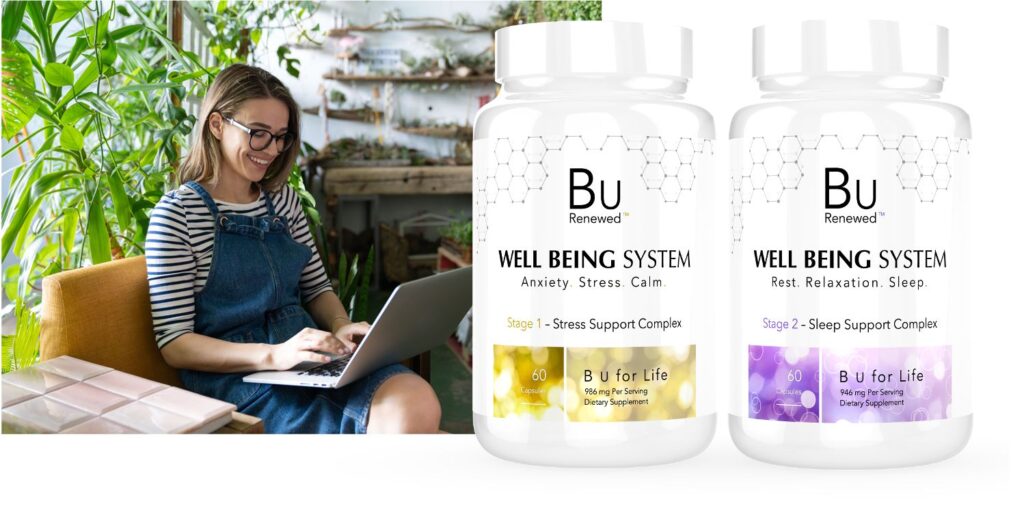
    The Well Being System offers supplements designed to support stress management and promote overall well-being.

    Its ingredients can help mitigate the effects of stress on the body.

    Checkout our Well Being System products and supplements here: https://burenewed.com/product/well-being/

    Recognizing Signs of Stress

    Stress affects various systems in the body, including the immune, cardiovascular, digestive, and nervous systems.

    It can weaken the immune system, increase blood pressure, disrupt digestion, and impair cognitive function.

    Identifying Early Warning Signs for Effective Intervention

    Recognizing the signs of stress is essential for early intervention and effective stress management.

    By identifying these signs early on, individuals can take proactive steps to address stressors.

    With that, it is easier to implement coping strategies, and prevent the escalation of stress-related symptoms.

    Physical Signs of Stress

    1. Muscle Tension:

    Stress often manifests as tension in the muscles, leading to stiffness, tightness, or pain in the neck, shoulders, back, or jaw.

    Chronic muscle tension can contribute to headaches, migraines, and other physical discomforts.

    2. Fatigue:

    Chronic stress can cause fatigue and exhaustion, even after adequate rest.

    Individuals may feel tired, lethargic, and lacking in energy, making it difficult to perform daily tasks or engage in activities they once enjoyed.

    3. Changes in Sleep Patterns:

    Stress can disrupt sleep patterns, leading to difficulty falling asleep, staying asleep, or achieving restorative sleep.

    Individuals may experience insomnia, frequent waking during the night, or early morning awakenings.

    • Digestive Problems:

    Stress can affect digestion and bowel function.

    When that happens, it leads to symptoms such as stomach pain, bloating, indigestion, constipation, or diarrhea.

    Chronic stress is also associated with gastrointestinal disorders such as irritable bowel syndrome (IBS) and gastroesophageal reflux disease (GERD).

    For a healthier gut, checkout our article on gut health is good health here: https://burenewed.com/gut-health-is-good-health-in-the-world-of-holistic-wellness/
    Psychological Signs of Stress

    1. Anxiety:

    Stress often triggers feelings of anxiety, worry, or apprehension, even in situations that are not inherently threatening.

    Individuals may experience racing thoughts, restlessness, or a sense of impending doom.

    2. Mood Changes:

    Stress can impact mood, leading to irritability, agitation, mood swings, or emotional volatility.

    Individuals may feel more sensitive, reactive, or easily overwhelmed by daily stressors.

    • Difficulty Concentrating:

    Chronic stress can impair cognitive function, making it difficult to focus, concentrate, or retain information.

    Individuals may feel mentally foggy, forgetful, or have trouble making decisions.

    4. Depression:

    Prolonged exposure to stress can increase the risk of developing depression or exacerbate existing depressive symptoms.

    Individuals may experience feelings of sadness, hopelessness, or loss of interest in activities they once enjoyed.

    Integrating Well Being System Supplements into Your Routine

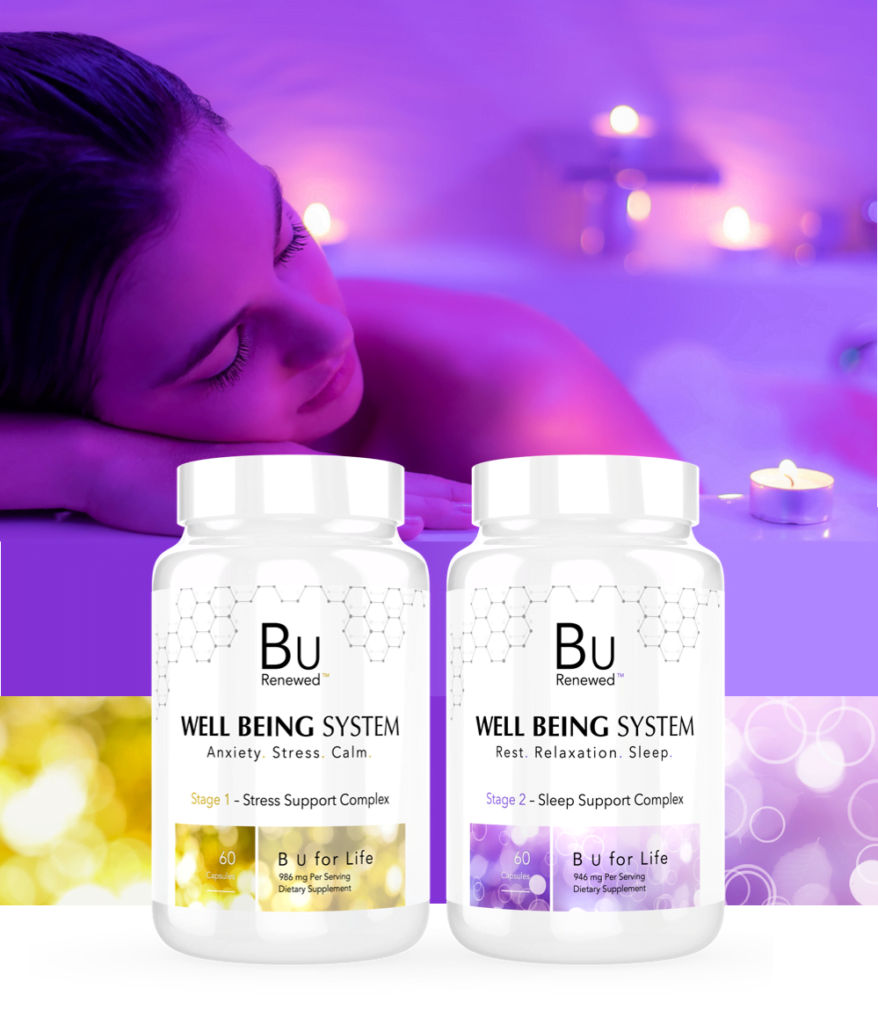
    Incorporating Well Being System supplements into your daily routine can provide additional support for stress management.

    The supplements contain ingredients that promote relaxation, reduce anxiety, and support overall well-being.

    Understanding Well-Being System Supplements

    Well-being System supplements are specially formulated to support overall health and vitality.

    They do that by providing essential nutrients that may be lacking in the diet or become less efficiently absorbed as individuals age.

    Integrating these supplements into your daily routine can help optimize well-being and promote longevity.

    Components of Well-Being System Supplements

    1. Morning Formula:

    The morning formula is designed to kick-start your day with essential nutrients for energy, vitality, and immune support.

    It typically contains vitamins C and D, B vitamins, antioxidants, and other key nutrients to support overall health and well-being.

    2. Evening Formula:

    The evening formula complements your nighttime routine by providing nutrients for relaxation, restorative sleep, and overnight recovery.

    Ingredients such as magnesium, melatonin, and herbal extracts help promote relaxation, improve sleep quality, and support muscle repair and recovery.

    Strategies for Integrating Well-Being System Supplements

    1. Morning Routine: Incorporate the morning formula into your daily routine by taking it with breakfast or your first meal of the day.

    This ensures you start your day off right with the essential nutrients needed for energy and vitality.

    • Evening Routine: Take the evening formula as part of your bedtime routine, ideally 30 minutes to an hour before bed.

    This allows the ingredients to support relaxation and promote restorative sleep, helping you wake up feeling refreshed and rejuvenated.

    • Consistency: Make taking Well-Being System supplements a consistent habit by incorporating them into your daily routine.

    Set a reminder or incorporate them into your morning and evening rituals to ensure you don’t forget.

    • Pairing with Meals: Some supplements may be more effective when taken with food. 

    Consider taking the morning formula with breakfast and the evening formula with dinner to enhance absorption and maximize benefits.

    • Adjusting Dosage: Follow the recommended dosage instructions provided on the supplement packaging or as advised by a healthcare professional.

    Adjust the dosage based on individual needs and health goals.

    • Monitoring Benefits: Pay attention to how your body responds to the supplements over time.

    Notice any improvements in energy levels, sleep quality, immune function, or overall well-being, and adjust your routine accordingly.

    7. Consultation with Healthcare Professional: Before starting any new supplement regimen, especially if you have underlying health conditions or are taking medications, consult with a healthcare professional to ensure it is safe and appropriate for you.

    Seeking Support for Stress Management

    If you’re struggling to manage stress on your own, don’t hesitate to seek support from a healthcare professional, therapist, or counselor.

    They can provide guidance, resources, and coping strategies to help you handle stressful situations more effectively.

    Practicing Mindfulness and Relaxation Techniques

    Mindfulness meditation, deep breathing exercises, progressive muscle relaxation, and other relaxation techniques can help calm the mind and body, reducing the impact of stress on your health.

    Conclusion:

    As Stress Awareness Month reminds us, stress is a significant health concern that requires attention and proactive management. 

    Stress awareness is essential for recognizing the impact of stress on health and well-being.

    Thus, implementing effective strategies to cope with stressors and promote resilience.

    By cultivating mindfulness, adopting healthy lifestyle habits, seeking social support, and utilizing stress management techniques, you can effectively manage stress and improve overall quality of life.

    The effects of stress on health are wide-ranging and complex, impacting both physiological and psychological well-being.

    Recognizing these effects is the first step toward implementing effective stress management strategies, and improving overall quality of life.

    By addressing stressors, adopting healthy coping mechanisms, and seeking support when needed, you can mitigate the negative effects of stress.

    Integrating Well-Being System supplements into your daily routine can help support overall health, vitality, and well-being. 

    By following these strategies for incorporating supplements into your morning and evening routines, you can optimize nutrient intake.

    This can promote relaxation and restorative sleep, and enhance your overall quality of life.

  • How to Build Lean Muscle After 40

    How to Build Lean Muscle After 40

    How to build lean muscle after 40 presents unique challenges due to hormonal changes and decreased metabolism.

    This article explores the principles of the Age Well System and how they can help individuals build lean muscle after 40.

    Introduction

    How to build lean muscle after 40 presents unique challenges due to hormonal changes and decreased metabolism.

    This article explores the principles of the Age Well System and how they can help individuals build lean muscle after 40.

    The Age Well System encompasses nutrition, exercise, recovery, and hormonal optimization for lasting results.

    Understanding the Age Well System

    What is the Age Well System?

    The Age Well System helps people stay healthy as they get older by focusing on building strong muscles and overall well-being.

    Principles of the Age Well System

    The Age Well System is based on the idea that overall health is connected to physical, mental, and emotional wellness.

    Its core principles include nutrition, exercise, recovery, and hormonal optimization.

    Importance of Holistic Health

    The Age Well System emphasizes the importance of overall health maintenance rather than solely focusing on physical fitness.

    Considering every aspect of your well-being is deemed crucial by it. 

    Balanced Lifestyle Choices

    The Age Well System focuses on encouraging a healthy lifestyle with good eating, exercise, rest, and stress management.

    Long-Term Health Goals

    By focusing on overall health, people can develop habits that help them stay healthy and strong as they get older.

    It’s a way to help your muscles get stronger and be as healthy as possible.

    To sustain health over a long time, read this article on 25 healthy ways of living and reaching goals https://parade.com/1340983/marynliles/long-term-goals/

    Nutrition for Muscle Growth

    The Role of Nutrition After 40

    Nutrition plays a vital role in how to build lean muscle after 40.

    As people get older, their body’s ability to burn energy and build muscles slows down. 

    It’s important to eat the right foods to help keep muscles strong and healthy.

    Macronutrient Considerations

    Protein

    Protein is essential for building and repairing muscle tissue.

    Incorporating lean sources of protein such as chicken, fish, tofu, beans, and lentils into your diet is key to supporting muscle growth after 40.

    Carbohydrates

    Carbohydrates are the body’s primary source of energy, especially during workouts.

    Choosing complex carbohydrates like whole grains, fruits, vegetables, and legumes can help sustain energy levels and support muscle growth.

    Fats

    Healthy fats play a crucial role in hormone production and overall health.

    Eating foods like nuts, seeds, avocados, and olive oil can help build muscles and help them recover after 40.

    Micronutrient Considerations

    Vitamins

    Vitamins are essential for various metabolic processes, including muscle function and recovery.

    Consuming a variety of fruits, vegetables, and fortified foods is healthy,

    It makes sure you get enough vitamins like D, C, and E, which help build strong muscles after 40.

    Minerals

    Minerals like calcium, magnesium, and zinc are necessary for muscle contraction, bone health, and recovery.

    Eating foods like milk, veggies, nuts, and seeds can help your muscles grow and keep you healthy at 40.

    For specific recommendations on practicing mindfulness to support muscle growth after 40, check out our article on https://burenewed.com/practicing-mindfulness-for-your-health/

    These nutrient-dense foods are packed with protein, vitamins, and minerals to help you achieve your muscle-building goals.

    Resistance Training Techniques for Building Lean Muscle After 40

    Effective Resistance Training Strategies

    Adopt Personalized Approaches

    People over 40 should use specific resistance training methods that fit their age, fitness level, and health problems.

    Focus on Compound Movements

    Focus on exercises that work multiple muscles at the same time, like squats, deadlifts, bench presses, and rows.

    These workouts are good for making your muscles stronger and bigger.

    Try Progressive Overload

    Incorporate progressive overload by gradually increasing the intensity, volume, or resistance of your workouts over time.

    This stimulates muscle growth and adaptation, leading to continued progress.

    Importance of Proper Form and Technique

    Injury Prevention

    Proper form and technique are paramount for individuals over 40 to prevent injuries during resistance training.

    Focusing on maintaining proper alignment and controlled movements reduces the risk of strains, sprains, and other injuries.

    Muscle Activation

    Making sure you use the right form when you exercise makes your muscles work better.

    This helps you focus on the muscles you want to work and get the most out of your workout.

    Increasing Joint Health

    Proper technique also promotes joint health by minimizing excessive stress on the joints and supporting their stability and range of motion.

    For a comprehensive guide on activities designed specifically for seniors, including individuals over 40, refer https://burenewed.com/anti-aging-activities-walking/

    Recovery and Regeneration:

    The Importance of Recovery for Building Lean Muscle After 40

    Wondering how to build lean muscles after 40? 

    Recovery is crucial, especially for older adults aiming to build muscle.

    As we age, the body’s ability to recover diminishes, making prioritizing recovery essential.

    Strategies for Optimizing Recovery

    1. Implement these strategies to enhance recovery and minimize muscle soreness:
    • Incorporate regular rest days into your routine for muscle repair and rebuilding.
    • Ensure adequate sleep each night to support muscle regeneration.
    • Stay hydrated to aid muscle function and recovery.
    • Eat a balanced diet to fuel muscle recovery and growth.
    • Improve flexibility and reduce muscle tension with foam rolling and stretching.
    • Engage in low-intensity activities like walking or yoga to promote blood flow and aid recovery.

    Minimizing Muscle Soreness

    Follow these steps to minimize excessive muscle soreness:

    1. Increase workout intensity gradually to avoid overexertion.
    2. Use correct form during exercises to prevent muscle strain.
    3. Include cool-down exercises and gentle stretching to relax muscles post-workout.

    By prioritizing recovery and implementing these strategies, individuals can optimize muscle building and maintain overall health as they age.

    The Role of Sleep in Building Lean Muscle After 40

    When learning how to build lean muscle after 40, you will discover that sleep plays a crucial role in muscle recovery and growth.

    Importance of Sleep in Building Lean Muscle After 40:

    Quality sleep is essential for muscle recovery and growth, especially as individuals age.

    Getting enough sleep helps the body heal and recover from exercise.

    This helps in making healthy muscles and having enough energy, even after turning 40.

    Tips for Improving Sleep Quality and Duration

    Establish a Consistent Sleep Schedule

    Maintaining a regular sleep schedule helps regulate the body’s internal clock, promoting better sleep quality and duration.

    Aim to go to bed and wake up at the same time each day, even on weekends, to optimize your sleep patterns.

    Create a Relaxing Bedtime Routine

    Engage in calming activities before bedtime to signal to your body that it’s time to wind down.

    This could include reading, taking a warm bath, practicing relaxation techniques like deep breathing/meditation, or listening to soothing music.

    Limit Screen Time Before Bed

    The blue light from phones, tablets, and computers can mess up your body’s sleep schedule. 

    Minimize exposure to screens at least an hour before bedtime to promote better sleep quality.

    Create a Comfortable Sleep Environment

    Ensure your bedroom is conducive to sleep by optimizing factors such as temperature, lighting, and noise levels.

    Invest in a comfortable mattress and pillows, and consider using blackout curtains or white noise machines to block out distractions.

    Limit Stimulants and Heavy Meals Before Bed

    Avoid consuming caffeine and large meals close to bedtime, as these can disrupt sleep patterns and lead to discomfort.

    Opt for light snacks if you’re hungry before bed, and try herbal teas or warm milk to promote relaxation.

    Stay Active During the Day

    Regular physical activity can improve sleep quality and help regulate sleep patterns.

    Try to do at least 30 minutes of moderate exercise most days of the week. 

    But don’t do intense exercise right before bed, as it can make it difficult to fall asleep.

    Practice Stress Reduction Techniques

    Chronic stress can interfere with sleep quality and duration, so it’s important to manage stress effectively.

    Incorporate stress-reduction techniques such as mindfulness, meditation, or yoga into your daily routine to promote relaxation and better sleep.

    For more tips on improving sleep quality and duration, check out this article on 7 Tips for Better Sleep After 40 https://www.healthline.com/health-news/people-in-their-40s-tend-to-sleep-the-least-these-tips-can-help

    Implementing these strategies can help you optimize your sleep and support muscle recovery and growth as you age.

    Understanding the Impact of Hormonal Changes

    How to Build Lean Muscle After 40

    Hormonal changes can significantly impact muscle building after 40. 

    Declining testosterone and growth hormone levels may lead to reduced muscle mass and strength over time.

    Strategies for Naturally Boosting Hormone Levels

    How to Build Lean Muscle After 40

    Implementing lifestyle strategies can help naturally boost testosterone and growth hormone levels, supporting muscle growth and overall strength

    Exercise

    Engage in strength training, intense interval workouts.

    Remember that exercises that work multiple muscles like squats and deadlifts can help promote hormones production and muscle growth.

    Nutrition

    Consuming adequate protein, healthy fats, and micronutrients like zinc and vitamin D supports hormone production and muscle function.

    Include foods like lean meats, eggs, nuts, seeds, and leafy greens in your diet.

    Sleep

    Prioritize quality sleep to optimize hormone production and muscle recovery.

    Aim for 7-9 hours of uninterrupted sleep each night to support overall health and well-being.

    Stress Management

    Chronic stress can negatively impact hormone levels and muscle growth. 

    Incorporate stress-reducing activities like meditation, yoga, and deep breathing exercises into your daily routine.

    Understanding the Impact of Stress

    Chronic stress can significantly affect hormone levels, disrupting the delicate balance needed for muscle growth and overall health.

    Effects of Stress on Hormone Levels

    Excessive stress can lead to elevated levels of cortisol, a hormone associated with increased fat storage and muscle breakdown.

    This imbalance can hinder muscle growth and recovery, making it challenging to build lean muscle after 40.

    Strategies for Stress Reduction

    Mindfulness Meditation:

    Practicing mindfulness meditation can help reduce stress levels and promote relaxation, thereby supporting hormonal balance and muscle growth.

    Regular Exercise:

    Doing exercise like lifting weights or doing yoga can make you feel less stressed and happier.

    It also helps your muscles get bigger and keeps you healthy.

    Explore here for the benefits of mindfulness and meditation https://www.healthline.com/nutrition/12-benefits-of-mindfulness-meditation

    The Key to Building Lean Muscle After 40

    Importance of Consistency

    Consistency is crucial for achieving muscle growth goals, especially as you age.

    Regular Exercise

    Consistently engaging in resistance training workouts stimulates muscle growth over time.

    Consistently increasing the intensity or volume of your workouts ensures continued muscle stimulation.

    Nutrition

    Consistently consuming a balanced diet rich in protein and nutrients supports muscle repair and growth.

    Recovery

    Consistently prioritizing rest and recovery allows muscles to repair and grow stronger after workouts.

    Importance of Patience

    Patience is essential when building muscle after 40, as results may take longer to achieve compared to younger years.

    Gradual Progress

    Patience allows you to focus on gradual progress rather than expecting immediate results.

    Sustainable Habits

    Patience encourages the development of sustainable habits that support long-term muscle growth and overall health.

    Importance of Long-Term Mindset

    A long-term mindset is essential for sustainable muscle growth and overall health.

    Instead of seeking quick fixes or instant results, focus on making gradual, sustainable changes to your lifestyle and habits.

    Setting Realistic Expectations

    Setting realistic expectations is key to staying motivated and avoiding frustration.

    Understand that building lean muscle takes time, especially after 40. Be patient with yourself and celebrate small victories along the way.

    Benefits of Committing to the Age Well System

    Consistent Progress

    Committing to the Age Well System ensures consistent progress toward your muscle-building and health goals. 

    By following its principles consistently, you’ll see gradual improvements in strength, muscle tone, and overall well-being.

    Read here for tips on how to incorporate the Age Well System into your daily activities https://burenewed.com/anti-aging-science-and-futuristic-supplements/

    Long-Term Health and Vitality

    Staying committed to the Age Well System not only helps you build lean muscle but also promotes long-term health and vitality.

    By prioritizing holistic health and balanced lifestyle choices, you’ll enhance your quality of life as you age.

    Conclusion

    “How to build lean muscle at 40” is a question that lingers on the mind of many people in this world.

    However, let me introduce you to a solution that most people sleep on, the Age Well System.

    It focuses on all aspects of health, including eating right, staying active, balancing hormones, and connecting the mind and body.

    Now you know that it helps with building muscle and feeling good overall after turning 40.

    It’s really important to have a healthy lifestyle and make good choices for your body.

    This is not only important for building lean muscle after 40, but also for staying healthy and feeling good in the long run.

    Do you know what you can gain by taking care of your overall health?

    You can improve your life, stay strong, and age well, building strong muscles even as you get older.

    By following the plans and being consistent, you can make your muscles grow and stay healthy for a long time.

  • Mind-Boosting Brain Games for Seniors

    Mind-Boosting Brain Games for Seniors

    Mind-Boosting Brain Games for Seniors does not only introduces our exploration. It also emphasizes the significance of engaging in brain games as a valuable tool for fortifying the mind.

    Introduction:

    Mind-Boosting Brain Games for Seniors does not only introduces our exploration. 

    It also emphasizes the significance of engaging in brain games as a valuable tool for fortifying the mind. 

    Navigating Cognitive Enhancement: The Stay Sharp System

    Embark on a journey for cognitive health with the innovative Stay Sharp System.

    Comprehensive Approach: Elevating Cognitive Fitness

    This system systematically fortifies cognitive fitness, complementing dynamic challenges posed by brain games.

    Unified Strategy: Preserving Cognitive Health

    Brain games and the Stay Sharp System unite for a comprehensive approach to cognitive well-being.

    The Cognitive Benefits of Brain Games

    Playing brain games offers more than just entertainment; it actively stimulates various cognitive functions. 

    From memory retention to enhancing focus, these mind-boosting brain games for seniors provide a holistic approach to brain health.

    Unlocking the Cognitive Benefits

    Engaging in these brain games isn’t just leisure—it’s a proactive measure with profound mental implications. 

    Memory Fortification: The Impact of Brain Games

    Brain games serve as targeted exercises designed to strengthen memory retention.

    Tangible Improvements: Enhancing Recall and Recognition

    Engaging in challenges enhances recall and recognition, leading to noticeable improvements in memory.

    Tailored Cognitive Support: Mind-Boosting Games for Seniors

    Crucial for seniors and those with memory challenges, these games offer a tailored approach.

    The design of brain games demands sustained attention and concentration for optimal engagement.

    Mind Training: Improving Attention Spans

    Repeated engagement trains minds to refine focus, yielding improved attention spans over time.

    Refining focus is pivotal for heightened cognitive performance, facilitating efficient navigation of complex tasks.

    Holistic Cognitive Stimulation:

    Active Engagement: The Essence of Brain Games

    Unlike passive entertainment, brain games demand active participation for optimal cognitive stimulation.

    Engagement simultaneously activates various brain areas, providing comprehensive cognitive stimulation and mental agility.

    Strategic Games and Memory Improvement

    Memory is a crucial aspect of cognitive well-being, and certain brain games are designed to specifically target and enhance this function.

    Engaging in strategic games offers a unique avenue for individuals seeking to enhance their memory capabilities. 

    Unveiling Memory Enhancement: The Impact of Strategic Brain Games

    1. Cognitive Stimulation: Robust Mental Engagement

    Strategic games demand active problem-solving, critical thinking, and decision-making, providing robust cognitive stimulation. 

    This engagement stimulates neural pathways associated with memory functions.

    2. Pattern Recognition: Aiding Memory Retention

    Many games involve recognizing and remembering patterns, enhancing the brain’s ability to recall details over time.

    3. Spatial Memory Enhancement: Tapping into Spatial Reasoning

    Certain games, especially those involving spatial reasoning, challenge the brain to create mental maps, enhancing spatial memory.

    4. Associative Learning: Strengthening Memory Connections

    Games requiring associative learning strengthen memory by connecting actions or decisions with specific outcomes.

    5. Memory Recall Challenges: Improving On-Demand Retrieval

    Games incorporate memory recall challenges, improving the ability to retrieve information on-demand and enhancing overall memory.

    Navigating Distractions with Strategic Games

    Enhancing Focus: The Role of Strategic Brain Games

    Maintaining focus becomes challenging with age, and brain games prove effective in honing this skill.

    Strategic games provide a powerful means for individuals to entertain themselves while navigating distractions.

    Exploring Concentration Enhancement: The Impact of Strategic Games

    Engaging in these games is instrumental in enhancing concentration amidst various distractions for individuals:

    1. Task Prioritization Focus: Sharpening Decision-Making

    Strategic games demand task prioritization, honing focus on essential tasks while filtering distractions effectively.

    2. Attention to Detail: Refining Observational Skills

    Games with intricate details enhance attention to detail, translating into improved real-life concentration skills.

    3. Dynamic Decision-Making Challenges:

    The dynamic nature of strategic games presents players with constantly changing scenarios, demanding quick and effective decision-making.

    This aspect not only sharpens decision-making skills but also improves the capacity to concentrate amid a continuously evolving environment, fostering adaptability and focus.

    4. Cognitive Flexibility:

    Strategic games necessitate cognitive flexibility, the ability to switch between different tasks or strategies seamlessly. 

    Pivotal Mental Agility: Navigating External Distractions

    Mental agility is pivotal, enabling individuals to maintain concentration despite external distractions, adeptly refocusing attention as needed.

    5. Resistance to Interruptions:

    Through repeated exposure to strategic games, individuals develop a resistance to interruptions.

    Enhancing Concentration Through Immersion

    Immersive games teach the mind to maintain focus amid external stimuli, improving concentration skills.

    6. Transferable Skills to Real-Life Scenarios:

    Seamless Transfer of Skills: Strategic Games to Real-Life

    Skills honed in strategic games—prioritization, attention to detail, dynamic decision-making, and resistance to interruptions—effortlessly transfer to real-life scenarios.

    As individuals master concentration in games, they become better equipped to navigate distractions in daily activities.

    Deeper Insight into Cognitive Functions: Explore Our Guide

    For a comprehensive understanding of cognitive functions and their impact on brain health, delve into our guide here.

    Battling Brain Fog with Brain Games

    Combatting Brain Fog: The Value of Brain Games

    Engaging in brain games isn’t merely entertainment; it’s a proactive measure against brain fog symptoms.

    Exploring Valuable Tools: Addressing and Preventing Brain Fog

    Delve into the ways these games become valuable tools to combat and prevent brain fog effects.

    1. Cognitive Activation:

    Brain fog often stems from reduced cognitive activity. 

    Systematic Cognitive Activation: Brain Games Approach

    Engaging in brain games systematically activates various cognitive functions, enhancing alertness and reducing the cloudiness linked to brain fog.

    2. Increased Mental Energy:

    Brain games require mental effort and engagement, contributing to increased mental energy. 

    Cognitive Vitality Surge: The Impact of Active Participation

    Active participation in these games leads to a surge in cognitive vitality, countering lethargy and mental fatigue associated with brain fog.

    3. Memory Reinforcement:

    Memory lapses are a common aspect of brain fog. Brain games, designed to enhance memory retention, offer a targeted solution. 

    Memory Reinforcement: Brain Games and Recall

    Regular participation reinforces memory function, aiding effective information recall and reducing memory-related aspects of brain fog.

    4. Improved Information Processing:

    Brain fog can impede the brain’s ability to process information swiftly. 

    Cognitive Enhancement: The Role of Brain Games

    Brain games, particularly those involving quick decision-making, refine skills and contribute to clearer thinking.

    Mitigating Brain Fog: Faster Cognitive Responses

    Improved decision-making and information processing mitigate the effects of brain fog, fostering faster cognitive responses.

    5. Enhanced Concentration:

    One of the hallmarks of brain fog is a lack of concentration.

    Focus Challenge: The Impact of Brain Games

    Engaging in brain games challenges focus and resists mental distractions effectively.

    Real-Life Concentration: An Antidote to Brain Fog

    Heightened concentration from games becomes a powerful antidote to the scatterbrained feeling of brain fog in real-life scenarios.

    Checkout our collection of supplements to Stay Sharp here

    6. Stress Reduction:

    Brain games often serve as stress relievers, contributing to an overall reduction in stress levels. 

    Mitigating Stress Impact: Cognitive Activities Against Brain Fog

    Actively engaging in enjoyable cognitive activities helps mitigate stress’s impact on mental clarity, countering brain fog.

    Strategies for a Sharper Mind in Brain Games

    Effective Strategies in Brain Games: Cultivating Mental Acuity

    Uncovering strategies within brain games is crucial for cultivating a sharper and clearer mind.

    Exploring Game Strategies: Contributing to Cognitive Clarity

    Let’s delve into specific strategies in these games that contribute to mental acuity and cognitive clarity.

    1. Problem-Solving Techniques:

    Many brain games involve intricate problem-solving scenarios.

    Engaging in these activities cultivates effective problem-solving techniques, encouraging individuals to approach challenges methodically. 

    Enhancing Mental Sharpness: Strategic Thinking Impact

    Strategic thinking in brain games enhances mental sharpness, training the mind to navigate complex situations with precision.

    2. Memory Mnemonics and Associations:

    Strategic use of memory aids, such as mnemonics and associations, is often integral to many brain games.

    These techniques not only aid in remembering information within the game context but also serve as transferable skills for real-life scenarios. 

    Memory Aid Mastery: Fostering Clarity and Retention

    Developing a knack for memory aids contributes to a clearer and more retentive mind.

    3. Pattern Recognition Mastery:

    Games frequently present patterns or sequences that require recognition. 

    Mastering pattern recognition sharpens the mind’s ability to discern relationships and sequences quickly.

    This skill is transferrable to various situations, promoting mental clarity in everyday problem-solving.

    4. Speed and Accuracy Challenges:

    Brain games often incorporate elements of speed and accuracy.

    Engaging in challenges that demand quick decision-making and precise responses hones mental agility.

    The ability to process information rapidly and accurately results in a sharper and more responsive mind.

    Stay Informed on Cognitive Health: Explore Reputable Sources

    Stay updated on the latest cognitive health studies and the impact of brain games by exploring reputable sources such as https://www.nia.nih.gov/health/brain-health/cognitive-health-and-older-adults.

    Tailoring Brain Games for Seniors

    Seniors, in particular, can benefit significantly from tailored brain games that cater to their specific cognitive needs. 

    Discover how these games can be adapted to address age-related cognitive challenges.

    Adapting Brain Games for Age-Related Cognitive Challenges

    Discovering how brain games can be adapted to address age-related cognitive challenges opens a pathway to tailored cognitive enhancement. 

    Let’s explore the specific ways in which these games can be modified to cater to the unique needs associated with aging and support cognitive health.

    1. Gradual Complexity Levels:

    Adapting brain games for seniors involves incorporating gradual increases in complexity.

    Building Cognitive Resilience: Gradual Progression Approach

    Begin with simpler tasks, progressively introducing more challenging elements to build cognitive resilience at a suitable pace for age-related changes in cognitive function.

    2. Enhanced Visual and Auditory Cues:

    Age-related cognitive challenges may include changes in sensory perception.

    Modifying brain games to include enhanced visual and auditory cues compensates for potential declines in sensory abilities.

    Accessible Enjoyment: Clear Cues for Seniors

    Clear and distinct cues enhance game accessibility and enjoyment for seniors.

    3. Focus on Short-Term Memory Exercises:

    Addressing age-related cognitive challenges often involves focusing on short-term memory exercises.

    Tailored Memory Focus: Adapting Brain Games for Seniors

    Adapt brain games to prioritize activities targeting short-term memory, aiding seniors in maintaining and enhancing this cognitive function aspect.

    4. Incorporating Social Elements:

    Seniors often benefit from social engagement.

    Adapting brain games to include collaborative or competitive elements promotes social interaction while challenging cognitive abilities. 

    Holistic Integration: Enhancing the Overall Experience

    This integration addresses age-related challenges, enhancing the overall experience.

    5. Personalized Challenge Levels:

    Each individual faces unique cognitive challenges as they age.

    Personalized Challenge Levels: Maximizing Cognitive Stimulation

    Adapting brain games for personalized challenge levels ensures seniors engage in activities tailored to their cognitive abilities, maximizing cognitive stimulation benefits.

    6. Integrating Familiar Elements:

    Nostalgic Adaptation: Familiar Elements in Brain Games for Seniors

    Incorporating familiar elements into mind-boosting brain games adds a nostalgic and comforting aspect for seniors.

    This adaptation not only enhances relatability but also taps into long-term memory, offering a holistic approach to age-related cognitive challenges.

    For a comprehensive guide on maintaining optimal brain health in seniors, explore these tips and recommendations.

    Conclusion:

    Mind-boosting games for seniors highlight the impactful role of brain games in memory, cognitive clarity, focus, and alleviating brain fog.

    The integration of these games into a holistic brain health approach is portrayed as a proactive step in maintaining cognitive well-being.

    Dynamic Tools for Cognitive Enhancement: Unveiling the Role of Brain Games

    Exploring cognitive benefits, improvement strategies, and adaptability for age-related challenges within brain games reveals their dynamic role,

    It is evident that they are more than entertainment, as they enhance various aspects of cognitive function.

    Holistic Alignment: The Stay Sharp System and Cognitive Fitness

    The holistic approach aligns with the principles of the Stay Sharp System—an innovative platform for systematic cognitive fitness elevation.

    Seamlessly complementing brain game challenges, the Stay Sharp System offers a structured, personalized approach to cognitive support.

    Together, brain games and the Stay Sharp System form a unified strategy for sustaining, fortifying, and preserving cognitive health. 

    This synergistic approach underscores both immediate advantages and the long-term potential for a sharper, more resilient mind.

    Committing to Cognitive Vitality: Brain Games and Stay Sharp System

    Embarking on the journey toward cognitive vitality requires an active commitment to the principles explored in brain games and the comprehensive support offered by the Stay Sharp System. 

    Explore https://burenewed.com/product/age-well-system/ for some Stay Sharp System products.

    Unlocking Cognitive Well-Being: Brain Games and Stay Sharp System Integration

    Proactively integrate brain games with Stay Sharp System for enhanced memory, focus, and clarity. Begin today!

  • The Sweet Harmony of Well-Being

    The Sweet Harmony of Well-Being

    The sweet harmony of wellbeing and the impact of sugar on body and mind as the festive season unfolds in December, the desire for sugary delights becomes irresistible. Yet, amidst the festivities, it’s vital to reevaluate our sugar intake for the sake of our well-being. Excessive sugar consumption can impact various facets of our health, from blood sugar levels to cognitive function, making it crucial to adopt healthier alternatives.

    The Impact of Sugar on Body and Mind

    1. Blood Sugar Balancing Act Reconsidered Consuming excess sugar leads to a rapid surge in blood sugar levels, triggering increased insulin production. Over time, this can disrupt blood sugar balance, impacting overall metabolic health.
    2. Energy Peaks and Valleys While sugar provides a quick energy boost, the subsequent crash can leave us fatigued and irritable. Managing sugar intake is essential to avoid the rollercoaster effect on energy levels.
    3. Weight Woes and Beyond Unhealthy weight gain is a common consequence of excessive sugar consumption. The high-calorie content of sugary foods contributes not only to weight gain but also adversely affects the gut and joints.
    4. Hormonal Harmony Disrupted Research suggests that added sugars can negatively impact hormonal balance, especially concerning menopausal symptoms in women. Addressing sugar intake becomes crucial for hormonal well-being.
    5. Heart Health and the Sugar Connection High sugar intake is associated with adverse effects on heart health, influencing blood pressure and triglyceride levels. It’s imperative to recognize the link between sugar consumption and cardiovascular well-being.
    6. Liver Strain Due to Sugar Overload The liver’s role in metabolizing sugar is vital, but excess sugar can lead to strain and overuse. Understanding the implications of sugar on liver health is essential for overall well-being.
    7. The Sweet Trap of Addiction and Oral Health Sugar’s activation of the brain’s reward system can lead to addictive behavior. This not only affects mental well-being but also has consequences for oral health, promoting bacterial overgrowth.
    8. Cognitive Function and Sugar’s Influence Studies indicate a connection between high sugar intake and negative impacts on cognitive function and memory. Addressing sugar consumption is crucial for maintaining a sharp mind and positive outlook.
    9. Mood Swings, Inflammation, and Beyond Fluctuations in blood sugar levels can influence mood, contributing to mood swings and irritability. Moreover, excessive sugar intake has been linked to inflammation, impacting cellular and neurological health.

    Navigating Sugar Intake: Recommended Guidelines

    Understanding the recommended daily sugar intake is vital for informed dietary choices. Organizations like the American Heart Association (AHA) and the World Health Organization (WHO) provide guidelines, emphasizing the importance of distinguishing between added sugars and those naturally occurring in whole foods.

    How Much Sugar Per Day?

    The AHA recommends adult women limit added sugar to six teaspoons (24 grams) daily, while men should not exceed nine teaspoons (36 grams). The WHO aligns with these guidelines, advising less than 10 percent of total daily energy intake from added sugars. These recommendations underscore the need for moderation and informed choices.

    Strategies to Tame Sugar Cravings

    Overcoming excess sugar consumption is challenging but achievable with commitment and gradual changes. Here are practical tips to help reduce sugar intake and promote overall well-being.

    1. Recognition is the First StepAcknowledge the issue of excess sugar consumption and its impact on health. This awareness is crucial for initiating positive changes.
    2. Gradual Reduction for Sustainable ChangeGradually reduce sugar intake to make the transition more manageable. Start by cutting back on added sugars in beverages and opting for healthier snack alternatives.
    3. Educate Yourself: Read LabelsLearn about hidden sugars in food by reading ingredient labels. Familiarize yourself with alternative names for sugar, such as sucrose, glucose, and high fructose corn syrup.
    4. Beware of “Low-Fat” and “Diet” LabelsSome low-fat or diet products may compensate for reduced fat content with higher sugar content. Be cautious and choose wisely by checking labels.

    Embracing Well-being Supplements: A Gateway to Health

    As we navigate the complexities of sugar and its impact on health, it’s essential to explore alternatives that contribute positively to our overall well-being. Well-being supplements emerge as a transformative tool, offering a multitude of benefits across various facets of health.

    1. Bridging Nutritional Gaps with Supplements

    Well-being supplements serve as a vital bridge, ensuring that our bodies receive essential nutrients, even when our diets fall short. They provide a convenient way to address nutritional gaps and support overall health.

    2. Joints and Mobility: The Freedom to Move

    Maintaining joint health is crucial for overall mobility, especially as we age. Well-being supplements formulated to support joints often include key ingredients like glucosamine and chondroitin, promoting flexibility and reducing discomfort.

    Exploring Joint Health Supplements

    For in-depth information on maintaining joint health and exploring well-being supplements, https://www.webmd.com/arthritis/ss/slideshow-supplements-for-joint-pain

    3. Turmeric: A Golden Ally

    Turmeric, with its active compound curcumin, has gained recognition for its anti-inflammatory properties. Well-being supplements featuring turmeric contribute to joint health, cognitive function, and overall vitality.

    Unleashing the Power of Turmeric

    Discover the transformative properties of turmeric and its role in well-being by https://www.hopkinsmedicine.org/health/wellness-and-prevention/turmeric-benefits

    4. Anti-Aging Elixir: Supplements for Youthful Vitality

    Anti-aging supplements, enriched with antioxidants, combat oxidative stress and contribute to maintaining youthful skin, vibrant hair, and overall vitality. The Bu Renewed, Well Being System provides the most comprehensive supplement program with the greatest benefits to reduce inflammation, joint and mobility, along with supplementation to reverse aging, such as skin elasticity and wrinkles.

    5. Cognitive Well-being Supplements

    The intricate connection between nutrition and cognitive function has led to the development of supplements supporting brain health. Omega-3 fatty acids, phosphatidylserine, and essential vitamins and minerals play a vital role in promoting memory and concentration. We recommend Stage 1 and Stage 2 of the Well Being System by Bu Renewed to support these issues.

    6. Hormonal Harmony Supplements

    For women navigating menopause, supplements enriched with compounds like black cohosh aim to provide relief from hormonal fluctuations, alleviating symptoms and promoting overall well-being.

    7. Heart Health Boost: Supplements for Cardiovascular Well-being

    Supplements targeted at heart health, featuring omega-3 fatty acids and CoQ10, support cardiovascular well-being by promoting healthy cholesterol levels and maintaining optimal blood pressure.

    8. Liver Love: Detoxifying Supplements

    In an era of environmental toxins, supplements supporting liver health become crucial. Ingredients like milk thistle and N-acetyl cysteine aid in detoxification, promoting overall health.

    9. Strong Bones: Supplements for Skeletal Health

    Bone health is paramount, and supplements enriched with calcium, vitamin D, and vitamin K play a vital role in maintaining strong and resilient bones.

    10. Gut Health Guardians: Probiotic Supplements

    Probiotic supplements, rich in beneficial bacteria, promote a healthy gut microbiome. These supplements aid digestion, support immune function, and contribute to mental well-being.

    Choosing Quality for Maximum Benefit

    While the benefits of supplements are vast, choosing high-quality, third-party tested products is paramount. This ensures maximum benefits without compromising safety or efficacy.

    A Holistic Approach: Well-being Supplements and Lifestyle Harmony

    Supplements are not a standalone solution. A holistic approach that includes a balanced diet, regular exercise, and mindful lifestyle choices complements the benefits of supplements, creating a synergistic path toward lasting health.

    Navigating the Future: Well-being as a Way of Life

    As we bid farewell to the excesses of sugar-laden treats, embracing a well-rounded approach to nutrition, and incorporating thoughtfully chosen supplements, we pave the way for a future where well-being is not just a goal but a way of life.

  • You Are Beautiful

    You Are Beautiful

    You are beautiful is a potent reminder that true beauty exceeds societal standards and welcomes each person’s uniqueness in a world that often equates beauty with youthfulness and physical perfection. 

    Through the lens of the AGE WELL SYSTEM, this article takes you on a life-changing trip that explores a holistic approach to well-being, beauty, and anti-aging.

    As we delve into the various aspects of looking and feeling good, we explore external radiance, the psychology of fashion, inner nourishment, timeless desires, finding balance through spirituality, and the unveiling of the AGE WELL SYSTEM as a comprehensive solution. 

    This journey is not just about appearances; it’s a celebration of self-discovery and self-care, recognizing that beauty comes from a harmonious blend of external radiance and internal vitality. Do you agree that you are beautiful?

    Join us on this exploration as we uncover the secrets to embracing your inherent beauty, nurturing your well-being, and celebrating the continuous growth of self through the wisdom of the AGE WELL SYSTEM. 

    Truly, “You Are Beautiful!”—a sentiment that goes beyond mere words, inviting you to embark on a journey where beauty is a reflection of your unique story and a celebration of the vibrant, and authentic you.

    Achieving Your Best Look Possible

    Let’s take a journey into the world of self-expression and discover how our external appearance can impact our self-esteem. 

    From the art of makeup to the selection of stylish attire and premium skincare, each aspect plays a vital role in enhancing our personal beauty. 

    By exploring the significance of external radiance, we can unlock the life-changing effect of daily rituals that not only enhance your physical appearance but also boost your inner confidence.

    The Artistry of Makeup: Beyond Surface Beauty

    Though you are beautiful, makeup goes beyond just enhancing our appearance; it’s a way for us to express ourselves. Whether it’s a natural look for everyday or a daring statement for a special event, the art of makeup lets us reveal our unique personality and unleash our creativity. 

    Dress To Impress

    Clothing goes beyond being just something we wear; it’s a mirror of who we are. The clothes we choose can shape our self-perception and the way others see us.

    Whether it’s a sharp suit that radiates professionalism or a graceful dress that embodies liberation, fashionable attire has the ability to enhance our confidence and make a memorable impact.

    Pamper Your Skin: The Benefits of Using Premium Skincare Products

    Achieving external radiance starts with having healthy and glowing skin. High-quality skincare is more than just taking care of your skin; it’s a way to practice self-love.

    Every product, from cleansers to serums, contributes to nourishing our skin and giving us a luminous complexion that reflects our overall health and wellness.

    Embracing Brand Confidence

    Our brand choices are not just mere labels, but rather reflections of our beliefs and dreams. 

    Whether we opt for luxury or sustainability, the confidence we gain from our choices goes beyond the physical and becomes a part of who we are.

    It’s like painting a picture of ourselves, where each brand we choose is a brushstroke that contributes to the final masterpiece. 

    By exploring different aspects of beauty, such as makeup, skincare, and fashion, we can unlock the secrets to enhancing our external radiance and embracing our inner beauty.

    The Influence of Fashion on Psychology: Fabrics, Brands, and Building Self-Confidence

    Every article of clothing has a narrative inside the complex fabric of fashion. 

    Beyond the threads and stitches, fashion psychology delves into the significant influence of brands and textiles on our confidence and sense of self. 

    We explore the complex relationships between what we wear and how we see ourselves, delving into the luxurious feeling of materials and the statement-making ability of luxury brands.

    Uncover the Elegance of Luxurious Fabrics

    The feeling of fabric on our skin is more than just a physical feeling; it’s a sensation that can impact our emotions. From the gentle touch of cashmere to the crispness of linen, every fabric we choose tells a story about our personal style. By delving into the psychology of textures, we discover how the right fabric can make us feel comfortable, elegant, and even empowered.

    The Power of Brands: Showcasing Your Unique Identity

    Premium brands go beyond mere logos and tags; they represent powerful emblems of identity and prestige. 

    Opting for a specific brand is a deliberate choice to associate oneself with a particular set of principles or a specific way of life. 

    By exploring different brands, we delve into the realm of self-expression, recognizing how our brand preferences impact not only how others perceive us but also our own sense of identity.

    Express Yourself with Fashion: The Strength of Personal Style

    Fashion is like a universal language, and our closet is the story we tell. The clothes we choose to wear speak volumes about who we are, revealing our emotions, dreams, and even how confident we feel. By mastering the art of style, we gain the ability to express ourselves and connect with others through the powerful medium of fashion.

    Dressing for success: Your Secret Weapon to Boosting Confidence

    Fabrics and brands have a remarkable ability to boost our confidence. In the world of fashion psychology, we delve into the fascinating connection between the textures of fabrics and the influence of beloved brands on our self-esteem.

    Whether it’s in professional settings or social events, the perfect outfit has the potential to not only enhance our appearance but also transform our inner mindset.

    The Importance of Nutrition, Supplements, and Overall Wellness

    Discover the path to genuine beauty that starts from within. The decisions we make regarding our nutrition and supplements are crucial in nurturing our overall well-being. 

    In this section, we delve into the hidden secrets of unlocking our inner radiance. We explore the vital link between nutrition, supplements, and the incredible impact of the AGE WELL SYSTEM in supporting anti-aging.

    Explore Bu Renewed for more

    The Key to Genuine Beauty: A Healthy Diet

    Our body’s vitality and beauty are rooted in nutrition. As we explore the diverse world of food options, we discover how deeply our skin, hair, and overall health are affected by what we eat. 

    Every meal, from the vitamins in fruits to the minerals in vegetables, plays a role in nourishing our body and enhancing our natural radiance.

    Enhance Your Wellness Journey with the Help of Supplements

    Supplements play a crucial role in our pursuit of good health, serving as valuable companions along the way. 

    They help fill in the nutritional gaps and provide support to our bodies as we strive for vitality. 

    Whether it’s boosting our immune system or enhancing collagen production for youthful skin, supplements act as catalysts for our overall well-being.

    The Link Between Mind and Body: Unlocking the Secret to Timeless Beauty

    In the quest for everlasting youth, the interplay between the mind and body assumes a central role. 

    We explore the intricate connections between mental well-being and physical vitality, emphasizing the importance of practices like meditation and stress management in the pursuit of timeless beauty. 

    As we delve into this pursuit, we recognize that it extends beyond mere superficiality, encompassing societal perspectives, skincare regimens, fitness choices, and the profound relationship between the mind and body. 

    Each individual’s journey contributes to the ongoing narrative of the timeless pursuit of eternal youth.

    Uniting the Physical and Spiritual: A Pathway to True Beauty

    Finding a healthy balance between one’s bodily and spiritual well-being becomes a path of personal development in the hectic and fast-paced modern world. 

    This section explores the study of this complex balance and shows how meditation, yoga, and regular exercise have a tremendous effect on the body, mind, and spirit.

    Uncovering the Secrets of Meditation

    Meditation provides a path to inner peace by delving into the practice of introspection, developing mindfulness, and attaining a state of mental calmness. 

    Whether it’s through mindfulness meditation or transcendental techniques, each approach serves as a means of navigating the challenges of everyday life and fostering a sense of tranquility amidst the chaos.

    Yoga: Bridging the Gap between Body and Spirit

    Yoga serves as a connection between the physical and spiritual dimensions, drawing from ancient wisdom. 

    Through the combination of postures, breath work, and meditation, known as asanas, it offers a comprehensive approach that not only improves physical flexibility and strength but also fosters spiritual development. 

     Read Medicalnewstoday to explore more yoga styles and tips.

    By embracing yoga, we can discover its profound ability to cultivate inner harmony.

    Physical activity: Fostering the Sacred Space

    Engaging in regular physical activity goes beyond simply shaping the body; it plays a crucial role in nurturing the complete self.

    Whether one chooses cardiovascular exercises, strength training, or outdoor activities, the act of exerting oneself physically can lead to enhanced mental clarity, emotional equilibrium, and overall well-being.

    Read more workout tips at womens health.

    The Key Element in Holistic Anti-Aging

    You are beautiful, but it is crucial to understand that the AGE WELL SYSTEM goes beyond just using a range of beauty products. 

    It’s a comprehensive approach to anti-aging that focuses on the connection between external appearance and internal health. 

    By exploring the fundamental principles of this system, we recognize the importance of a holistic approach to aging gracefully.

    It’s a philosophy that emphasizes the significance of inner well-being in achieving true anti-aging results.

    For Skin care tips, check out American Academy of Dermatology Association today.

    Unveiling the Beauty Within: External Radiance and its Wider Impact

    Discover the ways in which the AGE WELL SYSTEM tackles the visible effects of aging, with a particular emphasis on revitalizing the skin. 

    Our in-depth analysis delves into the scientific principles behind our range of products, demonstrating how they collaborate to enhance the appearance of a radiant and youthful complexion.

    Explore this page for more insights on Bu Renewed AGE WELL SYSTEM

    Nurturing Internal Vitality: Supporting Cellular Function and Longevity

    Discover the deeper benefits of the AGE WELL SYSTEM and how it can promote internal vitality. 

    Our article highlights the system’s ability to enhance cellular health, boost immune function, and contribute to overall longevity. 

    We delve into the science-backed components that make this system a comprehensive solution for sustained well-being.

    Conclusion

    As our exploration of beauty, wellness, and anti-aging comes to a close, it becomes evident that this journey is more than just a pursuit—it is a cause for celebration because you are beautiful!

    This final section encourages readers to fully embrace the profound experience of self-discovery and self-care, guided by the transformative principles of the AGE WELL SYSTEM.

    Within this celebration of beauty and well-being, the AGE WELL SYSTEM emerges as a reliable companion. 

    We revisit the fundamental aspects of the system—its comprehensive approach, the harmonious blend of nature and science, and the personalized solutions it provides. 

    The AGE WELL SYSTEM is not merely a product; it is a supportive partner on this journey, assisting individuals as they navigate the path towards enduring beauty.

    The journey of aging should not be feared, but rather celebrated. 

    We aim to challenge societal expectations that promote unattainable beauty standards and encourage individuals to redefine their perception of aging. 

    The celebration lies in embracing the knowledge, experiences, and personal growth that come with the passing of time. 

    As individuals embark on their own unique journeys, we encourage them to celebrate their natural beauty, prioritize their health and well-being, and embrace the path to long-lasting radiance with self-love and an open heart.

  • The Secrets to a Happy Healthy Life

    The Secrets to a Happy Healthy Life

    The secret to a happy healthy life. What is the secret you may be wondering? In this article, we explore the hidden gems and secrets that contribute to a long, healthy, gratifying and vibrant life, delving into the realms of physical health, mental well-being, and the intricate connection between the two. Life is a magnificent voyage, and its quality greatly depends on the state of our well-being. But what does it truly mean to lead a happy and healthy life? It surpasses mere absence of illness; it encompasses thriving physically, mentally, and emotionally. The pursuit of happiness and well-being often takes a backseat in the fast-paced nature of modern life. However, achieving a content and healthy life is not an unattainable dream; it is a journey that can be navigated through conscious choices and a comprehensive approach.

    Oh! The elusive quest for happiness and health, is akin to searching for a mythical creature in a garden of kale. Fear not! Brave reader, for we are about to embark on an expedition to uncover the secrets that unlock a life brimming with joy and well-being. And yes, we have the support of statistics, research, and some clever authors on this noble quest! Join me on this exploration as we delve into the secrets that can revolutionize your life. In this article, we explore the hidden gems and secrets that contribute to a long, healthy, gratifying and vibrant life, delving into the realms of physical health, mental well-being, and the intricate connection between the two.

    Physical activity is not just about nailing the perfect routine, it’s about embracing your body’s natural rhythm, as it is one of the secret to a happy life. According to a survey by the Journal of Health Psychology, regular exercise can have a positive impact on mental health and mood. Did you know that the happiest runners are those who stop to pet dogs along the way? It’s true, science says so! 

    Going outside for a walk is more than just a leisurely activity, it’s a chance to witness nature’s comedic genius. Studies from the Journal of Environmental Psychology show that spending time in green spaces can reduce stress levels. It’s like a free stand-up show, complete with rustling leaves and chirping birds. Exercise isn’t just about looking good, it’s also a powerful tool for maintaining mental and emotional well-being. Research from the World Health Organization (WHO) suggests that physical activity can improve mental health. So, find an activity that brings you joy and stick with it!

    Sacrificing sleep due to busy schedules is a common occurrence, but its importance for overall well-being cannot be emphasized enough. The National Sleep Foundation has found that getting enough sleep is connected to better focus, enhanced mood, and a stronger immune system. To lead a healthier and happier life, it is essential to establish a regular sleep routine. Quality sleep is a fundamental aspect of good health, and creating a comfortable sleep environment and sticking to a consistent sleep schedule are key to revitalizing both the body and mind. This is another secret to a happy life.

    The art of nourishment is not simply about eating a salad; it is a symphony of sustenance that is crucial for our overall well-being. Imagine your body as a concert hall, with each meal serving as a note in the symphony of life. Visualize your plate as a canvas, with broccoli being the Picasso of vegetables. According to a study conducted by the National Institute of Health (NIH), a balanced diet is not just a trendy term; it is the unexpected twist in the dance of life, like an Oreo cookie.

    Were you aware that 9 out of 10 nutritionists believe that dark chocolate holds the answers to existential questions? Perhaps that is a fabrication, but let’s embrace the idea.

    The food we consume plays a vital role in our happiness and overall health. To achieve physical well-being, it is essential to maintain a balanced diet that is abundant in nutrients. Extensive research conducted by the World Health Organization (WHO) has shown that a diet consisting of a diverse range of fruits, vegetables, whole grains, and lean proteins can significantly decrease the chances of developing chronic diseases and enhance overall health. The food we consume not only provides energy for our bodies but also nourishes our minds, this is a secret to a happy life. By embracing a balanced diet that is rich in nutrients, we can experience an overall improvement in our well-being. Take the opportunity to explore the world of wholesome and nourishing foods, and witness the positive impact they have on your vitality.

    Research from the National Institute of Health (NIH) emphasizes the significance of maintaining a balanced diet. Similar to a well-composed song, a balanced diet harmonizes proteins, carbohydrates, fats, vitamins, and minerals. Each nutrient plays a distinct role, contributing to the body’s functions and, dare I say, making your internal orchestra sound as magnificent as Beethoven’s Fifth Symphony.

    Now, let us discuss the unsung heroes of this nutritional masterpiece – supplements. In our fast-paced lives, obtaining every necessary nutrient solely from food can be as challenging as herding cats. This is where supplements gracefully enter the scene, ensuring that your body receives the essential vitamins and minerals it requires for the grand performance of life.

    1. Supplements serve as a safeguard, capturing the nutrients that may slip through the cracks of our diet. According to a study published in the Journal of Nutrition, a significant percentage of people have nutrient gaps, and supplements help bridge these gaps, ensuring that your body’s nutritional needs are met. Have you noticed yet another secret to a happy life?

    2. Did you know that 40% of adults are deficient in vitamin D? It’s like having an understudy ready to take the stage when the star can’t make it.

    3. In today’s fast-paced world, where time is a valuable commodity, supplements provide a convenient way to meet nutritional requirements. Whether it’s a busy work schedule or the never-ending search for work-life balance, supplements are the modern-day heroes, coming to the rescue.

    4. As Mark Twain might have said if he were a nutritionist, “The key to success is getting the right nutrients. The key to getting started is a supplement.”

    5. Water, the unsung hero of hydration, is our trusty companion on this journey. Research from the World Hydration Institute suggests that staying hydrated not only prevents your skin from looking like a dried-up riverbed but also enhances your cognitive abilities. Consider it your brain’s morning coffee, minus the trendy barista.

    Coping with stress is an inescapable aspect of existence, but the way we handle it can have a significant impact. Explore successful stress management strategies, such as mindfulness, controlled breathing, and effective time management. In today’s fast-paced society, stress has become an unwelcome companion. By integrating mindfulness practices, such as meditation and controlled breathing exercises, we can significantly decrease stress levels. According to the American Psychological Association, mindfulness-based stress reduction techniques can lead to improved mental health outcomes.

    The act of being present in the moment, known as mindfulness, can have a significant impact on one’s mental health. Discover uncomplicated mindfulness techniques that can help you develop a serene and concentrated mind. Step into the world of mindfulness, where even the constant meowing of your neighbor’s cat can sound like a beautiful symphony. According to a study published in the Journal of Positive Psychology, mindfulness can alleviate stress and enhance overall well-being. As the wise philosopher Yoda once stated, “Be mindful, and awaken your inner Jedi.”

    Discover the significance of social support and methods to enhance your connections with others. Strong relationships are essential for a fulfilling life. A study conducted by Harvard University demonstrates that robust social connections are linked to increased happiness and improved overall health. By fostering positive relationships with friends, family, and the community, you can establish a support system that enhances emotional well-being. Loneliness can have negative impacts on both mental and physical health. Learn effective strategies to overcome loneliness and cultivate a rewarding social life.

    Acknowledging and expressing emotions is an essential part of being human. It’s important to embrace and understand our feelings, and to learn healthy ways to manage and express them. Developing emotional intelligence is crucial for navigating life’s challenges, this is an often overlooked secret to a happy life. Discover practical strategies for regulating your emotions and maintaining emotional balance.

    1. Life can be tough, but resilience helps us bounce back. Learn how to build emotional resilience and face life’s uncertainties with strength and courage:
    • Achieving a balance between work and personal life is vital for overall well-being. Explore strategies for setting boundaries, managing workload, and finding harmony.
    • Engaging in activities we love is a key ingredient for happiness. Whether it’s a hobby or a passion, make time for activities that bring you joy and fulfillment.
    • Work-related stress is a common challenge. Learn effective stress management techniques specific to the workplace to enhance your overall well-being.
    • Incorporating small, sustainable habits into our daily lives can lead to significant improvements in our well-being. Explore simple habits that can make a big difference.
    • Establishing a daily routine can contribute to a sense of control, reducing stress and promoting overall happiness.
    • Identify and break free from unhealthy habits, replacing them with positive alternatives. Small changes in behavior can lead to significant improvements in well-being.

    The relationship between nature and mental health is undeniable. The impact that nature has on our overall well-being is profound. By spending time outdoors and reconnecting with the natural world, we can experience numerous benefits. One of the key benefits of spending time outdoors is the exposure to fresh air, sunlight, and greenery. These elements contribute to a sense of well-being and can have a positive effect on our mental health. Breathing in fresh air and soaking up sunlight can boost our mood and energy levels. Being surrounded by greenery and natural landscapes can also help reduce stress and anxiety. Don’t sleep on this secret to a happy life.

    Incorporating nature into our daily routines is essential, even in the midst of a busy schedule. Finding ways to integrate nature into our lives can have a significant impact on our mental well-being. It doesn’t have to be a grand gesture – even a short walk in a nearby park or a moment of quiet reflection in a garden can make a difference. Want to learn another secret to a happy life? Taking the time to appreciate and connect with nature can be a powerful ally in promoting our overall well-being. So, let us make a conscious effort to spend more time outdoors and reconnect with the natural world. By doing so, we can reap the benefits of nature and improve our mental health.

    The impact of financial stress on both mental and physical health should not be underestimated. It is crucial to comprehend the relationship between finances and well-being in order to effectively manage your financial health.

    Practicing practical budgeting and financial planning can significantly reduce stress and contribute to a sense of security. Explore various tips and strategies for effective budgeting and securing your financial future.

    While financial challenges are inevitable, how you approach them can make a significant difference. Learn valuable strategies for navigating financial difficulties and minimizing stress associated with money matters.

    Taking a comprehensive approach to well-being involves acknowledging the interdependence of physical, mental, and emotional aspects. It is crucial to understand that true well-being encompasses all these dimensions and to strive for equilibrium in every facet of life.

    To cultivate a holistic approach to health, it is essential to devise a personalized well-being plan that encompasses all areas of your life. This entails exploring various methods to nurture your physical, mental, and emotional health, ensuring a comprehensive and all-encompassing approach to well-being.

    By recognizing the interconnectedness of physical, mental, and emotional well-being, individuals can embark on a journey towards achieving true and lasting well-being. By adopting a holistic approach and addressing all aspects of life, individuals can create a solid foundation for a healthier and more fulfilling existence. This is an undeniable secret to a happy life!

    A curious and engaged mind is essential for maintaining a healthy well-being. Discover the numerous benefits of continuous learning and explore different ways to stimulate your mind through education and exploration.

    Setting and achieving personal goals not only provides a sense of purpose but also a feeling of accomplishment. Learn effective strategies for goal-setting and witness the positive impact it can have on your overall well-being.

    Life is filled with challenges, but they can also serve as opportunities for personal and professional growth. Develop a mindset that embraces challenges and transforms them into stepping stones for success.

    Balance is the key to a happy, healthy life. Reflect on your life and make intentional choices to achieve balance in your relationships, work, health, and personal pursuits.

    Conclusion

    Achieving a contented and well-balanced life is not an unattainable dream; it is a reality that materializes through conscious decisions and a dedication to overall well-being. By providing our bodies with nutritious meals, engaging in regular physical activity, cultivating positive connections, prioritizing sufficient sleep, embracing continuous learning, and finding happiness in the little things, we can unlock the secrets to a gratifying and energetic existence. As we navigate the intricacies of life, let us always remember that well-being is a continuous journey, and each positive choice we make is a step towards a brighter and healthier future.

    In our pursuit of happiness and good health, it is crucial to adopt a comprehensive approach that addresses the various facets of well-being. From maintaining physical fitness to nurturing emotional resilience, fostering meaningful relationships to ensuring financial stability, each aspect contributes to the overall tapestry of happiness. It is important to acknowledge that perfection is not the goal, but rather progress. Embrace the journey, make small but meaningful changes, and witness the transformative impact it has on your life. And there you have it, our guide to a joyful and healthy life filled with an array of colorful vegetables, abundant mindfulness, and the delightful humor found in nature. Remember, laughter is indeed the best medicine, but a well-balanced diet and regular exercise certainly don’t hurt either.

    As the renowned Dr. Seuss once wisely stated, “Sometimes the questions are complicated and the answers are simple.” Let us strive for a life brimming with uncomplicated and joyful moments. May we find solace in the simplicity of life and cherish the moments that bring us happiness and contentment.