
Tag: anti-aging

  • Reset Your Life to Be the Best You

    Reset Your Life to Be the Best You

    You may be wondering how to Reset Your Life to Be the Best You in this ever-busy world, where it’s easy to get caught up in your daily grind and forget to take care of yourself.

    Introduction:

    You may be wondering how to Reset Your Life to Be the Best You in this ever-busy world, where it’s easy to get caught up in your daily grind and forget to take care of yourself.

    We’re so busy juggling jobs, family, and social obligations that our own health and well-being often take a backseat.

    But, it’s important to remember that we can’t be our best selves if we’re not taking care of ourselves.

    In this article, we’ll discuss tips on how to deal with challenges and stress on a daily basis.

    We will also discuss how what supplements, healthy food, and healthy lifestyle choices will help to support your daily reset.

    Understanding the Bu Renewed Well Being System 

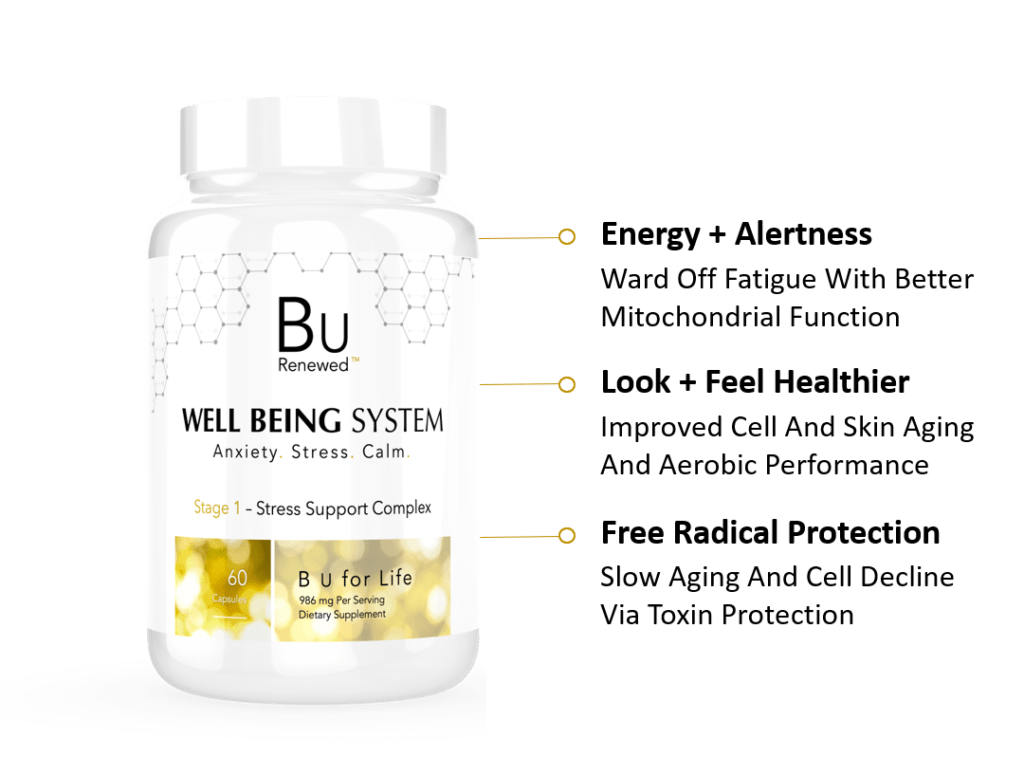
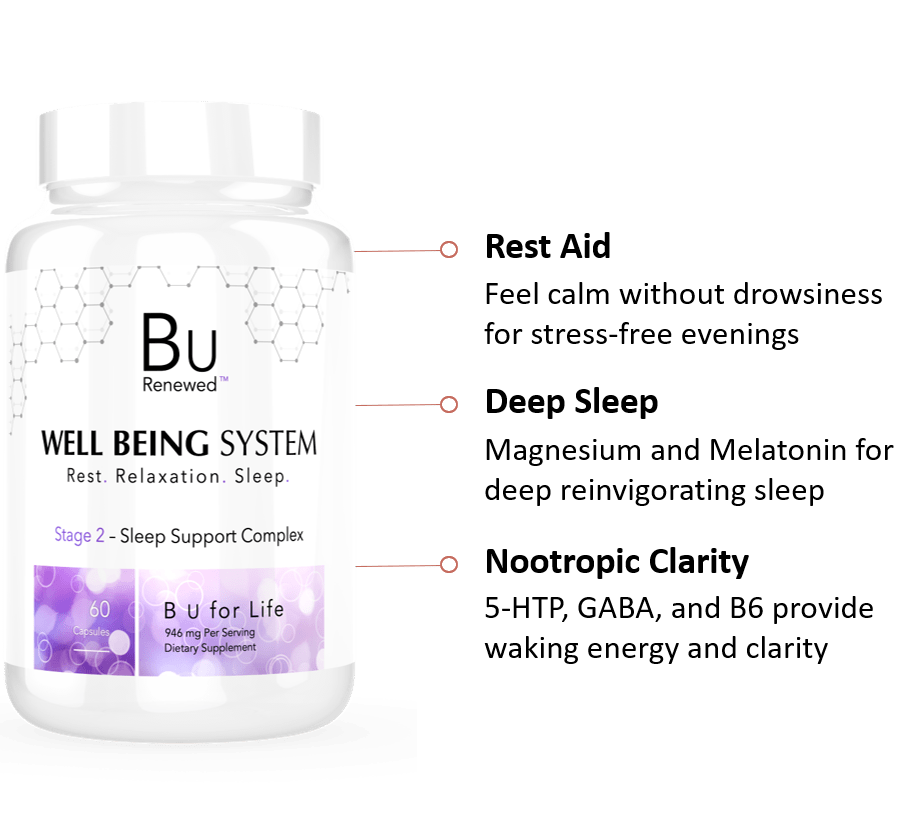
    The Bu Renewed Well Being System  is a holistic approach to health and wellness.

    It focuses on four key areas: physical, emotional, mental, and spiritual well-being.

    By addressing each of these areas, you can Reset Your Life to Be the Best You, and achieve optimal health and well-being.

    Meanwhile, check out the best hormones balancing foods here: https://burenewed.com/the-best-hormone-balancing-foods/

    The Four Key Areas of the Bu Renewed Well Being System 

    To Reset Your Life to Be the Best You, you have to always remember the Bu Renewed Well Being System.

    The Bu Renewed Well Being System  is based on four key areas that are interrelated and interconnected.

    These areas include physical, emotional, mental, and spiritual well-being. Each area is essential for a healthy and fulfilling life.

    Stay with me, as we explore each of these area in detail:

    Physical Well-being

    Physical well-being is the foundation of a healthy life.

    It encompasses everything from getting enough sleep and eating healthy to exercising regularly and avoiding harmful substances.

    When we take care of our physical health, we have more energy, feel better, and are better able to handle stress.

    To support physical well-being, Bu Renewed recommends taking supplements like multivitamins, omega-3s, and probiotics.

    Emotional Well-being

    Emotional well-being is all about taking care of our emotions. It includes managing stress, practicing self-care, and seeking support when needed.

    When we take care of our emotional health, we’re better able to handle challenges and bounce back from setbacks.

    To support emotional well-being, Bu Renewed recommends taking supplements, including biotin, ashwagandha, magnesium, and St. John’s Wort.

    Mental Well-being

    Mental well-being is all about taking care of our minds.

    It includes practicing mindfulness, challenging negative thoughts, and seeking professional help when needed.

    When we take care of our mental health, we’re better able to focus, make decisions, and handle stress.

    To support mental well-being, Bu Renewed recommends taking supplements like ginkgo biloba, bacopa monnieri, and rhodiola rosea.

    Checkout some Well Being Supplements for your skin and overall health here: https://burenewed.com/the-10-best-supplements-for-skin-health/

    Spiritual Well-being

    Spiritual well-being is about finding meaning and purpose in life.

    It includes connecting with nature, practicing gratitude, and engaging in spiritual practices.

    When we take care of our spiritual health, we feel more fulfilled and are better able to handle life’s challenges.

    To support spiritual well-being, Bu Renewed recommends taking supplements like holy basil, ginseng, and reishi mushrooms.

    Tips for Daily Stress Management: How to Maintain Your Mental Health

    In today’s overwhelming society, stress has become a common problem for many people.

    Whether you’re dealing with work-related stress, financial stress, or personal stress, it’s important to learn how to manage it.

    Otherwise, it can take a toll on your mental health and overall well-being.

    In this section, we will provide you with some tips for daily stress management that you can incorporate into your daily routine.

    1. Identifying the Source of Your Stress

    The first step in managing stress when aiming to Reset Your Life to Be the Best You, is to identify the source of your stress.

    Sometimes, it might be obvious, such as a deadline at work or a financial issue.

    Other times, it might be more difficult to pinpoint.

    In this case, try keeping a stress diary to track your stress levels and identify triggers.

    Try out other stress management strategies here: https://www.who.int/news-room/questions-and-answers/item/stress#:~:text=What%20is%20stress%3F,and%20threats%20in%20our%20lives.

    2. Practice Mindfulness Meditation

    Mindfulness meditation is a powerful tool for stress management. It involves focusing on the present moment and accepting your thoughts and feelings without judgment. Practicing mindfulness meditation for just a few minutes each day can help you feel more relaxed and calm.

    3. Exercise Regularly

    Exercise is another effective stress management technique. It releases feel-good endorphins, which can improve your mood and reduce stress levels. Even just 30 minutes of exercise per day can make a big difference.

    4. Get Enough Sleep

    Lack of sleep can exacerbate stress levels, so it’s important to prioritize getting enough sleep each night. Aim for 7-8 hours of sleep per night and establish a consistent sleep routine to help regulate your body’s natural sleep cycle.

    If you want to learn more about stress management, check out

    https://www.healthline.com/nutrition/12-benefits-of-meditation

    Supporting Your Daily Reset

    The Importance of a Daily Reset

    In the hustle and bustle of contemporary society, it’s easy to get caught up in the daily grind.

    We wake up, go to work, come home, and repeat the same routine day in and day out.

    This can leave us feeling drained, stressed, and overwhelmed.

    That’s why it’s important to take time each day to reset and recharge.

    Here are some tips for supporting your daily reset.

    Creating a Daily Reset Routine

    One of the best ways to support your daily reset is to create a routine that works for you. This might include things like:

    1. Meditation:

    Taking a few minutes to meditate each day can help you clear your mind, reduce stress, and improve your overall well-being.

    Understanding Meditation:

    The Art of Relaxation and Inner Peace

    Meditation has been practiced for centuries across various cultures as a means of finding inner peace and relaxation.

    It involves training your mind to focus on a specific object, thought or activity.

    It can be done in various forms such as mindfulness meditation, guided meditation, and transcendental meditation.

    Regardless of the technique, the benefits of meditation are numerous.

    They include improving mental health, reducing stress, and increasing self-awareness.

    How to Meditate

    Meditation is a simple practice that can be done by anyone, anywhere, at any time. 

    Here are some steps to get started:

    1. Find a quiet place:

    Choose a quiet and peaceful location where you can sit or lie down comfortably without being disturbed.

    2. Get comfortable:

    Take a comfortable position, whether sitting or lying down, and ensure that your body is relaxed.

    3. Focus on your breath:

    Close your eyes and focus on your breath. Inhale and exhale slowly and deeply, and feel the air move in and out of your body.

    4. Clear your mind:

    As you focus on your breath, thoughts and distractions may arise.

    Acknowledge them, but do not engage with them.

    Instead, let them pass by and bring your attention back to your breath.

    For more on How to Meditate as a beginner, check out this resources: https://www.nhs.uk/every-mind-matters/mental-wellbeing-tips/how-to-meditate-for-beginners/

    5. Meditate regularly:

    Meditation is a practice that requires consistency to reap its benefits.

    Try to set aside a few minutes every day to meditate and gradually increase your practice over time.

    The Benefits of Meditation

    Meditation has been scientifically proven to have numerous benefits for both the mind and body.

    Here are some of the benefits of meditation:

    1. Reduces stress and anxiety:

    Meditation helps to activate the relaxation response, reducing stress and anxiety levels.

    2. Improves mental health:

    Regular meditation has been shown to improve depression and anxiety symptoms, and reduce the risk of developing mental health disorders.

    3. Increases self-awareness:

    By focusing on your breath and your thoughts, you become more aware of your emotions, thoughts, and behaviors.

    4. Enhances concentration and focus:

    Meditation helps to improve your ability to concentrate and focus, which can be beneficial in both personal and professional settings.

    5. Promotes better sleep:

    Meditation can help to calm your mind and body, making it easier to fall asleep and improve the quality of your sleep.

    It is a simple yet powerful practice that can help you find inner peace, reduce stress, and improve your overall well-being.

    With regular practice, you can reap the numerous benefits of meditation and experience a more balanced and fulfilling life.

    • Resetting Through Exercise:

    Regular exercise is one of the best things you can do for your health.

    Getting up and moving your body can help you feel more energized and focused throughout the day.

    Not only does it help you maintain a healthy weight, it also reduces the risk of chronic diseases.

    They help against diabetes, heart disease, and certain types of cancer.

    In addition, exercise can improve your mental health, boost your energy levels, and even help you sleep better.

    In this section, we will explore the benefits of exercise and provide tips on how to incorporate it into your daily routine.

    The Benefits of Exercise

    Exercise offers a wide range of benefits for both your physical and mental health.

    Some of the key benefits of exercise include:

    1. Weight Management:

    Exercise helps you burn calories and maintain a healthy weight.

    2. Reduced Risk of Chronic Diseases:

    Regular exercise can help prevent chronic diseases such as heart disease, diabetes, and certain types of cancer.

    3. Improved Mental Health:

    Exercise can boost your mood, reduce stress, and improve your overall mental health.

    4. Increased Energy Levels:

    Exercise can help increase your energy levels and reduce fatigue.

    5. Better Sleep

    Exercise can improve the quality of your sleep, helping you feel more rested and alert during the day.

    6. Improved Cognitive Function:

    Exercise has been shown to improve cognitive function and reduce the risk of cognitive decline as you age.

    Tips for Incorporating Exercise into Your Daily Routine

    If you’re not used to exercising regularly, it can be challenging to find the motivation to get started.

    However, there are many ways to incorporate exercise into your daily routine.

    Here are some tips to help you get started:

    1. Start Slowly:

    If you’re new to exercise, start with low-intensity activities such as walking or yoga.

    Gradually increase the intensity and duration of your workouts over time.

    2. Find an Activity You Enjoy:

    Choose an activity you enjoy, such as dancing, swimming, or cycling.

    This will make it easier to stick to your exercise routine.

    3. Make it a Habit:

    Schedule your workouts at the same time each day, so they become part of your daily routine.

    4. Get a Workout Buddy:

    Find a friend or family member to work out with. This can help keep you motivated and accountable.

    5. Mix it Up:

    Vary your workouts to keep them interesting. Try different activities such as strength training, cardio, and yoga.

    Thus, to Reset Your Life to Be the Best You, exercise is an essential component of a healthy lifestyle.

    Regular exercise can help you maintain a healthy weight.

    It reduces the risk of chronic diseases, improve your mental health, boost your energy levels, and even help you sleep better.

    By incorporating exercise into your daily routine, you can enjoy these benefits and lead a happier, healthier life.

    3. Journaling:

    Writing down your thoughts, feelings, and goals can help you stay organized and focused.

    Exploring the Connection Between Journaling and Resetting:

    Journaling is a powerful tool for self-reflection, self-expression, and personal growth.

    While it’s often used as a means of processing emotions and experiences, its benefits extend beyond mental and emotional well-being.

    Journaling can also positively impact Resetting and wellness.

    By exploring thoughts, feelings, and desires related to wellness in a safe and private space;

    individuals can deepen their understanding of themselves and their partners.

    It can enhance communication, and foster greater wellness and connection.

    In this article, we’ll examine the connection between journaling and Resetting.

    We will provide practical tips for using journaling to cultivate wellness and self-awareness.

    Journaling Tips for Enhancing Resetting

    1. Set Aside Dedicated Time:

    Carve out dedicated time each day or week for journaling about your thoughts, feelings, and experiences related to wellness.

    Find a quiet and private space where you feel comfortable and free from distractions.

    This will be helpful. Allow yourself to fully engage in the process without judgment or censorship.

    2. Explore Your Desires and Fantasies:

    Use journaling as a space to explore your desires, fantasies, and fantasies.

    Allow yourself to write freely and openly about what makes you happy, what inspires you, and what you want to experience holistically.

    Don’t be afraid to examine areas that may feel taboo or uncomfortable – journaling is a safe space for self-exploration and discovery.

    3. Reflect on Past Experiences:

    Reflect on past experiences, both positive and negative.

    Consider how they have shaped your attitudes, beliefs, and behaviors around wellness.

    Identify any patterns or themes that emerge, and explore how they may be influencing your current Resetting and satisfaction.

    Check out how neuroplasticity can be helpful as we age here: https://burenewed.com/neuroplasticity-as-we-age/

    4. Express Gratitude and Appreciation:

    Take time to express gratitude and appreciation for yourself and your partner(s) in your journal.

    Acknowledge your strengths, celebrate your successes, and express gratitude for the pleasure and connection you experience through wellness.

    Cultivating a sense of gratitude can enhance feelings of wellness and connection with yourself and your partner(s).

    5. Use Journaling as a Communication Tool:

    Share your journaling experiences with your partner(s) as a means of fostering open and honest communication about challenges and expectations.

    Invite your partner(s) to join you in journaling exercises, and explore ways to deepen wellness and connection through shared reflection and dialogue.

    Making Time for Self-Care

    Do you want to Reset Your Life to Be the Best You?

    In addition to creating a daily reset routine, it’s important to make time for self-care. This might include things like:

    – Getting enough sleep:

    Aim for 7-9 hours of sleep each night to ensure that your body and mind are well-rested and ready for the day ahead.

    – Eating well:

    Fueling your body with healthy, nutrient-dense foods can help you feel more energized and focused.

    – Spending time with loved ones:

    Whether it’s a phone call, a text, or spending time in person, connecting with loved ones can help you feel more supported and happy.

    – Doing something you love:

    Whether it’s painting, playing music, or gardening, taking time to do something you enjoy can help you feel more fulfilled and happy.

    I bet you didn’t realize that even an activity as gardening has a health benefit? Read here: https://burenewed.com/health-benefits-of-gardening/

    – Reading:

    Whether it’s a book, a magazine, or an article online, taking time to read something that interests you can be a great way to relax and reset.

    Conclusion

    Resetting your life to be the best version of yourself is a process of learning about yourself, growing, and becoming more powerful.

    You can develop resilience, balance, and satisfaction in all areas of your life by putting your health first.

    This can be done using practical methods to deal with daily problems and stressors.

    You can handle life’s ups and downs with grace and strength.

    This is possible if you practice mindfulness, set boundaries, make important connections, and take care of yourself.

    Supplements, nutrient-dense foods, and changes to your lifestyle can also help your daily reset, which is good for your health and energy as a whole.

    If you implement the insights from the Well Being System by Bu Renewed, which focuses on well-being in all its aspects (physical, mental, and social), you can start living a more vibrant and satisfying life.

    By following these rules daily, you can reset your life and reach your full potential, becoming the best mind, body, and spirit version of yourself.

  • Unlocking Better Sex as You Age

    Unlocking Better Sex as You Age

    Unlocking Better Sex as You Age is a concern for many people. Sexuality is a fundamental aspect of the human experience, one that evolves and changes over time.

    Introduction

    Unlocking Better Sex as You Age is a concern for many people.

    Sexuality is a fundamental aspect of the human experience, one that evolves and changes over time.

    While the stereotype may be that sex declines with age, do you want to know the truth?

    The truth is that many older adults continue to enjoy fulfilling and satisfying sexual experiences well into their later years.

    In fact, aging can bring about a deeper sense of intimacy, self-awareness, and sexual confidence.

    In this article, we’ll explore tips and strategies to help you enhance your sex life as you age, promoting increased intimacy and enjoyment. 

    With the Age Well System by Bu Renewed, we’ll examine practical strategies.

    This will help you maintain a vibrant and fulfilling sex life well into your golden years.

    Understanding Sexuality as You Age

    As we age, our bodies undergo a myriad of changes that can impact our sexual health and function.

    Hormonal shifts, changes in libido, and alterations in physical functioning are all normal aspects of aging that can affect our sexual experiences.

    However, it’s essential to recognize that aging doesn’t mean the end of sexual pleasure.

    Instead, it presents an opportunity to explore new avenues of intimacy and connection.

    Explore The Science of Aging and Sexuality here: https://www.healthinaging.org/healthy-living/sexual-health/

    Tips for Increasing Intimacy and Enjoyment

    1. Communication is Key:

    Open and honest communication with your partner is crucial for maintaining a satisfying sex life as you age.

    Discuss your desires, concerns, and preferences openly, and be willing to listen to your partner’s needs as well.

    Talking about sex can feel intimidating, but it’s essential for fostering intimacy and understanding in your relationship.

    2. Prioritize Foreplay:

    As we age, it may take longer to become aroused, so don’t rush the process.

    Prioritize plenty of time for foreplay to build anticipation and excitement.

    Engage in sensual activities such as kissing, caressing, and massaging to enhance intimacy and pleasure.

    3. Explore New Techniques:

    Aging can provide an opportunity to explore new techniques and approaches to sex.

    Experiment with different positions, sensations, and fantasies to discover what feels best for you and your partner.

    Don’t be afraid to get creative and try new things – variety can spice up your sex life and keep things exciting.

    • Focus on Sensuality: Embrace sensuality as a cornerstone of your sexual experiences.

    Engage all your senses – sight, touch, taste, smell, and sound – to heighten arousal and pleasure.

    Set the mood with soft lighting, scented candles, and romantic music to create a sensual atmosphere conducive to intimacy.

    5. Prioritize Sexual Health:

    As you age, it’s essential to prioritize your sexual health.

    Practice safe sex to protect against sexually transmitted infections, and schedule regular check-ups with your healthcare provider to address any concerns or issues related to sexual function.

    Don’t be shy about discussing sexual health with your doctor – they are there to help you maintain a healthy and fulfilling sex life.

    Supporting Your Sexual Well-being with the Age Well System

    In addition to implementing the tips mentioned above, the Age Well System by Bu Renewed offers comprehensive support for maintaining sexual health and well-being as you age.

    Here are some key components of the Age Well System that can help enhance your sexual experiences:

    1. Nutrition:

    A balanced diet rich in essential nutrients is vital for supporting overall health, including sexual function.

    The Age Well System emphasizes the importance of eating nutrient-dense foods to support hormonal balance, cardiovascular health, and energy levels.

    All of these are essential for a satisfying sex life.

    The Vital Role of Nutrition in Sexual Health:

    Enhancing Intimacy and Satisfaction

    When it comes to sexual health, many factors come into play – and nutrition is one of the most crucial yet often overlooked aspects.

    The food we eat directly impacts our overall well-being, including our sexual health and function.

    In this article, we’ll explore the vital role of nutrition in sexual health.

    We will also provide practical tips for enhancing intimacy and satisfaction through dietary choices.

    Understanding the Link Between Nutrition and Sexual Health

    Our dietary choices have a profound impact on various physiological processes that influence sexual health and function.

    Do you want to learn about nutrients such as vitamins, minerals, antioxidants, and phytochemicals?

    They play key roles in hormone production, circulation, nerve function, and overall vitality.

    All of which are essential for a healthy libido and optimal sexual performance.

    Nutrition Tips for Enhancing Sexual Health

    1. Focus on Whole Foods:

    Incorporate plenty of whole, nutrient-dense foods into your diet, including fruits, vegetables, whole grains, lean proteins, and healthy fats.

    These foods provide essential vitamins, minerals, and antioxidants that support overall health and vitality, including sexual function.

    2. Support Hormonal Balance:

    Certain nutrients are particularly important for supporting hormonal balance, which is essential for a healthy libido and sexual function.

    Choose foods rich in zinc, such as oysters, beef, and pumpkin seeds.

    Include magnesium-rich foods, such as spinach, almonds, and dark chocolate. 

    Add vitamin B6 (such as poultry, fish, and bananas) in your diet to support hormone production and regulation.

    3. Boost Circulation:

    Good circulation is crucial for sexual arousal and function, as it ensures adequate blood flow to the genitals.

    Incorporate foods that promote cardiovascular health and circulation.

    They include leafy greens, berries, citrus fruits, nuts, seeds, and fatty fish rich in omega-3 fatty acids.

    4. Support Nerve Function:

    Nerve function plays a key role in sexual pleasure and satisfaction.

    To support nerve health and function, enhancing sensitivity and pleasure during sexual activity, try:

    Certain nutrients, such as vitamin B12 (found in animal products like meat, fish, and dairy)

    and omega-3 fatty acids (found in fatty fish, flaxseeds, and walnuts), 

    5. Stay Hydrated:

    Proper hydration is essential for overall health and vitality, including sexual health.

    Make sure to drink plenty of water throughout the day to stay hydrated and support optimal bodily function.

    Herbal teas and water-rich fruits and vegetables can also contribute to your daily fluid intake.

    Supporting Sexual Health with Nutrition: The Role of the Age Well System

    The Age Well System by Bu Renewed recognizes the importance of nutrition in supporting overall health and vitality, including sexual health.

    Here are some key components of the Age Well System that can help enhance sexual health through nutrition:

    1. Balanced Diet:

    The Age Well System emphasizes the importance of eating a balanced diet.

    That is because rich in nutrient-dense foods support overall health and vitality, including sexual function.

    2. Specific Nutrients:

    The Age Well System highlights specific nutrients in supporting hormonal balance, circulation, nerve function, and overall sexual health.

    Food such as zinc, magnesium, vitamin B6, vitamin B12, and omega-3 fatty acids fits the description.

    3. Hydration:

    Adequate hydration is crucial for optimal bodily function, including sexual health.

    The Age Well System encourages staying hydrated by drinking plenty of water and consuming hydrating foods and beverages.

    4. Whole Foods:

    Whole, nutrient-dense foods is the foundation of a healthy diet.

    The Age Well System promotes the consumption of fruits, vegetables, whole grains, lean proteins, and healthy fats.

    This healthy eating style help to support overall health and vitality, including sexual health.

    Checkout our article on the secrets of healthy living here: https://burenewed.com/the-secrets-to-a-happy-healthy-life/

    2. Exercise:

    Regular physical activity is not only beneficial for your physical health but also your sexual well-being.

    The Age Well System encourages incorporating exercise into your daily routine.

    As it helps to improve circulation, boost energy levels, and enhance mood – all of which can contribute to better sexual experiences.

    Elevating Sexual Health Through Exercise: Strengthening Intimacy and Performance

    Understanding the Connection Between Exercise and Sexual Health

    Physical activity has a profound impact on various physiological processes that influence sexual health and function.

    Regular exercise improves cardiovascular health, enhances circulation, and promotes hormonal balance.

    All of which are essential for sexual arousal, performance, and satisfaction.

    Additionally, exercise can boost mood, reduce stress, and increase self-confidence.

    They all contribute to a positive attitude towards sex and intimacy.

    Exercise Tips for Enhancing Sexual Health

    1. Cardiovascular Exercise:

    Engaging in cardiovascular activities such as brisk walking, running, cycling, or swimming can improve cardiovascular health.

    It can also enhance circulation throughout the body, including the genital region.

    Increased blood flow to the genitals can enhance arousal, sensitivity, and sexual satisfaction.

    2. Strength Training:

    Incorporating strength training exercises into your routine.

    This can improve muscle tone, stamina, and endurance – all of which are important for sexual performance.

    Focus on exercises that target the pelvic floor muscles, core muscles, and upper body strength to enhance sexual function and enjoyment.

    3. Flexibility and Mobility:

    Maintaining flexibility and mobility is crucial for sexual health and function.

    As it allows for greater range of motion and comfort during sexual activity.

    Incorporate stretching exercises, yoga, or Pilates into your routine.

    Do this to improve flexibility, reduce muscle tension, and enhance overall comfort and pleasure during sex.

    4. Mind-Body Practices:

    Mind-body practices such as yoga, tai chi, and qigong can help reduce stress, improve relaxation, and increase mindfulness.

    All of these are beneficial for sexual health and intimacy.

    They promote a deeper connection between mind and body, enhancing sexual awareness and pleasure.

    5. Kegel Exercises:

    Kegel exercises are a specific type of exercise that target the pelvic floor muscles, which play a key role in sexual function and pleasure.

    Practicing Kegel exercises regularly can improve pelvic floor strength, bladder control, and sexual sensation.

    Doing this will lead to enhanced sexual satisfaction for both partners.

    3. Stress Management:

    Stress can take a toll on your sex life, so it’s essential to prioritize stress management techniques.

    The Age Well System emphasizes mindfulness practices.

    They include activities such as meditation, deep breathing, and relaxation exercises to help reduce stress and promote a sense of calm and relaxation.

    All of which can enhance your sexual experiences.

    4. Sleep:

    Quality sleep is crucial for overall health and well-being, including sexual health.

    The Age Well System recommends prioritizing sleep hygiene practices. 

    Maintaining a consistent sleep schedule, creating a relaxing bedtime routine, and optimizing your sleep environment is key.

    They help promote restful sleep, which in turn can help improve your sexual experiences.

    Learn how natural supplements can promote sleep here: https://burenewed.com/the-role-of-natural-supplements-in-promoting-sleep/

    The Impact of Sleep on Sexual Health:

    Sleep is often referred to as the cornerstone of good health, playing a vital role in various physiological processes that support overall well-being.

    However, its influence extends beyond physical health – adequate sleep is also essential for optimal sexual health and function.

    Sleep affects hormone production, energy levels, mood, and wellness, which play a crucial role in sexual arousal, performance, and satisfaction.

    In this section, we’ll explore the connection between sleep and sexual health.

    We will also provide practical tips for improving intimacy and vitality through quality sleep.

    Understanding the Link Between Sleep and Sexual Health

    Sleep plays a critical role in regulating hormone levels, including those involved in sexual function and arousal.

    Adequate sleep is essential for the production of testosterone, a hormone that plays a key role in libido and sexual desire.

    Additionally, sleep influences mood, energy levels, and stress levels, all of which can impact sexual arousal, performance, and satisfaction.

    Poor sleep quality or insufficient sleep can lead to decreased libido, erectile dysfunction, and overall sexual dissatisfaction.

    Sleep Tips for Enhancing Sexual Health

    1. Prioritize Sleep Hygiene:

    Establishing good sleep hygiene habits is essential for promoting quality sleep.

    Create a relaxing bedtime routine that includes activities.

    They could include reading, taking a warm bath, or practicing relaxation techniques to signal to your body that it’s time to wind down.

    Aim to go to bed and wake up at the same time each day to regulate your body’s internal clock.

    2. Create a Sleep-Conducive Environment:

    Make your bedroom a comfortable and inviting space that is conducive to sleep.

    Keep the room cool, dark, and quiet, and invest in a comfortable mattress and pillows that support restful sleep.

    Minimize noise and distractions, such as electronic devices or television, to create a peaceful sleeping environment.

    Do you need help on how to create the perfect sleep environment? Checj this out: https://burenewed.com/set-your-bedroom-up-for-sleep/

    3. Limit Screen Time Before Bed:

    The blue light emitted by screens can interfere with your body’s production of melatonin, a hormone that regulates sleep-wake cycles.

    Limit screen time in the hour leading up to bedtime, and avoid using electronic devices such as smartphones, tablets, or computers in bed.

    Why should limit screen time before bed? Read here: https://www.calm.com/blog/screen-time-before-bed#:~:text=Pausing%20screen%2Drelated%20activities%20at,benefits%20can%20be%20even%20greater.

    4. Watch Your Diet and Fluid Intake:

    Avoid heavy meals, caffeine, and alcohol close to bedtime, as these can disrupt sleep quality.

    Opt for light, easily digestible snacks if you’re hungry before bed, and limit fluid intake to avoid waking up for bathroom trips during the night.

    5. Manage Stress and Anxiety:

    Stress and anxiety can interfere with sleep quality and impact sexual health and function.

    Practice stress management techniques.

    Meditation, deep breathing exercises, or journaling will help calm your mind and promote relaxation before bedtime.

    Checkout how music heals our mind, body and soul: https://burenewed.com/how-music-heals-our-mind-body-and-soul/

    Conclusion

    A lot of factors play a crucial role in supporting sexual health and function.

    By prioritizing quality sleep and implementing good sleep hygiene habits, you can enhance hormone production, manage stress and anxiety.

    This will promote energy and vitality all of which contribute to a more fulfilling and satisfying sex life.

    Incorporating the principles of the Age Well System by Bu Renewed will be effective.

    They include prioritizing sleep hygiene, managing stress, optimizing hormonal balance, and promoting energy and vitality.

    They can also help support your sexual health and well-being for years to come.

    Age is not a barrier to enjoying a satisfying and fulfilling sex life.

    By embracing change, prioritizing communication, and exploring new techniques, you can enhance intimacy and your sexual experiences as you age.

    You can support your sexual health and well-being for years to come by incorporating the principles of the Age Well System by Bu Renewed.

    Remember that nutrition, exercise, stress management, and sleep are very vital for your sexual health, intimacy and overall wellness.

    Checkout Age Well System by Bu Renewed here: https://burenewed.com/age-well-system/

  • 10 Ways to Age with Intention

    10 Ways to Age with Intention

    Introduction:

    10 Ways to Age with Intention is a comprehensive guide to holistic wellness.

    Aging is an inevitable part of life, but how we age is within our control.

    By embracing intentional habits and incorporating Age Well System supplements into our daily routine, we can optimize our health and well-being as we grow older.

    Healthy Aging: Embracing a Fulfilling and Vibrant Life

    Understanding Healthy Aging

    Understanding Healthy Aging is one of the 10 Ways to Age with Intention.

    Healthy aging encompasses the physical, mental, and social aspects of growing older while maintaining optimal well-being and quality of life.

    It involves adopting habits and lifestyles that promote longevity, vitality, and independence as individuals age.

    Explore here for ways to have a more healthier life than you already do: https://www.calm.com/blog/healthy-habits#:~:text=Engage%20in%20regular%20exercise%20to,and%20maintain%20overall%20body%20functions.

    Components of Healthy Aging

    1. Physical Health:

    This includes maintaining a healthy diet, engaging in regular exercise, getting adequate sleep, and managing chronic conditions effectively.

    Physical activity helps preserve muscle mass, bone density, and cardiovascular health.

    This help reduce the risk of age-related diseases such as heart disease, diabetes, and osteoporosis.

    Learn how to increase grip strength to promote longevity from this our article: https://burenewed.com/increase-grip-strength-to-influence-of-longevity/

    2. Mental Well-Being:

    Cognitive health is essential for healthy aging.

    It is essential to stimulate the mind through activities like reading, puzzles, learning new skills, and social interaction.

    They help prevent cognitive decline and promotes mental sharpness.

    Managing stress and prioritizing mental health support overall well-being.

    Wondering how neuroplasticity can be effective as you age? Don’t miss out on this comprehensive article: https://burenewed.com/neuroplasticity-as-we-age/

    3. Social Engagement:

    Strong social connections are essential for healthy aging.

    Maintaining relationships with friends, family, and the community is vital.

    They provide emotional support, reduces feelings of loneliness, and promotes a sense of belonging and purpose.

    Social engagement also encourages participation in activities and hobbies, fostering a fulfilling and active lifestyle.

    If you are too busy to socialize, this time management guide is for you: https://burenewed.com/the-best-time-management-tools-for-your-busy-life/

    Strategies for Healthy Aging

    1. Nutrition:

    Eat a balanced diet rich in fruits, vegetables, lean proteins, and whole grains to provide essential nutrients and support overall health.

    2. Physical Activity:

    Engage in regular exercise to maintain muscle strength, flexibility, and cardiovascular health. 

    Aim for a combination of aerobic, strength training, and flexibility exercises.

    3. Mental Stimulation:

    Challenge the mind with activities that promote cognitive function, such as puzzles, games, reading, and learning new skills.

    4. Stress Management:

    Practice stress-reducing techniques such as meditation, deep breathing, and mindfulness to promote relaxation and emotional well-being.

    5. Sleep Hygiene:

    Prioritize quality sleep by maintaining a consistent sleep schedule, creating a relaxing bedtime routine, and optimizing the sleep environment.

    6. Social Connection:

    Stay connected with friends, family, and the community to combat loneliness and promote emotional health.

    7. Preventive Healthcare:

    Schedule regular check-ups, screenings, and vaccinations to prevent and manage chronic conditions effectively.

    8. Sun Protection:

    Protect the skin from sun damage by wearing sunscreen, and protective clothing.

    Also seeking shade when outdoors help reduce the risk of skin cancer and premature aging.

    9. Hydration:

    Drink plenty of water throughout the day to stay hydrated and support optimal bodily functions.

    10. Positive Habits:

    Cultivate positive habits such as gratitude, optimism, and resilience to promote emotional well-being and overall happiness.

    By embracing these strategies, individuals can age gracefully, maintain independence, and enjoy a fulfilling and vibrant life as they grow older.

    Still want to know more about healthy aging? This prize is for you: https://www.nia.nih.gov/health/healthy-aging/what-do-we-know-about-healthy-aging

    10 Ways to Age with Intention

    1. Prioritize Nutrition:

    Eat a balanced diet rich in fruits, vegetables, lean proteins, and whole grains to nourish your body with essential nutrients.

    2. Stay Active:

    Engage in regular physical activity to maintain muscle strength, flexibility, and cardiovascular health.

    Aim for at least 30 minutes of exercise most days.

    3. Protect Your Brain:

    Challenge your mind with puzzles, games, reading, and learning new skills to keep your brain sharp and reduce the risk of cognitive decline.

    4. Manage Stress:

    Practice stress-reducing techniques such as meditation, deep breathing, yoga, or spending time in nature to promote relaxation and overall well-being.

    5. Prioritize Sleep:

    Ensure you get quality sleep by sticking to a consistent sleep schedule.

    Also, create a relaxing bedtime routine, and optimize your sleep environment.

    6. Stay Social:

    Maintain strong social connections by spending time with friends, family, and participating in community activities.

    This will help to combat loneliness and promote emotional health.

    7. Maintain a Healthy Weight:

    Strive to maintain a healthy weight through a combination of balanced nutrition and regular exercise to reduce the risk of chronic diseases.

    8. Protect Your Skin:

    Practice sun safety by wearing sunscreen, protective clothing, and avoiding excessive sun exposure.

    This will help prevent premature aging and reduce the risk of skin cancer.

    9. Stay Hydrated:

    Drink plenty of water throughout the day to stay hydrated.

    Hydration helps support optimal bodily functions, including digestion, circulation, and temperature regulation.

    10. Embrace Positive Habits:

    Cultivate positive habits such as gratitude, optimism, and mindfulness to promote emotional resilience and overall happiness.

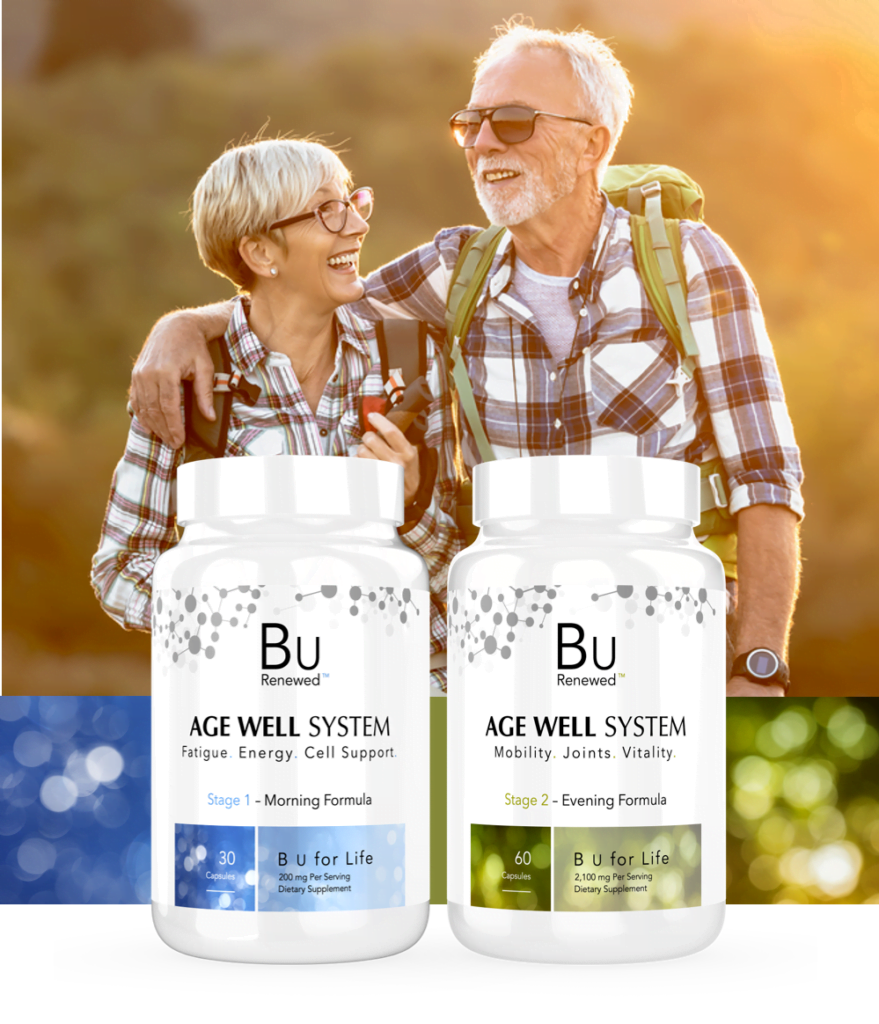
    Age Well System Supplements:

    Morning Formula:

    The morning formula of Age Well System supplements is specially designed to provide you with the nutrients you need to start your day off right.

    With ingredients like vitamins C and D, B vitamins, and antioxidants, this formula supports energy production, immune function, and overall vitality.

    Evening Formula:

    The evening formula complements your nighttime routine by supplying your body with essential nutrients for rest and recovery.

    Ingredients such as turmeric, glucosamine sulfate, boswellia extract, quercetin andextracts help reduce inflammation, improve sleep quality, and support muscle repair and recovery overnight.

    Incorporating Age Well System Supplements for Optimal Aging

    Age Well System supplements are specially formulated to support healthy aging by providing essential nutrients that may be lacking in the diet or become less efficiently absorbed as individuals age.

    These supplements are designed to complement a healthy lifestyle and promote overall well-being.

    Components of Age Well System Supplements

    1.Morning Formula:

    The morning formula is designed to kick-start your day with essential nutrients for energy, vitality, and immune support.

    It contains vitamins C and D, B vitamins, antioxidants, and other key nutrients to support overall health and well-being.

    2. Evening Formula:

    The evening formula is formulated to support relaxation, restorative sleep, and nighttime recovery. 

    Ingredients such as magnesium, melatonin, and herbal extracts help promote relaxation, improve sleep quality, support muscle repair and recovery overnight.

    Strategies for Incorporating Age Well System Supplements

    1. Morning Routine:

    Incorporate the morning formula into your daily routine by taking it with breakfast or your first meal of the day.

    This ensures you start your day off right with the essential nutrients needed for energy and vitality.

    • Evening Routine:

    Take the evening formula as part of your bedtime routine, ideally 30 minutes to an hour before bed. This allows the ingredients to support relaxation and promote restorative sleep, helping you wake up feeling refreshed and rejuvenated.

    • Consistency:

    Make taking Age Well System supplements a consistent habit by incorporating them into your daily routine.

    Set a reminder or incorporate them into your morning and evening rituals to ensure you don’t forget.

    Some supplements may be more effective when taken with food.

    Consider taking the morning formula with breakfast and the evening formula with dinner to enhance absorption and maximize benefits.

    If you need more guide on how to use this product, that is just a click away https://burenewed.com/product/age-well-system/

    • Adjusting Dosage:

    Follow the recommended dosage instructions provided on the supplement packaging or as advised by a healthcare professional.

    Adjust the dosage based on individual needs and health goals.

    • Monitoring Benefits:

    Pay attention to how your body responds to the supplements over time.

    Notice any improvements in energy levels, sleep quality, immune function, or overall well-being, and adjust your routine accordingly.

    • Consultation with Healthcare Professional:

    Before starting any new supplement regimen, especially if you have underlying health conditions or using medications, what should you do?

    Consult with a healthcare professional to ensure it is safe and appropriate for you.

    Why Age Well System supplements?

    Incorporating them into your daily routine can help support healthy aging, optimize your well-being and overall quality of life as you age.

    Benefits of Age Well System Supplements:

    1. Enhanced Energy Levels:

    The morning formula boosts energy production with B vitamins and vitamin C, helping you feel more alert and energized throughout the day.

    2. Improved Immune Function:

    Vitamins C and D in the morning formula support immune function, helping your body defend against infections and illnesses.

    3. Better Sleep Quality:

    The evening formula contains melatonin and magnesium to promote relaxation and improve sleep quality.

    It ensures you wake up feeling refreshed and rejuvenated.

    4. Reduced Inflammation:

    Antioxidants in the morning formula help combat inflammation, reducing the risk of chronic diseases and supporting overall health.

    5. Enhanced Recovery:

    The evening formula supports muscle repair and recovery.

    It is loaded with ingredients like magnesium, promoting faster recovery from physical activity and reducing the risk of injury.

    Checkout these tested, healthy and reliable Age Well System Supplements from our stores here: https://burenewed.com/product/age-well-system/

    Factors that Contribute to Premature Aging

    Understanding Accelerated Aging: 

    While aging is a natural process, certain factors can accelerate the aging process.

    When this happen, it leads to premature aging and increased risk of age-related diseases. 

    Understanding these factors is essential for implementing strategies to mitigate their effects and promote healthy aging.

    Common Factors Contributing to Accelerated Aging

    1. Poor Lifestyle Choices:

    Unhealthy lifestyle habits contribute to fast aging,

    Hence, smoking, excessive alcohol consumption, poor diet, lack of exercise, and inadequate sleep can accelerate aging.

    These habits contribute to oxidative stress, inflammation, and cellular damage, leading to premature aging of the skin, organs, and tissues.

    2. Chronic Stress:

    Prolonged exposure to stress can have detrimental effects on both physical and mental health, contributing to accelerated aging.

    Chronic stress triggers the release of cortisol, a hormone that can damage cells and tissues over time.

    This leads to premature aging and increased risk of age-related diseases.

    3. Sun Exposure:

    Overexposure to ultraviolet (UV) radiation from the sun can accelerate aging of the skin.

    This can lead to wrinkles, age spots, and other signs of premature aging.

    UV radiation damages collagen and elastin fibers in the skin, leading to loss of elasticity and firmness.

    4. Environmental Toxins:

    Exposure to environmental toxins such as air pollution, heavy metals, pesticides, and chemicals in household products can accelerate aging.

    They do this by causing oxidative stress, inflammation, and damage to cellular DNA.

    These toxins can impair cellular function and contribute to the development of age-related diseases.

    5. Genetics:

    While genetics play a role in determining how we age, environmental factors often have a more significant impact.

    However, certain genetic factors can predispose individuals to accelerated aging and increased susceptibility to age-related diseases.

    6. Chronic Health Conditions:

    Chronic health conditions such as obesity, diabetes, hypertension, and cardiovascular disease can accelerate aging.

    They do this by causing systemic inflammation, oxidative stress, and damage to vital organs.

    These conditions can also increase the risk of developing age-related diseases such as Alzheimer’s disease, cancer, and osteoporosis.

    7. Poor Sleep Quality:

    Inadequate or poor-quality sleep can accelerate aging by disrupting the body’s natural repair and regeneration processes.

    Sleep is essential for cellular repair, hormone regulation, and immune function.

    Thus, chronic sleep deprivation can contribute to premature aging of the skin, cognitive decline, and increased risk of chronic diseases.

    7. Inflammatory Diet:

    Consuming a diet high in processed foods, refined sugars, unhealthy fats, and inflammatory ingredients can accelerate aging.

    They do it by promoting inflammation, oxidative stress, and cellular damage.

    However the good news is a diet rich in fruits, vegetables, whole grains, and healthy fats.

    Why? They can slow the aging process and reduce the risk of age-related diseases.

    Strategies to Combat Accelerated Aging

    1. Healthy Lifestyle Habits:

    Adopting healthy lifestyle habits such as regular exercise, balanced diet, adequate sleep, stress management techniques, and avoidance of harmful substances can slow down the aging process and promote longevity.

    2. Sun Protection:

    Protecting your skin from UV radiation by wearing sunscreen, protective clothing.

    You can also be under a shade when outdoors to prevent premature aging of the skin and reduce the risk of skin cancer.

    3. Environmental Awareness:

    Minimize your exposure to environmental toxins.

    Do this by avoiding polluted areas, and using natural and eco-friendly household products.

    By supporting policies that promote environmental sustainability, you can reduce the burden of accelerated aging.

    4. Genetic Counseling:

    Individuals with a family history of accelerated aging or genetic predisposition to age-related diseases may benefit from genetic counseling.

    You can test to identify potential risk factors and develop personalized strategies for prevention and management.

    5. Chronic Disease Management:

    Effectively managing chronic health conditions through lifestyle changes, and regular medical monitoring can slow down the progression of accelerated aging.

    This will help you reduce the risk of age-related complications.

    6. Quality Sleep:

    Prioritize quality sleep by maintaining a regular sleep schedule.

    Create a relaxing bedtime routine, and optimize your sleep environment.

    Doing them can support cellular repair and regeneration, slow down the aging process, and promote overall health and well-being.

    • Anti-Inflammatory Diet:

    Adopt an anti-inflammatory diet rich in fruits, vegetables, whole grains, lean proteins, and healthy fats.

    They can reduce inflammation, oxidative stress, and cellular damage.

    What a sustainable way of slowing down the aging process and reducing the risk of age-related diseases?

    Read here for more: https://www.hopkinsmedicine.org/health/wellness-and-prevention/anti-inflammatory-diet/

    Conclusion:

    Aging with intention: 10 Ways to Age with Intention involves making conscious choices to prioritize your health and well-being as you grow older.

    By incorporating Age Well System supplements into your daily routine and adopting healthy habits is the key factor.

    This way, you can age gracefully and enjoy a fulfilling and vibrant life at any age.

    Understanding the factors that contribute to accelerated aging is the first step toward combating premature aging and promoting healthy aging.

    Adopt healthy lifestyle habits, protecting yourself against environmental toxins, and managing chronic health conditions effectively.

    This can help slow down the aging process and enjoy a longer, healthier life.

    For more information on this subject, read here: https://www.theguardian.com/science/2023/nov/06/scientists-name-eight-measures-that-can-slow-ageing-by-up-to-six-years

  • The 10 Best Supplements for Skin Health

    The 10 Best Supplements for Skin Health

    Enhance your glow with these 10 Best Supplements for Skin Health. In the pursuit of holistic well-being, nurturing your skin is paramount. The skin, being the largest organ, reflects not just external beauty but also internal vitality.

    Introduction:

    Enhance your glow with these 10 Best Supplements for Skin Health.

    In the pursuit of holistic well-being, nurturing your skin is paramount.

    The skin, being the largest organ, reflects not just external beauty but also internal vitality.

    While skincare routines and lifestyle habits play crucial roles, integrating supplements into your well-being system can further enhance skin health.

    In this article, we will unveil the top 10 supplements that can amplify your glow from within.

    Why Are Supplement for Skin Health?

    Before diving into the specifics, it’s essential to understand why supplements are integral to your well-being system, particularly when it comes to skin health.

    What Are Supplements?

    Understanding the Essentials for Optimal Health

    Supplements are integral components of the well-being system, designed to bridge nutritional gaps and support overall health.

    In a world where busy lifestyles and dietary restrictions can hinder nutrient intake, supplements provide a convenient and effective solution.

    But what exactly are supplements, and how do they contribute to optimal health? 

    Let’s dig into the essentials of supplements and their role in enhancing well-being here: https://www.reidhealth.org/blog/5-essential-health-supplements-you-may-need

    Defining Supplements

    Supplements encompass a diverse range of vitamins, minerals, botanicals, amino acids.

    It also include other substances consumed in addition to regular diet to augment nutritional intake.

    They are available in various forms, including capsules, tablets, powders, and liquids, catering to individual preferences and needs.

    Whether you’re seeking to address specific health concerns or optimize overall wellness, supplements offer targeted support to complement your well-being system.

    Types of Supplements

    1. Vitamins:

    Essential micronutrients vital for numerous physiological functions, vitamins play key roles in metabolism, immune function, and overall health.

    From vitamin A to zinc, each vitamin contributes uniquely to well-being.

    Similarly, supplementation ensures adequate intake, especially when dietary sources are limited.

    If you have skincare needs as an adult, don’t hesitate to explore this go-to guide from our website here: https://burenewed.com/skincare-for-older-adults/

    2. Minerals:

    Minerals are inorganic elements essential for various bodily functions, ranging from bone health to enzyme activity.

    Calcium, magnesium, iron, and zinc are among the most commonly supplemented minerals, addressing deficiencies and promoting optimal health and vitality.

    3. Botanicals:

    Derived from plants, botanical supplements harness the therapeutic properties of herbs, roots, and other botanicals to support health and well-being.

    From turmeric for its anti-inflammatory benefits to ginkgo biloba for cognitive function, botanical supplements offer natural solutions to enhance wellness.

    Checkout our rich resource on the health benefits of gardening here:

    4. Amino Acids:

    As the building blocks of proteins, amino acids play crucial roles in muscle growth, tissue repair, and neurotransmitter synthesis.

    Supplementing with amino acids like branched-chain amino acids (BCAAs) or L-arginine can optimize physical performance.

    It can also support recovery, and promote mental clarity.

    5. Probiotics:

    These beneficial bacteria promote gut health, digestion, and immune function.

    Probiotic supplements replenish and maintain a healthy balance of gut microbiota, supporting overall well-being and vitality.

    Wondering if there are more benefits of probiotics? Read here: https://internationalprobiotics.org/home/infographics/5-essentials-to-understanding-probiotics/

    The Role of Supplements in the Well-Being System

    Elevating Health and Vitality

    Within the complex framework of the well-being system, supplements play a pivotal role in optimizing health and vitality.

    As individuals strive to achieve holistic wellness, supplements serve as indispensable tools.

    It provides targeted support to address specific health needs and nourish the body from within.

    Thus, understanding the role of supplements within the well-being system is key.

    As it helps in harnessing your full potential in promoting overall vitality and enhancing quality of life.

    To explore more on the BuRenewed Well Being System, read here: https://burenewed.com/product/well-being/

    Enhancing Nutritional Intake

    One of the primary roles of supplements within the well-being system is to enhance nutritional intake.

    This ensures that individuals receive adequate amounts of essential vitamins, minerals, and other nutrients necessary for optimal health.

    In today’s busy world, dietary habits may fall short of meeting daily nutritional requirements.

    Supplements bridge these gaps, providing a convenient and effective means of supplementing nutrient intake to support overall well-being.

    Try out some of our supplements to boost your overall health here: https://burenewed.com/product/well-being/

    Targeted Support for Health Concerns

    Supplements offer targeted support for a wide range of health concerns within the well-being system.

    If you aim to boost your immunity, support cardiovascular health, improve cognitive function, or enhance athletic performance, what would you need?

    Supplements, because it provides tailored solutions that addresses your specific needs.

    From immune-boosting vitamins to joint-supporting botanicals, supplements empower individuals to proactively manage their health and address underlying concerns.

    Supporting Physical Performance and Recovery

    Athletes and fitness enthusiasts often integrate supplements into their well-being system to optimize physical performance and facilitate post-exercise recovery.

    Branched-chain amino acids (BCAAs), creatine, and protein supplements are commonly utilized.

    They help support muscle growth, improve endurance, and accelerate recovery after intense workouts.

    By incorporating supplements strategically, individuals can maximize their athletic potential and maintain peak performance levels.

    Checkout ways to boost metabolism here: https://burenewed.com/3-simple-ways-to-boost-your-metabolism/

    Promoting Mental Clarity and Emotional Well-Being

    Supplements also play a vital role in promoting mental clarity, focus, and emotional well-being within the well-being system.

    Omega-3 fatty acids, for example, are known for their cognitive benefits, supporting brain function and mood regulation.

    Adaptogenic herbs like ashwagandha and rhodiola rosea help mitigate stress and promote resilience, fostering emotional balance and overall mental wellness.

    Integrating Supplements into the Well-Being Routine

    Integrating supplements into the well-being system requires a thoughtful and strategic approach.

    Rather than viewing supplements as standalone interventions, they should be integrated with other elements of the well-being system.

    These will include balanced nutrition, regular exercise, adequate sleep, and stress management.

    By incorporating supplements as part of a holistic lifestyle approach, individuals can optimize their well-being and achieve lasting health benefits.

    Are Supplements Essential?

    Supplements are invaluable tools in the pursuit of optimal health and vitality, enriching the well-being system with targeted support and nourishment.

    By understanding the different supplements available and their roles in enhancing health, you can make informed choices.

    This will also help you to cling on to healthy lifestyle practices and holistic wellness.

    Incorporate supplements strategically into your well-being routine, and unlock the full potential of your health and vitality.

    Checkout a collection of healthy supplements here at www.burenewed.com/

    What Are The 10 Best Supplements for Skin Health?

    While a balanced diet provides essential nutrients, factors like environmental stressors, aging, and lifestyle choices can deplete these nutrients.

    When that happens, it significant impact your overall health and skin quality.

    Supplements bridge these nutritional gaps, ensuring your skin receives optimal nourishment for a radiant complexion.

    Therefore, the following are the 10 best supplements for skin health:

    1. Collagen

    A cornerstone in the well-being system for skin health, collagen is a protein that provides structure and elasticity to the skin.

    As we age, collagen production decreases, leading to wrinkles and sagging skin.

    Supplementing with collagen can replenish lost stores, promoting skin elasticity and firmness. Look for hydrolyzed collagen supplements for better absorption.

    Vitamin C

    Vitamin C is not only a potent antioxidant but also essential for collagen synthesis.

    By neutralizing free radicals and supporting collagen production, vitamin C defends the skin against oxidative stress and promotes a youthful complexion.

    Incorporating a vitamin C supplement into your well-being system can enhance skin radiance and resilience.

    2. Omega-3 Fatty Acids

    Found in fatty fish like salmon and in supplement form, omega-3 fatty acids are crucial for skin health.

    These fats maintain skin hydration, reduce inflammation, and support the skin’s natural barrier function.

    By including omega-3 supplements in your well-being system, you can combat dryness, irritation, and promote a supple, glowing complexion.

    3. Vitamin E

    Another antioxidant powerhouse, vitamin E, plays a vital role in protecting the skin from damage caused by free radicals and UV radiation.

    Additionally, vitamin E supports skin repair and regeneration, helping to fade scars and blemishes.

    Supplementing with vitamin E can bolster your well-being system’s defenses against premature aging and environmental aggressors.

    4. Zinc

    Zinc is a mineral essential for skin health as it aids in wound healing, regulates oil production, and supports immune function.

    By incorporating zinc supplements into your well-being system, you can accelerate skin healing, regulate sebum production, and prevent acne breakouts for a clearer, smoother complexion.

    5. Biotin

    Biotin, also known as vitamin B7, is renowned for its role in promoting healthy hair, skin, and nails.

    This water-soluble vitamin supports keratin production, a protein that strengthens the skin, hair, and nails.

    Supplementing with biotin can fortify your well-being system, promoting vibrant skin, luscious locks, and strong nails.

    6. Hyaluronic Acid

    Hyaluronic acid is a naturally occurring substance in the body, renowned for its ability to retain moisture.

    Supplementing with hyaluronic acid can replenish skin hydration, plump up fine lines, and improve skin texture.

    Adding hyaluronic acid to your well-being system ensures your skin stays hydrated and youthful from the inside out.

    7. Vitamin D

    Often referred to as the “sunshine vitamin,” vitamin D is essential for skin health.

    It regulates cell growth, supports immune function, and helps maintain a healthy skin barrier.

    Supplementing with vitamin D, especially in regions with limited sunlight exposure, is crucial for your well-being system’s overall balance and optimal skin health.

    For the rest of the 10 Best Supplements for Skin Health, read here: https://www.healthline.com/health/beauty-skin-care/supplements-for-better-skin

    Tips for Incorporating Supplements into Your Daily Well-Being Routine: Maximizing Health Benefits

    As integral components of the well-being system, supplements offer targeted support to enhance health and vitality.

    However, incorporating supplements into your daily routine requires careful planning and strategic implementation.

    By adopting practical tips and strategies, you can seamlessly integrate supplements into your well-being routine, maximizing their benefits and optimizing overall wellness.

    Evaluate Your Health Needs

    Before adding supplements to your daily routine, take stock of your health needs and goals.

    Consider factors such as age, gender, lifestyle, and any specific health concerns you may have.

    Consulting with a healthcare professional or nutritionist can help identify potential nutrient deficiencies and determine which supplements are most suitable for your individual needs.

    Choose High-Quality Supplements

    Selecting high-quality supplements is essential to ensure efficacy and safety.

    Look for reputable brands that adhere to stringent quality standards and third-party testing.

    Opt for supplements that contain pure, bioavailable ingredients without unnecessary fillers or additives.

    Investing in quality supplements ensures that you receive maximum nutritional benefits and minimizes the risk of adverse reactions.

    Establish a Consistent Routine

    Incorporating supplements into your daily routine requires consistency.

    Choose a specific time of day to take your supplements, whether it’s with breakfast, lunch, or dinner.

    Establishing a consistent routine helps create a habit, making it easier to adhere to your supplementation regimen over the long term.

    Consider setting reminders or integrating supplements into existing daily habits to ensure consistency.

    Consider Form and Dosage

    Supplements are available in various forms, including capsules, tablets, powders, and liquids.

    Choose a form that aligns with your preferences and lifestyle.

    Additionally, pay attention to dosage recommendations to ensure you’re consuming the appropriate amount for optimal effectiveness.

    When in doubt, consult with a healthcare professional to determine the correct dosage for your needs.

    Pair Supplements with Food

    Taking supplements with food can enhance absorption and minimize gastrointestinal discomfort.

    Certain nutrients, such as fat-soluble vitamins (e.g., vitamin D, vitamin E), are better absorbed when consumed with dietary fat.

    Incorporate supplements into meals or snacks that contain healthy fats for improved bioavailability and efficacy.

    Monitor and Adjust as Needed

    Listen to your body and monitor how you feel after incorporating supplements into your routine.

    Pay attention to any changes in energy levels, mood, digestion, or overall well-being.

    If you experience any adverse reactions or discomfort, adjust your supplement regimen accordingly.

    Regularly reassess your health needs and goals to ensure that your supplementation strategy remains aligned with your evolving needs.

    Integrate Supplements with Other Well-Being Practices

    Supplements should complement other elements of your well-being routine, including balanced nutrition, regular exercise, adequate sleep, and stress management.

    Adopt a holistic approach to wellness by integrating supplements with these practices.

    By addressing multiple aspects of well-being, you can maximize the overall health benefits and achieve optimal vitality.

    Conclusion:

    Incorporating these 10 best supplements for skin health into your daily well-being routine is a proactive step towards optimizing health and vitality.

    By following practical tips and strategies, you can seamlessly integrate supplements into your lifestyle, maximizing their benefits and supporting overall wellness.

    As you prioritize your well-being system, remember that radiant skin goes beyond topical treatments—it starts from within.

    By incorporating these top 10 supplements into your routine, you can nourish your skin from the inside out, unlocking a luminous complexion and embracing holistic wellness.

    Take charge of your skin health today and let your inner glow shine bright.

  • 3 Simple Ways to Boost Your Metabolism

    3 Simple Ways to Boost Your Metabolism

    Not only does our metabolism determine how many calories we burn daily, but it also relates to the efficient use of nutrients. Metabolism slows as people age for a variety of reasons. Fortunately, one can take several preventative steps to keep their metabolic rate from dropping. 

    Muscle Your Metabolism

    One significant contributing factor to slowing our metabolism with age is the loss of muscle mass. Muscles are involved with metabolic functions, like regulating blood sugar, cholesterol levels, and amino acid reserves needed for repair and recovery. The consensus is that muscle tissue burns more calories, at a rate of six calories per day per pound of muscle versus two to three calories burned a day per pound of fat. The more muscle mass one has, the more calories their body will burn.

    It isn’t necessary to lift heavy weights or do complicated exercises to maintain or build muscle mass. Using light weights is also effective. Regular strength training is linked to better balance and mobility. Strength training also builds bone density. It is a protective measure against injuries like fractures and conditions such as osteoporosis. 

    Green Tea for Metabolism

    Caffeine is the main component of green tea that provides an energetic boost to the metabolism. However, a substance known as ECGC, short for epigallocatechin gallate, is the real star. It is an antioxidant form that contributes to an increased metabolic rate. 

    ECGC helps cells release energy stored in the form of fat. As this energy becomes available in the bloodstream, it can be used by other cells. For example, muscle cells may utilize this energy by lifting weights. Exercise and other physical activity enhance the metabolic effects of ECGC. Taking green tea extract can increase your body’s daily calorie usage over time. Stage 1 Neuro Complex in the Stay Sharp System from Bu Renewed includes green tea extract. 

    Green tea has the added benefit of preventing cognitive decline as we age. 

    Breakfast Metabolism Boost

    While many fad diets include delaying “the most important meal of the day,’ skipping breakfast affects our metabolic rate. The first meal we eat wakes up the metabolic function. 

    It is also related to circadian rhythms. Genes known as clock genes are activated when we eat on a time-specific routine. Some of these genes are related to stabilizing blood sugar levels and hormone balance. Eating breakfast every morning ensures that your body’s metabolism is up and running. Breakfast should include lean protein, carbohydrates, and healthy fats. 

    Positive health outcomes and disease reduction are linked with establishing consistent breakfast routines.

    Metabolism Matters

    Taking simple steps, such as those listed above, can have a compound effect. 

    Strength training just a few days a week can build muscle mass that burns more calories. But, it also protects your body against injuries and makes everyday tasks easier. 

    Incorporating green tea into your diet or supplement regimen will activate fat-burning. It will also protect your brain from some of the effects of aging.

    Taking time to eat breakfast each day helps turn on the metabolism. However, it is also supporting genetic expression related to several body processes.

  • Skincare for Older Adults

    Skincare for Older Adults

    There are several changes in aging skin to be aware of, and here are some steps to mitigate their impact. 

    Skincare and Aging

    As people get older, their skin goes through a lot of changes. It becomes thinner as the layer of fat just below the surface begins to break down. Dry skin may develop, that feels almost paper-like. Cuts and other wounds may take longer to heal. Diagnoses like kidney diseases or Diabetes can affect skin health, as well as certain medications. Older adults may also experience sunspots or skin tags. They must pay close attention to signs of skin conditions such as cancer, eczema, or other complex diagnoses. Luckily, there are many approaches to take when addressing aging skin. 

    What Routines Promote Healthy Skin?

    There are many things older adults can do to protect their skin. Staying hydrated by drinking plenty of fluids or eating foods with high water content will help your skin retain moisture. Also, using a humidifier in the home can help reduce skin dryness. 

    It is important to use soaps and lotions that are gentle on the skin and free from fragrances or harsh chemicals. To ensure that no scents are added, buy fragrance-free products. Seniors should take warm, not hot, baths or showers and reduce both the duration and frequency of bathing. Usually, a five to ten-minute warm bath or shower every few days is sufficient. Skincare routines to cleanse the face and neck can help aging skin stay healthy.

    A soft cloth is best for the skin, and older adults should avoid harsh loofahs or poufs when lathering their skin in the bath or shower. Applying lotion right after bathing can help keep the skin from drying out. Aging skin is more sensitive and might require different skincare products.

    Wearing protective gloves while cleaning, gardening or washing dishes will promote healthy skin. Also, protective clothing can shield skin from the sun and wind. Hats, sunglasses, and SPF apparel are all great choices in addition to applying sunscreen to exposed areas. It is important to reapply sunscreen during extended outdoor events and to avoid the sunlight during the strongest emissions of Ultraviolet radiation, between 10 am and 4 pm in most areas. 

    Individuals can also keep fingernails and toenails well-trimmed to prevent causing cuts or scrapes on fragile skin. Also, avoid accessories that may puncture or irritate the skin, such as certain jewelry, fabrics, or fasteners. 

    These are all fairly simple steps to follow for better skin health. Enlist the help of a family member, friend, caregiver, or medical professional to identify more ways to improve your skincare. You may need to swap out products, find alternatives, or stop using certain items to protect aging skin.

    What are the Warning Signs to Seek Medical Care?

    Sometimes, despite taking all the proper precautions, intervention from a medical professional may be necessary. Dermatologists are knowledgeable about certain skin conditions seniors are more likely to experience. Skin cancers, like melanoma and carcinomas, or eczema, including stasis dermatitis, are examples of more serious conditions. These always require a more involved assessment.

    Some warning signs to look for may include: 

    • asymmetrical growths with irregular borders 
    • areas with color changes 
    • a mole or mark with a diameter larger than that of a pencil eraser 
    • a part of the skin that seems to be evolving or changing. 
    • wounds that will not heal
    • pressure wounds, also known as bed sores
    • presence of varicose veins
    • lack of blood flow, redness, or itching 

    Other infections may also need to be looked at by a doctor or specialist. The above are indications that an older patient should seek care from a specially trained medical professional.

    Checking all areas of the skin regularly is the best way to prevent any conditions that might develop into a serious condition. Taking the proper precautions and being proactive about skincare will help increase the quality of living with age. Working together with healthcare providers is essential to maintaining or improving skincare routines.

    Skincare: Prevention is the Best Medicine

    The Age Well System contains a wealth of ingredients to improve your skin health.

    Skincare Simplified

    While some aspects of our health seem out of our control, taking care to focus on what we can control often leads to more favorable outcomes. It is completely unavoidable that our skin will change as we age. Whether wrinkles, sun spots, skin tags, or a papery feeling present themselves. However, we can always educate ourselves on the best practices for caring for our aging skin. Always consult with a medical professional with any concerns. Be proactive by taking supplements such as the ones contained in The Age Well System. 

    It is important to select supplements that are high quality and sourced from reputable vendors. The Bu Renewed Collection is produced using the purest ingredients. The supplements are manufactured in the United States using GMP (Good Manufacturing Practices) certified by the Food and Drug Administration. Thousands of research studies back these supplements to help you achieve your desired results.


  • Increase Grip Strength to Influence Longevity

    Increase Grip Strength to Influence Longevity

    Increase Grip Strength to Influence Longevity. Hold on tight! Surprisingly, the ability to grab, hold, or grip something has been identified by researchers as an important biomarker indicating health status. With a stronger grip, one can improve their quality of life and increase their lifespan. Don’t worry if your grip strength seems low. Many exercises help to increase grip strength.

    What is Grip Strength?

    Grip strength refers to the ability to hold onto objects with mass, securely. Muscles in the forearms, wrists, and hands are used to grasp and hold everyday items from grocery bags to tightly sealed jar lids. 

    Researchers have identified grip strength in older adults as a predictor of certain health concerns. Some of these include all-cause death cardiovascular disease and deathdiabetescognitive decline, and disorders such as Alzheimer’s, and physical disability.  

    How do I Measure Grip Strength?

    There are a couple of ways to determine the power of your grip strength. A device called a dynamometer is the most common way to measure the strength of one’s grip. However, a bathroom scale can also measure grip strength, as shown in this video.  Men and women should have grip strengths of at least 58 pounds and 36 pounds, respectively, for their grip strength to be considered normal.

    Four Ways to Increase Grip Strength

    Fortunately, there are several ways to increase the power of one’s grip. Ranging from basic at-home exercises to more intense moves that require some fitness equipment, there is something for everyone.   

    1. Squeeze a Tennis Ball- A stress ball or other similar-sized, soft ball can be used. Simply hold the ball in your palm, facing up, and use your four fingers to squeeze in 5-second gentle pulses. Repeat the exercise ten times and then switch hands. You can complete this exercise five to ten times per day. 
    1. Farmers Carry – If you have five-pound dumbbells, and can comfortably carry them, that will work.  Hold one in each hand at your sides, standing straight, and walk from one side of a room to another. If you don’t have dumbbells you could use canned goods or bottles of water. 
    1. Towel Wring- Just as the name implies, in this exercise, you will wring water from a wet towel. Find a kitchen towel or hand towel. Get it fully wet and hold it over the sink or tub. Begin to wring it in a twisting motion until the water has been squeezed out of the towel. Repeat several times. 
    1. Dead Hang – This exercise may require some venturing out unless you have a pull-up bar at home. Many walking paths and fitness trails have these bars along the course. A local gym or community recreation center may also offer this equipment. If you can locate a sturdy bar that supports your weight, try this. To complete this exercise,  hang on with both hands and lift your feet off the ground. Try to hold on for at least ten seconds, and strive to increase your time. 

    Adding the Age Well System to your regimen can help reduce inflammation and stiffness in your joints, making these exercises more accessible! 

    When you increase grip strength, many daily life tasks become easier, from opening jars to swinging a tennis racquet or golf club. By combining regular exercise and supplements to support joint health, one can look forward to enjoying the benefits of stronger grip strength and longevity. 

  • How to Build Lean Muscle After 40

    How to Build Lean Muscle After 40

    How to build lean muscle after 40 presents unique challenges due to hormonal changes and decreased metabolism.

    This article explores the principles of the Age Well System and how they can help individuals build lean muscle after 40.

    Introduction

    How to build lean muscle after 40 presents unique challenges due to hormonal changes and decreased metabolism.

    This article explores the principles of the Age Well System and how they can help individuals build lean muscle after 40.

    The Age Well System encompasses nutrition, exercise, recovery, and hormonal optimization for lasting results.

    Understanding the Age Well System

    What is the Age Well System?

    The Age Well System helps people stay healthy as they get older by focusing on building strong muscles and overall well-being.

    Principles of the Age Well System

    The Age Well System is based on the idea that overall health is connected to physical, mental, and emotional wellness.

    Its core principles include nutrition, exercise, recovery, and hormonal optimization.

    Importance of Holistic Health

    The Age Well System emphasizes the importance of overall health maintenance rather than solely focusing on physical fitness.

    Considering every aspect of your well-being is deemed crucial by it. 

    Balanced Lifestyle Choices

    The Age Well System focuses on encouraging a healthy lifestyle with good eating, exercise, rest, and stress management.

    Long-Term Health Goals

    By focusing on overall health, people can develop habits that help them stay healthy and strong as they get older.

    It’s a way to help your muscles get stronger and be as healthy as possible.

    To sustain health over a long time, read this article on 25 healthy ways of living and reaching goals https://parade.com/1340983/marynliles/long-term-goals/

    Nutrition for Muscle Growth

    The Role of Nutrition After 40

    Nutrition plays a vital role in how to build lean muscle after 40.

    As people get older, their body’s ability to burn energy and build muscles slows down. 

    It’s important to eat the right foods to help keep muscles strong and healthy.

    Macronutrient Considerations

    Protein

    Protein is essential for building and repairing muscle tissue.

    Incorporating lean sources of protein such as chicken, fish, tofu, beans, and lentils into your diet is key to supporting muscle growth after 40.

    Carbohydrates

    Carbohydrates are the body’s primary source of energy, especially during workouts.

    Choosing complex carbohydrates like whole grains, fruits, vegetables, and legumes can help sustain energy levels and support muscle growth.

    Fats

    Healthy fats play a crucial role in hormone production and overall health.

    Eating foods like nuts, seeds, avocados, and olive oil can help build muscles and help them recover after 40.

    Micronutrient Considerations

    Vitamins

    Vitamins are essential for various metabolic processes, including muscle function and recovery.

    Consuming a variety of fruits, vegetables, and fortified foods is healthy,

    It makes sure you get enough vitamins like D, C, and E, which help build strong muscles after 40.

    Minerals

    Minerals like calcium, magnesium, and zinc are necessary for muscle contraction, bone health, and recovery.

    Eating foods like milk, veggies, nuts, and seeds can help your muscles grow and keep you healthy at 40.

    For specific recommendations on practicing mindfulness to support muscle growth after 40, check out our article on https://burenewed.com/practicing-mindfulness-for-your-health/

    These nutrient-dense foods are packed with protein, vitamins, and minerals to help you achieve your muscle-building goals.

    Resistance Training Techniques for Building Lean Muscle After 40

    Effective Resistance Training Strategies

    Adopt Personalized Approaches

    People over 40 should use specific resistance training methods that fit their age, fitness level, and health problems.

    Focus on Compound Movements

    Focus on exercises that work multiple muscles at the same time, like squats, deadlifts, bench presses, and rows.

    These workouts are good for making your muscles stronger and bigger.

    Try Progressive Overload

    Incorporate progressive overload by gradually increasing the intensity, volume, or resistance of your workouts over time.

    This stimulates muscle growth and adaptation, leading to continued progress.

    Importance of Proper Form and Technique

    Injury Prevention

    Proper form and technique are paramount for individuals over 40 to prevent injuries during resistance training.

    Focusing on maintaining proper alignment and controlled movements reduces the risk of strains, sprains, and other injuries.

    Muscle Activation

    Making sure you use the right form when you exercise makes your muscles work better.

    This helps you focus on the muscles you want to work and get the most out of your workout.

    Increasing Joint Health

    Proper technique also promotes joint health by minimizing excessive stress on the joints and supporting their stability and range of motion.

    For a comprehensive guide on activities designed specifically for seniors, including individuals over 40, refer https://burenewed.com/anti-aging-activities-walking/

    Recovery and Regeneration:

    The Importance of Recovery for Building Lean Muscle After 40

    Wondering how to build lean muscles after 40? 

    Recovery is crucial, especially for older adults aiming to build muscle.

    As we age, the body’s ability to recover diminishes, making prioritizing recovery essential.

    Strategies for Optimizing Recovery

    1. Implement these strategies to enhance recovery and minimize muscle soreness:
    • Incorporate regular rest days into your routine for muscle repair and rebuilding.
    • Ensure adequate sleep each night to support muscle regeneration.
    • Stay hydrated to aid muscle function and recovery.
    • Eat a balanced diet to fuel muscle recovery and growth.
    • Improve flexibility and reduce muscle tension with foam rolling and stretching.
    • Engage in low-intensity activities like walking or yoga to promote blood flow and aid recovery.

    Minimizing Muscle Soreness

    Follow these steps to minimize excessive muscle soreness:

    1. Increase workout intensity gradually to avoid overexertion.
    2. Use correct form during exercises to prevent muscle strain.
    3. Include cool-down exercises and gentle stretching to relax muscles post-workout.

    By prioritizing recovery and implementing these strategies, individuals can optimize muscle building and maintain overall health as they age.

    The Role of Sleep in Building Lean Muscle After 40

    When learning how to build lean muscle after 40, you will discover that sleep plays a crucial role in muscle recovery and growth.

    Importance of Sleep in Building Lean Muscle After 40:

    Quality sleep is essential for muscle recovery and growth, especially as individuals age.

    Getting enough sleep helps the body heal and recover from exercise.

    This helps in making healthy muscles and having enough energy, even after turning 40.

    Tips for Improving Sleep Quality and Duration

    Establish a Consistent Sleep Schedule

    Maintaining a regular sleep schedule helps regulate the body’s internal clock, promoting better sleep quality and duration.

    Aim to go to bed and wake up at the same time each day, even on weekends, to optimize your sleep patterns.

    Create a Relaxing Bedtime Routine

    Engage in calming activities before bedtime to signal to your body that it’s time to wind down.

    This could include reading, taking a warm bath, practicing relaxation techniques like deep breathing/meditation, or listening to soothing music.

    Limit Screen Time Before Bed

    The blue light from phones, tablets, and computers can mess up your body’s sleep schedule. 

    Minimize exposure to screens at least an hour before bedtime to promote better sleep quality.

    Create a Comfortable Sleep Environment

    Ensure your bedroom is conducive to sleep by optimizing factors such as temperature, lighting, and noise levels.

    Invest in a comfortable mattress and pillows, and consider using blackout curtains or white noise machines to block out distractions.

    Limit Stimulants and Heavy Meals Before Bed

    Avoid consuming caffeine and large meals close to bedtime, as these can disrupt sleep patterns and lead to discomfort.

    Opt for light snacks if you’re hungry before bed, and try herbal teas or warm milk to promote relaxation.

    Stay Active During the Day

    Regular physical activity can improve sleep quality and help regulate sleep patterns.

    Try to do at least 30 minutes of moderate exercise most days of the week. 

    But don’t do intense exercise right before bed, as it can make it difficult to fall asleep.

    Practice Stress Reduction Techniques

    Chronic stress can interfere with sleep quality and duration, so it’s important to manage stress effectively.

    Incorporate stress-reduction techniques such as mindfulness, meditation, or yoga into your daily routine to promote relaxation and better sleep.

    For more tips on improving sleep quality and duration, check out this article on 7 Tips for Better Sleep After 40 https://www.healthline.com/health-news/people-in-their-40s-tend-to-sleep-the-least-these-tips-can-help

    Implementing these strategies can help you optimize your sleep and support muscle recovery and growth as you age.

    Understanding the Impact of Hormonal Changes

    How to Build Lean Muscle After 40

    Hormonal changes can significantly impact muscle building after 40. 

    Declining testosterone and growth hormone levels may lead to reduced muscle mass and strength over time.

    Strategies for Naturally Boosting Hormone Levels

    How to Build Lean Muscle After 40

    Implementing lifestyle strategies can help naturally boost testosterone and growth hormone levels, supporting muscle growth and overall strength

    Exercise

    Engage in strength training, intense interval workouts.

    Remember that exercises that work multiple muscles like squats and deadlifts can help promote hormones production and muscle growth.

    Nutrition

    Consuming adequate protein, healthy fats, and micronutrients like zinc and vitamin D supports hormone production and muscle function.

    Include foods like lean meats, eggs, nuts, seeds, and leafy greens in your diet.

    Sleep

    Prioritize quality sleep to optimize hormone production and muscle recovery.

    Aim for 7-9 hours of uninterrupted sleep each night to support overall health and well-being.

    Stress Management

    Chronic stress can negatively impact hormone levels and muscle growth. 

    Incorporate stress-reducing activities like meditation, yoga, and deep breathing exercises into your daily routine.

    Understanding the Impact of Stress

    Chronic stress can significantly affect hormone levels, disrupting the delicate balance needed for muscle growth and overall health.

    Effects of Stress on Hormone Levels

    Excessive stress can lead to elevated levels of cortisol, a hormone associated with increased fat storage and muscle breakdown.

    This imbalance can hinder muscle growth and recovery, making it challenging to build lean muscle after 40.

    Strategies for Stress Reduction

    Mindfulness Meditation:

    Practicing mindfulness meditation can help reduce stress levels and promote relaxation, thereby supporting hormonal balance and muscle growth.

    Regular Exercise:

    Doing exercise like lifting weights or doing yoga can make you feel less stressed and happier.

    It also helps your muscles get bigger and keeps you healthy.

    Explore here for the benefits of mindfulness and meditation https://www.healthline.com/nutrition/12-benefits-of-mindfulness-meditation

    The Key to Building Lean Muscle After 40

    Importance of Consistency

    Consistency is crucial for achieving muscle growth goals, especially as you age.

    Regular Exercise

    Consistently engaging in resistance training workouts stimulates muscle growth over time.

    Consistently increasing the intensity or volume of your workouts ensures continued muscle stimulation.

    Nutrition

    Consistently consuming a balanced diet rich in protein and nutrients supports muscle repair and growth.

    Recovery

    Consistently prioritizing rest and recovery allows muscles to repair and grow stronger after workouts.

    Importance of Patience

    Patience is essential when building muscle after 40, as results may take longer to achieve compared to younger years.

    Gradual Progress

    Patience allows you to focus on gradual progress rather than expecting immediate results.

    Sustainable Habits

    Patience encourages the development of sustainable habits that support long-term muscle growth and overall health.

    Importance of Long-Term Mindset

    A long-term mindset is essential for sustainable muscle growth and overall health.

    Instead of seeking quick fixes or instant results, focus on making gradual, sustainable changes to your lifestyle and habits.

    Setting Realistic Expectations

    Setting realistic expectations is key to staying motivated and avoiding frustration.

    Understand that building lean muscle takes time, especially after 40. Be patient with yourself and celebrate small victories along the way.

    Benefits of Committing to the Age Well System

    Consistent Progress

    Committing to the Age Well System ensures consistent progress toward your muscle-building and health goals. 

    By following its principles consistently, you’ll see gradual improvements in strength, muscle tone, and overall well-being.

    Read here for tips on how to incorporate the Age Well System into your daily activities https://burenewed.com/anti-aging-science-and-futuristic-supplements/

    Long-Term Health and Vitality

    Staying committed to the Age Well System not only helps you build lean muscle but also promotes long-term health and vitality.

    By prioritizing holistic health and balanced lifestyle choices, you’ll enhance your quality of life as you age.

    Conclusion

    “How to build lean muscle at 40” is a question that lingers on the mind of many people in this world.

    However, let me introduce you to a solution that most people sleep on, the Age Well System.

    It focuses on all aspects of health, including eating right, staying active, balancing hormones, and connecting the mind and body.

    Now you know that it helps with building muscle and feeling good overall after turning 40.

    It’s really important to have a healthy lifestyle and make good choices for your body.

    This is not only important for building lean muscle after 40, but also for staying healthy and feeling good in the long run.

    Do you know what you can gain by taking care of your overall health?

    You can improve your life, stay strong, and age well, building strong muscles even as you get older.

    By following the plans and being consistent, you can make your muscles grow and stay healthy for a long time.

  • Mind-Boosting Brain Games for Seniors

    Mind-Boosting Brain Games for Seniors

    Mind-Boosting Brain Games for Seniors does not only introduces our exploration. It also emphasizes the significance of engaging in brain games as a valuable tool for fortifying the mind.

    Introduction:

    Mind-Boosting Brain Games for Seniors does not only introduces our exploration. 

    It also emphasizes the significance of engaging in brain games as a valuable tool for fortifying the mind. 

    Navigating Cognitive Enhancement: The Stay Sharp System

    Embark on a journey for cognitive health with the innovative Stay Sharp System.

    Comprehensive Approach: Elevating Cognitive Fitness

    This system systematically fortifies cognitive fitness, complementing dynamic challenges posed by brain games.

    Unified Strategy: Preserving Cognitive Health

    Brain games and the Stay Sharp System unite for a comprehensive approach to cognitive well-being.

    The Cognitive Benefits of Brain Games

    Playing brain games offers more than just entertainment; it actively stimulates various cognitive functions. 

    From memory retention to enhancing focus, these mind-boosting brain games for seniors provide a holistic approach to brain health.

    Unlocking the Cognitive Benefits

    Engaging in these brain games isn’t just leisure—it’s a proactive measure with profound mental implications. 

    Memory Fortification: The Impact of Brain Games

    Brain games serve as targeted exercises designed to strengthen memory retention.

    Tangible Improvements: Enhancing Recall and Recognition

    Engaging in challenges enhances recall and recognition, leading to noticeable improvements in memory.

    Tailored Cognitive Support: Mind-Boosting Games for Seniors

    Crucial for seniors and those with memory challenges, these games offer a tailored approach.

    The design of brain games demands sustained attention and concentration for optimal engagement.

    Mind Training: Improving Attention Spans

    Repeated engagement trains minds to refine focus, yielding improved attention spans over time.

    Refining focus is pivotal for heightened cognitive performance, facilitating efficient navigation of complex tasks.

    Holistic Cognitive Stimulation:

    Active Engagement: The Essence of Brain Games

    Unlike passive entertainment, brain games demand active participation for optimal cognitive stimulation.

    Engagement simultaneously activates various brain areas, providing comprehensive cognitive stimulation and mental agility.

    Strategic Games and Memory Improvement

    Memory is a crucial aspect of cognitive well-being, and certain brain games are designed to specifically target and enhance this function.

    Engaging in strategic games offers a unique avenue for individuals seeking to enhance their memory capabilities. 

    Unveiling Memory Enhancement: The Impact of Strategic Brain Games

    1. Cognitive Stimulation: Robust Mental Engagement

    Strategic games demand active problem-solving, critical thinking, and decision-making, providing robust cognitive stimulation. 

    This engagement stimulates neural pathways associated with memory functions.

    2. Pattern Recognition: Aiding Memory Retention

    Many games involve recognizing and remembering patterns, enhancing the brain’s ability to recall details over time.

    3. Spatial Memory Enhancement: Tapping into Spatial Reasoning

    Certain games, especially those involving spatial reasoning, challenge the brain to create mental maps, enhancing spatial memory.

    4. Associative Learning: Strengthening Memory Connections

    Games requiring associative learning strengthen memory by connecting actions or decisions with specific outcomes.

    5. Memory Recall Challenges: Improving On-Demand Retrieval

    Games incorporate memory recall challenges, improving the ability to retrieve information on-demand and enhancing overall memory.

    Navigating Distractions with Strategic Games

    Enhancing Focus: The Role of Strategic Brain Games

    Maintaining focus becomes challenging with age, and brain games prove effective in honing this skill.

    Strategic games provide a powerful means for individuals to entertain themselves while navigating distractions.

    Exploring Concentration Enhancement: The Impact of Strategic Games

    Engaging in these games is instrumental in enhancing concentration amidst various distractions for individuals:

    1. Task Prioritization Focus: Sharpening Decision-Making

    Strategic games demand task prioritization, honing focus on essential tasks while filtering distractions effectively.

    2. Attention to Detail: Refining Observational Skills

    Games with intricate details enhance attention to detail, translating into improved real-life concentration skills.

    3. Dynamic Decision-Making Challenges:

    The dynamic nature of strategic games presents players with constantly changing scenarios, demanding quick and effective decision-making.

    This aspect not only sharpens decision-making skills but also improves the capacity to concentrate amid a continuously evolving environment, fostering adaptability and focus.

    4. Cognitive Flexibility:

    Strategic games necessitate cognitive flexibility, the ability to switch between different tasks or strategies seamlessly. 

    Pivotal Mental Agility: Navigating External Distractions

    Mental agility is pivotal, enabling individuals to maintain concentration despite external distractions, adeptly refocusing attention as needed.

    5. Resistance to Interruptions:

    Through repeated exposure to strategic games, individuals develop a resistance to interruptions.

    Enhancing Concentration Through Immersion

    Immersive games teach the mind to maintain focus amid external stimuli, improving concentration skills.

    6. Transferable Skills to Real-Life Scenarios:

    Seamless Transfer of Skills: Strategic Games to Real-Life

    Skills honed in strategic games—prioritization, attention to detail, dynamic decision-making, and resistance to interruptions—effortlessly transfer to real-life scenarios.

    As individuals master concentration in games, they become better equipped to navigate distractions in daily activities.

    Deeper Insight into Cognitive Functions: Explore Our Guide

    For a comprehensive understanding of cognitive functions and their impact on brain health, delve into our guide here.

    Battling Brain Fog with Brain Games

    Combatting Brain Fog: The Value of Brain Games

    Engaging in brain games isn’t merely entertainment; it’s a proactive measure against brain fog symptoms.

    Exploring Valuable Tools: Addressing and Preventing Brain Fog

    Delve into the ways these games become valuable tools to combat and prevent brain fog effects.

    1. Cognitive Activation:

    Brain fog often stems from reduced cognitive activity. 

    Systematic Cognitive Activation: Brain Games Approach

    Engaging in brain games systematically activates various cognitive functions, enhancing alertness and reducing the cloudiness linked to brain fog.

    2. Increased Mental Energy:

    Brain games require mental effort and engagement, contributing to increased mental energy. 

    Cognitive Vitality Surge: The Impact of Active Participation

    Active participation in these games leads to a surge in cognitive vitality, countering lethargy and mental fatigue associated with brain fog.

    3. Memory Reinforcement:

    Memory lapses are a common aspect of brain fog. Brain games, designed to enhance memory retention, offer a targeted solution. 

    Memory Reinforcement: Brain Games and Recall

    Regular participation reinforces memory function, aiding effective information recall and reducing memory-related aspects of brain fog.

    4. Improved Information Processing:

    Brain fog can impede the brain’s ability to process information swiftly. 

    Cognitive Enhancement: The Role of Brain Games

    Brain games, particularly those involving quick decision-making, refine skills and contribute to clearer thinking.

    Mitigating Brain Fog: Faster Cognitive Responses

    Improved decision-making and information processing mitigate the effects of brain fog, fostering faster cognitive responses.

    5. Enhanced Concentration:

    One of the hallmarks of brain fog is a lack of concentration.

    Focus Challenge: The Impact of Brain Games

    Engaging in brain games challenges focus and resists mental distractions effectively.

    Real-Life Concentration: An Antidote to Brain Fog

    Heightened concentration from games becomes a powerful antidote to the scatterbrained feeling of brain fog in real-life scenarios.

    Checkout our collection of supplements to Stay Sharp here

    6. Stress Reduction:

    Brain games often serve as stress relievers, contributing to an overall reduction in stress levels. 

    Mitigating Stress Impact: Cognitive Activities Against Brain Fog

    Actively engaging in enjoyable cognitive activities helps mitigate stress’s impact on mental clarity, countering brain fog.

    Strategies for a Sharper Mind in Brain Games

    Effective Strategies in Brain Games: Cultivating Mental Acuity

    Uncovering strategies within brain games is crucial for cultivating a sharper and clearer mind.

    Exploring Game Strategies: Contributing to Cognitive Clarity

    Let’s delve into specific strategies in these games that contribute to mental acuity and cognitive clarity.

    1. Problem-Solving Techniques:

    Many brain games involve intricate problem-solving scenarios.

    Engaging in these activities cultivates effective problem-solving techniques, encouraging individuals to approach challenges methodically. 

    Enhancing Mental Sharpness: Strategic Thinking Impact

    Strategic thinking in brain games enhances mental sharpness, training the mind to navigate complex situations with precision.

    2. Memory Mnemonics and Associations:

    Strategic use of memory aids, such as mnemonics and associations, is often integral to many brain games.

    These techniques not only aid in remembering information within the game context but also serve as transferable skills for real-life scenarios. 

    Memory Aid Mastery: Fostering Clarity and Retention

    Developing a knack for memory aids contributes to a clearer and more retentive mind.

    3. Pattern Recognition Mastery:

    Games frequently present patterns or sequences that require recognition. 

    Mastering pattern recognition sharpens the mind’s ability to discern relationships and sequences quickly.

    This skill is transferrable to various situations, promoting mental clarity in everyday problem-solving.

    4. Speed and Accuracy Challenges:

    Brain games often incorporate elements of speed and accuracy.

    Engaging in challenges that demand quick decision-making and precise responses hones mental agility.

    The ability to process information rapidly and accurately results in a sharper and more responsive mind.

    Stay Informed on Cognitive Health: Explore Reputable Sources

    Stay updated on the latest cognitive health studies and the impact of brain games by exploring reputable sources such as https://www.nia.nih.gov/health/brain-health/cognitive-health-and-older-adults.

    Tailoring Brain Games for Seniors

    Seniors, in particular, can benefit significantly from tailored brain games that cater to their specific cognitive needs. 

    Discover how these games can be adapted to address age-related cognitive challenges.

    Adapting Brain Games for Age-Related Cognitive Challenges

    Discovering how brain games can be adapted to address age-related cognitive challenges opens a pathway to tailored cognitive enhancement. 

    Let’s explore the specific ways in which these games can be modified to cater to the unique needs associated with aging and support cognitive health.

    1. Gradual Complexity Levels:

    Adapting brain games for seniors involves incorporating gradual increases in complexity.

    Building Cognitive Resilience: Gradual Progression Approach

    Begin with simpler tasks, progressively introducing more challenging elements to build cognitive resilience at a suitable pace for age-related changes in cognitive function.

    2. Enhanced Visual and Auditory Cues:

    Age-related cognitive challenges may include changes in sensory perception.

    Modifying brain games to include enhanced visual and auditory cues compensates for potential declines in sensory abilities.

    Accessible Enjoyment: Clear Cues for Seniors

    Clear and distinct cues enhance game accessibility and enjoyment for seniors.

    3. Focus on Short-Term Memory Exercises:

    Addressing age-related cognitive challenges often involves focusing on short-term memory exercises.

    Tailored Memory Focus: Adapting Brain Games for Seniors

    Adapt brain games to prioritize activities targeting short-term memory, aiding seniors in maintaining and enhancing this cognitive function aspect.

    4. Incorporating Social Elements:

    Seniors often benefit from social engagement.

    Adapting brain games to include collaborative or competitive elements promotes social interaction while challenging cognitive abilities. 

    Holistic Integration: Enhancing the Overall Experience

    This integration addresses age-related challenges, enhancing the overall experience.

    5. Personalized Challenge Levels:

    Each individual faces unique cognitive challenges as they age.

    Personalized Challenge Levels: Maximizing Cognitive Stimulation

    Adapting brain games for personalized challenge levels ensures seniors engage in activities tailored to their cognitive abilities, maximizing cognitive stimulation benefits.

    6. Integrating Familiar Elements:

    Nostalgic Adaptation: Familiar Elements in Brain Games for Seniors

    Incorporating familiar elements into mind-boosting brain games adds a nostalgic and comforting aspect for seniors.

    This adaptation not only enhances relatability but also taps into long-term memory, offering a holistic approach to age-related cognitive challenges.

    For a comprehensive guide on maintaining optimal brain health in seniors, explore these tips and recommendations.

    Conclusion:

    Mind-boosting games for seniors highlight the impactful role of brain games in memory, cognitive clarity, focus, and alleviating brain fog.

    The integration of these games into a holistic brain health approach is portrayed as a proactive step in maintaining cognitive well-being.

    Dynamic Tools for Cognitive Enhancement: Unveiling the Role of Brain Games

    Exploring cognitive benefits, improvement strategies, and adaptability for age-related challenges within brain games reveals their dynamic role,

    It is evident that they are more than entertainment, as they enhance various aspects of cognitive function.

    Holistic Alignment: The Stay Sharp System and Cognitive Fitness

    The holistic approach aligns with the principles of the Stay Sharp System—an innovative platform for systematic cognitive fitness elevation.

    Seamlessly complementing brain game challenges, the Stay Sharp System offers a structured, personalized approach to cognitive support.

    Together, brain games and the Stay Sharp System form a unified strategy for sustaining, fortifying, and preserving cognitive health. 

    This synergistic approach underscores both immediate advantages and the long-term potential for a sharper, more resilient mind.

    Committing to Cognitive Vitality: Brain Games and Stay Sharp System

    Embarking on the journey toward cognitive vitality requires an active commitment to the principles explored in brain games and the comprehensive support offered by the Stay Sharp System. 

    Explore https://burenewed.com/product/age-well-system/ for some Stay Sharp System products.

    Unlocking Cognitive Well-Being: Brain Games and Stay Sharp System Integration

    Proactively integrate brain games with Stay Sharp System for enhanced memory, focus, and clarity. Begin today!

  • How Nutrients in Soil Affects Our Health

    How Nutrients in Soil Affects Our Health

    How nutrients in soil affects our health cannot be overstated in the quest for optimal health. This article delves into the complex relationship between the soil’s fertility and our well-being.

    Introduction:

    How nutrients in soil affects our health cannot be overstated in the quest for optimal health. 

    This article delves into the complex relationship between the soil’s fertility and our well-being. 

    The Soil-Health Relationship: A Delicate Balance

    Delving into the complex connection between Earth’s soil and human health reveals a vital nexus.

    Soil fertility directly influences the nutritional content of foods, shaping the essential nutrients available to us.

    Growing Concerns: Soil Quality and Nutrient-Rich Foods

    In recent years, concerns have grown about potential compromises in soil quality, particularly in cultivating fruits and vegetables.

    These crops, primary sources of essential nutrients, face scrutiny as their nutritional value relies on the health of the soil.

    The Crucial Role of Soil Nutrients

    The soil is the foundation of agriculture, providing the essential nutrients for plants to thrive. 

    These nutrients, including nitrogen, phosphorus, potassium, and trace minerals, are absorbed by plants and ultimately consumed by humans. 

    However, the ongoing debate revolves around whether modern agricultural practices have led to a decline in the nutrient content of the soil. 

    The significance of soil nutrients

    The significance of soil nutrients highlights the essential role of the ground beneath us in supporting life and promoting a nourishing food source.

    Who else is intrigued to know How Nutrients in Soil Affects Our Health? Read here

    The Cornerstone of Bountiful Farming:

    The soil serves as a reservoir of essential nutrients necessary for plant growth. 

    Essential Nutrients for Plant Growth

    Essential macronutrients like potassium, phosphorus, and nitrogen combine with micronutrients, fostering dynamic, nutrient-rich crop growth.

    Interplay of Soil Microorganisms and Nutrients

    Beneath the surface, soil microorganisms engage in nutrient cycling, supplying essential elements for plant health and nutrient-dense food creation.

    Preserving Soil Health for Future Generations

    Maintaining the delicate balance of soil nutrients requires sustainable soil management practices. 

    Dependence on chemical fertilizers or unsustainable farming techniques can disrupt this balance, affecting soil health and crop nutritional quality.

    Challenges to Soil Health:

    Modern agricultural practices, while boosting productivity, also pose threats to soil health.

    Navigating Threats to Soil Fertility

    Erosion, chemical contamination, and loss of biodiversity can compromise the nutrient balance in the soil.

    Read here to understand the basics of modern agriculture

    The Agricultural Debate:

    Critics argue that while conventional farming methods have indeed increased crop yields, the relentless use of chemical fertilizers and pesticides may pose risks.

    Debating the Integrity of Soil

    These practices, if not carefully managed, could deplete the soil of its natural richness, raising concerns about long-term sustainability.

    The Quest for High Yields: Balancing Act or Compromise?

    Yield Optimization and Soil Health

    Modern agriculture, spurred by the necessity to feed a growing population, has ignited a vigorous debate.

    Critics raise concerns about whether the relentless pursuit of high yields has unintentionally compromised the integrity of the soil.

    Unraveling the Impact: How Nutrients in Soil Affect Our Health

    The ongoing discourse on soil integrity reflects the broader debate on finding equilibrium between agricultural productivity and the long-term health of this vital resource.

    Chemical Interventions: A Blessing or a Curse?

    Chemical fertilizers and pesticides have become integral tools in modern farming, boosting yields and protecting crops from pests. 

    The Role of Chemicals in Agriculture

    However, the debate intensifies as concerns arise about the potential long-term consequences of these chemical interventions on soil structure and fertility.

    Read here to explore the role of chemicals in agriculture.

    Soil Erosion: The Silent Culprit:

    Erosion, whether natural or accelerated by human activities, presents a substantial threat to soil integrity.

    This exploration delves into the intricate how nutrients in soil affect our health.

    Unveiling Threats: Erosion’s Impact on Soil Integrity

    It examines how soil erosion, influenced by factors like deforestation and improper land management, contributes to the degradation of arable land.

    Silent Forces: Acknowledging Erosion’s Role in Agriculture

    This discussion recognizes the silent yet impactful role that erosion plays in the broader agricultural discourse.

    Understanding Biodiversity Loss: 

    The Link Between Biodiversity and Soil Health

    Beneath the surface, a diverse range of living organisms actively sustains essential soil nutrients.

    Nurturing Soil Life: The Diversity Within

    However, the persistent emphasis on cultivating a single crop and the adoption of industrialized farming methods may lead to the depletion of biodiversity.

    This disruption has the potential to upset the delicate equilibrium of the soil ecosystem.

    The Nutrient Dilemma in Modern Agriculture:

    With the industrialization of agriculture, apprehensions about soil health have escalated.

    Studies indicate a potential decrease in essential nutrients in fruits and vegetables due to intensive farming practices over the years.

    Navigating Concerns: Soil Health in the Era of Industrial Agriculture

    This article, titled “How Nutrients in Soil Affect Our Health,” serves as a guide.

    It invite readers to explore the nutrient dilemma entwined with modern agricultural practices.

    Supplements as a Solution:

    In response to the potential decline in soil nutrient levels, the BuRenewed Well Being System offers a solution. 

    This supplement aims to bridge the nutritional gaps that may exist in our diets due to compromised soil quality. 

    Well Being System: Bridging Nutritional Gaps

    “How Nutrients in Soil Affects Our Health” is not only an agricultural debate.

    It is also a call to explore alternative ways of maintaining optimal health.

    For reliable and effective Well Being Supplements, explore BuRenewed for more

    Balancing Act: Soil, Supplements, and Health:

    Optimizing Health with Soil and Supplements

    Achieving well-being requires a balanced approach. 

    While soil provides the foundation for nutrient-rich produce, supplements like the Well Being System offer a complementary solution.

    Striking the right balance ensures that our bodies receive the essential nutrients needed for optimal functioning.

    It aligns with the overarching theme of “Soil Nutrients and Well Being.”

    Conclusion:

    In summary, this exploration reveals the complex link between soil health and well-being.

    It questions potential soil compromises, prompting critical inquiries into sustainable agricultural practices.

    This serves as a poignant reminder, urging urgency to address concerns and seek sustainable solutions.