
This article is about gut health and the relationship to aging well, and the key to longevity.
Aging is a natural process, but how we age can be influenced by various factors, including our diet, lifestyle, and overall health.
One crucial aspect of health that often goes unnoticed is gut health. A healthy gut is not only essential for digestion but also plays a significant role in our overall well-being, including how we age.
This article explores the connection between gut health and aging well, offering insights into how you can maintain a youthful vitality by taking care of your gut.
The Gut Health Connection
The gut, often referred to as the “second brain,” is home to trillions of microorganisms, including bacteria, viruses, and fungi.
This complex community, known as the gut microbiome, is responsible for more than just digesting food. It plays a crucial role in immune function, mental health, and even skin health.
As we age, the balance of our gut microbiome can change, leading to various health issues, including inflammation, weakened immunity, and slower metabolism. This is connection between gut health and aging well, and, the key to longevity.
Research has shown that a healthy gut microbiome is associated with better overall health and longevity. A diverse and balanced gut microbiome can help protect against age-related diseases, maintain cognitive function, and even support a youthful appearance .
How Gut Health Affects Aging
Inflammation and Chronic Disease: Chronic inflammation is a significant contributor to the aging process.
An imbalanced gut microbiome can lead to increased inflammation in the body, which is linked to a host of age-related diseases, including heart disease, diabetes, and Alzheimer’s.
By maintaining a healthy gut, you can reduce inflammation and lower your risk of chronic diseases, promoting a longer, healthier life.
Immune System Support: The gut is a central part of the immune system, housing about 70% of the body’s immune cells.
A healthy gut microbiome supports immune function, helping the body fight off infections and diseases.
As we age, our immune system naturally weakens, but by maintaining gut health, we can bolster our immune defenses and reduce the risk of illness.
Mental Health and Cognitive Function: The gut-brain connection is a well-established concept, with the gut microbiome influencing mental health and cognitive function.
As we age, maintaining mental sharpness is essential for overall well-being. A healthy gut can support brain health by producing neurotransmitters like serotonin, which regulates mood, and by reducing inflammation that can impair cognitive function.
Skin Health: The state of your gut can also affect the health and appearance of your skin.
A healthy gut microbiome can reduce the risk of skin conditions such as acne, eczema, and rosacea.
Additionally, by reducing inflammation and supporting nutrient absorption, a healthy gut can help maintain a youthful complexion, even as you age.
Tips for Maintaining Gut Health as You Age
Eat a Diverse Diet: Consuming a wide variety of foods, especially fruits, vegetables, whole grains, and fermented foods, can help maintain a diverse gut microbiome. These foods provide essential nutrients and prebiotics that feed the beneficial bacteria in your gut, promoting a healthy balance.
Incorporate Probiotics: Probiotics are live microorganisms that can benefit your health by improving the balance of your gut microbiome. They can be found in fermented foods like yogurt, kefir, sauerkraut, and kimchi, or in supplement form. Regularly consuming probiotics can help support gut health and reduce the risk of gut-related issues as you age.
Manage Stress: Chronic stress can negatively impact your gut health, leading to issues like irritable bowel syndrome (IBS) and leaky gut. Engaging in stress-reducing activities such as meditation, yoga, and deep breathing can help maintain a healthy gut and reduce the risk of stress-related health issues. As we discussed, gut health and aging well, and the key to longevity.
Stay Hydrated: Drinking enough water is essential for maintaining a healthy gut. Water helps with digestion and nutrient absorption and supports the lining of the gut. Staying hydrated can also help prevent constipation, a common issue as we age.
Exercise Regularly: Physical activity is not only good for your overall health but also for your gut. Exercise has been shown to promote a healthy gut microbiome by increasing the diversity of gut bacteria. Regular exercise can also reduce inflammation and support immune function, helping you age well.
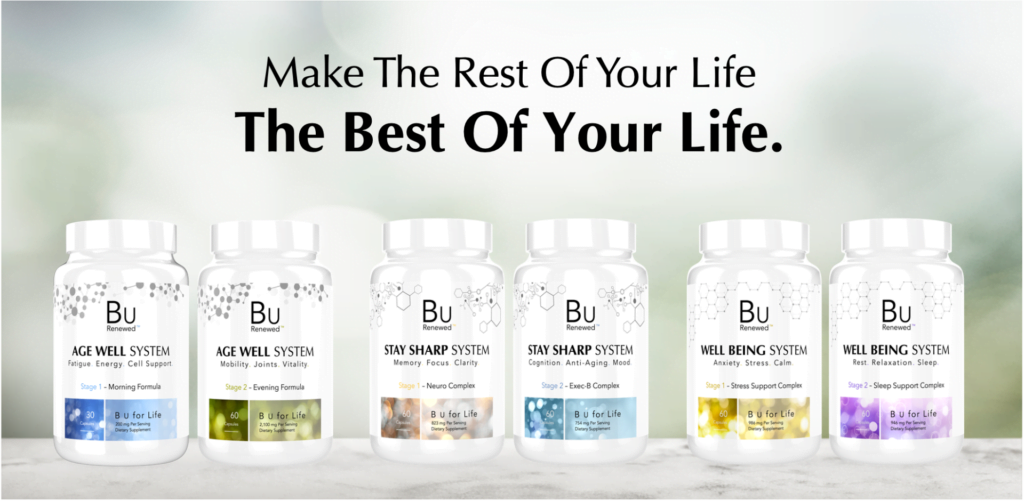
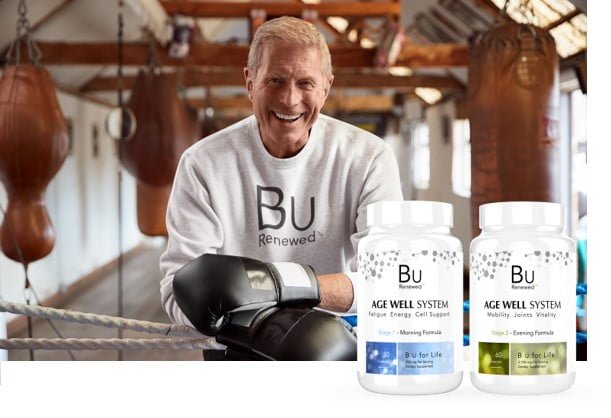
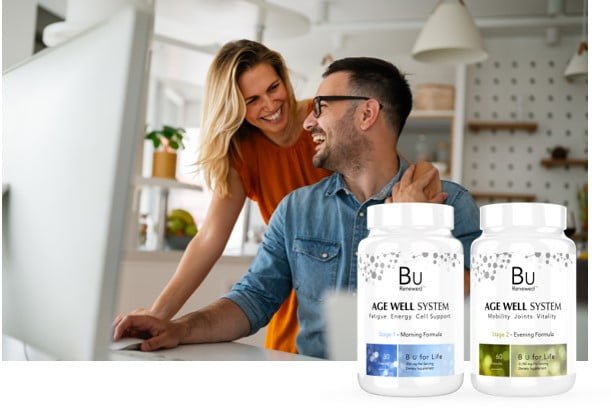
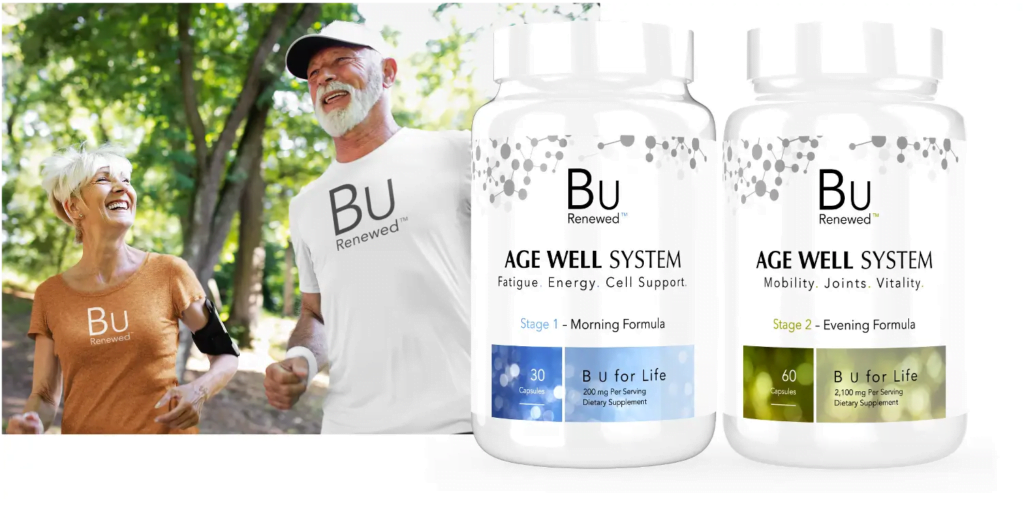
Consider Supplements: As we age, our bodies may need extra support to maintain gut health. Supplements such as prebiotics, probiotics, and digestive enzymes can help maintain a healthy gut microbiome and support overall digestion. The Age Well System by Bu Renewed offers a range of supplements specifically designed to support gut health and promote healthy aging. These supplements can help fill nutritional gaps and provide the necessary support to keep your gut healthy as you age. Please consult a doctor should you be on any medications. Learn more about the Age Well System by Bu Renewed
Avoid Antibiotics Unless Necessary: While antibiotics are essential for fighting bacterial infections, they can also disrupt the balance of your gut microbiome by killing beneficial bacteria. It’s important to use antibiotics only when necessary and to take steps to restore your gut health afterward, such as by consuming probiotics and eating a gut-friendly diet.
The Role of Supplements in Gut Health and Aging
While diet and lifestyle play a significant role in maintaining gut health, supplements can provide additional support, especially as we age.
The Age Well System by Bu Renewed is specifically designed to support gut health and promote healthy aging. These supplements include:
Probiotic Complex: This supplement contains a blend of beneficial bacteria strains that support a healthy gut microbiome. Regular use can help maintain gut balance, support digestion, and boost immune function.
Prebiotic Fiber: Prebiotics are non-digestible fibers that feed the beneficial bacteria in your gut. This supplement helps promote the growth of healthy bacteria and supports overall gut health.
Digestive Enzymes: As we age, our bodies may produce fewer digestive enzymes, leading to issues such as bloating, gas, and indigestion. Digestive enzyme supplements can help support the breakdown of food and improve nutrient absorption. Dr. Gundry is an expert in gut health and offers specific supplements for gut health. www.gundrymd.com
Gut Health and Longevity
Maintaining a healthy gut is essential for aging well and living a long, healthy life. The gut plays a crucial role in many aspects of health including immune function to mental well-being. And, by taking care of your gut, you can support overall health and vitality as you age.
Research has shown that individuals with a diverse and balanced gut microbiome tend to live longer. As well, it can help create lower risk of age-related diseases .
Follow the tips outlined in this article and incorporating supplements. The Age Well System by Bu Renewed, can help support your gut health and promote healthy aging.
In conclusion, gut health is a vital aspect of aging well.
Maintaining a healthy gut microbiome through a balanced diet, regular exercise, stress management. As well, the right supplements, can help reduce the risk of age-related diseases. You can also support immune function, and maintain a youthful appearance.
The marvel of cellular renewal. This is a pathway to living your best life after 50. As we age, maintaining vitality and health becomes increasingly important.
For men and women over 50, understanding the body’s natural processes, such as cellular renewal, can offer profound insights into how we can lead our best lives. Just as our cells renew daily, we too can rejuvenate and enhance our lives, embracing longevity and wellness.
The Daily Dance of Cellular Renewal
Every day, our bodies undergo an incredible process: the renewal of cells. This process is crucial for maintaining overall health and functioning. Here’s a closer look at how it works:
Cell Division: Our bodies are composed of trillions of cells, many of which are constantly dividing to replace old or damaged ones. This process, known as mitosis, ensures that our tissues and organs continue to function optimally.
Stem Cells: These are the body’s master cells, capable of differentiating into various cell types. They play a pivotal role in repair and regeneration, particularly in tissues with high turnover rates, like the skin and gut lining.
Apoptosis: Also known as programmed cell death, apoptosis is a natural process that helps eliminate damaged or potentially harmful cells, making way for new, healthy ones.
The Benefits of Cellular Renewal
The continuous renewal of cells offers numerous benefits, particularly for those over 50:
Tissue Repair and Healing: Daily cell renewal ensures that our tissues can repair and heal efficiently, maintaining their integrity and function.
Aging and Longevity: Effective cellular renewal helps slow the aging process, allowing us to maintain a youthful appearance and vibrant health.
Immune Function: The immune system relies on the constant production of new cells to effectively combat pathogens and protect the body.
Cognitive Health: Neurogenesis, the process of generating new neurons, supports cognitive function and mental clarity, which is crucial as we age.
Renewing Ourselves: An Analogy for Personal Growth
Just as our cells renew daily, we have the potential to renew ourselves mentally, emotionally, and spiritually. Here’s how we can draw inspiration from cellular renewal to live our best lives after 50:
Embrace Change: Just as old cells are replaced by new ones, we can let go of outdated habits and beliefs, embracing new, healthier ones.
Continuous Learning: Staying mentally active and curious promotes cognitive health and personal growth. Engage in lifelong learning to keep your mind sharp and vibrant.
Emotional Resilience: Like apoptosis removing damaged cells, we can practice emotional resilience, letting go of negativity and cultivating a positive mindset.
Physical Activity: Regular exercise stimulates cellular renewal and keeps our bodies strong. Incorporate activities like hiking, yoga, or pickleball to stay active and healthy.
Mindfulness and Meditation: Practices like meditation and mindfulness support mental and emotional renewal, helping us stay centered and balanced.
The Role of Supplements in Longevity
For those over 50, supplements can play a significant role in supporting cellular renewal and overall health. Here’s why they’re important:
Nutrient Gaps: As we age, it becomes harder to get all the necessary nutrients from diet alone. Supplements can fill these gaps, ensuring our cells have the building blocks they need to function optimally.
Antioxidant Support: Supplements rich in antioxidants combat oxidative stress, a major contributor to cellular aging.
Hormonal Balance: Certain supplements can help balance hormones, which is crucial for maintaining energy, mood, and overall vitality.
Bu Renewed Age Well System: Your Ally in Aging Well
The Bu Renewed Age Well System is designed to support cellular renewal and longevity, helping you maintain a youthful and vibrant life. Here’s why it stands out:
Comprehensive Formula: Bu Renewed offers a complete formula that targets key areas of health, including cognitive function, immune support, and skin health.
High-Quality Ingredients: The system uses only the highest quality ingredients, ensuring maximum efficacy and absorption.
Science-Backed: Bu Renewed is based on the latest scientific research, providing evidence-based support for its effectiveness.
Holistic Approach: The system takes a holistic approach to health, addressing physical, mental, and emotional well-being.
Scientific Support for Cellular Renewal and Supplements
The benefits of cellular renewal and supplementation are well-documented in scientific literature. Here are two studies that highlight these findings:
Cellular Renewal and Aging: A study published in Nature Communications discusses how cell type specific effects pro longevity strategies.
Supplementation and Health in Older Adults: Research from the Journal of Clinical Medicine highlights the importance of dietary supplements in filling nutrient gaps and supporting overall health and muscular strength in older adults.
Conclusion: Embrace Renewal and Thrive
For men and women over 50, understanding and embracing the concept of cellular renewal can be transformative. By aligning our lifestyle choices with this natural process, we can enhance our health, longevity, and overall well-being. The Bu Renewed Age Well System offers a powerful ally in this journey, providing the support needed to live our best lives.
Remember, just as our cells renew daily, we too have the power to rejuvenate and become better versions of ourselves, living vibrant, fulfilling lives well into our golden years.
By embracing the continuous cycle of cellular renewal, we can draw parallels to our own lives, fostering growth and improvement. This understanding not only helps us appreciate the intricate workings of our bodies but also empowers us to take proactive steps toward better health and well-being. The Bu Renewed Age Well System stands out as an exemplary choice for those looking to support their journey towards longevity and vitality.
Final Thoughts on Cellular Renewal and Personal Growth
It’s important to recognize that cellular renewal is not just a biological process but also a metaphor for personal growth. By continuously renewing our cells, we maintain our physical health, and by continuously renewing our minds and spirits, we can achieve emotional and mental well-being. This holistic approach to health is essential for those over 50, as it ensures a balanced and fulfilling life.
Practical Tips for Supporting Cellular Renewal
To maximize the benefits of cellular renewal, consider incorporating the following tips into your daily routine:
Balanced Diet: Eat a diet rich in fruits, vegetables, lean proteins, and whole grains. These foods provide essential nutrients that support cell health and regeneration.
Regular Exercise: Physical activity promotes circulation and the delivery of oxygen and nutrients to cells, supporting their renewal and function.
Adequate Sleep: Quality sleep is crucial for cellular repair and regeneration. Aim for 7-9 hours of restful sleep each night.
Stress Management: Chronic stress can negatively impact cellular health. Practice stress-reducing techniques like meditation, deep breathing, and yoga.
Hydration: Proper hydration supports cellular function and detoxification. Drink plenty of water throughout the day.
Avoid Toxins: Minimize exposure to environmental toxins and pollutants, which can damage cells and accelerate aging.
By adopting these healthy habits, you can enhance your body’s natural renewal processes and enjoy a vibrant, healthy life well into your later years.
Empowering Yourself Through Knowledge
Understanding the science behind cellular renewal empowers us to make informed decisions about our health. As a result, it’s not just about living longer but living better.
For example, one of the most powerful and life-changing formula’s on the market today, The Age Well System by Bu Renewed, offers a targeted approach to addressing longevity, looking better and feeling better. Each ingredient is a propriety blend to ensure your body supports the resources of diet and exercise to maximize your state of being.
Therefore, by focusing on cellular health, we can improve our quality of life, maintain our independence, and continue to enjoy the activities we love.
In conclusion, it is a powerful reminder of our body’s incredible capacity for self-repair and rejuvenation. For men and women over 50, embracing this concept can lead to profound improvements in health and well-being. The Bu Renewed Age Well System is an excellent resource for those seeking to support their cellular health and achieve their longevity goals. With the right knowledge and tools, we can all live our best lives, full of energy, vitality, and joy.
By embracing the continuous cycle of cellular renewal and incorporating the right supplements, we can not only enhance our physical health but also inspire a journey of personal growth and self-improvement, truly living our best lives after 50.
Best Foods for Joints & Muscle Health are essential for maintaining mobility and strength. Proper nutrition supports joint flexibility and muscle function. This article explores the top foods that promote joint and muscle health.
Introduction
Best Foods for Joints & Muscle Health are essential for maintaining mobility and strength.
Proper nutrition supports joint flexibility and muscle function. This article explores the top foods that promote joint and muscle health.
Importance of Nutrition for Joint and Muscle Health
Proper nutrition plays a crucial role in maintaining joint and muscle health.
Certain foods provide the nutrients necessary for optimal function.
Key Nutrients for Joints and Muscles
Nutrients like omega-3 fatty acids, vitamin D, calcium, and protein are vital for joint and muscle health.
Including these in your diet can prevent issues.
Omega-3 Fatty Acids
Omega-3 fatty acids reduce inflammation and support joint health. Foods like salmon, walnuts, and flaxseeds are rich sources.
Vitamin D
Vitamin D is essential for bone and muscle health.
It helps the body absorb calcium, which is crucial for strong bones. Get more Vitamin D benefits from exploring The Bu Renewed Age Well System, Well Being System and Stay Sharp System. These supplements are highly regarded to be #1 by doctors and professionals who evaluate the effectiveness of these formulas.
Calcium
Calcium is vital for bone health. Dairy products, leafy greens, and fortified foods are excellent sources.
Calcium supports muscle contractions as well.
Protein
Protein is crucial for muscle repair and growth. Explore protein-rich foods and joints supplements for better muscle health.
Include lean meats, beans, and nuts in your diet to meet protein needs.
Top Foods for Joint and Muscle Health
Fatty Fish
Fatty fish like salmon, mackerel, and sardines are rich in omega-3 fatty acids.
They help reduce inflammation and support joint health.
Leafy Greens
Leafy greens like spinach, kale, and collard greens are packed with vitamins and minerals.
They provide calcium and antioxidants for joint health.
Nuts and Seeds
Nuts and seeds are excellent sources of protein and healthy fats.
Almonds, chia seeds, and flaxseeds are particularly beneficial for joint and muscle health.
Berries
Berries are rich in antioxidants, which help reduce inflammation.
Blueberries, strawberries, and raspberries can protect joints and muscles from damage.
Olive Oil
Olive oil contains anti-inflammatory compounds. It is a healthy fat that supports overall joint and muscle health.
Turmeric
Turmeric is known for its anti-inflammatory properties. Adding turmeric to your diet can help reduce joint pain and inflammation.
Ginger
Ginger has anti-inflammatory and antioxidant properties. It can help alleviate joint pain and improve muscle recovery.
Garlic
Garlic is packed with anti-inflammatory compounds. Including garlic in your diet can support joint and muscle health.
Whole Grains
Whole grains provide essential nutrients like magnesium and fiber. They support muscle function and overall health.
Beans and Legumes
Beans and legumes are excellent protein sources. They also provide fiber and other nutrients essential for joint and muscle health.
Avocado
Avocado is rich in healthy fats and antioxidants. It supports joint lubrication and overall health.
Sweet Potatoes
Sweet potatoes are packed with vitamins and minerals. They provide antioxidants that help reduce inflammation in joints and muscles.
Bone Broth
Bone broth is rich in collagen and gelatin. These nutrients support joint health and can reduce pain and inflammation.
Oranges
Oranges and other citrus fruits provide vitamin C. Vitamin C is crucial for collagen production, supporting joint and muscle health.
Green Tea
Green tea contains antioxidants that reduce inflammation. Drinking green tea can support joint and muscle health.
Foods to Avoid for Joint and Muscle Health
Processed Foods
Processed foods often contain unhealthy fats and sugars. These can increase inflammation and negatively impact joint and muscle health.
Sugary Drinks
Sugary drinks can lead to weight gain and inflammation. Avoiding them can help maintain healthy joints and muscles.
Excessive Alcohol
Excessive alcohol consumption can weaken bones and muscles. Moderation is key to maintaining joint and muscle health.
Refined Carbohydrates
Refined carbohydrates can cause inflammation. Opt for whole grains instead to support joint and muscle health.
Lifestyle Tips for Joint and Muscle Health
Stay Active for Joint and Muscle Health
Staying active is crucial for maintaining joint and muscle health.
Physical activity, combined with the best foods for joints & muscle health, can significantly improve your quality of life.
Regular exercise strengthens muscles, enhances flexibility, and supports overall well-being.
The Importance of Physical Activity
Physical activity is essential for maintaining joint and muscle health.
It helps in preventing stiffness, reducing pain, and improving mobility.
Combining exercise with the best foods for joints & muscle health can maximize these benefits.
Strengthens Muscles
Regular exercise strengthens muscles, which support and protect your joints.
Strong muscles help in distributing the load and reducing joint stress.
Include exercises like weight training and resistance training in your routine.
Enhances Flexibility
Staying active improves flexibility and range of motion.
Stretching exercises, yoga, and Pilates are excellent for enhancing flexibility. Flexible joints are less prone to injury and pain.
Reduces Joint Pain
Exercise can reduce joint pain and inflammation.
Low-impact activities like swimming and cycling are particularly beneficial for joint health.
They provide a good workout without putting too much stress on the joints.
Types of Exercises for Joint and Muscle Health
Aerobic Exercises
Aerobic exercises, like walking, swimming, and cycling, are excellent for cardiovascular health and joint mobility.
Learn more about aerobic exercises, they improve blood flow and help in maintaining a healthy weight.
Strength Training
Strength training exercises, such as lifting weights and resistance bands, help build muscle strength.
It is advisable to explore strength training tips. Strong muscles provide better joint support and reduce the risk of injuries.
Flexibility Exercises
Flexibility exercises, including stretching and yoga, enhance joint range of motion.
Discover the benefits of flexibility exercises, they help in preventing stiffness and improving overall flexibility.
Balance Exercises
Balance exercises, like tai chi and standing on one leg, improve stability and coordination.
They help in preventing falls and maintaining good posture.
Tips for Staying Active
Set Realistic Goals
Set achievable goals to stay motivated.
Start with small, manageable targets and gradually increase the intensity and duration of your workouts.
Setting realistic goals can help you stay consistent and track your progress effectively.
Find Activities You Enjoy
Choose activities you enjoy to make exercise a fun part of your daily routine.
Whether it’s dancing, hiking, or playing a sport, enjoying your workout can keep you engaged and motivated.
Mix Up Your Routine
Variety in your exercise routine can prevent boredom and target different muscle groups.
Mix up aerobic, strength, flexibility, and balance exercises to get a well-rounded workout.
Stay Consistent
Consistency is key to maintaining joint and muscle health.
Aim for at least 150 minutes of moderate aerobic activity or 75 minutes of vigorous activity each week.
Consistent exercise leads to long-term health benefits and improved joint and muscle function.
Listen to Your Body
Pay attention to your body’s signals; if you experience pain or discomfort, adjust your activity level or try a different exercise.
Listening to your body can help prevent injuries and ensure you get the most benefit from your workouts.
Stay Hydrated
Proper hydration is essential for joint lubrication and muscle function.
Drink plenty of water before, during, and after exercise. Staying hydrated supports overall joint and muscle health.
Warm Up and Cool Down
Warming up before exercise and cooling down afterward can prevent injuries and improve flexibility.
Include light stretching and gentle movements in your warm-up and cool-down routines.
The Role of Nutrition in Staying Active
Combining physical activity with the best foods for joints & muscle health can enhance your overall well-being.
Proper nutrition provides the energy and nutrients needed for effective workouts and recovery.
Protein for Muscle Repair
Protein is crucial for muscle repair and growth.
Explore protein-rich foods and include lean meats, beans, and nuts in your diet to meet protein needs for better muscle health.
Omega-3 Fatty Acids
Omega-3 fatty acids reduce inflammation and support joint health.
Foods like salmon, walnuts, and flaxseeds are rich sources.
Combining omega-3-rich foods with regular exercise can reduce joint pain and inflammation.
Vitamin D, H2o and Calcium
Vitamin D and calcium are essential for bone health. They help the body absorb and utilize calcium effectively.
Staying hydrated is essential for maintaining joint lubrication and muscle function.
Drink plenty of water and include hydrating foods like fruits and vegetables in your diet.
Conclusion
Best Foods for Joints & Muscle Health are essential for maintaining mobility and strength.
By incorporating nutrient-rich foods into your diet, you can support joint and muscle health.
Powering Through Your Fears (as it relates to health, age, and longevity) is crucial for maintaining a high quality of life.
As we age, our health concerns often grow, but addressing these fears head-on can lead to a longer, healthier life.
This article explores strategies for overcoming these fears and provides practical tips for enhancing longevity.
Understanding Your Fears
Common Health Fears
Many people fear developing chronic illnesses such as heart disease, diabetes, or cancer.
These fears can lead to anxiety and stress.
Fear of Aging
Aging brings physical changes that can be overwhelming.
Concerns about losing independence and experiencing cognitive decline are common.
Longevity Concerns
Living a long life is a goal for many, but fears about maintaining health and quality of life can be overwhelming.
Psychological Impact
Fears related to health, age, and longevity can have a significant psychological impact, leading to anxiety, depression, and decreased well-being.
Recognizing Triggers
Identifying what triggers your fears is the first step in addressing them. This awareness can help you develop coping strategies.
Strategies for Overcoming Health Fears
Seeking Professional Advice
Consult healthcare professionals to address your health concerns. Regular check-ups can catch potential issues early.
Staying Informed
Educate yourself about health issues and their prevention. Reliable information can alleviate unnecessary fears. Resources like Mayo Clinic can be very helpful.
Healthy Lifestyle Choices
Adopting a healthy lifestyle is crucial. Exercise regularly, eat a balanced diet, and avoid harmful habits like smoking.
Stress Management
Managing stress is essential for overall health. Techniques like meditation, yoga, and deep breathing can help reduce anxiety.
Support Systems
Explore this 5 tips on aging well to see how having a strong support system can alleviate fears.
Friends, family, and support groups provide emotional and practical support.
Embracing the Aging Process
Positive Aging Mindset
Developing a positive mindset about aging can improve your overall outlook on life and reduce fears related to getting older.
Staying Active
Physical activity is crucial for healthy aging. It helps maintain mobility, strength, and overall well-being.
Mental Stimulation
Keep your mind active through learning, puzzles, and social interactions. Mental stimulation can prevent cognitive decline.
Social Connections
Maintaining strong social connections can enhance your quality of life. Engage in community activities and stay connected with loved ones.
Purpose and Fulfillment
Finding purpose in life is vital. Volunteer, pursue hobbies, and stay engaged in activities that bring you joy and satisfaction.
Addressing Longevity Concerns
Understanding Longevity
Longevity refers to the length of an individual’s life. With modern medicine, people are living longer, but concerns remain.
Factors Affecting Longevity
Genetics, lifestyle, and environment all influence longevity. While some factors are uncontrollable, lifestyle changes can significantly impact lifespan.
Genetics and Longevity
Genetic predispositions can affect lifespan, but healthy habits can help mitigate genetic risks. Understanding your family history is essential.
Lifestyle Choices
Diet, exercise, and stress management are crucial. Healthy eating and regular physical activity can add years to your life.
Diet and Longevity
A balanced diet rich in fruits, vegetables, and whole grains supports longevity. Avoiding processed foods is equally important.
Powering Through Your Fears
Addressing fears about aging and health is crucial for longevity.
Chronic stress negatively impacts health. The Bu Renewed Well Being System supplements can improve overall well-being and extend lifespan.
Techniques for Managing Stress
Meditation, deep breathing, and hobbies can reduce stress. Incorporating these practices into daily life is beneficial.
The Role of Sleep
Quality sleep is essential for longevity. It allows the body to repair and rejuvenate, reducing health risks.
Improving Sleep Quality
Maintain a regular sleep schedule and create a restful environment. Avoiding screens before bedtime can enhance sleep quality.
Practical Tips for Enhancing Longevity
Balanced Nutrition
Ensure your diet is rich in essential nutrients. Supplements like those discussed in https://burenewed.com/blogs/ articles can help fill nutritional gaps.
Regular Exercise
Incorporate regular exercise into your routine. Activities like walking, swimming, and yoga promote longevity and overall health.
Sleep Hygiene
Good sleep hygiene is essential. Aim for 7-9 hours of quality sleep per night to support your health and well-being.
Hydration
Stay hydrated by drinking plenty of water daily. Proper hydration is vital for all bodily functions and overall health.
Avoiding Harmful Habits
Avoid smoking and limit alcohol consumption. These habits can significantly impact your health and longevity.
Developing a Positive Mindset
Gratitude Practice
Practicing gratitude can shift your mindset. Focus on what you’re thankful for to cultivate positivity and reduce fears.
Mindfulness and Meditation
Mindfulness and meditation can help manage anxiety and stress. These practices promote mental clarity and emotional balance.
Setting Realistic Goals
Set realistic health and wellness goals. Achievable goals provide motivation and a sense of accomplishment.
Celebrating Small Wins
Celebrate small victories along your health journey. Recognize your progress and use it as motivation to continue.
Self-Compassion
Practice self-compassion. Be kind to yourself and acknowledge that everyone faces challenges and fears.
Supporting Your Journey To Powering Your Fears
Fear is a natural response but can hold us back.
Powering through your fears is essential for personal growth and longevity.
Understanding Fear
Fear can impact health, age, and longevity. Understanding its roots helps in managing and overcoming it effectively.
The Role of Health in Managing Fear
A healthy lifestyle plays a crucial role in managing fear.
Regular exercise, a balanced diet, and sufficient sleep can significantly reduce anxiety levels.
Read more about how Bu Renewed Well Being System supplements can enhance your health.
Strategies for Powering Through Your Fears
Developing effective strategies is crucial.
Here are some practical steps to help you overcome your fears and lead a healthier life.
Positive Thinking
Adopt a positive mindset. Reframe negative thoughts and focus on positive outcomes. This shift can significantly impact your mental state.
Setting Realistic Goals
Set achievable goals. Break down larger fears into smaller, manageable tasks. This approach makes overcoming fears less challenging.
Seeking Support
Don’t hesitate to seek support. Talking to friends, family, or a therapist can provide valuable insights and encouragement.
Professional Guidance
Seek guidance from healthcare professionals. They can provide personalized advice and support for your health journey.
Reliable Information
The NIH Office of Dietary Supplements is an excellent resource. Stay informed with reliable sources. Accurate information can empower you to make informed health decisions.
Community Support
Engage with community support groups. Sharing experiences and advice can provide comfort and reduce feelings of isolation.
Family and Friends
Lean on family and friends for support. Their encouragement and assistance can help you stay motivated and positive.
Personal Commitment
Commit to your health journey. Consistency and dedication are key to overcoming fears and achieving longevity.
Conclusion
Powering through your fears, especially concerning health, age, and longevity, requires commitment and a positive mindset.
Embracing these challenges can lead to a healthier, happier life. By addressing health concerns and taking proactive steps, you can significantly enhance your well-being.
Remember the importance of seeking support from healthcare professionals and utilizing reliable information.
Building a strong support system can make a significant difference in overcoming fears and achieving your health goals.
Commit to Positive Changes
Commit to making positive changes today. Incorporate regular check-ups, a balanced diet, and exercise into your routine.
Building mental resilience through mindfulness and meditation can also help you manage fears more effectively.
Enjoy the Benefits
The benefits of powering through your fears are immense.
By taking control of your health, you can enjoy better physical and mental well-being, a longer life, and a more fulfilling existence.
Empower yourself with proactive health measures and embrace the journey towards a brighter future.
Better Physical Health
Powering through your fears leads to improved physical health. Regular exercise, a balanced diet, and preventive care contribute significantly.
Healthy Lifestyle Choices, Aging Well & Happiness of Summer
1. Fresh Produce
Summer offers an abundance of fresh fruits and vegetables. A healthy diet supports overall health and slows the aging process.
2. Hydration
Staying hydrated is crucial, especially in summer. Proper hydration supports bodily functions and helps maintain youthful skin.
3. Mindfulness Practices
Summer provides a perfect setting for mindfulness practices like yoga and meditation. These practices reduce stress and promote longevity.
The Happiness of Summer plays a crucial role in the Age Well System.
Embracing summer’s benefits can significantly enhance health, happiness, and longevity.
Implementing the Age Well System
1. Start Slow
Begin with small changes. Gradually incorporate healthy foods and regular exercise into your routine.
2. Be Consistent
Stick to a schedule. Make healthy eating and exercise a part of your daily habits for lasting results.
3. Set Goals
Define clear, achievable goals. Track your progress and celebrate milestones to stay motivated.
4. Seek Support
Join groups or find a buddy. Having support can make it easier to stay on track and maintain changes.
5. Stay Informed
Educate yourself. Keep learning about health, nutrition, and wellness to make informed decisions.
6. Be Patient
Understand that results take time. Stay committed and patient with your progress for long-term success.
The Effects of Summer on Emotions
1. Sunshine and Happiness
Sunshine plays a crucial role in enhancing mood and happiness.
Exposure to sunlight increases the brain’s release of serotonin.
Serotonin is a hormone associated with boosting mood and helping a person feel calm and focused.
This natural antidepressant is more effective with increased sunlight, making summer an essential season for mood improvement.
According to a study by Mayo Clinic, sunlight exposure can significantly improve symptoms of depression, particularly in individuals with seasonal affective disorder (SAD).
The longer days of summer mean more opportunities to bask in the sunlight.
This can have a lasting positive impact on overall mood and mental health.
2. Warmth and Comfort
Warm weather has a profound effect on reducing stress and promoting a sense of comfort and relaxation.
The pleasant temperatures of summer encourage people to spend more time outdoors.
Thus, engaging in leisurely activities that contribute to a relaxed state of mind.
According to research published in the Journal of Environmental Psychology, warm weather is associated with higher levels of positive emotions and lower levels of anxiety.
This comfort and relaxation contribute significantly to The Happiness of Summer, making it a season where people feel more at ease and content.
3. Outdoor Activities
Summer is synonymous with outdoor activities, which are not only enjoyable but also beneficial for physical and mental health.
Activities such as hiking, swimming, biking, and playing sports provide excellent cardiovascular exercise, improve muscle strength, and enhance overall fitness.
According to the Centers for Disease Control and Prevention (CDC), regular physical activity helps reduce the risk of chronic diseases, improves mental health, and enhances quality of life.
The abundance of outdoor activities during summer ensures that people remain active and engaged.
And this contributes to their overall happiness and well-being.
4. Feeling Young and Free
One of the significant aspects of The Happiness of Summer is the increase in social interactions.
Summer activities, such as barbecues, picnics, and beach outings, provide opportunities to spend quality time with friends and family.
These social interactions are essential for emotional well-being, as they help strengthen relationships and create lasting memories.
According to a study by the American Psychological Association (APA), social connections are crucial for mental health and can significantly reduce feelings of loneliness and depression.
The social aspect of summer plays a vital role in making people feel young and free, enhancing their overall happiness.
5. Adventure and Exploration
Summer is the perfect time for adventure and exploration, which are key components of The Happiness of Summer.
Traveling to new places, discovering nature trails, and experiencing different cultures provide a sense of excitement and rejuvenation.
This sense of adventure not only breaks the monotony of daily life but also stimulates the mind and spirit.
According to a study published in the Journal of Travel Research, traveling and engaging in new experiences can enhance creativity, reduce stress, and improve overall well-being.
The thrill of adventure during summer adds to the feeling of being young and free.
Physical Health Benefits
Engaging in outdoor activities during summer has numerous physical health benefits.
Regular exercise, such as swimming, running, or playing sports, helps improve cardiovascular health.
It also enhances muscle strength, and boosts overall fitness levels.
Why Summer Activities?
According to the World Health Organization (WHO), physical activity is essential for maintaining a healthy weight, reducing the risk of chronic diseases, and improving mental health.
The health benefits of summer activities contribute to the feeling of being youthful and energetic, enhancing The Happiness of Summer.
Light and Energy
Exposure to sunlight is one of the most significant benefits of summer.
Sunlight increases the body’s production of vitamin D, which is essential for bone health and immune function.
Sunlight Exposure Has Benefits?
According to the National Institutes of Health (NIH), vitamin D helps the body absorb calcium, promoting bone growth and reducing the risk of osteoporosis.
Additionally, adequate sunlight exposure can improve sleep quality by regulating the body’s circadian rhythm.
The increased sunlight during summer provides numerous health benefits, contributing to overall happiness and well-being.
Longer Days?
The extended daylight hours of summer offer more opportunities for outdoor activities and social interactions.
Longer days mean more time to enjoy the natural beauty of the outdoors, engage in physical activities, and spend time with loved ones.
This extended time outside helps boost energy levels and improve mood.
Research in the Journal of Sleep Research, showed that exposure to natural light during the day can enhance sleep quality.
It also increase alertness and productivity.
The longer days of summer provide a natural boost to energy and well-being, adding to The Happiness of Summer.
Natural Beauty
The natural beauty of summer, with its lush greenery and colorful flowers, has a positive impact on mental health.
Being in nature and enjoying its beauty can reduce stress, improve mood, and enhance overall well-being.
According to a study by the University of Exeter, spending time in natural environments can significantly improve mental health.
Thus, increasing feelings of happiness and well-being.
The visual appeal of nature during summer creates a pleasant and uplifting environment, contributing to The Happiness of Summer.
Conclusion
The Happiness of Summer significantly impacts our emotions and well-being.
Embracing the season’s opportunities for outdoor activities, social connections, and natural beauty helps us feel young, free, and happy.
Enjoying summer to its fullest enhances our overall quality of life.
The Age Well System emphasizes leveraging these benefits for a healthier, happier you.
Embracing the Fullness of Summer
Outdoor Events and Gatherings
Summer is a season of festivals, outdoor concerts, and community gatherings.
These events bring people together and create a sense of community and belonging.
Attending local events can provide a fun way to connect with others and enjoy shared experiences.
According to the Eventbrite, participating in community events can enhance social connections, reduce stress, and improve overall well-being.
The communal aspect of summer events contributes significantly to The Happiness of Summer, making it a time of joy and celebration.
Healthy Summer Diet
The abundance of fresh fruits and vegetables during summer provides an opportunity to enjoy a healthy diet.
Seasonal produce such as berries, melons, and leafy greens are rich in vitamins, minerals, and antioxidants.
It does this by reducing the risk of chronic diseases, and promoting a healthy weight.
Eating a healthy summer diet supports physical health and contributes to a feeling of well-being, enhancing The Happiness of Summer.
Hydration and Well-being
Staying hydrated is crucial during the hot summer months.
Proper hydration helps maintain body temperature, supports cardiovascular health, and improves physical performance.
According to the Mayo Clinic, drinking enough water is essential for overall health and can prevent dehydration-related issues such as headaches and fatigue.
Staying well-hydrated during summer ensures that the body functions optimally, contributing to a sense of well-being and happiness.
Mindfulness and Relaxation
Summer is an ideal time to practice mindfulness and relaxation techniques.
The serene natural settings and longer days provide a perfect backdrop for meditation, yoga, and other relaxation practices.
According to a study published in the Journal of Behavioral Medicine, mindfulness practices can reduce stress, improve mood, and enhance overall mental health.
Taking time to relax and be mindful during summer can significantly contribute to The Happiness of Summer.
Exploring New Hobbies and Interests
Creative Pursuits
Summer provides the perfect opportunity to explore new hobbies and creative pursuits.
Engaging in activities such as painting, photography, or gardening can provide a sense of accomplishment and joy.
According to the American Art Therapy Association, creative activities can improve mental health, reduce stress, and enhance overall well-being.
Exploring new hobbies during summer can add to the feeling of being young and free, contributing to The Happiness of Summer.
Outdoor Sports and Recreation
Participating in outdoor sports and recreational activities is a great way to stay active and enjoy the summer weather.
Activities such as tennis, golf, or beach volleyball provide excellent opportunities for physical exercise and social interaction.
According to the Sports & Fitness Industry Association (SFIA), engaging in sports can improve physical fitness, enhance mental health, and promote social connections.
The recreational aspect of summer sports contributes to overall happiness and well-being.
Volunteering and Community Service
Summer is an excellent time to get involved in volunteering and community service.
Helping others and contributing to the community can provide a sense of purpose and fulfillment.
Our purpose in life and longevity are deeply interconnected. Having a clear purpose can significantly impact our overall well-being and lifespan. This article explores the various aspects of finding purpose and how it contributes to a longer, healthier life.
Introduction
Our purpose in life and longevity are deeply interconnected. Having a clear purpose can significantly impact our overall well-being and lifespan.
Research has shown that individuals with a strong sense of purpose tend to live longer, healthier lives.
This sense of purpose provides motivation, direction, and resilience, which are essential for handling life’s challenges.
Understanding how purpose influences longevity can help individuals make more informed choices about their health and well-being.
This article explores the various aspects of finding purpose and how it contributes to a longer, healthier life.
It does this by offering practical strategies and insights based on the latest scientific research.
By having a sense of purpose, we can enhance our physical, mental, and emotional health.
Ultimately, this will lead to a more fulfilling and extended life.
Understanding Purpose in Life
Purpose in life refers to the sense of meaning and direction that drives an individual’s actions and decisions.
It is a crucial aspect of psychological well-being and overall health.
Defining Purpose
Purpose can be defined as a deeply held aspiration that gives life meaning.
It guides our goals, behaviors, and decisions.
For some, purpose is linked to career achievements, while for others, it may be related to family, community service, or personal growth.
Importance of Purpose
Having a purpose in life is essential for mental and emotional health.
It provides motivation, resilience, and a sense of fulfillment.
Studies show that people with a clear sense of purpose live longer, healthier lives.
Finding Your Purpose
Finding purpose often involves self-reflection and exploration, according to Harvard Business Review.
Identifying passions, values, and strengths can help uncover what truly matters to you.
Engage in activities that bring joy and fulfillment to discover your purpose.
Connection Between Purpose and Longevity
Psychological Benefits
Purpose in life provides numerous psychological benefits.
It reduces stress, enhances resilience, and promotes a positive outlook.
These factors contribute to improved mental health and longevity.
It encourages healthy behaviors, such as regular exercise, balanced nutrition, and adequate sleep.
These habits reduce the risk of chronic diseases and support longevity.
Biological Mechanisms
Research indicates that purpose in life may influence biological processes.
It can improve immune function, reduce inflammation, and promote cardiovascular health.
These mechanisms contribute to a longer, healthier life.
Latest Studies on Purpose and Longevity
The Blue Zones
The Blue Zones are regions with the highest concentrations of centenarians.
Studies in these areas reveal that having a strong sense of purpose, known as “ikigai” in Japan, is a common trait among long-lived individuals.
Psychological Well-Being and Mortality
Research published in the journal Psychosomatic Medicine found that individuals with a high sense of purpose had a reduced risk of all-cause mortality.
This study highlights the significant impact of purpose on longevity.
Regular exercise, a balanced diet, and adequate sleep are crucial for overall well-being and longevity.
Practicing Gratitude
Gratitude enhances well-being and fosters a positive outlook.
Regularly practice gratitude by reflecting on things you are thankful for and expressing appreciation to others.
Role of Purpose in Different Life Stages
Adolescence and Young Adulthood
During adolescence and young adulthood, individuals often explore different interests and identities.
This stage is crucial for developing a sense of purpose and direction.
Midlife
Midlife is often a period of reassessment and reflection.
It’s an opportunity to evaluate one’s life path and make changes that align with personal values and goals.
The Age Well System by Bu Renewed provides all the vitamins, minerals and nutrients to help you find the fountain of youth. You will see results in your skin’s appearance, your mobility and help you look and feel younger.
Retirement and Later Life
In retirement and later life, maintaining a sense of purpose is vital for well-being.
Engaging in meaningful activities, hobbies, and social connections can enhance life satisfaction and longevity.
Challenges in Finding Purpose
Overcoming Obstacles
Finding purpose can be challenging due to various obstacles such as fear, self-doubt, and external pressures.
Overcoming these obstacles requires courage, perseverance, and support from others.
Addressing Burnout
Burnout can hinder the search for purpose.
It’s essential to recognize signs of burnout and take steps to recover, such as taking breaks, seeking support, and engaging in self-care.
Dealing with Life Transitions
Life transitions, such as career changes, loss of loved ones, or retirement, can impact one’s sense of purpose.
Handling these transitions with resilience and openness can help in finding new meaning and direction.
The Well Being System by Bu Renewed supports stress and anxiety helping to calm your nerves providing a deep and restful sleep and more relaxation.
Purpose and Well-Being
Emotional Health
A strong sense of purpose enhances emotional health by providing a sense of fulfillment and reducing feelings of anxiety and depression.
Social Well-Being
Purposeful individuals often have strong social connections and engage in meaningful relationships, which contribute to overall well-being.
Spiritual Well-Being
For many, purpose is linked to spiritual beliefs and practices.
Engaging in spiritual activities can provide a sense of peace and connection to something greater.
Integrating Purpose into Daily Life
Daily Practices
Incorporate practices that reinforce your purpose into your daily routine.
This could include meditation, journaling, or setting daily intentions, as captured by one of our favorites articles.
Mindfulness and Awareness
Mindfulness practices can help you stay connected to your purpose.
Regularly check in with yourself to ensure your actions align with your values and goals.
Adapting to Changes
Be open to adapting your sense of purpose as you grow and evolve.
Life changes and experiences can shape and redefine your purpose over time.
The Role of Support Systems
Family and Friends
Family and friends play a crucial role in supporting your sense of purpose. They provide encouragement, advice, and companionship.
Professional Guidance
Seek professional guidance from coaches, therapists, or mentors. They can offer valuable insights and help you navigate challenges in finding and maintaining purpose.
Community and Social Networks
Engaging with community groups and social networks can provide a sense of belonging and support.
These connections can help reinforce your purpose and provide opportunities for growth.
Conclusion
The Power of Purpose
Our purpose in life and longevity are deeply connected.
A strong sense of purpose enhances well-being, promotes healthy behaviors, and supports longevity.
By finding and nurturing your purpose, you can lead a more fulfilling and healthier life.
Commitment to Purpose
Commit to discovering and cultivating your purpose. Engage in self-reflection, set meaningful goals, and build strong relationships.
Through continuous learning and growth, you will maintain a sense of purpose throughout your life.
Embrace a Fulfilling Life
Embrace a fulfilling life by aligning your actions with your purpose.
Reflect on your daily activities and choices to ensure they resonate with your core values and long-term goals.
This alignment fosters a sense of satisfaction and coherence in life.
Final Thoughts
Addressing our purpose in life and longevity requires a comprehensive approach.
By focusing on psychological, physical, and social well-being, you can enhance your overall health and extend your lifespan.
Start your journey towards a purposeful and long life today, and experience the profound impact it can have on your well-being and longevity.
Remember:
Setting meaningful goals is crucial for living a purpose-driven life.
Break down your larger purpose into specific, achievable objectives.
This approach not only provides direction but also creates a sense of accomplishment as you achieve each milestone.
Stay informed and adaptable, and don’t hesitate to seek professional guidance when needed.
Explore the latest studies for cell support & anti-aging. Learn about groundbreaking research and practical strategies to enhance cellular health and slow aging.
Introduction
The latest studies for cell support & anti-aging reveal exciting advancements in science.
These studies focus on how to enhance cellular health and slow down the aging process.
Understanding these developments can help individuals make informed choices about their health and longevity.
Importance of Cellular Health
Cellular health is fundamental to overall well-being.
Healthy cells function efficiently, repair damage, and support body systems.
Enhancing cellular health is key to anti-aging.
Understanding Cellular Aging
Cellular aging involves changes at the cellular level that contribute to the aging process.
These changes include DNA damage, oxidative stress, and mitochondrial dysfunction.
Addressing these factors can slow down aging.
Role of Nutrition
Several articles from burenewed reveal that nutrition plays a vital role in supporting cellular health.
Consuming nutrient-rich foods provides the essential vitamins and minerals that cells need to function properly.
Key Nutrients for Cell Support
Antioxidants
Antioxidants protect cells from oxidative stress. They neutralize free radicals, which can cause cellular damage.
Foods rich in antioxidants include berries, nuts, and green leafy vegetables.
Omega-3 Fatty Acids
Omega-3 fatty acids support cell membrane integrity. They reduce inflammation and promote cellular health.
Sources include fatty fish, flaxseeds, and walnuts.
Vitamins and Minerals
Vitamins like A, C, and E, and minerals such as zinc and selenium, are crucial for cellular health.
They support various cellular functions and repair processes. Include a variety of fruits, vegetables, and whole grains in your diet.
Latest Research on Cell Support
Telomere Research
Telomeres are protective caps at the ends of chromosomes. Shortening of telomeres is associated with aging.
Studies from Yale Medicine and other institutions show that lifestyle changes, such as a healthy diet and regular exercise, can lengthen telomeres and promote longevity.
NAD+ and Cellular Energy
Nicotinamide adenine dinucleotide (NAD+) is a coenzyme essential for energy production in cells.
Research indicates that increasing NAD+ levels can improve mitochondrial function and reduce signs of aging.
NAD+ boosters like NMN and NR are gaining attention for their potential benefits.
Autophagy and Cellular Cleanup
Autophagy is the process by which cells remove damaged components.
Enhancing autophagy can support cellular health and longevity.
Research suggests that fasting and certain nutrients can stimulate autophagy.
Senolytics and Removing Senescent Cells
Senescent cells are damaged cells that no longer divide but remain in the body, contributing to aging.
It by improving blood flow, reducing inflammation, and promoting the production of beneficial molecules like antioxidants.
Aim for at least 150 minutes of moderate aerobic activity or 75 minutes of vigorous activity per week.
Quality Sleep
Quality sleep is crucial for cellular repair and regeneration.
Aim for 7-9 hours of sleep per night to support overall health and cellular function.
Develop a consistent sleep routine and create a restful sleep environment.
Stress Management for Cellular Health
Stress management is crucial for maintaining cellular health.
Chronic stress can negatively impact cellular function, leading to various health issues.
By incorporating effective stress management techniques, you can enhance your overall well-being and support cellular health.
Impact of Chronic Stress on Cellular Health
Chronic stress can cause significant damage to cells.
It leads to the production of stress hormones like cortisol, which can impair cellular function.
Over time, this can result in inflammation, weakened immunity, and accelerated aging.
Oxidative Stress
Chronic stress increases oxidative stress in the body.
This occurs when there is an imbalance between free radicals and antioxidants, leading to cellular damage.
High levels of oxidative stress can accelerate aging and contribute to chronic diseases.
Inflammation
Stress triggers the body’s inflammatory response.
Prolonged inflammation can damage cells and tissues, leading to various health problems.
Reducing stress is essential to manage inflammation and protect cellular health.
DNA Damage
Stress can cause DNA damage, leading to mutations and impairing cellular function.
This can increase the risk of developing chronic diseases and accelerate the aging process.
Techniques for Managing Stress
Mindfulness
Mindfulness involves focusing on the present moment and acknowledging your thoughts and feelings without judgment.
Practicing mindfulness can help reduce stress levels and improve mental clarity.
It has been shown to positively impact cellular health by reducing oxidative stress and inflammation.
Meditation
Meditation is a powerful stress management tool.
It involves techniques like deep breathing, visualization, and focused attention to achieve a state of relaxation.
Regular meditation can lower cortisol levels and promote cellular repair and regeneration.
Deep Breathing Exercises
Deep breathing exercises help calm the nervous system and reduce stress.
Practicing deep breathing can lower heart rate, improve oxygen flow, and enhance cellular function.
Techniques like diaphragmatic breathing and progressive muscle relaxation are effective for stress relief.
Physical Activity
Regular physical activity is an excellent way to manage stress.
Exercise releases endorphins, which are natural mood elevators.
It also reduces cortisol levels and improves overall cellular health.
Aim for at least 30 minutes of moderate exercise daily to reap these benefits.
Healthy Sleep Habits
Quality sleep is essential for stress management and cellular repair.
Lack of sleep can increase stress levels and negatively impact cellular function.
Establish a regular sleep routine and create a restful environment to ensure adequate rest.
Social Connections
Strong social connections provide emotional support and reduce stress.
Spending time with loved ones and engaging in social activities can enhance your mental well-being and support cellular health.
Cultivate meaningful relationships to build a robust support network.
Hobbies and Interests
Engaging in hobbies and interests can be a great way to manage stress.
Activities like reading, gardening, painting, or playing a musical instrument can help you relax and take your mind off stressors.
Find activities that you enjoy and make time for them regularly.
Professional Help
If stress becomes overwhelming, seeking professional help can be beneficial.
Therapists and counselors can provide strategies and support for managing stress.
Cognitive-behavioral therapy (CBT), according to American Psychology Association, is particularly effective in coping with stress and improving mental health.
Integrating Stress Management into Daily Life
Create a Routine
Establishing a daily routine that includes stress management practices can make a significant difference.
Incorporate mindfulness, meditation, and exercise into your schedule. Consistency is key to managing stress effectively.
Prioritize Self-Care
Prioritizing self-care is essential for managing stress. Make time for activities that nourish your body and mind.
This can include eating a balanced diet, staying hydrated, and getting regular exercise.
Practicing self-care supports overall well-being and cellular health.
Stay Informed
Staying informed about stress management techniques and their benefits can empower you to make better choices.
Follow reputable sources and consult healthcare professionals to learn more about effective stress management strategies.
Knowledge is a powerful tool in managing stress.
Hydration
Proper hydration is essential for cellular function.
Water helps transport nutrients to cells and remove waste products.
Aim to drink at least 8 glasses of water a day, and adjust based on activity level and climate.
Anti-Aging Interventions
Skincare and Topical Treatments
Skincare products containing retinoids, peptides, and antioxidants can improve skin health and reduce signs of aging.
The healthy heart. Coenzyme Q10 (CoQ10) is a vital nutrient known for its profound impact on heart health and overall well-being. This powerful antioxidant plays a crucial role in maintaining cardiovascular health. It also is known to support blood pressure regulation and boosting vitality. Studies have shown CoQ10 may aid in reducing inflammation as well as joint support.
CoQ10’s benefits are particularly significant as we age. In fact, this is an essential component of the Age Well System supplements by Bu Renewed, The Age Well System features CoQ10 as the main ingredient in their Stage 1, Morning Formula.
CoQ10 and Blood Pressure Regulation
CoQ10 is integral to the production of energy in cells, particularly in the heart muscle. It helps in the efficient conversion of nutrients into adenosine triphosphate (ATP), which is the primary energy carrier in cells.
Studies have shown that CoQ10 supplementation can help lower blood pressure. This is achieved through enhancing the function of the endothelium (the inner lining of blood vessels). It also promotes the dilation of blood vessels, thus improving blood flow and reducing hypertension.
Boosting Vitality with CoQ10
As a potent antioxidant, CoQ10 protects cells from oxidative damage caused by free radicals. Protecting cells is vital for maintaining high energy levels and overall vitality.
CoQ10 supplementation can enhance physical performance and reduce fatigue. Individuals with CoQ10 deficiencies occurs as a result of aging.
CoQ10 helps sustain energy production, leading to increased stamina and endurance.
Reducing Inflammation with CoQ10
Inflammation is a key factor in many chronic diseases, including heart disease.
This is beneficial for preventing and managing conditions like atherosclerosis. Atherosclerosis is where inflammation of the arterial walls leads to plaque buildup and restricted blood flow.
CoQ10 supports healthier arteries and overall cardiovascular function.
Joint Support through CoQ10
Joint pain and inflammation are common issues as we age.
CoQ10’s anti-inflammatory effects extend to joint health. CoQ10 supplementation can help alleviate symptoms of conditions like arthritis.
CoQ10 contributes to improved joint function and mobility, making it easier to maintain an active lifestyle .
The Age Well System by Bu Renewed
The Age Well System by Bu Renewed is designed to support graceful and joyful aging.
The Stage 1 Morning Formula features CoQ10. This formula provides a targeted dose of CoQ10 to support heart health, energy production, and overall vitality from the start of the day.
By incorporating CoQ10 into your daily routine, the Stage 1 Morning Formula helps ensures support. It supplies you with the antioxidant protection and energy support necessary for maintaining a healthy heart and an active lifestyle.
Importance of CoQ10 in Aging
As we age, the natural levels of CoQ10 in our bodies decline, which makes supplementation increasingly important.
Lower levels of CoQ10 are associated with decreased energy production and increased oxidative stress. Lower levels of CoQ10 contributes to aging-related health issues.
By supplementing with CoQ10, especially with a comprehensive system like the Age Well System by Bu Renewed, anti-aging results are achieved. There is cardiovascular health support and higher energy levels. In addition, one reduces the risk of chronic diseases associated with aging.
Conclusion
CoQ10 is a cornerstone of cardiovascular health. There is a multitude of benefits ranging from blood pressure regulation to reducing inflammation. There are studies showing CoQ10 supports joint health.
As mentioned, the Stage 1 Morning Formula by Bu Renewed underscores its importance in promoting vitality and well-being as we age.
By integrating CoQ10 into your daily regimen, you can take proactive steps towards aging gracefully and joyfully, ensuring a healthier heart and a more vibrant life.
You may be wondering how to Reset Your Life to Be the Best You in this ever-busy world, where it’s easy to get caught up in your daily grind and forget to take care of yourself.
Introduction:
You may be wondering how to Reset Your Life to Be the Best You in this ever-busy world, where it’s easy to get caught up in your daily grind and forget to take care of yourself.
We’re so busy juggling jobs, family, and social obligations that our own health and well-being often take a backseat.
But, it’s important to remember that we can’t be our best selves if we’re not taking care of ourselves.
In this article, we’ll discuss tips on how to deal with challenges and stress on a daily basis.
We will also discuss how what supplements, healthy food, and healthy lifestyle choices will help to support your daily reset.
Understanding the Bu Renewed Well Being System
The Bu Renewed Well Being System is a holistic approach to health and wellness.
It focuses on four key areas: physical, emotional, mental, and spiritual well-being.
By addressing each of these areas, you can Reset Your Life to Be the Best You, and achieve optimal health and well-being.
Mindfulness meditation is a powerful tool for stress management. It involves focusing on the present moment and accepting your thoughts and feelings without judgment. Practicing mindfulness meditation for just a few minutes each day can help you feel more relaxed and calm.
3. Exercise Regularly
Exercise is another effective stress management technique. It releases feel-good endorphins, which can improve your mood and reduce stress levels. Even just 30 minutes of exercise per day can make a big difference.
4. Get Enough Sleep
Lack of sleep can exacerbate stress levels, so it’s important to prioritize getting enough sleep each night. Aim for 7-8 hours of sleep per night and establish a consistent sleep routine to help regulate your body’s natural sleep cycle.
If you want to learn more about stress management, check out
Whether it’s a book, a magazine, or an article online, taking time to read something that interests you can be a great way to relax and reset.
Conclusion
Resetting your life to be the best version of yourself is a process of learning about yourself, growing, and becoming more powerful.
You can develop resilience, balance, and satisfaction in all areas of your life by putting your health first.
This can be done using practical methods to deal with daily problems and stressors.
You can handle life’s ups and downs with grace and strength.
This is possible if you practice mindfulness, set boundaries, make important connections, and take care of yourself.
Supplements, nutrient-dense foods, and changes to your lifestyle can also help your daily reset, which is good for your health and energy as a whole.
If you implement the insights from the Well Being System by Bu Renewed, which focuses on well-being in all its aspects (physical, mental, and social), you can start living a more vibrant and satisfying life.
By following these rules daily, you can reset your life and reach your full potential, becoming the best mind, body, and spirit version of yourself.
Unlocking Better Sex as You Age is a concern for many people. Sexuality is a fundamental aspect of the human experience, one that evolves and changes over time.
Introduction
Unlocking Better Sex as You Age is a concern for many people.
Sexuality is a fundamental aspect of the human experience, one that evolves and changes over time.
While the stereotype may be that sex declines with age, do you want to know the truth?
The truth is that many older adults continue to enjoy fulfilling and satisfying sexual experiences well into their later years.
In fact, aging can bring about a deeper sense of intimacy, self-awareness, and sexual confidence.
In this article, we’ll explore tips and strategies to help you enhance your sex life as you age, promoting increased intimacy and enjoyment.
With the Age Well System by Bu Renewed, we’ll examine practical strategies.
This will help you maintain a vibrant and fulfilling sex life well into your golden years.
Understanding Sexuality as You Age
As we age, our bodies undergo a myriad of changes that can impact our sexual health and function.
Hormonal shifts, changes in libido, and alterations in physical functioning are all normal aspects of aging that can affect our sexual experiences.
However, it’s essential to recognize that aging doesn’t mean the end of sexual pleasure.
Instead, it presents an opportunity to explore new avenues of intimacy and connection.
Open and honest communication with your partner is crucial for maintaining a satisfying sex life as you age.
Discuss your desires, concerns, and preferences openly, and be willing to listen to your partner’s needs as well.
Talking about sex can feel intimidating, but it’s essential for fostering intimacy and understanding in your relationship.
2. Prioritize Foreplay:
As we age, it may take longer to become aroused, so don’t rush the process.
Prioritize plenty of time for foreplay to build anticipation and excitement.
Engage in sensual activities such as kissing, caressing, and massaging to enhance intimacy and pleasure.
3. Explore New Techniques:
Aging can provide an opportunity to explore new techniques and approaches to sex.
Experiment with different positions, sensations, and fantasies to discover what feels best for you and your partner.
Don’t be afraid to get creative and try new things – variety can spice up your sex life and keep things exciting.
Focus on Sensuality: Embrace sensuality as a cornerstone of your sexual experiences.
Engage all your senses – sight, touch, taste, smell, and sound – to heighten arousal and pleasure.
Set the mood with soft lighting, scented candles, and romantic music to create a sensual atmosphere conducive to intimacy.
5. Prioritize Sexual Health:
As you age, it’s essential to prioritize your sexual health.
Practice safe sex to protect against sexually transmitted infections, and schedule regular check-ups with your healthcare provider to address any concerns or issues related to sexual function.
Don’t be shy about discussing sexual health with your doctor – they are there to help you maintain a healthy and fulfilling sex life.
Supporting Your Sexual Well-being with the Age Well System
In addition to implementing the tips mentioned above, the Age Well System by Bu Renewed offers comprehensive support for maintaining sexual health and well-being as you age.
Here are some key components of the Age Well System that can help enhance your sexual experiences:
1. Nutrition:
A balanced diet rich in essential nutrients is vital for supporting overall health, including sexual function.
The Age Well System emphasizes the importance of eating nutrient-dense foods to support hormonal balance, cardiovascular health, and energy levels.
All of these are essential for a satisfying sex life.
The Vital Role of Nutrition in Sexual Health:
Enhancing Intimacy and Satisfaction
When it comes to sexual health, many factors come into play – and nutrition is one of the most crucial yet often overlooked aspects.
The food we eat directly impacts our overall well-being, including our sexual health and function.
In this article, we’ll explore the vital role of nutrition in sexual health.
We will also provide practical tips for enhancing intimacy and satisfaction through dietary choices.
Understanding the Link Between Nutrition and Sexual Health
Our dietary choices have a profound impact on various physiological processes that influence sexual health and function.
Do you want to learn about nutrients such as vitamins, minerals, antioxidants, and phytochemicals?
They play key roles in hormone production, circulation, nerve function, and overall vitality.
All of which are essential for a healthy libido and optimal sexual performance.
Nutrition Tips for Enhancing Sexual Health
1. Focus on Whole Foods:
Incorporate plenty of whole, nutrient-dense foods into your diet, including fruits, vegetables, whole grains, lean proteins, and healthy fats.
These foods provide essential vitamins, minerals, and antioxidants that support overall health and vitality, including sexual function.
2. Support Hormonal Balance:
Certain nutrients are particularly important for supporting hormonal balance, which is essential for a healthy libido and sexual function.
Choose foods rich in zinc, such as oysters, beef, and pumpkin seeds.
Include magnesium-rich foods, such as spinach, almonds, and dark chocolate.
Add vitamin B6 (such as poultry, fish, and bananas) in your diet to support hormone production and regulation.
3. Boost Circulation:
Good circulation is crucial for sexual arousal and function, as it ensures adequate blood flow to the genitals.
Incorporate foods that promote cardiovascular health and circulation.
They include leafy greens, berries, citrus fruits, nuts, seeds, and fatty fish rich in omega-3 fatty acids.
4. Support Nerve Function:
Nerve function plays a key role in sexual pleasure and satisfaction.
To support nerve health and function, enhancing sensitivity and pleasure during sexual activity, try:
Certain nutrients, such as vitamin B12 (found in animal products like meat, fish, and dairy)
and omega-3 fatty acids (found in fatty fish, flaxseeds, and walnuts),
5. Stay Hydrated:
Proper hydration is essential for overall health and vitality, including sexual health.
Make sure to drink plenty of water throughout the day to stay hydrated and support optimal bodily function.
Herbal teas and water-rich fruits and vegetables can also contribute to your daily fluid intake.
Supporting Sexual Health with Nutrition: The Role of the Age Well System
The Age Well System by Bu Renewed recognizes the importance of nutrition in supporting overall health and vitality, including sexual health.
Here are some key components of the Age Well System that can help enhance sexual health through nutrition:
1. Balanced Diet:
The Age Well System emphasizes the importance of eating a balanced diet.
That is because rich in nutrient-dense foods support overall health and vitality, including sexual function.
2. Specific Nutrients:
The Age Well System highlights specific nutrients in supporting hormonal balance, circulation, nerve function, and overall sexual health.
Food such as zinc, magnesium, vitamin B6, vitamin B12, and omega-3 fatty acids fits the description.
3. Hydration:
Adequate hydration is crucial for optimal bodily function, including sexual health.
The Age Well System encourages staying hydrated by drinking plenty of water and consuming hydrating foods and beverages.
4. Whole Foods:
Whole, nutrient-dense foods is the foundation of a healthy diet.
The Age Well System promotes the consumption of fruits, vegetables, whole grains, lean proteins, and healthy fats.
This healthy eating style help to support overall health and vitality, including sexual health.